
Introduction
The eruption of war between the United States and Iran in 2026 has sent shockwaves across the Middle East and beyond. Triggered by escalating tensions, military strikes, and retaliatory attacks, the conflict has destabilized one of the world’s most strategically important regions. For Pakistan, a country deeply tied to the Gulf through trade, energy dependence, and diaspora connections, the war presents a complex set of challenges. Rising oil prices, sectarian tensions, border instability, and diplomatic balancing between rival powers are converging into a strategic dilemma for Islamabad. This article explores the multifaceted impact of the US–Iran war on Pakistan, analyzing economic, security, diplomatic, and domestic dimensions, while considering possible future scenarios.
Background of the US–Iran War
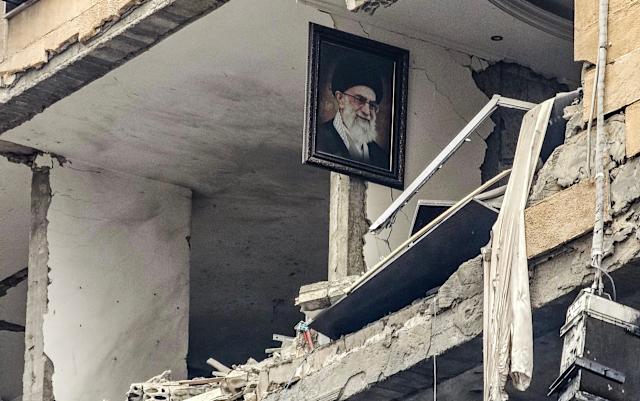
The roots of the US–Iran confrontation stretch back decades, rooted in ideological rivalry, nuclear ambitions, and regional influence. However, the current war was triggered by a dramatic escalation in February 2026. A joint US–Israeli strike killed Iran’s Supreme Leader Ali Hosseini Khamenei, plunging the region into chaos.
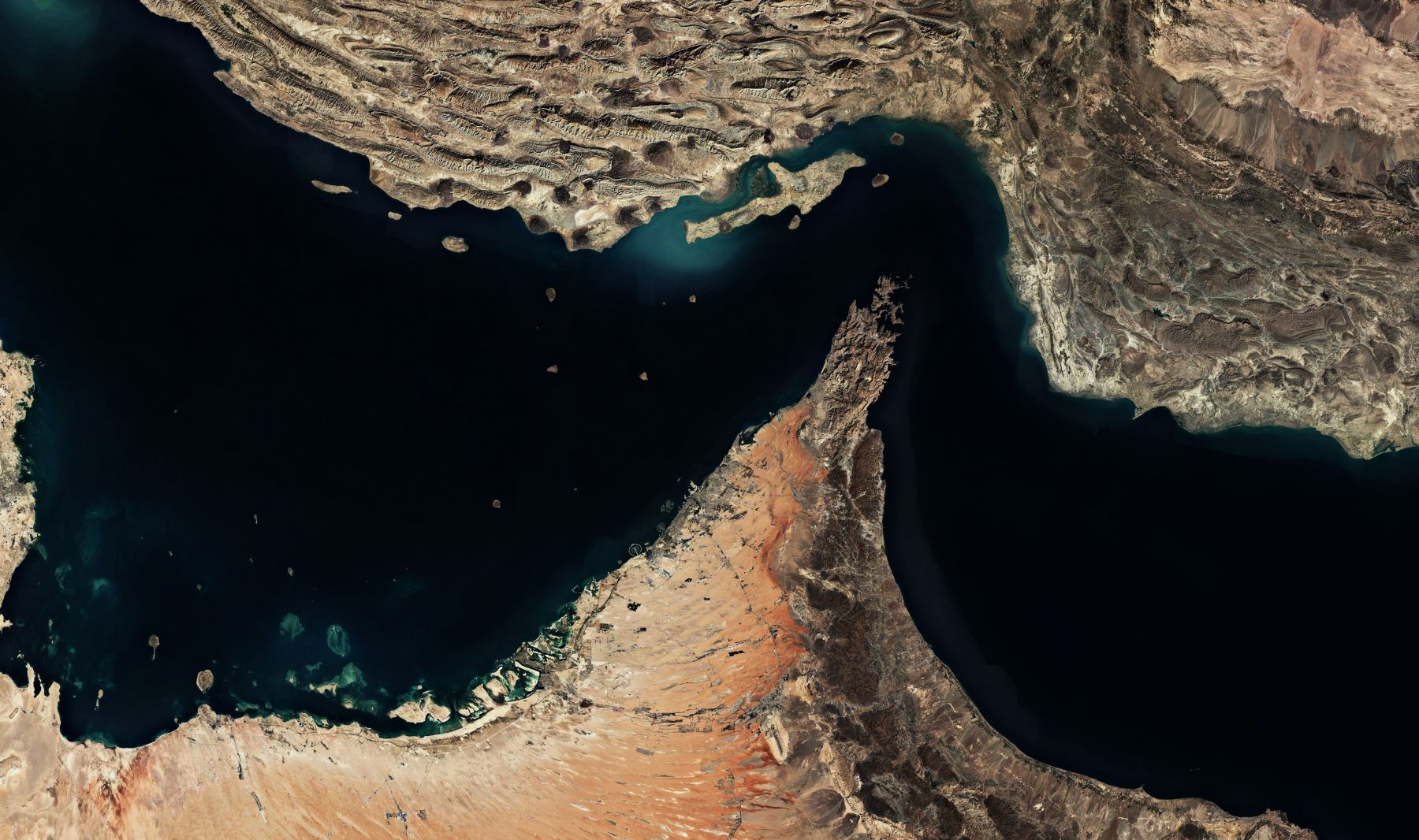
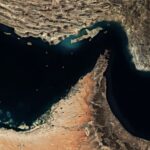
Iran retaliated by targeting Gulf states with missile and drone strikes, while closing the Strait of Hormuz — a critical chokepoint through which nearly 20% of global oil and liquefied natural gas shipments pass. The closure immediately disrupted global energy markets, sending oil prices soaring above $150 per barrel.
Proxy groups aligned with Iran, such as Hezbollah in Lebanon and the Houthis in Yemen, launched attacks against US allies, further destabilizing the region. Gulf states, particularly Saudi Arabia and the United Arab Emirates, became battlegrounds for missile strikes and drone warfare. The United States reinforced its military presence, while European powers remained divided on intervention.
China and Russia condemned US actions and sought to strengthen ties with Tehran.
For Pakistan, which shares a 900-kilometer border with Iran and relies heavily on Gulf energy imports, the war is not a distant conflict. It is a crisis unfolding in its immediate neighborhood, with direct consequences for its economy, security, and foreign policy.
Economic Impact on Pakistan
Rising Energy Costs
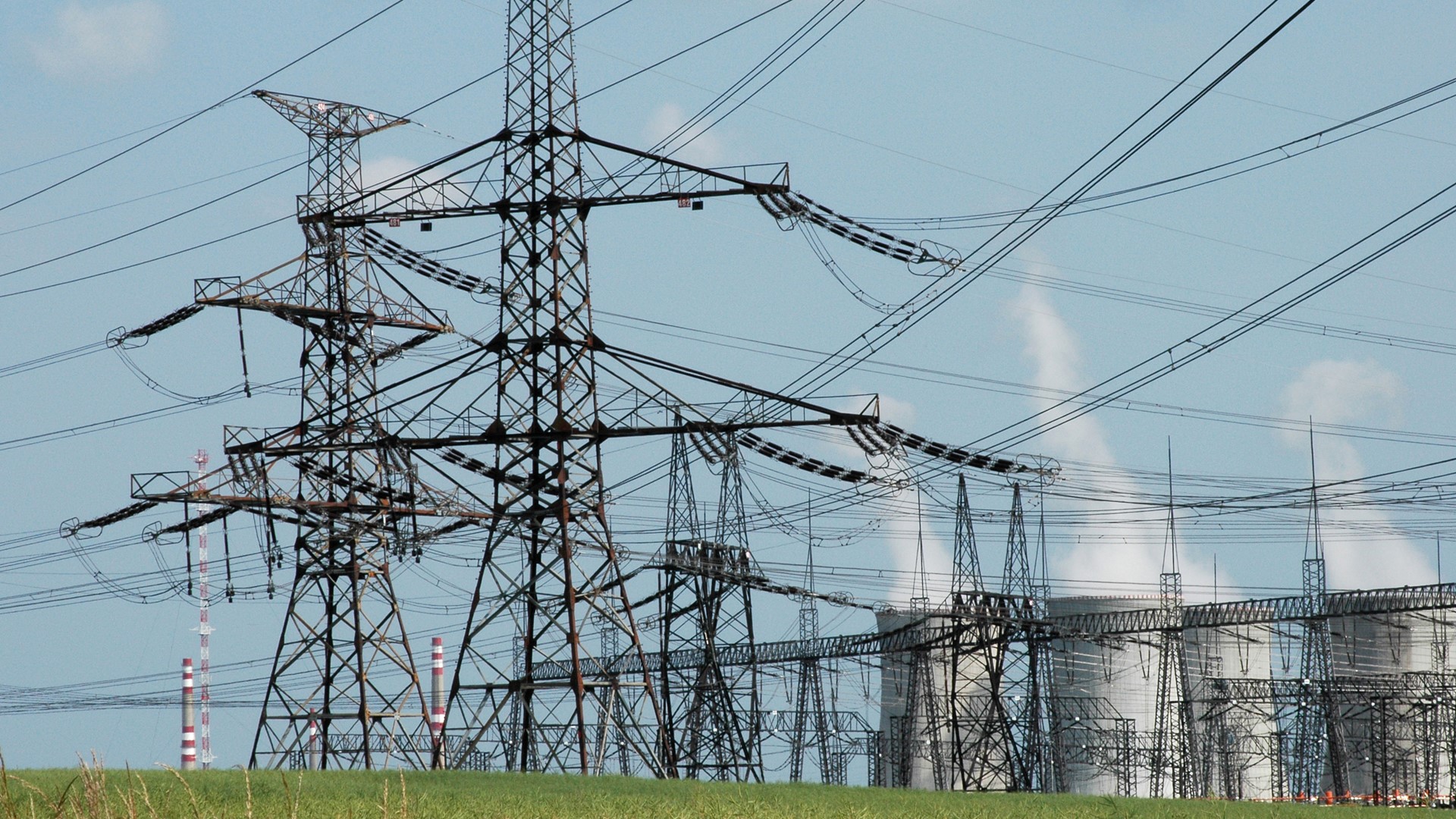
Pakistan imports nearly 80% of its oil, much of it from Gulf suppliers. With the Strait of Hormuz closed, shipping routes have been disrupted, leading to skyrocketing fuel prices. Domestic inflation, already high due to structural weaknesses, has surged further. Transportation costs, electricity generation, and industrial production are all affected, squeezing households and businesses alike.
For example, transporters in Karachi report doubling of freight costs, while small shopkeepers in Lahore struggle to keep businesses afloat as electricity bills soar. Families dependent on remittances from Gulf workers are anxious about job security as regional economies slow down.
Trade Disruptions
Pakistan’s exports to Middle Eastern markets, including textiles, rice, and surgical instruments, face delays and rising shipping costs. Remittances from Pakistani workers in the Gulf, a vital source of foreign exchange, are also at risk as regional economies contract.
IMF Negotiations
Pakistan is currently engaged in negotiations with the International Monetary Fund (IMF) for a bailout package. The war complicates these talks, as energy subsidies become unsustainable and fiscal deficits widen. The IMF is likely to demand stricter reforms, including removal of subsidies and tax increases, which could fuel public discontent.
Long-Term Economic Risks
If the war drags on, Pakistan risks prolonged economic stagnation. High energy costs will deter investment, while inflation erodes purchasing power. The government’s ability to manage debt and maintain social stability will be severely tested.
Security Concerns
Sectarian Tensions
Pakistan has one of the largest Shia populations outside Iran, comprising around 15–20% of its citizens. The US–Iran war risks inflaming sectarian divides, particularly if Iran calls for solidarity among Shia communities. Sunni extremist groups may exploit the situation to target Shia minorities, leading to domestic unrest.
Border Instability
The Iran–Pakistan border has long been plagued by smuggling and militancy. With Iran under attack, cross-border infiltration could increase. Militants may use Pakistani territory for refuge or operations, forcing Islamabad to strengthen border security at significant cost.
Terrorism Spillover
Groups such as ISIS-Khorasan and Tehrik-i-Taliban Pakistan (TTP) may exploit regional chaos to expand their activities. Pakistan’s security forces, already stretched thin, face the risk of renewed terrorist campaigns in urban centers.
Military Dilemmas
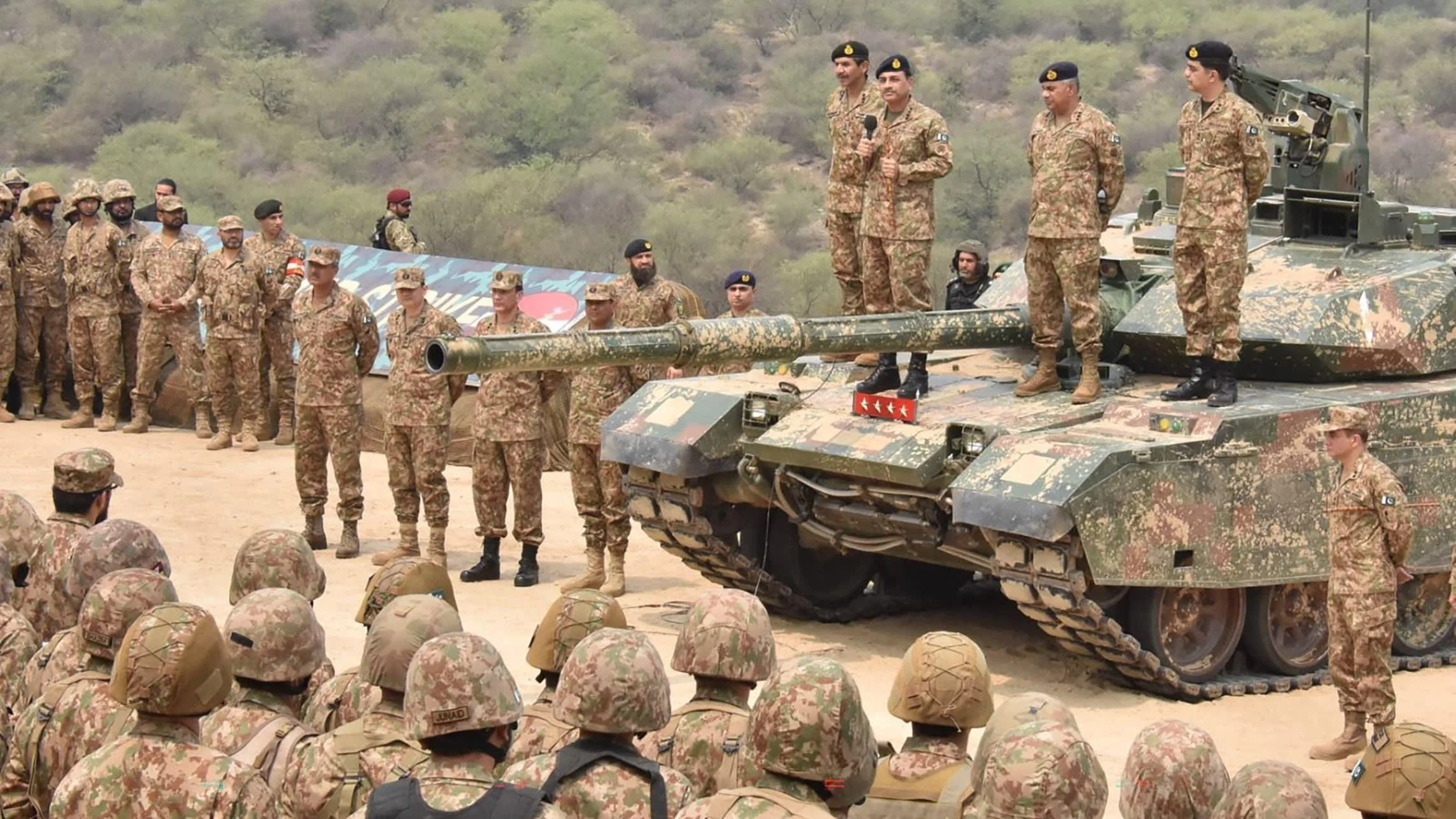
Pakistan’s military must balance internal security with external threats. Aligning too closely with either side risks drawing Pakistan into the conflict, while neutrality requires careful management of border defense and intelligence operations.
Diplomatic Balancing Act
Pakistan’s foreign policy has always been a delicate balancing act, but the US–Iran war has made this balancing more precarious than ever. Islamabad must navigate relationships with Iran, Saudi Arabia, the United States, and China simultaneously, each of which has conflicting interests in the conflict.
Between Iran and Saudi Arabia, Pakistan risks alienating one ally if it sides with the other. The US may push for cooperation against Iran, while China prefers Pakistan to remain neutral to protect CPEC.
Pakistan may attempt mediation, but its limited influence makes success unlikely. Even symbolic efforts, however, could help Islamabad maintain neutrality.
Historical parallels are instructive here. During the Iran–Iraq war in the 1980s, Pakistan tried to remain neutral but faced sectarian violence at home.
Similarly, after the US invasion of Iraq in 2003, sectarian tensions flared in Pakistan. These echoes suggest that neutrality is possible but fragile.
Domestic Implications
The war’s impact is not limited to foreign policy and economics; it also affects Pakistan’s domestic politics and society.
● Inflation and Public Anger: Rising inflation and energy shortages fuel public anger, putting pressure on the government.
● Sectarian Violence: Sectarian violence risks destabilizing urban centers such as Karachi, Lahore, and Quetta.
● Political Polarization: Opposition parties may use the crisis to criticize the government’s handling of the economy and foreign policy, deepening instability.
Possible Future Scenarios
1. Neutrality Maintained
Neutrality would mean Pakistan avoids direct involvement in the US–Iran war, focusing instead on humanitarian aid, diplomacy, and protecting its borders. This approach minimizes risks of retaliation and allows Islamabad to preserve ties with both Iran and Saudi Arabia. However, neutrality is not effortless — it requires constant vigilance. Pakistan would need to reinforce border security, resist pressure from allies demanding loyalty, and maintain credibility as a mediator. The benefit is stability, but the challenge is sustaining balance under intense external scrutiny.
2. Tilt toward Saudi–US Bloc
Aligning with Saudi Arabia and the United States could bring immediate economic relief. Financial aid, deferred oil payments, and smoother IMF negotiations would ease Pakistan’s short-term burdens. Yet this path carries heavy costs. Iran, as a direct neighbor, could retaliate by encouraging unrest along the border or supporting insurgent groups. Domestically, sectarian tensions could flare, with Shia communities feeling marginalized and extremist groups exploiting divisions.
Politically, critics would accuse the government of sacrificing sovereignty for survival. In essence, this option offers quick gains but risks long-term instability.
3. Closer Ties with Iran
Strengthening ties with Iran might improve border cooperation and reassure Pakistan’s Shia population. Tehran could offer discounted energy supplies and diplomatic support. But the economic consequences would be severe. Saudi Arabia could withdraw financial aid, Gulf States might expel Pakistani workers, and billions in remittances could vanish. US sanctions would further isolate Pakistan from global markets. Domestically, Sunni extremist groups could react violently, inflaming sectarian tensions. This path provides limited strategic benefits but threatens Pakistan’s economic lifelines, making it difficult to sustain.
4. Prolonged Instability
The most dangerous scenario is one where the war drags on indefinitely. Oil prices remain high, inflation worsens, and IMF reforms bite deeper. Protests erupt in major cities, sectarian clashes intensify, and political polarization deepens. Investors flee, CPEC projects stall, and Pakistan’s credibility as a regional actor diminishes. This scenario combines economic stagnation with social unrest, creating a spiral of instability that is far harder to escape than any single diplomatic choice.
Policy Recommendations
To mitigate risks, Pakistan should:
● Diversify Energy Sources: Invest in renewable energy and regional pipelines to reduce dependence on Gulf oil.
● Strengthen Border Security: Enhance surveillance and cooperation with Iran to prevent infiltration.
● Promote Sectarian Harmony: Launch initiatives to reduce sectarian tensions through dialogue and community engagement.
● Pursue Active Diplomacy: Position itself as a mediator, even symbolically, to maintain credibility.
● Build Economic Resilience: Focus on reforms that strengthen domestic industries and reduce reliance on external aid.
Conclusion
The US–Iran war represents a strategic nightmare for Pakistan. Rising energy costs, economic uncertainty, sectarian risks, border instability, and the challenge of balancing relations with rival global and regional powers have converged into an unprecedented test for Islamabad. Unlike distant conflicts, this war directly affects Pakistan’s economy, security, and social cohesion, making inaction or miscalculation particularly costly.
The safest path forward appears to be strict neutrality, complemented by proactive diplomacy, internal security measures, and economic reform. By avoiding direct alignment with any one bloc, Pakistan can reduce the risk of retaliation, preserve vital relationships, and focus on safeguarding domestic stability. At the same time, neutrality must be supported by concrete actions—strengthening border controls, managing sectarian harmony, diversifying energy sources, and reinforcing economic resilience.
However, neutrality alone will not shield Pakistan from all consequences. Prolonged conflict in the region could deepen inflation, strain public patience, and intensify political polarization. In this context, the strength of Pakistan’s institutions, the coherence of its foreign policy, and the government’s ability to manage public expectations will be decisive.
Ultimately, the US–Iran war is not only a foreign policy challenge but a stress test for Pakistan’s state capacity. How Islamabad navigates this crisis will shape its regional credibility, internal stability, and economic trajectory for years to come. The coming months will demand careful judgment, national unity, and strategic foresight to ensure that Pakistan emerges resilient rather than destabilized by the turmoil unfolding in its neighborhood.