
Part VI
Written on the 9th of April. To be read in conjunction with Global Order 1 to 5 with
special emphasis on pages 3 of both, Global Order ii and Global Order V.
‘Let us never negotiate out of fear. But let us never fear to negotiate’– John F. Kennedy
The powers that be are prepared to huddle and talk; Pakistan is in the limelight as a regional dynamo in the flurry of diplomatic activity that we all witness. What are these negotiations about can only be determined by the list of demands put forward by the US and Iran – 15 points for the former and 10 for the latter. These points are listed below:
The US 15 Pointer
1. Dismantle nuclear capabilities: Full dismantling of existing Iranian nuclear infrastructure, specifically mentioning Natanz, Isfahan, and Fordow.
2. Permanent prohibition: Iran commits to never pursuing nuclear weapons.
3. End to enrichment: A total halt to any enrichment of nuclear material on Iranian soil.
4. Handover of materials: All current enriched nuclear material must be handed over to the IAEA within an agreed timeline.
5. Full IAEA inspections: Unlimited and full IAEA access to all Iranian sites and related information.
6. Proxy support termination: Cessation of all funding, arming, and direction of regional proxy forces (e.g. Hezbollah, Hamas).
7. Missile program limits: Restrictions on the range and quantity of Iran’s missile program.
8. Strictly defensive missiles: Future missile use restricted exclusively to self-defence.
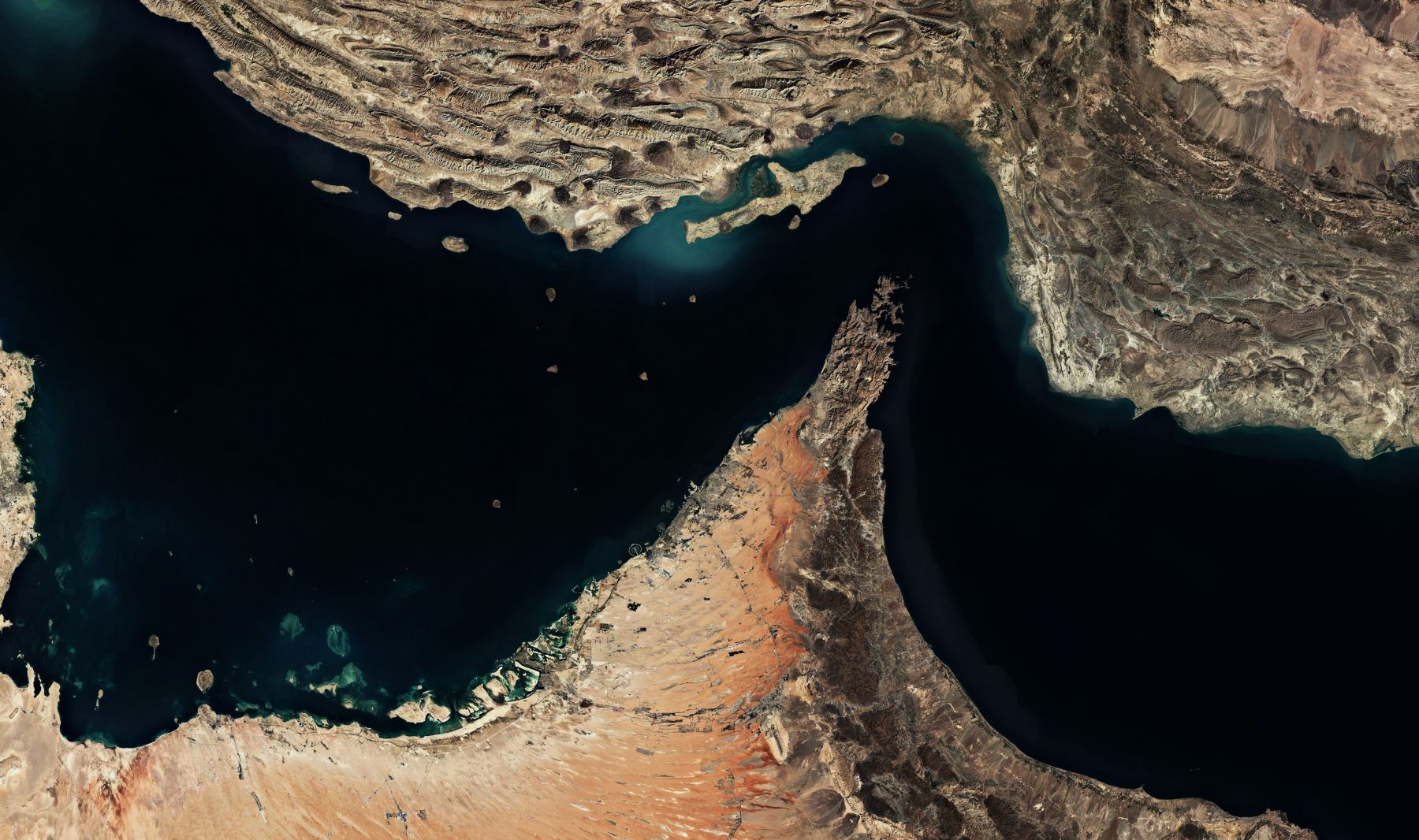
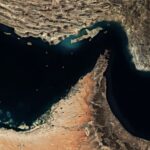
9. Strait of Hormuz access: Guarantee that the Strait of Hormuz remains a free and open maritime zone.
10. End to regional attacks: Cease all Iranian strikes against regional energy infrastructure.
11. Regional security: An end to Iranian actions contributing to regional instability.
12. Sanctions relief: Removal of all international sanctions imposed by the U.S. on Iran.
13. Assistance with nuclear energy: U.S. assistance for civilian nuclear projects, such as electricity generation at the Bushehr plant.
14. Removal of snapback threat: Removal of the UN “snapback” sanctions mechanism.
15. Establishment of mechanisms: Agreement on mechanisms to ensure the war does not resume
The Iranian 10 Pointer
1. Binding non-aggression guarantees
2. Complete sanctions removal
3. Economic reparations
4. Recognition of enrichment rights
5. Withdrawal of U.S. forces from the region
6. Control mechanisms over the Strait of Hormuz
7. Release of frozen assets
8. Removal of UN/IAEA constraints
9. UNSC-backed agreement
10. Immediate ceasefire across all fronts
Despite the maximalist positions adopted by both sides, we are now in an apparent bid to ceasefire and negotiate the future status towards bi-lateral relation in the US-Iran equation. However, the missing link here is the conspicuous absence of Israel. Israel is considered to be the prime stake holder in this conflict and without their presence and participation in any negotiations the whole exercise would appear dubious and unrealistic. Nevertheless, why would the US or Iran agree to a ceasefire and begin a negotiation on the conflict in the first place, after all, there had to be an event/incident or instance that has to initiate such a proceeding. Iran was very clear from the very beginning that they were not in search of a ceasefire and preferred to discuss a solution leading to a permanent peace. The US, on the other hand, talked themselves into a blind alley with their 48-hour ultimatum and a threat to annihilate the Iranian Civilisation. They demonstrated their intent by bombing infrastructure such as bridges and oil terminals. The Iranians taunted the US to ‘bring it on’. Then there was an abrupt end to the ultimatum – which is now the question everyone is asking. First, Trump, having said what he had said, found it difficult to walk the talk on account of the visible consequences at the regional as well as the global level, affecting supply chains, oil and gas, financial stability and stock exchanges.
When seeing no flexibility by Iran in the face of his thrasonical bluff and witnessing an unexpected and determined Iranian defiance to it instead, Trump searched for a way out. He thus decided to use the opportunity provided by one of the two missing airmen who had ejected over Iranian territory, to get himself out of a difficult commitment and situation.
The two airmen’s F 15 E was shot down; the pilot was rescued within 24 hours, while the weapon system officer (WSO) went missing and is widely presumed to have been killed. The US decided to use the occasion and fake a rescue mission to mount a Venezuelan style raid on Iran’s Isfahan nuclear facility, seizing enriched uranium allegedly stored there. This would give Trump an occasion to declare victory if the US Delta Force could pull it off and allow him to unilaterally pull out of the conflict without losing face.
The gambit failed. The ruse cost the US 2xC130s, 2xBlack Hawk Helicopters, 1x A10 Thunderbolt, severe damage to MC-130J Combat King II and destruction of special operations helicopters (MH-6 Little Bird). Human losses/casualties have not been disclosed. However, with this failure options for Trump were now limited to either calling off the ultimatum or then going through with it. Faced by these choices, Trump chose to weather a military defeat over a political defeat and thus find a way to start negotiations.
Rather than having to eat his own words, Trump organised the farce of the draft sent to Pakistan’s PM who readily played along with the fabricated story of a Pakistani request to execute an immediate ceasefire and begin negotiations. The canard was easily picked up by the international social media and went virile, exposing the theatre. Trump, the engineer of the whole fracas, grabbed the opportunity to scale down on his rhetoric and then extended the deadline, pulling himself out of the blind alley for now – but only for now.
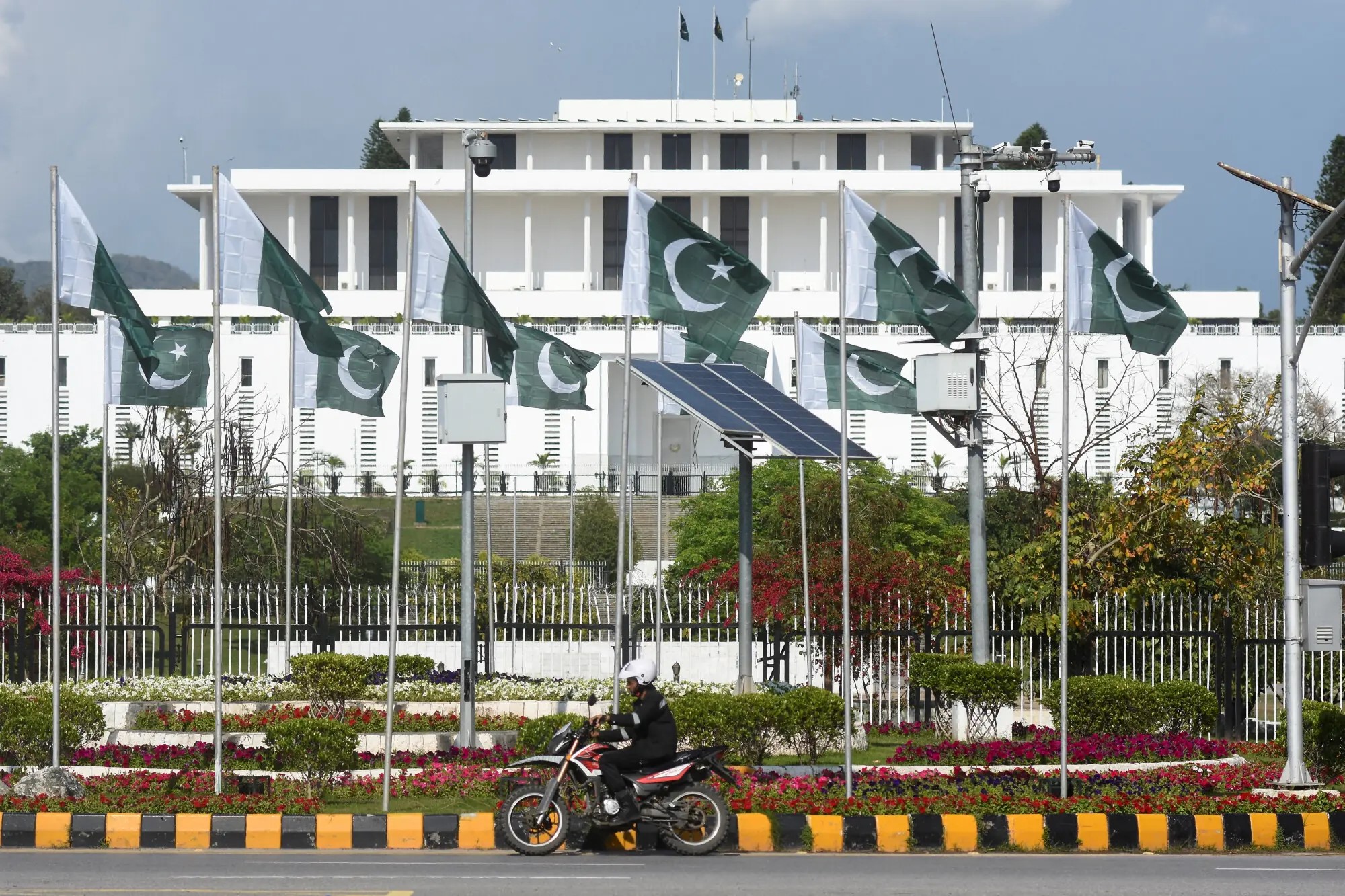
Islamabad was selected as the venue for the ensuing negotiations to be held on the 9th and 10th of April. The participants were the US delegation led by vice president JD Vance including special envoy Steve Witkoff and Jared Kushner. Iran’s delegation confirmed by President Masoud Pezeshkian to be led by the foreign Minister, Abbas Araghchi. Delegates from the GCC may also be present but who would be part of these talks has not been made public as yet.
The negotiation in Islamabad are focusing on a 45 day two-phased ‘Islamabad Accord’, which includes the reopening of the Straits of Hormuz and a comprehensive settlement of the conflict. As of the 9th of April 2026, the brokered ceasefire has come under immediate strain with multiple reported violations as listed below:
1. Israeli Strikes in Lebanon: Iranian officials and media reported that Israel launched massive air strikes on Hezbollah-linked targets in Lebanon shortly after the deal took effect. Iran considers these strikes a breach of the ceasefire, arguing that the agreement included all fronts.
2. Contested Scope of the Deal: The U.S. and Israel have denied that Lebanon was included in the ceasefire agreement, creating a fundamental disagreement over the terms.
3. Retaliatory Rocket Fire: Hezbollah announced it launched a “large barrage” of rockets at Israeli settlements on Thursday, 2:30 a.m. local time, describing the action as a response to the Israeli violations of the ceasefire.
4. Strait of Hormuz Disruptions: Iran’s Islamic Revolutionary Guard Corps (IRGC) reported that shipping traffic in the Strait of Hormuz stopped after Israel’s bombardment of Lebanon. While the U.S. claimed these reports of closure were false, Iranian officials maintained the strait was closed, marking a breach of the deal’s economic terms.
5. Drone Activity: Iran reported the downing of a drone in central Iran, labelling it a further breach.
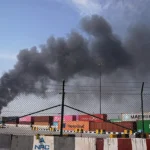
6. Targeting of Infrastructure: Iran’s Lavan Island oil refinery was struck by attackers shortly after the truce was announced.
7. US Reaction and Threats: US Vice President JD Vance stated that if Iran does not ensure the reopening of the Strait of Hormuz, the ceasefire will end. President Trump also warned that U.S. forces would remain in place until the agreement is fully complied with, threatening consequences if “lies” or “cheating” occur.
Israel is not part of these negotiations and is reluctant to allow a ceasefire to go into place. Their immediate objective can only be met by a truncated and dysfunctional Iran – nothing less. However, if hit hard enough, Israel may be forced to come to terms; but for how long, is anyone’s guess. Having suffered devastating damage itself, yet Israel having total control over the media has managed to prevent its adversaries from assessing how close or far, it is from capitulation. It makes sense that if Israel does not agree to the terms of a ceasefire, Iran must punish Israel with ballistic missiles and slap them to the negotiating table. In the meanwhile Saudi Arabia and UAE have openly sided with Israel and the US and have physically attacked Iran by air raids on Iran’s oil terminals. The US may even have given tacit approval to these raids.
Thus these negotiations currently being held in Islamabad do not appear to be going anywhere. Other than allowing Trump a temporary face-saving to pull out of his unrealistic ultimatum in annihilating the Iranian Civilisation and buying him some time, nothing is likely to come off these talks. For talks to succeed, Israel must suffer more devastating attacks on its infrastructure and the evacuation of its people, the US to suffer irreversible losses in human life, war material and treasure and a credible guarantor that can enforce a ceasefire.