Amna Munawar Khan

Amna Munawar Khan is a policy researcher and strategic affairs analyst specialising in human rights, security, policing, and institutional reform. Her research and policy work focus on conflict, justice sector reform, and geopolitical developments across South Asia, the Gulf, and the wider Middle East and North Africa (MENA) region. She has contributed to multiple international donor-funded governance, policy, and justice sector initiatives in Pakistan, as well as GCC- and MENA-focused research projects. She holds an MPhil in Defence and Strategic Studies from Quaid-i-Azam University, Islamabad, and a Bachelor’s degree in Peace and Conflict Studies. She can be reached at amnaakhan74@gmail.com and via LinkedIn at https://www.linkedin.com/in/amna-munawar-khan-/.

The Paperwork War Over Hormuz

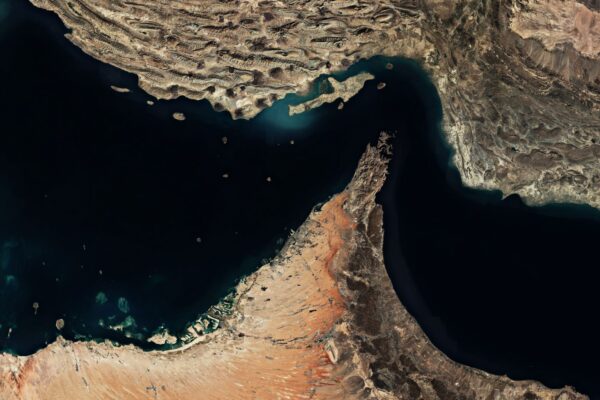
Iran’s most durable gain in this war may not be military. It may be administrative. The sixty-day window opened by the June memorandum of understanding is closed without a broader agreement. Oil is near $90. Traffic through the Hormuz Strait remains thin. The public argument has settled into a familiar shape: how many interceptors Washington…

Read More

After the War on Iran, the Gulf’s Real Test Is Coordination Among Its Own Members

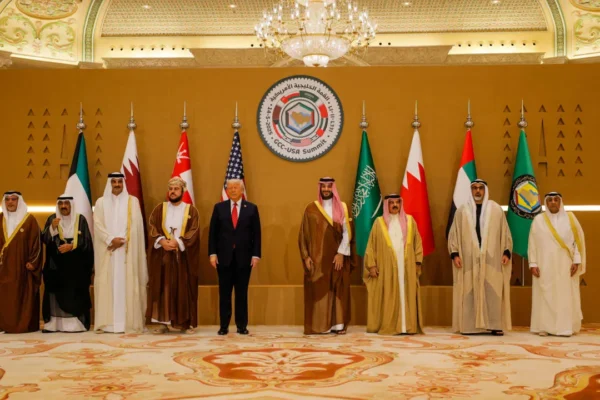
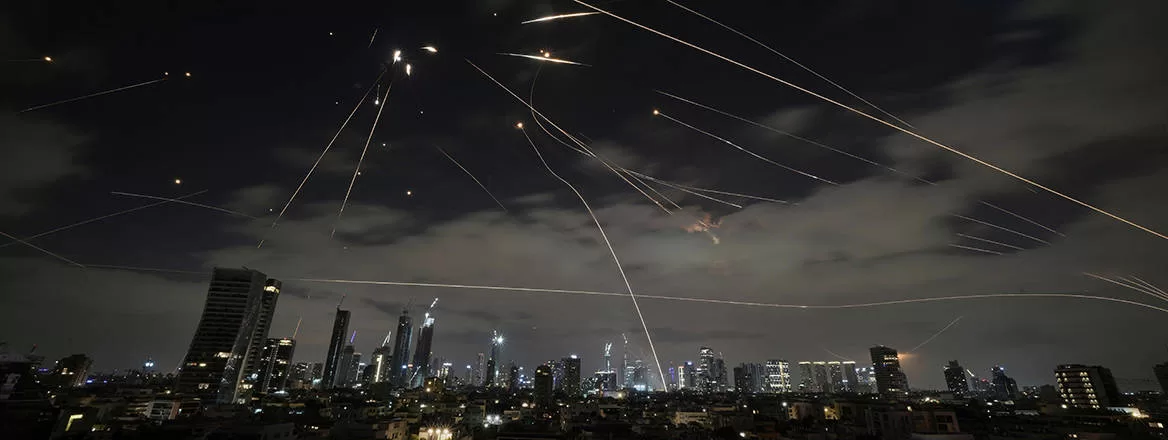
For four months in early 2026, the Gulf Cooperation Council faced something rare in its history: a common external shock. Iranian missiles and drones struck ports, airports, and military facilities across all six member states during the US-Israel war on Iran. Statements from Riyadh, Abu Dhabi, and Doha condemned the attacks in strikingly similar language,…

Read More

Stability, Reconstruction, and Human Security in the Middle East

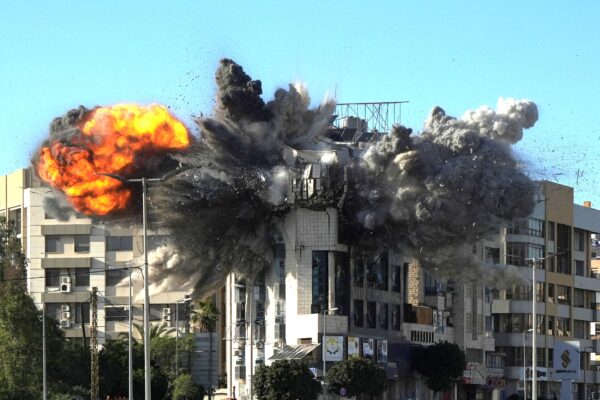
How security-first regional policies risk producing stability without legitimacy The Rise of Security-First Regional Policy From the Red Sea to Gaza, the Middle Eastern security policy is increasingly organised around deterrence, strategic containment, and crisis management rather than long-term political recovery. Since 2023 regional instability has accelerated maritime securitisation, intelligence coordination, military partnerships, and defence…

Read More

Forecasting Conflict

The Global Ethics of Artificial Intelligence in Predicting War Artificial intelligence is no longer an abstract frontier in conflict studies as it is now being deployed in real forecasting systems that promise to anticipate hotspots before violence breaks out. Tools like VIEWS (Violence & Impacts Early-Warning System) issue monthly forecasts across the globe, integrating data…

Read More

Chokepoints and Crosshairs

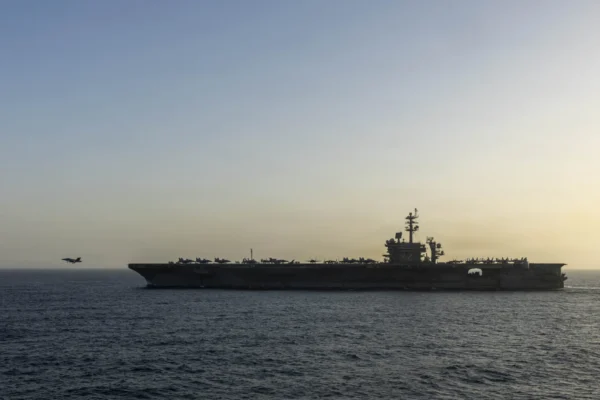
Introduction: The Visible Geography Behind Invisible Wars “Satellites may spy from the heavens, and malware may cripple nations silently, but tank battalions still roll on roads, and oil still flows through chokepoints.” This statement has never been more relevant than during the Iran–Israel conflict of 2025. On June 13, Israel launched a surprise offensive targeting…

Read More

Through Smog and Floods

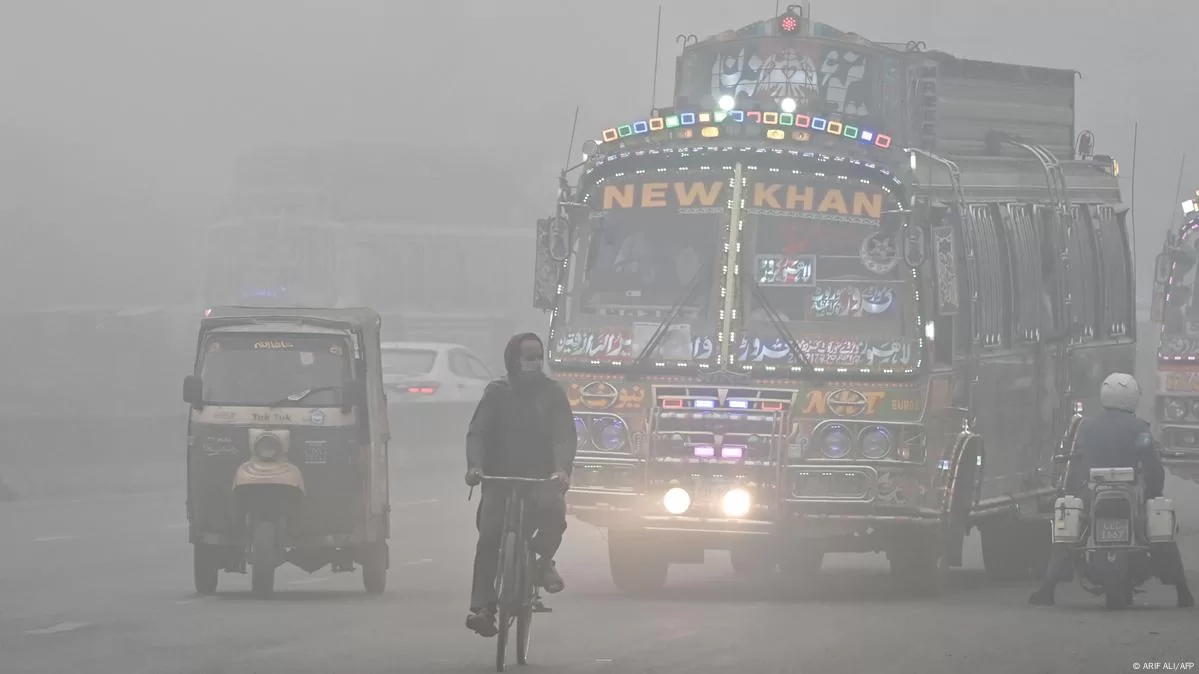
Pakistan is grappling with the devastating consequences of climate change, from unprecedented smog levels in Lahore to catastrophic floods that displace millions. While smog, with its record-breaking Air Quality Index (AQI) of 1,600 in Lahore has sparked a public health crisis, the gendered impacts of climate change become starkly apparent in flood-hit regions. Women bear…

Read More

Gender Disparity in Pakistan’s Police

IntorductionGender representation in policing is a critical aspect of law enforcement that directly impacts the effectiveness of policing, particularly in handling gender-based violence (GBV) and building community trust. In Pakistan, women make up only a small fraction of the total police force, which raises concerns about the inclusivity and responsiveness of the police to issues…

Read More

Advancing Human Rights

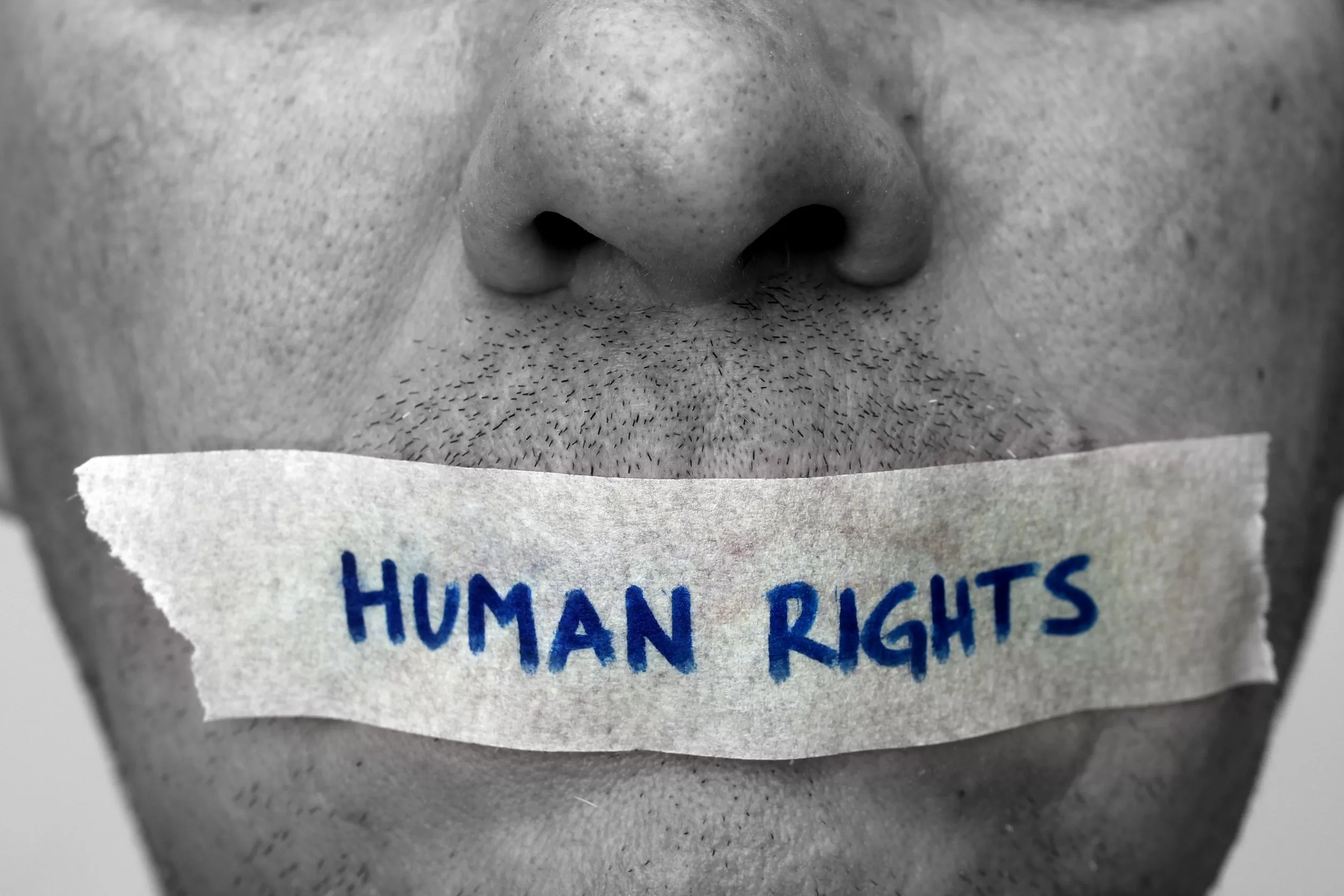
In the intricate tapestry of Pakistan’s human rights landscape, the parliamentary institution emerges as a central pillar, entrusted with the solemn duty of safeguarding the fundamental rights and dignity of every citizen. As Pakistan enters a new chapter in its journey towards human rights advancement, the spotlight turns to the parliament, beckoning it to chart…

Read More