


Why the US–Iran War Reached Islamabad
Deterrence Breakdown
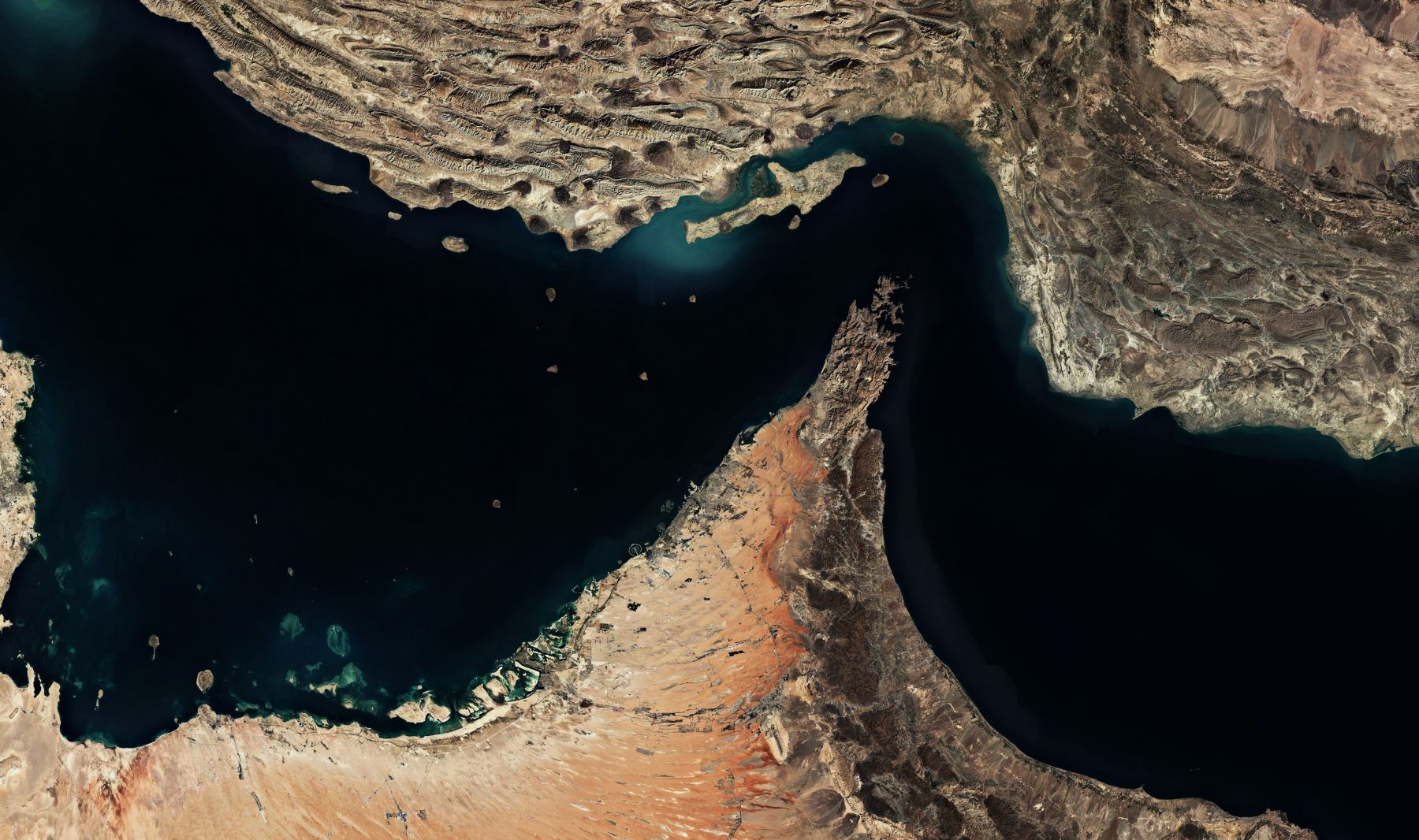
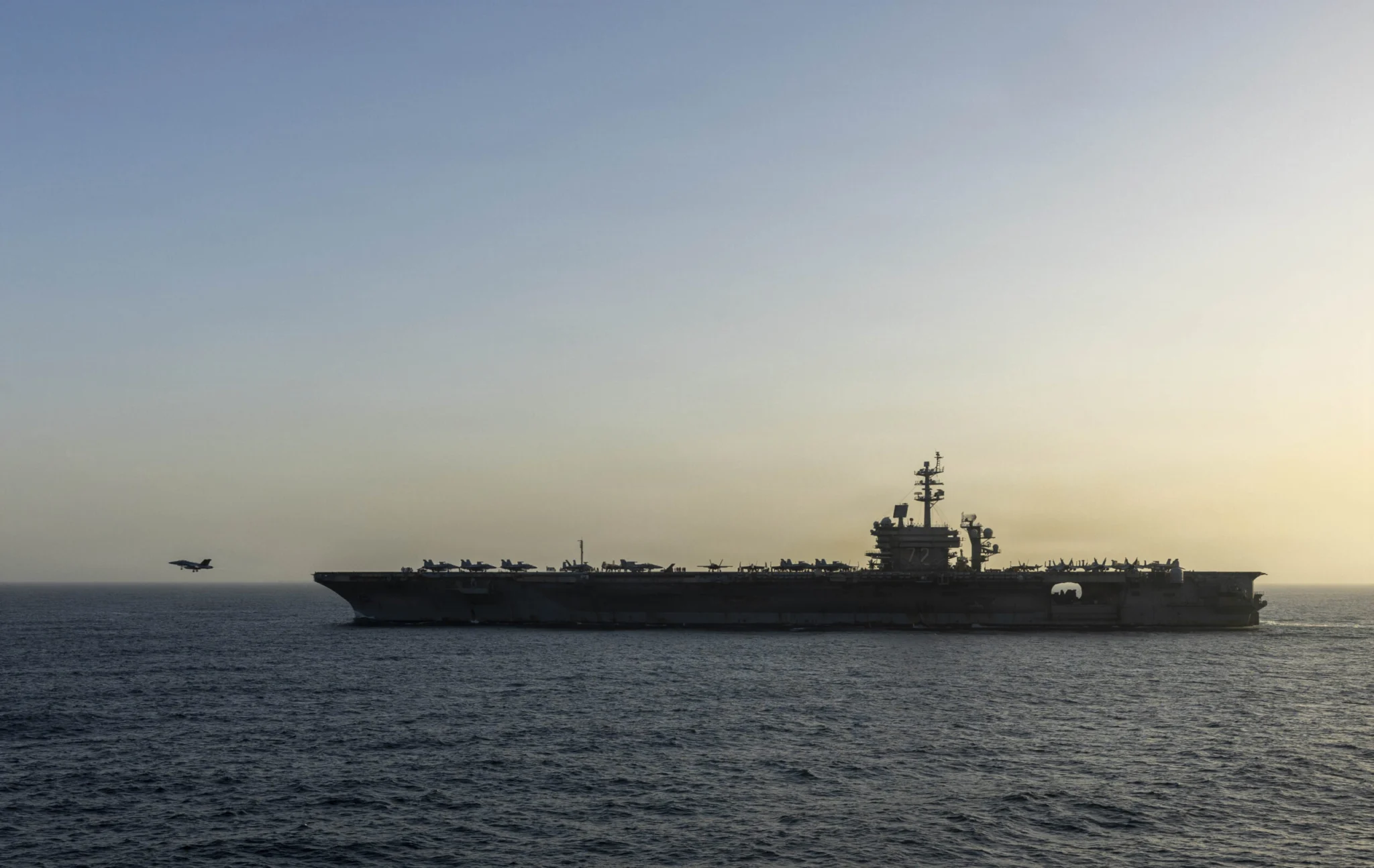
Deterrence in the US–Iran confrontation did not fail in a single moment; it eroded across successive escalatory steps that neither side fully controlled. American naval deployments in and around the Strait of Hormuz were intended to signal resolve and impose limits, yet they did not prevent further escalation. On the Iranian side, the long-standing threat of regional retaliation through maritime disruption and allied networks did not deter the continuation of U.S. pressure. Instead, both sides acted under assumptions that their respective capabilities would impose caution on the other, an expectation that proved misplaced.
The role of Israel further complicated this dynamic. Israeli strikes, driven by its own threat perceptions, operated outside a unified deterrence framework, fragmenting already weak signaling channels. In such a setting, deterrence was no longer bilateral but dispersed across multiple actors and theatres, including maritime zones and adjacent regional fronts.
This fragmentation produced a situation in which red lines were neither clearly communicated nor consistently recognised. Unlike Cold War deterrence, where signalling mechanisms were comparatively stabilised, the present conflict reflects a form of multi-actor deterrence with overlapping and often contradictory thresholds. The result was not stability but escalation, creating conditions in which deterrence ceased to function as prevention and instead gave way to strategies focused on imposing costs after escalation had already begun.
Coercion as Strategy
As deterrence weakened, the conflict transitioned into a phase where pressure became a tool of negotiation rather than a pathway to decisive victory. On the American side, naval enforcement measures and tightened economic restrictions signalled an intent to raise the operational and financial costs for Iran. Tehran, in turn, relied on its capacity to disrupt critical maritime routes, particularly the Strait of Hormuz, to exert counter-pressure on global energy flows and international markets.
These actions produced tangible economic effects. Oil price volatility increased, and international financial institutions warned of broader instability linked to the disruption of energy supply chains. Such developments expanded the costs of confrontation beyond the immediate theatre, creating external pressure for de-escalation.
Political messaging reinforced this dynamic. Statements by figures such as JD Vance, framing Iranian actions as forms of economic warfare, illustrate how economic and military instruments are being combined within a single coercive framework.
Importantly, this phase does not reflect coercion aimed at capitulation. Neither side has demonstrated willingness to concede core strategic positions. Instead, coercion has generated engagement. Pressure has not produced compliance, but it has compelled both sides to enter and sustain dialogue under constrained conditions.
The outcome is a form of calibrated confrontation in which escalation continues alongside negotiation. Each side increases leverage while simultaneously avoiding thresholds that could trigger uncontrollable expansion. In this sense, the war now functions less as a contest for victory and more as a structured bargaining environment in which the costs of continuation shape the incentives for limited engagement.
Why Islamabad
The selection of Islamabad as a negotiation venue reflects a convergence of geographic exposure, security calculation, and diplomatic positioning. Pakistan’s proximity to Iran, particularly through the Balochistan border region places it within the immediate strategic radius of the conflict. Any expansion of hostilities especially deeper strikes into Iranian territory carries the risk of spillover into Pakistan’s western frontier. In this context, Islamabad’s role is not detached neutrality but risk management within its own security environment.
This proximity shapes Pakistan’s incentives. Facilitating dialogue is not solely an act of mediation; it is a means of preventing the conflict from diffusing into adjacent spaces that directly affect its internal stability. The possibility that broader confrontation could extend toward border regions reinforces the urgency of maintaining communication channels between the primary actors.
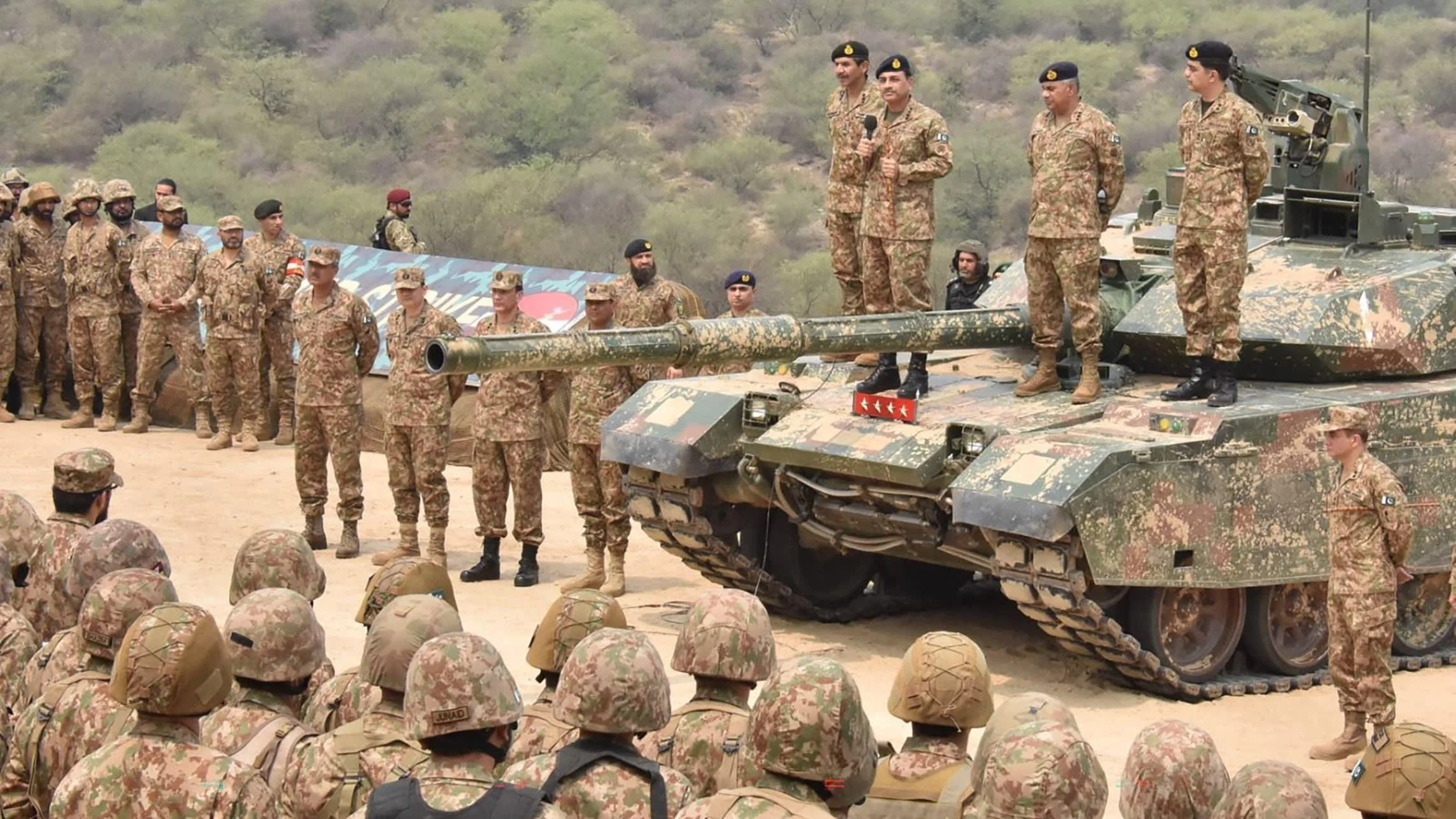
This strategic positioning has been reinforced through high-level engagement. The visit of Asim Munir to Iran in April 2026 signalled direct military-level reassurance, while diplomatic outreach by Shehbaz Sharif to Saudi Arabia and Turkiye indicated an effort to align regional actors around de-escalation. These moves position Pakistan as a connector across competing blocs rather than a passive host.
Israel Factor
The trajectory of the conflict cannot be understood through a purely bilateral US–Iran lens. Israel operates within the same theatre but under a distinct strategic logic that is not fully aligned with American negotiation objectives. While Washington has increasingly signalled interest in managing escalation through controlled engagement, Israel’s priority remains the degradation of Iranian capabilities and influence across the region.
This divergence is most visible in the Lebanon theatre, where sustained military activity has expanded the operational scope of the conflict beyond the immediate US–Iran confrontation. The continuation of pressure along this front reinforces instability and reduces the predictability that diplomatic efforts require. Negotiation frameworks typically assume that escalation can be modulated by the primary actors; however, the presence of an autonomous actor pursuing parallel objectives disrupts that assumption. The result is a structural misalignment. The United States may seek to stabilise the conflict through calibrated de-escalation but Israeli operations are oriented toward achieving longer-term strategic weakening of Iran, even at the cost of short-term escalation. This dual-track dynamic complicates signalling and reduces the credibility of any limited understandings reached through negotiation.
As a consequence, diplomatic progress becomes contingent not only on US–Iran alignment but also on the behaviour of actors operating outside that bilateral framework. This fragmentation makes implementation uncertain and reinforces a condition in which negotiation and escalation proceed simultaneously without convergence.
Beyond Ceasefire
The current phase of engagement highlights a fundamental distinction between ceasefire and settlement. A ceasefire addresses immediate operational pressures by pausing hostilities, whereas a settlement requires agreement on the underlying sources of conflict.
The ongoing talks have not approached the latter. Core issues including Iran’s nuclear programme, the structure of sanctions, and control over maritime routes such as the Strait of Hormuz remain unresolved and continue to define the strategic positions of both sides. These disputes are not tactical disagreements that can be bridged through incremental compromise. They are structural in nature, tied to long-term security perceptions and competing regional ambitions. Under such conditions, coercive bargaining can generate temporary stabilisation but is unlikely to produce a durable agreement. What emerges instead is a pattern of managed confrontation, in which conflict persists at a controlled intensity. Risks are contained through periodic engagement, but the underlying antagonism remains intact.
The prospect of additional rounds of talks, including the possibility of higher-level political involvement such as future engagement narratives linked to Donald Trump indicates that dialogue will continue to be tied to cycles of pressure rather than to a coherent peace process. In this framework, negotiations function as instruments of risk reduction, not as mechanisms of resolution.
Conclusion
The talks in Islamabad should be understood within this context. They do not represent a transformative diplomatic breakthrough, but rather a functional space that enables interaction under conditions of sustained pressure. Diplomacy in this phase is reactive. It is shaped by the need to contain escalation rather than to resolve the conflict’s underlying causes. As long as core strategic disagreements remain unaddressed, negotiations are likely to remain episodic and contingent on shifts in the balance of pressure. The significance of Islamabad lies in preventing its uncontrolled expansion into a wider regional war.