
It is a truth universally acknowledged that a political party in possession of a large parliamentary majority must be in want of a spectacular internal meltdown.
And so, with a sense of historical duty and a flair for the theatrical, the Labour Party has once again stepped forward to fulfill its national role: providing the British public with a live‑action tragicomedy to distract from the potholes, the price of cheese, and the existential dread of checking one’s energy bill.
The latest episode of “Labour: A Crisis in Several Acts” opened with the local elections, in which Reform UK – a party previously known mainly for its ability to generate headlines disproportionate to its seat count – managed to snatch a handful of councils and, more importantly, Labour’s sense of invincibility. The results may not have been catastrophic but they were just inconvenient enough to trigger the Labour Party’s most cherished instinct: panic. Cue the headlines. Cue the anonymous briefings. Cue the sudden reappearance of Andy Burnham in the national imagination, like a northern Batman summoned by the Bat‑Signal of internal collapse.
Burnham, who has spent years cultivating the image of a man reluctantly burdened with competence, is now rumoured to be considering a return to Parliament – presumably to save the party from itself, or at least to supervise the adults while they argue.
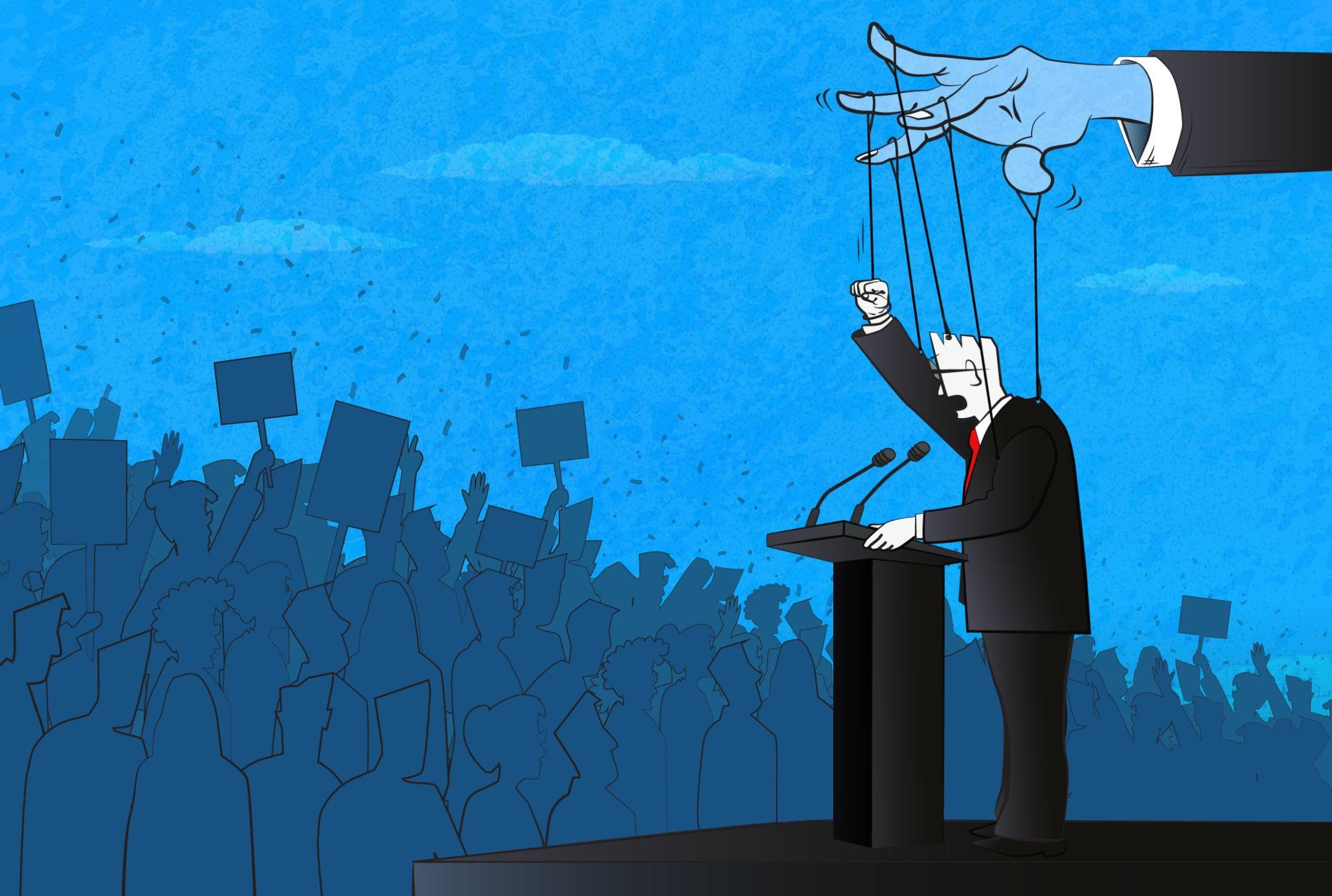
Meanwhile, Keir Starmer, who until recently was described by commentators as stable, disciplined, and capable of wearing a suit without incident, is now said to be on the brink, under pressure, and one more bad poll away from being replaced by a houseplant! The whispers of a leadership challenge have grown so loud that even the pigeons in Westminster Square have started speculating about who might be in the running!
The shenanigans – and there is no more accurate word – began with the usual choreography. First, unnamed MPs expressed “concerns”. Then, senior figures insisted the leader had their “full support,” which in Labour‑speak is roughly equivalent to hearing the doctor say, “You might feel a slight pinch.” Finally, someone leaked a memo, someone else denied leaking the memo, and a third person announced that the real problem was the culture of leaking, which they then leaked to the press!
Starmer himself has attempted to project calm, though the effect is somewhat undermined by the fact that every time he appears on camera, a journalist asks whether he plans to resign before or after lunch. His allies insist he is safe. His critics insist he is finished.
The public, for their part, are mostly wondering whether any of this will make the trains run on time!
Into this maelstrom strides Andy Burnham, the Mayor of Greater Manchester, a man who has mastered the art of looking like he didn’t want to be asked but is willing to step up for the good of the nation, the party, and possibly his own future book deal. Burnham has not declared anything, of course. He has merely allowed the idea of his return to Parliament to float gently through the political ecosystem like a pollen cloud, triggering allergic reactions in various factions. Some Labour MPs are thrilled. Others are horrified. A few are confused, having assumed Burnham was still in Westminster all along! But the mere possibility of his return has electrified the rumour mill, which is now spinning so fast it could power the National Grid. The leadership‑challenge speculation has taken on a life of its own. Names are being floated with the enthusiasm of a village fête raffle: Wes Streeting, Angela Rayner, Yvette Cooper, the ghost of Clement Attlee, a sentient spreadsheet, and a Labrador named Geoff who once won a by‑election in a dream someone had.
Every faction has a favourite, and every favourite has a faction determined to destroy them.
The situation is not helped by the fact that Labour, having spent years in opposition perfecting the art of internal warfare, now finds itself in government with no external enemy sufficiently convenient to blame. The Conservatives are too busy reorganising themselves into a shape that may or may not resemble a political party. Reform UK is enjoying its moment in the sun. The Liberal Democrats are, as always, somewhere. And so Labour has turned inward, like a snake attempting to eat its own tail but getting distracted halfway through by a focus group. The irony, of course, is that none of this was inevitable. Labour could have taken the local election results as a mild warning, a nudge to adjust strategy, or even an opportunity to demonstrate unity. Instead, it chose the path of maximum entertainment value. The party has always had a flair for drama, but this time it has outdone itself. The plot twists are arriving so quickly that political journalists have begun carrying defibrillators. Meanwhile, the public watches with a mixture of fascination and exhaustion. Some are amused. Some are bewildered.
Many are simply resigned to the fact that British politics now operates on the same narrative logic as a soap opera: characters return unexpectedly, alliances shift without warning, and no one is ever truly safe from being written out. And yet, beneath the satire, there is a faintly tragic undertone. The country faces real challenges – economic, social, geopolitical – and the governing party is currently engaged in a leadership‑themed escape room of its own making. The stakes are high, the timing is terrible, and the optics are reminiscent of a fire drill conducted by people who have never seen a fire.
Still, if there is one thing the Labour Party excels at, it is surviving its own crises.
It has done so before. It will do so again. And when the dust settles – when the rumours fade, the briefings stop, and the leadership challenge either materialises or evaporates – the party will emerge blinking into the daylight, ready to insist that everything is fine and always has been. Until the next crisis, of course! Which, given the current pace, should arrive sometime around Tuesday.