


How security-first regional policies risk producing stability without legitimacy
The Rise of Security-First Regional Policy
From the Red Sea to Gaza, the Middle Eastern security policy is increasingly organised around deterrence, strategic containment, and crisis management rather than long-term political recovery. Since 2023 regional instability has accelerated maritime securitisation, intelligence coordination, military partnerships, and defence expansion across the region. Houthi attacks on commercial shipping routes in the Red Sea disrupted one of the world’s most important maritime corridors, forcing major companies to reroute vessels away from the Suez Canal thereby increasing transportation and insurance costs globally. At the same time, the escalation between Iran and Israel exposed how rapidly regional confrontations can expand through missile exchanges, proxy networks, cyber operations, and strategic signalling.
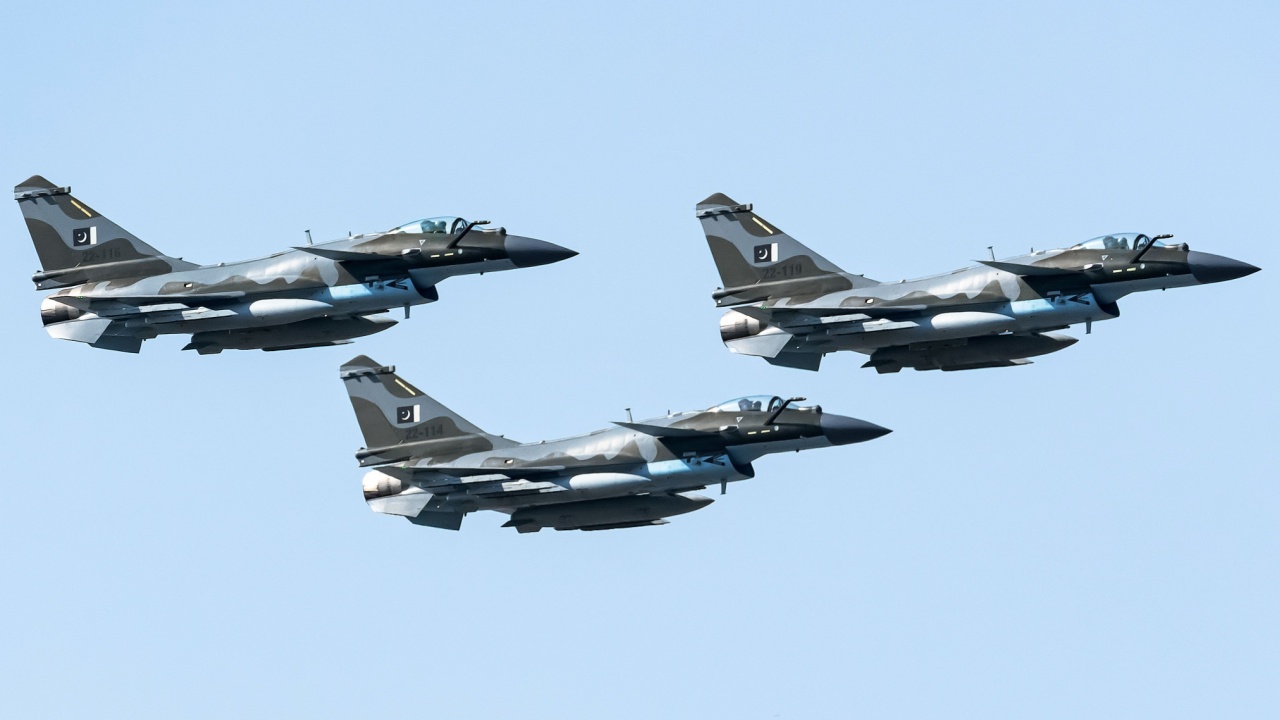
These developments have intensified security cooperation among regional and international actors. The United States and allied naval deployments in the Red Sea, Gulf defence modernisation initiatives, expanding surveillance systems, and strengthened border securitisation frameworks all reflect a broader shift toward security-first regional policy. According to ACLED’s 2025 Conflict Index, the number of global conflicts doubled between 2019 and 2024, while political violence increased by 25 percent in 2024 alone. Simultaneously, SIPRI reported that global military expenditure surpassed $2.4 trillion in 2024, the highest level ever recorded. Even governments traditionally associated with humanitarian commitments increasingly prioritise defence spending. The United Kingdom, for example, reduced overseas aid allocations from 0.5 percent to 0.3 percent of GNI while expanding defence commitments under its revised strategic framework.
This shift should not be interpreted as a rejection of legitimate security concerns. States across the Middle East face genuine threats including maritime insecurity, armed non-state actors, proxy warfare, drone attacks, cross-border escalation, and fragile regional balances. Under such conditions, deterrence and strategic stabilisation are viewed by many governments as necessary instruments of state security rather than optional policy choices.
Yet the growing dominance of security-centred policymaking has also produced an important regional imbalance. While regional security cooperation continues expanding, governance recovery, institutional rebuilding, and reconstruction efforts often receive comparatively less strategic attention.
“Deterrence may contain immediate threats, but it cannot independently rebuild political legitimacy or social recovery.”
The consequences of this imbalance are most visible not in strong regional actors, but in fragile societies where reconstruction and political recovery remain externally managed, fragmented, and deeply contested.
Gaza and the Politics of Reconstruction
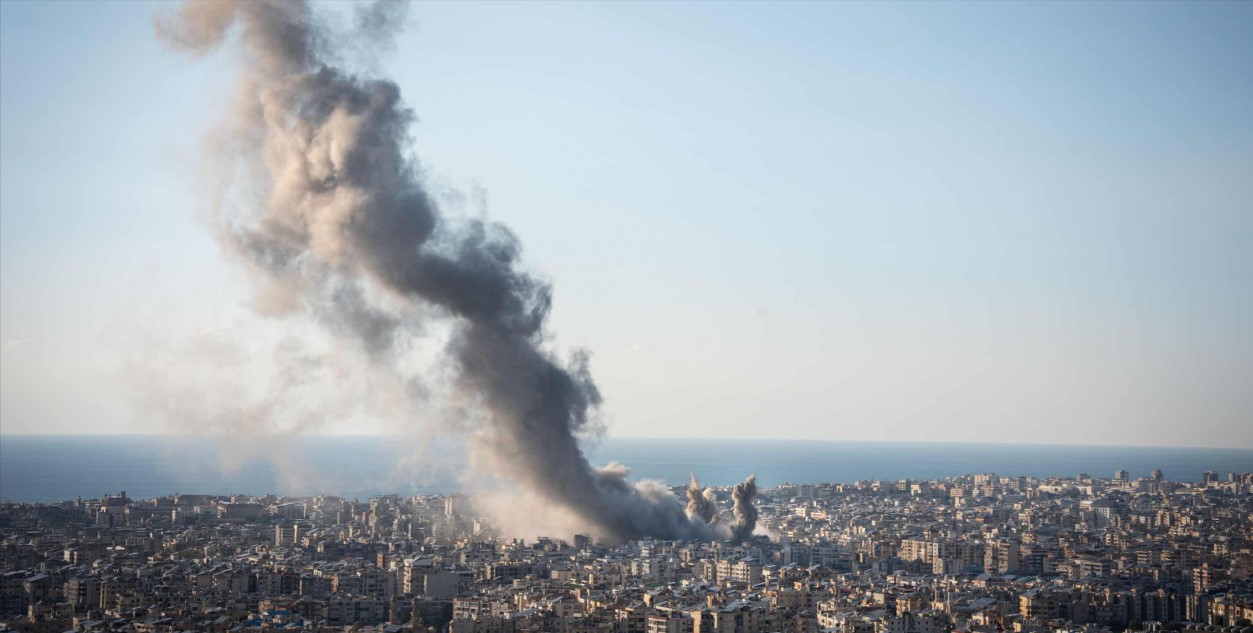
Gaza has increasingly become the clearest example of how reconstruction in the Middle East is shaped not only by humanitarian concerns, but also by geopolitical competition and strategic governance priorities. International discussions surrounding Gaza now focus heavily on ceasefire diplomacy, aid corridors, border administration, reconstruction financing, and post-war governance arrangements. Yet local Palestinian actors particularly civil society organisations operating within Gaza itself remain largely excluded from shaping these processes despite being central to civilian survival and community recovery.
Research from the London School of Economics Centre for Women, Peace and Security highlights that Palestinian civil society organisations continue functioning despite displacement, bombardment, and severe operational restrictions. Women-led organisations in particular have continued providing trauma counselling, legal aid, psychosocial support, humanitarian coordination, educational assistance, and emergency community services even while many of their own staff remain displaced by the conflict. However, these same actors remain significantly underrepresented in formal reconstruction planning and peacebuilding discussions. This exclusion matters because reconstruction is never politically neutral; whoever controls reconstruction also shapes legitimacy, governance priorities, and the future political order. Donors, regional powers, international organisations, and security actors do not merely finance rebuilding efforts they also influence which institutions gain authority, which governance structures receive support, and which political actors become central to post-conflict recovery. Reconstruction therefore becomes both a humanitarian and geopolitical process simultaneously.
The material scale of destruction in Gaza reinforces the urgency of this issue. World Bank assessments described Gaza’s economic collapse as one of the most severe modern economic contractions linked to conflict. UN OCHA estimates documented mass displacement, widespread destruction of civilian infrastructure, collapse of healthcare systems, and severe disruption to basic public services. Yet despite the scale of devastation, debates surrounding Gaza continue to prioritise questions of border management, stabilisation frameworks, and security administration over long-term governance recovery and local political participation.
Gaza therefore illustrates a broader regional dilemma: security management may help contain immediate escalation, but without legitimate reconstruction and meaningful local participation, long-term stability remains fragile.
Fragile Societies and the Crisis of Governance Recovery
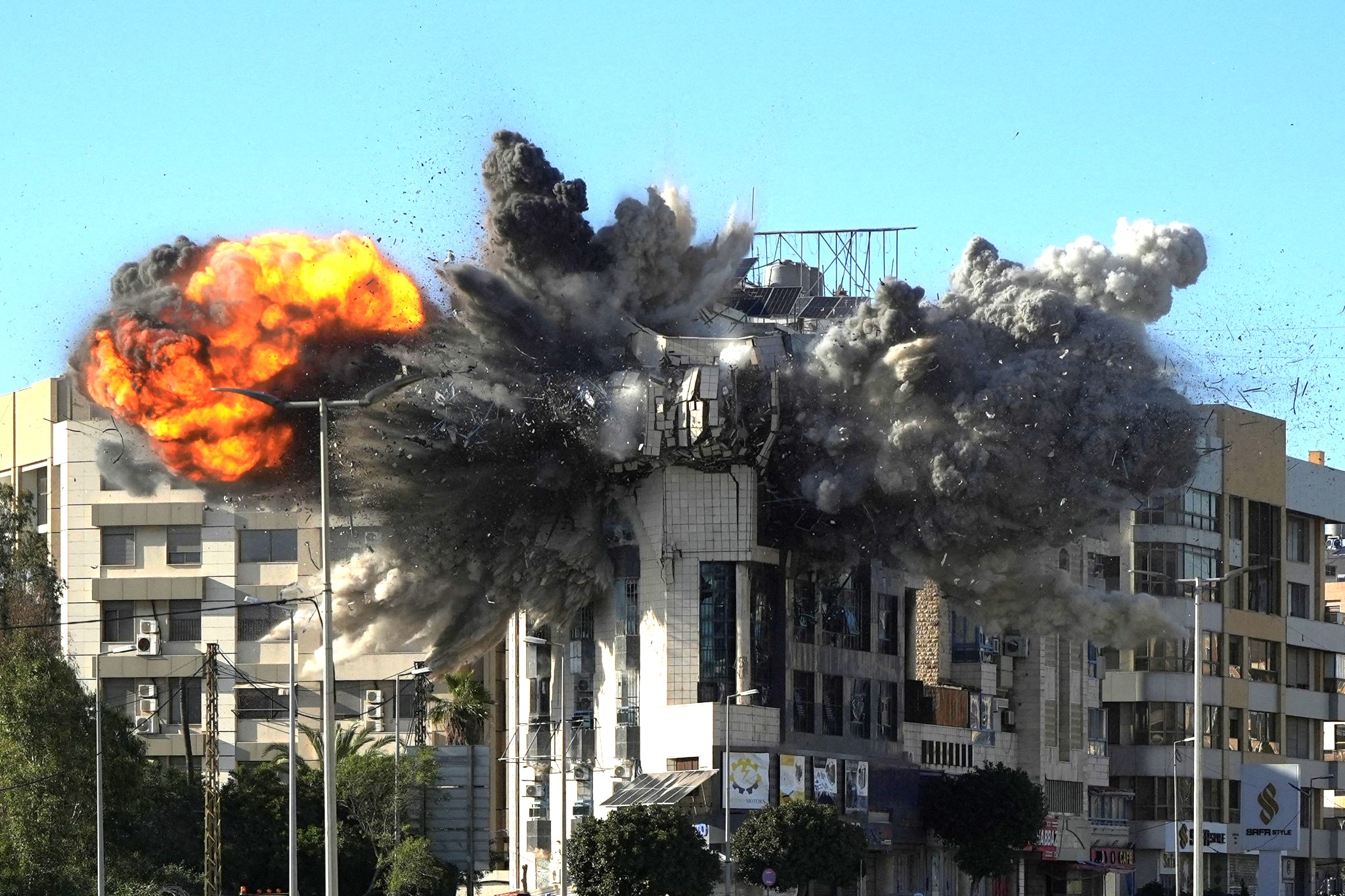
The consequences of security-first regional policy are most visible not among strong security actors, but within fragile post-conflict societies where reconstruction and governance recovery remain incomplete, externally managed, or politically contested. While regional and international actors continue prioritising hard-security responses across the region, societies such as Lebanon, Iraq, Syria, and Gaza continue struggling with institutional collapse, economic fragmentation, weakened public services, and declining political legitimacy. The central problem is therefore not the existence of military responses themselves, but the widening imbalance between security management and governance recovery.
Lebanon demonstrates how prolonged institutional paralysis can gradually transform humanitarian dependency into a substitute for governance itself. Since the financial collapse of 2019, the Lebanese pound lost more than 90 percent of its value, banks imposed severe restrictions on savings withdrawals, and large segments of the population fell into poverty. At the same time, political deadlock and weakened public institutions reduced the state’s capacity to provide basic services including electricity, healthcare, and social protection. International humanitarian agencies increasingly assumed functions traditionally associated with state governance, creating a fragile system heavily dependent on external support rather than institutional recovery.
In Iraq, post-ISIS reconstruction revealed similar limitations. Despite billions of dollars pledged for reconstruction following the territorial defeat of ISIS, governance recovery remained uneven due to corruption, fragmented authority structures, militia influence, and weak institutional trust. Repeated anti-government protests since 2019 reflected public frustration not only with economic hardship and unemployment, but also with the inability of political elites to translate post-conflict reconstruction into accountable governance and reliable public service delivery.
The regional consequences of instability are no longer confined within national borders. In the Red Sea, attacks on commercial shipping routes forced companies to reroute vessels away from the Suez Canal, increasing transportation costs, insurance premiums, and delivery times across global trade networks. International responses focused heavily on naval deterrence and maritime security operations, yet far less attention has been directed toward the political and conflict dynamics sustaining regional instability itself.
The long-term danger is therefore not only continued conflict, but the gradual normalisation of permanent emergency governance across an increasingly fragmented regional order. Without sustained investment in institutional legitimacy, governance capacity, economic recovery, and civilian trust, fragile societies risk remaining trapped in recurring cycles of instability even during periods of military de-escalation.
Stability Without Legitimacy?
The shrinking space for civil society organisations, humanitarian actors, women-led networks, local mediation initiatives, and independent civic institutions increasingly represents not only a humanitarian concern, but also a strategic governance challenge for the region itself. Across conflict-affected environments, these actors frequently sustain forms of social coordination, trauma recovery, humanitarian assistance, and community trust-building that weakened state institutions are often unable to provide during prolonged crises. Yet despite their role in sustaining civilian resilience, many of these organisations now face severe financial and political pressure. UN Women warned in 2025 that nearly half of women-led organisations operating in humanitarian crisis settings could shut down within six months due to deepening aid cuts and funding uncertainty. Simultaneously, the Office of the United Nations High Commissioner for Human Rights warned that reductions in international aid increasingly threaten human rights monitoring systems and civic protection mechanisms globally. The decline of civic participation is also visible within international governance forums themselves.
Research cited in the LSE Centre for Women, Peace and Security policy paper documented a sharp reduction in women civil society briefers participating at the United Nations Security Council between 2021 and 2025, reflecting the shrinking influence of local civic actors within international peace and security discussions.
This matters because durable political order cannot be sustained through deterrence and coercive capacity alone. Military-led stabilisation may reduce immediate risks, but durable political order ultimately depends on trusted institutions, economic recovery, and public legitimacy. Where reconstruction remains externally managed and civic participation weakens, political systems often become increasingly vulnerable to fragmentation, distrust, and recurring instability.
The Middle East therefore does not merely face a crisis of conflict; it faces a crisis of political priorities. As regional and international actors continue investing heavily in strategic stabilisation and deterrence frameworks, reconstruction, governance recovery, and civic resilience risk becoming secondary concerns. Security-first policies may manage escalation in the short term, but without meaningful investment in institutional recovery and legitimate political rebuilding, the region risks producing stability without legitimacy.