




Approaching my 80th birthday, my reflections have shifted from personal accomplishments to understanding the divine wisdom that shapes human destiny. The vigor, enthusiasm, and successes we often attribute solely to our own efforts are, in reality, sustained by faith, resilience, and Tawakkul – complete trust in Almighty Allah. Having witnessed wars, economic upheavals, political instability, personal betrayal and rank ingratitude, one enduring truth remains evident, adversity can never defeat a nation or an individual whose faith remains intact. My love and commitment for Pakistan have only deepened with time.
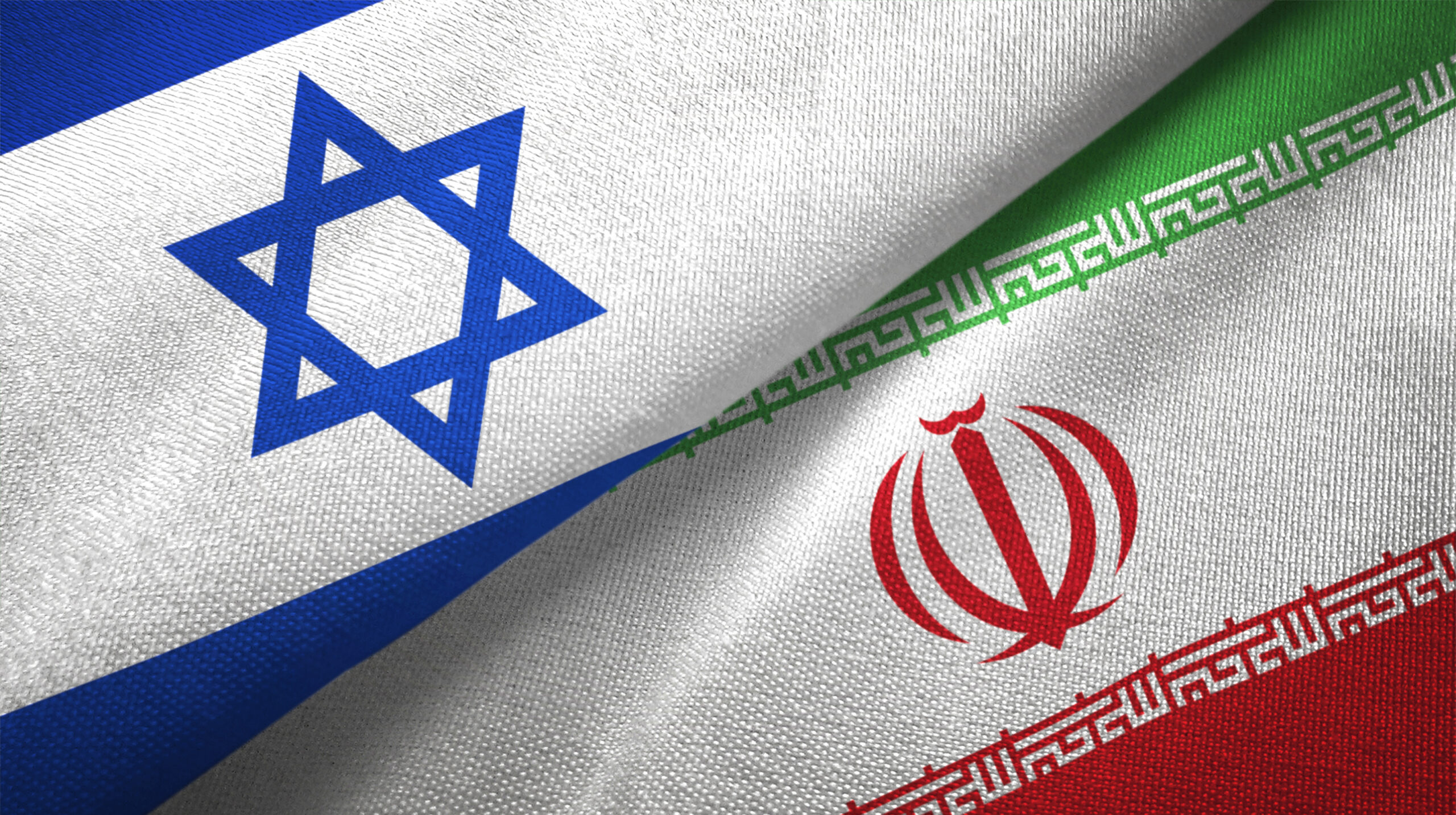
The Middle East crisis, intensifying great-power rivalries, economic fragmentation, and technological disruption, is reshaping the global order at a pace unseen since the Cold War. Conventional warfare itself is evolving into a complex combination of cyber operations, economic coercion, proxy conflicts, information warfare and the advent of artificial intelligence. Nations lacking strategic clarity, economic resilience, and national unity risk irrelevance in the emerging international order.
Amid uncertainties, I remain optimistic about Gen Z’s potential. They possess the confidence and adaptability to drive societal transformation. Courage is not the absence of fear, but the decision to rise above it. Pakistan’s future depends on its youth embracing knowledge and focusing on national reconstruction. Pragmatic engagement replaces historical rigidity.
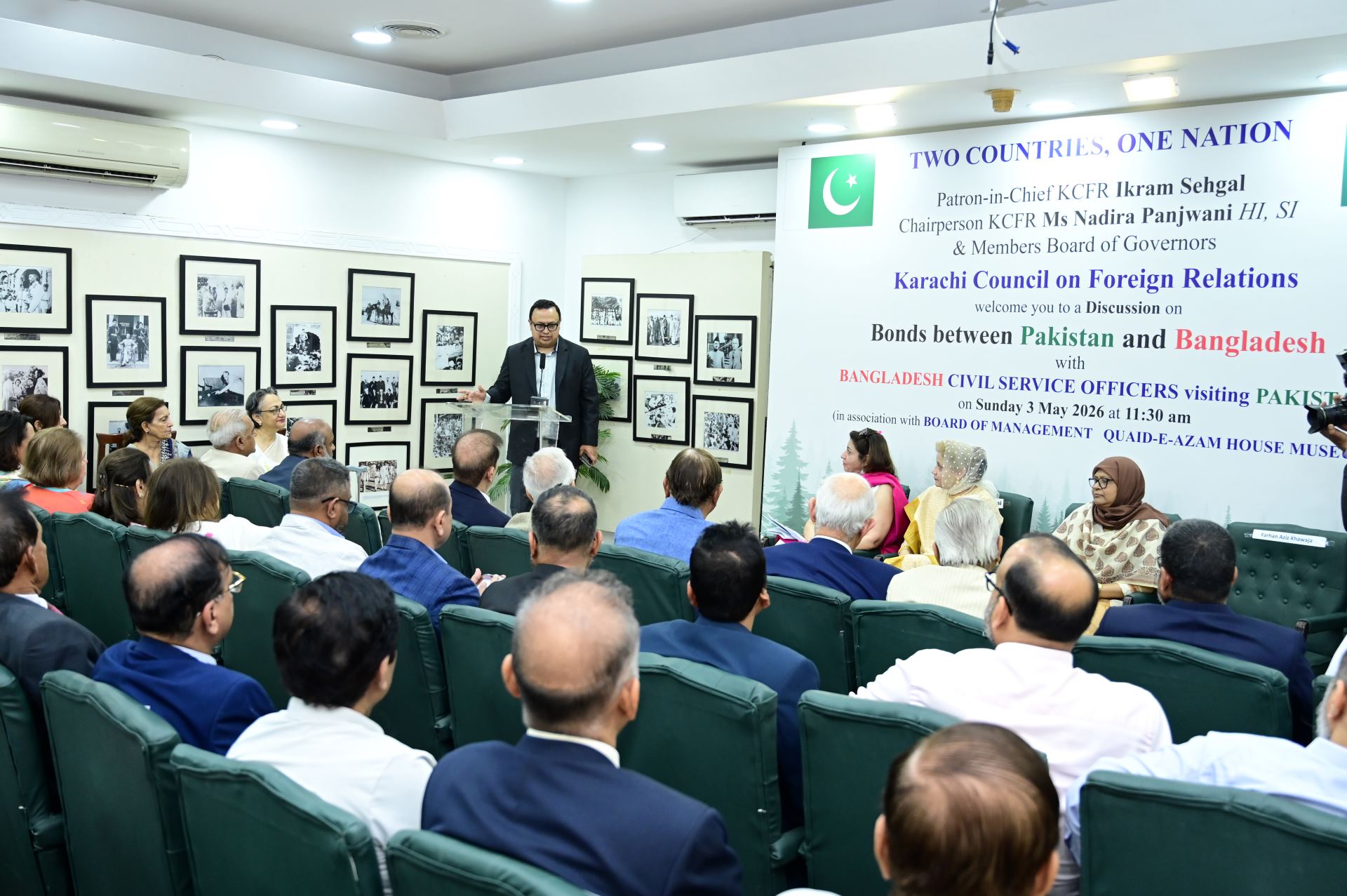
Encouraging developments includethe renewed momentum in relations between Pakistan and Bangladesh. The KCFR dialogue titled “Bonds between Pakistan and Bangladesh,” held at the historic Quaid-e-Azam House Museum, represented far more than a ceremonial diplomatic engagement. I am grateful to Chairperson KCFR, Nadira Panjwani for organizing the dialogue with senior Bangladeshi civil service officers under the Pakistan-Bangladesh Knowledge Corridor initiative. Moderating the event Senior Vice President Dr Huma Baqai made it into a tremendous success. Thanks to the participation of several key figures, including Mohammad Sakib Sadaqat, the Deputy High Commissioner of Bangladesh to Pakistan; Ms Salma Siddiqua Mahtab, Additional Secretary of the Health Services Division of Bangladesh; and Md. Mustafa Jamal Haider, Joint Secretary of the Ministry of Commerce, along with other Bengali bureaucrats, symbolically and strategically, it reflected the growing realization that South Asia’s future cannot remain hostage to the burdens of history or outdated geopolitical assumptions.
As rightly observed by KCFR Chairperson Nadira Panjwani, Pakistan and Bangladesh are gradually entering a phase defined less by the grievances of the past and more by the opportunities of the future. This distinction is critical. More than five decades after separation, the re-engagement of bureaucratic, academic, and policy institutions indicates that both countries increasingly recognize the practical value of cooperation. Bangladesh today stands among South Asia’s most notable economic success stories, particularly in textiles, women’s empowerment, healthcare, microfinance, and export-led industrialization. Pakistan, despite its internal challenges, continues to possess strategic depth, industrial potential, geographic connectivity, and substantial human capital. Cooperation between the two countries is therefore not merely desirable; it is strategically rational.
In my keynote address as Patron-in-Chief KCFR, I emphasized the urgent need to move beyond emotional rhetoric toward practical regional integration. South Asia remains one of the least integrated regions in the world despite housing nearly a quarter of humanity. Political mistrust, protectionism, and geopolitical rivalry have collectively undermined opportunities for economic growth and regional prosperity. Measures such as visa-on-arrival arrangements, no tariffs, Rupee-Taka convertibility, enhanced maritime and air connectivity, and expanded people-to-people exchanges are no longer idealistic, thoughts these are practical propositions. Outlining the mechanisms necessary for regional competitiveness in an era increasingly shaped by economic blocs, connectivity corridors, and integrated regional markets.
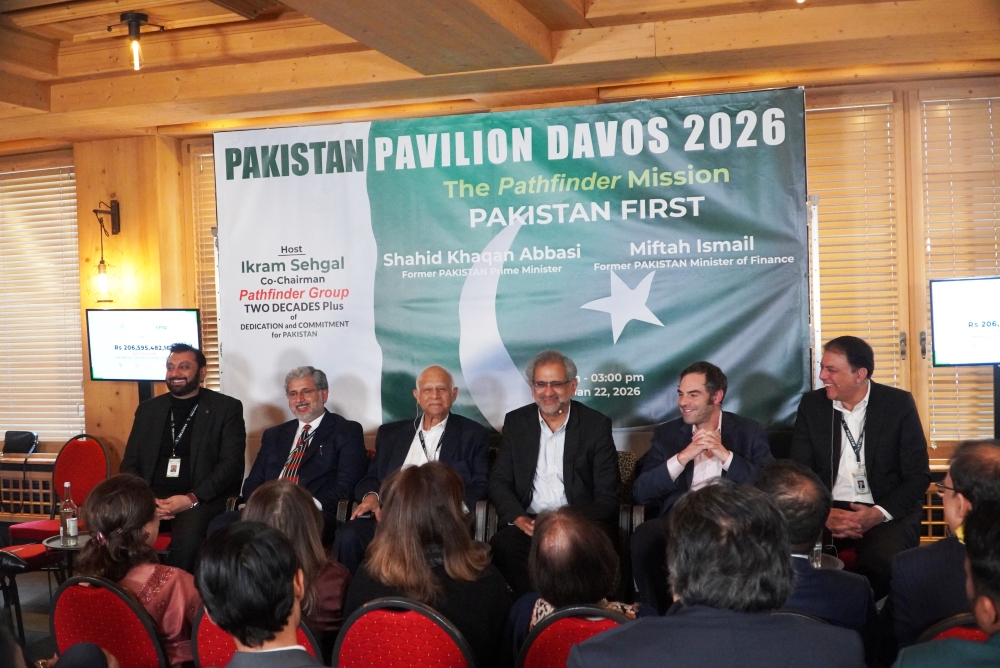
Diplomacy alone cannot secure Pakistan’s future. Economic transformation and technological modernization are equally indispensable pillars of national strength. This reality formed the central thrust of the “Shaping Pakistan’s Future Forum 2026,” hosted by the Pathfinder Group at AmaaniBagh, Islamabad. Forum brought together an impressive gathering of diplomats, policymakers, innovators, entrepreneurs, and technology leaders to deliberate on Pakistan’s trajectory through the prism of innovation, digital transformation, entrepreneurship, and long-term national development. I am deeply grateful to all distinguished speakers, guests, and participants whose thoughtful contributions enriched the discourse. The announcement of the 20 finalists for the CITADEL–COMSTECH Jeddah Startup Challenge 2026, following a rigorous and transparent evaluation process that involved 337 startup applications from 15 OIC countries, was the highlight.
The Chief Guests of the event, Canadian High Commissioner HE Tarik Ali Khan and Ambassador of Switzerland, HE Georg Steiner, spoke eloquently, in their SESSIONS, reflecting continued international confidence in Pakistan’s economic and entrepreneurial potential. Both dignitaries rightly emphasized that in today’s interconnected world, investment flows, technological partnerships, and innovation ecosystems are shaped as much by institutional credibility and policy consistency as by opportunity alone.
Forum reached a clear consensus: Pakistan’s long-term competitiveness hinges on integrating technology, financial inclusion, artificial intelligence, and innovation into its economy. Our discourse has been too focused on short-term fiscal issues; macroeconomic stability alone isn’t enough in today’s digital-driven world. Success now depends on adaptability and rapid transformation, particularly in areas like AI, Blockchain, fintech, and cybersecurity. Pakistan must actively engage in this transformation rather than just observe. The focus on financial inclusion and digital transformation is crucial for Pakistan, as a significant portion of the population is excluded from the formal financial system, hindering economic mobility. Technology-driven financial solutions have the potential to bridge this gap, particularly in rural areas. Additionally, Pakistan’s demographic challenges can turn into advantages through innovation and skills development. Discussions about artificial intelligence and the future of work highlight the urgency for Pakistan. As automation and AI reshape labor markets and governance, the country must prioritize digital literacy, technical training, and innovation-driven education reform to remain competitive in the next two decades.
One of Pakistan’s most enduring strengths is its youth. I was impressed with the intelligent questions of the Gen Z youth during the “Meet the Leader” session hosted by “Global Shapers Pakistan”, (an initiative of the World Economic Forum) in collaboration with Pathfinder CITADEL. The engagement brought together young leaders, entrepreneurs, students, and innovators in a candid exchange on leadership, resilience, and national responsibility. What stood out was not merely youthful optimism, but a growing sense of determination to create opportunity in the face of uncertainty. Despite economic pressures and institutional constraints, Pakistan’s youth continue to demonstrate creativity, resilience, and entrepreneurial drive. The Memorandum of Understanding between Global Shapers Pakistan and Pathfinder CITADEL is, therefore, a timely and encouraging step toward institutionalizing youth empowerment in leadership, education, entrepreneurship, and innovation. I express my gratitude to the organizers, speakers, and young participants whose energy and commitment reaffirm one fundamental truth: no nation can progress without investing in its youth and trusting them with responsibility. For Pakistan, the challenges are real — economic pressure, governance deficits, institutional fragmentation, and regional volatility. Yet the opportunities are equally significant. Its geography links South Asia, Central Asia, the Middle East, and China. Its population is young and increasingly digitally aware. Its entrepreneurial ecosystem, though still evolving, is steadily expanding. And its diplomatic relevance remains intact in an increasingly fragmented global order. It is the right time to shift from reactive governance to long-term planning, integrated strategies, and structural reforms. Investments in education, technology, innovation, and regional connectivity are vital. National strength now encompasses economic resilience, technological adaptability, diplomatic relevance, and social cohesion.
Ikram Sehgal