

A Strategic Pathway for Pakistan’s Economic and Defence Transformation
Abstract
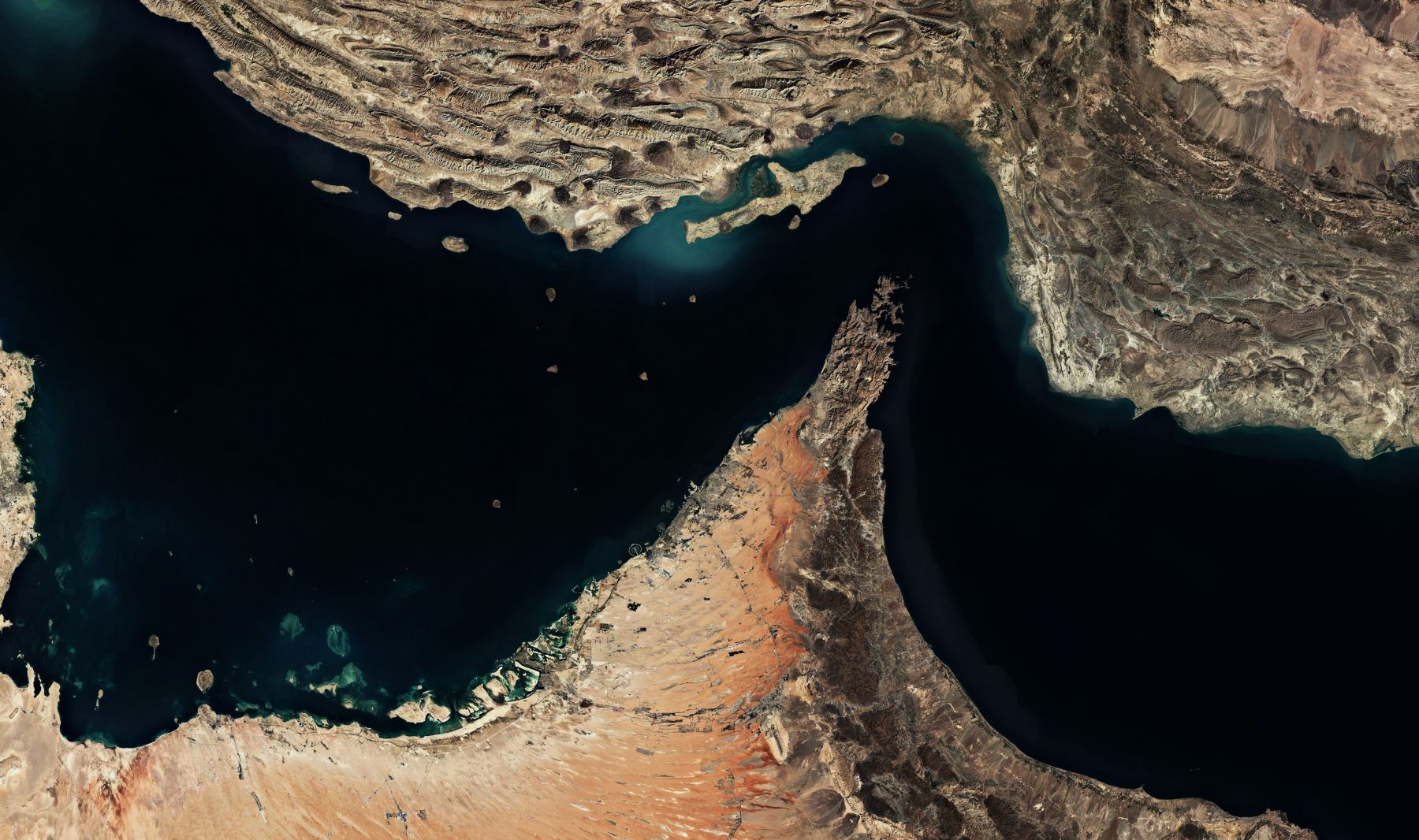
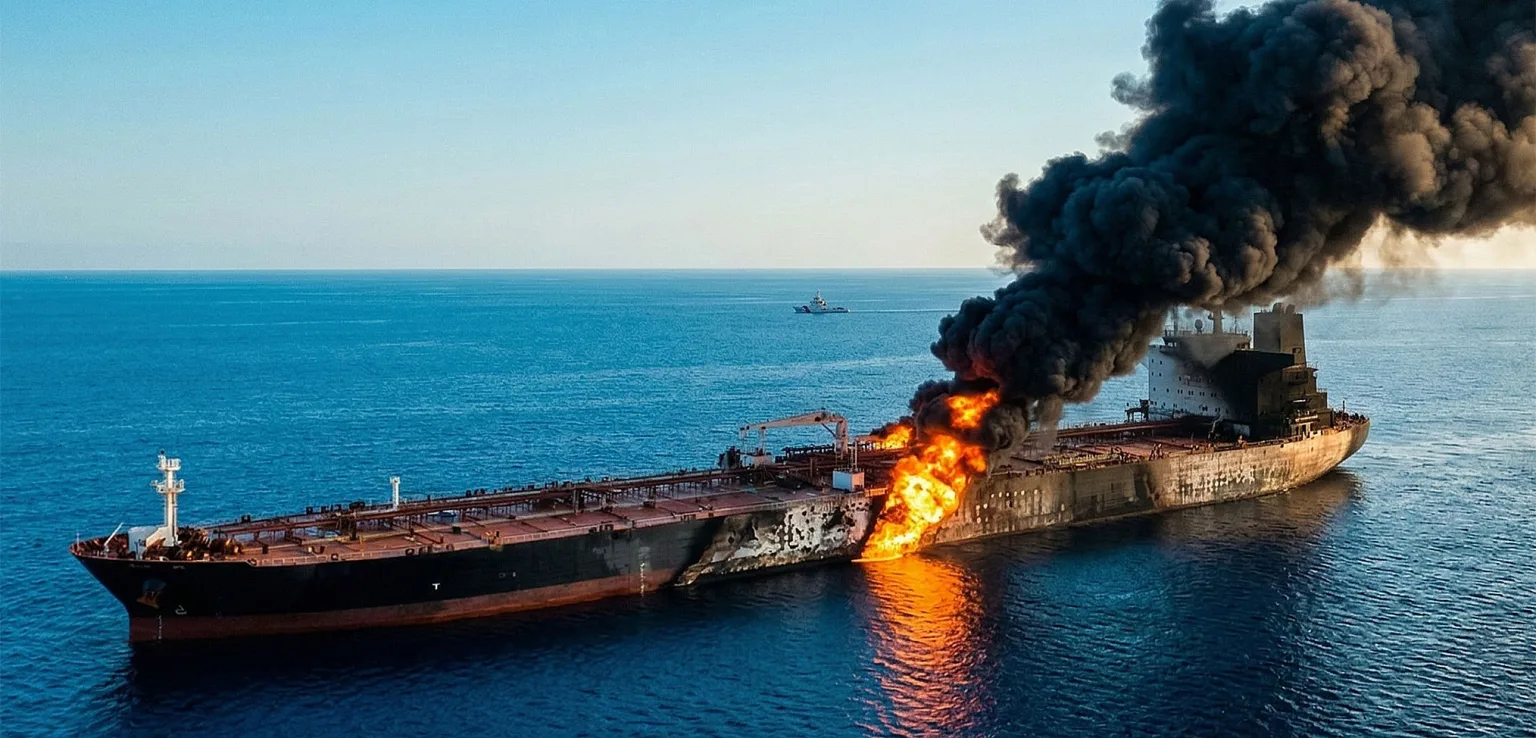
A single missile arcs across the night sky and slams into the Strait of Hormuz. In an instant, the world’s lifeline ruptures. Tankers burn, oil chokes, drinking water vanishes, shelves empty, and markets convulse. By dawn, oil prices have doubled, then tripled. Fuel pumps sputter and die within weeks. Assembly lines fall silent, their machines frozen mid-motion. Trucks sit abandoned on highways, supply chains severed. Fighter jets gleam uselessly under the sun, pilots ready, but wings grounded, starved of fuel. The hum of modern civilization collapses into a hollow silence.
Now imagine another dawn. The grid holds steady. Across Islamabad, Lahore, Faisalabad, and Karachi, rooftops shimmer with solar panels, drinking in the sunlight. As dusk settles, batteries breathe life into the evening peak. Hospitals glow with uninterrupted power, their wards untouched by darkness. Factories slow but do not stop, their engines still turning, their workers still employed. Streets pulse with movement as solar-charged electric vehicles glide through, immune to the oil shock. Fuel reserves, carefully rationed, flow only where they matter most: national defence, critical goods, that is survival.
The chasm between these futures is not fate. It is design. One path leads to paralysis, the other to resilience. The choice is ours to engineer.
Pakistan’s energy sector has been a wound that never heals, bleeding debt that strangles the economy, import bills that drain reserves like a slow haemorrhage, and a nation left exposed to every tremor in West Asia. For decades, the prescription was always the same: build bigger central plants, burn more imported fuel, pray the tankers keep coming.
But the script is changing. Quietly, rooftops are turning into miniature power stations. Sunlight is trapped in batteries, waiting to be released at night. Electric vehicles slip onto the roads, rewriting the rhythm of transport. What once seemed utopian is already happening in silence, block by block, city by city.
This is not a dream; it is an escape hatch. A once-in-a-generation chance to break free. Count every rooftop panel, even the ones never recorded. Retire the lumbering thermal dinosaurs that guzzle imported fuel. Let our dams double as giant natural batteries, crowned with floating solar. By summer 2026, dependence on imported electricity could shrink to a fraction, 16 to 25 percent. Push electrification of transport, cut loose the toxic Power Purchase Agreements, and the chains fall away.
This is not green idealism. It is survival. It is sovereignty. It is the difference between a Pakistan that bends to the will of foreign tankers and a Pakistan that stands unbreakable, powered by its own sun, its own rivers, and its own resilience.
Keywords: Energy Security, National Security, Decentralized Energy, Electric Vehicles, Thermal Plant Retirement, Floating Solar, Pumped Hydro Storage, Pakistan.
Executive Summary
Pakistan’s energy security constitutes national security in the most literal sense. With petroleum reserves currently at only 27 days for petrol and 21 days for diesel, the country remains acutely vulnerable to disruptions at critical chokepoints such as the Strait of Hormuz; now an active theatre in the 2026 regional conflict. Chronic circular debt, heavy reliance on imported fuels, and costly legacy Power Purchase Agreements continue to drain foreign reserves and expose the economy to external shocks.
Yet a powerful escape hatch has opened. A massive, largely unrecorded behind-the-meter (BTM) solar revolution, estimated at 27–33 GW installed capacity by early 2026, has quietly transformed the energy landscape. When fully accounted for, solar already contributes ~18– 22% of electricity during summer months, displacing up to 40–60% of daytime grid demand in industrial hubs such as Lahore, Faisalabad, and Sialkot. Rooftop systems with batteries enable “islanding” during blackouts, while electric vehicles (EVs) powered by domestic solar begin to erode oil’s dominance in transport.
The strategic pathway forward is clear and achievable:
• Accelerate decentralized solar and storage:
Deploy floating solar on major reservoirs (Tarbela, Mangla) to create natural hydro-solar hybrids that act as giant daytime-to-nighttime batteries. Complement with Pumped Hydro Energy Storage (PHES) at existing dams for 8–12 hour gigawatt-scale dispatchability.
• Rationalize the generation fleet:
Retire ~4,800 MW of aging, inefficient thermal plants, delivering PKR 70–119 billion in annual savings on capacity charges and fuel, while surgically exiting unsustainable PPAs through audits and efficiency clauses.
• Electrify transport aggressively:
Implement a 5-year phased ICE phase-out (passenger vehicles by FY2027, mass transit by 2028–29), paired with solar-powered charging infrastructure on motorways and subsidized home solar-plus-battery-EV bundles. This could cut oil imports by 40%+ over a decade, saving $25–30 billion in fuel costs and improving the Current Account Deficit by up to 5.5–7% of GDP at high adoption levels.
• Build resilience layers:
Expand strategic fuel reserves to 45+ days, introduce rationing prioritizing defence and essentials, renegotiate flexible LNG contracts, and diversify routes via Gwadar under CPEC.
Financing is feasible through a blended model: Public-Private Partnerships (40%), concessional multilateral and climate finance (30%), and carbon credits (30%), limiting direct government burden to manageable levels while spurring domestic manufacturing, job creation, and circular economy benefits from vehicle recycling.
By summer 2026, imported electricity dependence can shrink dramatically to 16–25%. By 2035, renewables could form 60–65% of capacity, transport would be largely electrified, and Pakistan would stand sovereign; powered by its sun, rivers, and resolve rather than foreign tankers.
This is not environmental idealism; it is hard-edged survival and sovereignty. Implementing this system-level transformation will heal the energy wound that has long bled the economy, shield against geopolitical shocks, stabilize finances, and lay the foundation for a resilient national renaissance.
1. Introduction: From Energy Crisis to Strategic Opportunity
1.1. The Global Shockwave
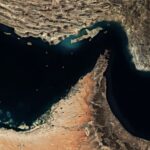
The fragility of global energy is no longer hypothetical; it is unfolding in real time. In March 2026, the Strait of Hormuz, artery for one-fifth of global oil, was slammed shut by the Iran–US/ Israel war. Tankers trapped, convoys halted, the world’s most critical chokepoint reduced to a battlefield.
Simultaneously, Ukrainian drones struck deep into Russia, igniting fires at the Kirishi refinery and crippling export terminals at Ust-Luga and Primorsk. Nearly 40% of Russia’s seaborne oil exports, two million barrels per day, were disrupted overnight, severing the lifeline of the world’s second-largest exporter.
And the danger spreads. The Bab el-Mandeb strait, gateway to the Red Sea and Suez Canal, now faces imminent closure by Houthi forces. Should that artery be severed, another 4 million barrels per day could vanish, global trade reroutes thousands of miles around the Cape of Good Hope, costs skyrocket, and fragile economies buckle.
Energy infrastructure and maritime chokepoints have become battlefields. Oil dependence is no longer an economic liability; it is a strategic vulnerability. For Pakistan, tethered to imported fuel and exposed to every tremor in West Asia, the warning could not be louder.
1.2. Pakistan’s Energy Wound
For decades, Pakistan’s energy sector has been the nation’s most persistent and painful wound; an open sore that never heals, no matter how many bandages are applied. At the heart of this wound lies circular debt, a vicious cycle where unpaid bills pile up across the system, strangling utilities and draining the national treasury.
Layered on top of this is the crushing import bill for oil and gas, which erodes foreign reserves and keeps the country perpetually hostage to external shocks. Each time global prices spike or supply chains falter, Pakistan’s economy bleeds, exposing its dependence on tankers arriving from distant origins.
The reflex response was always the same: build bigger central plants, burn more imported fuel, and hope the tankers kept coming. This model locked the country into dependency, leaving households and industries vulnerable to every tremor in global energy markets.
Yet the script is beginning to change. Rooftops are quietly becoming miniature power stations, capturing sunlight and storing it in batteries to be released at night. Electric vehicles are slipping silently onto the roads, rewriting the rhythm of transport and reducing oil’s grip on mobility. What once seemed utopian is already happening, block by block, city by city. The wound is still raw, but for the first time, Pakistan has the tools to heal it; not through more imports, but through resilience built at home.
1.3. The Escape Hatch
This is not a dream; it is an escape hatch. A once-in-a-generation chance to break free. Count every rooftop panel, even the ones never recorded. Retire the lumbering thermal dinosaurs that guzzle imported fuel. Let our dams double as giant natural batteries, crowned with floating solar. By Summer 2026, dependence on imported electricity could shrink to a fraction, 16 to 25 percent. Push electrification of transport, cut loose the toxic Power Purchase Agreements, and the chains fall away.
A quiet revolution is already underway, not in government corridors but on rooftops and factory floors. In Faisalabad, a textile exporter runs his looms through peak sunlight hours, powered almost entirely by rooftop solar, shielded from tariff shocks. In Karachi, a hospital equipped with hybrid solar and battery storage glows through blackouts, while the surrounding district drowns in darkness. These are not anomalies; they are signals of systemic change. Panels glint across cities, batteries store daylight for the night, and electric vehicles begin to slip silently onto the roads. What once seemed peripheral is converging into a rare strategic opening: the chance to pivot from an import-dependent, centralized model to a decentralized, self-sustaining system. In an era of geopolitical volatility, energy independence is no longer an economic aspiration, it is national security.
The core vulnerability is not just electricity generation; it is fuel dependency and system design. By rationalizing the generation fleet, turning our mighty dams into natural batteries crowned with floating solar, and electrifying transport to cut the oil burden, Pakistan can slash import reliance to 16–25% by Summer 2026. Retire the obsolete thermal dinosaurs, surgically exit suffocating PPAs, and resilience becomes unbreakable.
This is not green idealism. It is survival. It is sovereignty. It is the difference between a Pakistan that bends to the will of foreign tankers, and a Pakistan that stands powered by its own sun, its own rivers, its own resolve.
2. Pakistan’s Electricity Mix: Progress with Persistent Vulnerabilities
2.1. Generation Composition (as of March 2026)
Official utility-scale generation reports (CPPA-G/NEPRA) show solar at 1–3% because they exclude behind-the-meter (BTM) displacement. When every uncounted rooftop panel is included, as it must be for real-world analysis, Solar’s effective contribution surges to ~22% in summer months (Renewables First & TransitionZero estimates). Domestic resources still comprise ~74–78% of the system when measured correctly.
| Fuel Category | Average Effective Share (%) | Local / Import Dependent |
| Hydropower (Hydel) | 23% | |
| Nuclear | 14% | |
| Local Coal (Thar) | 9% | |
| Local Natural Gas | 7% | 78% |
| Grid Wind + Bagasse | 3% | |
| Solar (Utility + Rooftop/BTM) | 22% | |
| Imported RLNG | 11% | |
| Imported Coal | 10% | 22% |
| Imported RFO / HSD | 1% | |
| Total | 100% |
2.2. The Core Vulnerability
Every energy system has weak points, and for Pakistan the vulnerabilities are structural rather than technological. Even as the grid grows greener with solar and hydro, two critical dependencies remain that keep the economy exposed to external shocks.
These vulnerabilities are “core” because they cut across all sectors and cannot be insulated by partial reforms. The first is the reliance on imported fuels to set the marginal price of electricity during peak demand. No matter how much renewable power is added, the cost of imported oil and gas still dictates the price consumers pay when demand surges. The second is transport, which remains almost entirely dependent on oil. Trucks, buses, and motorcycles; the backbone of Pakistan’s economy, run on imported petroleum. This means that even if the lights stay on during a crisis, the movement of goods and people
can grind to a halt. Together, these two knives at the nation’s throat ensure that a single disruption in global oil supply, such as a Hormuz-style blockade, can paralyse the economy despite progress in the power sector.
3. The Solar Revolution: BTM Resilience & Floating Hybrids
Pakistan is in the midst of a remarkable transformation in its energy landscape, one that is unfolding not because of environmental mandates but because of sheer economics. The cost of solar panels has fallen so dramatically that households, businesses, and industries are turning to rooftop solar as the most affordable way to meet their electricity needs. This quiet revolution is happening behind the meter, on rooftops, in factories, and across commercial hubs, reshaping the national energy mix in ways that official statistics often fail to capture.
Unlike traditional power plants, these installations are decentralized, resilient, and consumer-driven. They reduce dependence on imported fuels, empower citizens to generate their own electricity, and create new dynamics where daytime demand is increasingly met outside the grid. When paired with floating solar projects on reservoirs, this distributed revolution is not only greening the grid but also rewriting the rules of energy sovereignty.
Installed capacity has surged to between 27 and 33 GW by early 2026, with projections to reach 35–42 GW by the summer of 2026. Much of this growth is underestimated in official figures, as behind-the-meter (BTM) installations are significantly undercounted. When these are included, the total solar contribution, both grid-connected and distributed, is estimated to provide 18–22% of Pakistan’s electricity mix during summer months.
In industrial hubs such as Lahore, Faisalabad, and Sialkot, rooftop solar is projected to meet 40–60% of daytime demand by summer 2026. This creates periods of “negative grid demand,” where local consumption is so heavily displaced by solar that the grid’s role diminishes, fundamentally altering how imports are calculated and how energy security is managed.
3.1. Behind-the-Meter (BTM) Resilience
Beyond simply adding generation capacity, behind-the-meter solar represents a profound source of resilience for Pakistan’s energy system. Unlike centralized plants that feed power into the national grid, BTM installations, rooftop solar panels paired with hybrid inverters and batteries, give households, businesses, and institutions the ability to operate independently when the grid fails. This “islanding” capability means that during load-shedding or blackouts, homes and industries can disconnect from the grid and continue running on their own solar and stored energy. In practice, this reduces the effective demand on the national grid during crises, easing pressure on the system and keeping critical functions alive.
The implications for essential services are enormous. Hospitals, communication towers, and small and medium enterprises equipped with BTM solar remain operational even during grid collapses, ensuring continuity of healthcare, connectivity, and economic activity. In this way, distributed solar is not just a consumer choice; it becomes a national safeguard.
At scale, the resilience multiplies. When thousands of BTM systems are aggregated, they can be treated as a Virtual Power Plant (VPP). This allows the state to harness distributed batteries as a unified grid asset, providing services such as frequency regulation, peak shaving, and emergency backup without the need to build new centralized power plants. What begins as individual rooftops evolves into a collective stabilizing force, transforming Pakistan’s energy landscape from one of vulnerability to one of distributed strength.
3.2. Floating Solar-Hydro Hybrids
Around the world, countries are experimenting with innovative ways to combine renewable energy sources for maximum efficiency. One of the most promising strategies is the use of floating solar panels on dam reservoirs, known as solar-hydro hybrids. The idea is simple but powerful: solar panels generate electricity during the day, while the dam’s hydro turbines throttle back to conserve water. That saved water is then released at night to generate electricity when solar power is unavailable. In effect, the reservoir becomes a giant natural battery, storing energy in the form of water rather than chemicals. This approach not only provides reliable, round-the-clock renewable power but also reduces evaporation from reservoirs, preserving water for agriculture. For Pakistan, with major dams like Tarbela, Mangla, and Ghazi Barotha, floating solar-hydro hybrids offer a cost-effective, environmentally friendly solution to meet rising energy demand while strengthening water security.
3.3. Hydro-Solar Dispatch Mechanism:
A Natural Battery in Action The genius of floating solar-hydro hybrids lies in how they synchronize two renewable systems to mimic the reliability of a battery. During the daytime, when the sun is at its peak, solar panels floating on the reservoir surface generate abundant electricity. This allows the hydro turbines to throttle back, reducing water flow and conserving the reservoir’s stored potential energy.
Instead of burning through water reserves when solar is plentiful, the system holds back, saving that energy for later.
As evening approaches and solar output naturally declines, the stored water becomes the backup power source. Hydro turbines ramp up their flow, releasing the water conserved during the day to meet the surge in evening demand; precisely when households switch on lights, appliances, and cooling systems.
In this way, the reservoir acts as a giant natural battery: solar energy is captured during the day, while water is stored and dispatched at night, ensuring a seamless supply of electricity without the need for expensive chemical batteries.
This mechanism smooths out the intermittency of solar power, aligning generation with demand cycles. It also maximizes the efficiency of existing infrastructure, since dams already have the capacity to store and release water.
By combining solar’s daytime strength with hydro’s dispatchable flexibility, Pakistan can achieve roundthe-clock renewable power at a fraction of the cost of building new dams or installing large-scale battery banks.
Cost Advantage: Floating solar costs $0.8–1.5 million per MW, compared to $2–6 million per MW for new dam construction. It is 3–5x cheaper than new hydropower.
Environmental Limits: Scientific studies confirm a 40% maximum surface coverage limit to protect aquatic ecosystems (microalgal growth, oxygen levels). Covering even 20% of Tarbela and Mangla could yield 7,500–10,000 MW of capacity.
Water Security: Floating panels reduce evaporation from reservoirs, preserving water for irrigation; a critical co-benefit for agriculture security.
4. Storage & Grid Stability: Pumped Hydro & Modernization
To address the intermittency of solar and wind, Pakistan must invest in Pumped Hydro Energy Storage (PHES). This technology converts existing hydro dams into massive rechargeable batteries.
4.1. Pumped Hydro Energy Storage (PHES)
Pumped Hydro Energy Storage, or PHES, works by using two reservoirs at different altitudes to store and release energy. The upper reservoir is the main dam, such as Tarbela or Mangla, while a newly built lower reservoir sits downstream at a lower height. Linking the two are reversible turbines that serve a dual purpose: they generate electricity when water flows down from the upper reservoir, and they act as pumps when excess electricity is available, pushing water back up.
The daily cycle is simple but powerful. During the morning and midday, when solar generation is at its peak, surplus electricity is used to pump water from the lower reservoir back to the upper one. This “charging” process stores energy in the form of elevated water. As evening approaches and solar power fades, demand rises sharply. At this point, the stored water is released from the upper reservoir, flowing down through the turbines to generate electricity. In this way, PHES provides reliable power exactly when it is needed most, mimicking the function of a giant battery but using water instead of chemicals.
Pakistan’s geography makes pumped hydro storage particularly feasible. Tarbela Dam, with its massive head height, is the prime candidate. By constructing a balancing reservoir near the dam toe or downstream at the Kalabagh interface, Tarbela could unlock between 16 and 42 GWh of storage capacity, depending on design and discharge duration. Mangla Dam offers another strong opportunity by leveraging the river gradient downstream toward Rasul Barrage, with a potential of 8 to 21.6 GWh. Together, these sites could provide up to 63 GWh of long-duration storage, enough to stabilize Pakistan’s grid during peak demand hours and complement large-scale solar deployment.
The advantages are striking. PHES can deliver gigawatt-scale storage lasting 8 to 12 hours, far beyond the capabilities of chemical batteries. Its infrastructure is durable, with a lifespan of 50 to 100 years, making it a cornerstone of long-term energy resilience. By combining solar generation with pumped hydro, Pakistan can achieve round-theclock renewable power at scale, ensuring stability, affordability, and sovereignty in its energy future.
5. Transport Electrification: An Aggressive Roadmap
Electrifying transport is not simply a matter of adopting new technology, it is an urgent economic necessity for Pakistan. At present, the transport sector consumes nearly half of all imported petroleum products, accounting for about a quarter of the national import bill. This dependence on imported fuel exposes the economy to global price shocks, drives inflation, and widens the trade deficit. By shifting to electric mobility powered by domestic energy sources, Pakistan can reduce its vulnerability, stabilize costs, and align itself with the global transition toward cleaner transport. The proposed roadmap is deliberately aggressive, aiming to phase out internal combustion engines within five years and build a solar-powered charging ecosystem that makes electric vehicles accessible to ordinary citizens.
5.1. Proposed Policy: The 5-Year ICE Phase-Out
One of the most decisive steps toward energy sovereignty is breaking Pakistan’s dependence on internal combustion engine (ICE) vehicles. Transport is almost entirely oil-driven, making it the single largest source of vulnerability in the energy system.
A phased ban on ICE vehicles is therefore not just an environmental measure; it is an economic and strategic necessity. The idea is simple: gradually replace oil-dependent cars, buses, and trucks with electric and plug-in hybrid alternatives, while ensuring that the transition builds domestic manufacturing capacity rather than creating new import dependencies. By setting clear timelines, Pakistan can give industry, consumers, and policymakers a predictable roadmap for change, while signalling to investors and manufacturers that the country is serious about electrification.
The policy can begin with a decisive step: by fiscal year 2027, Pakistan could ban the import and manufacturing of passenger vehicles that are not electric or plug-in hybrid. A year or two later, in 2028-29, the same restriction would extend to mass transit vehicles, ensuring that buses and other public transport options are electrified.
To avoid simply replacing fuel imports with technology imports, tax incentives would be tied to local assembly of EVs, batteries, and motors, fostering domestic manufacturing
capacity and creating jobs.
Consumers, meanwhile, would be encouraged to adopt EVs through reduced import duties and taxes, bringing their upfront cost closer to that of conventional vehicles.
This phased approach ensures that the transition is orderly, predictable, and strategically aligned. It reduces oil dependency, builds industrial capability, and positions Pakistan as a participant in the global EV revolution rather than a passive consumer. Over five years, the ICE phase-out would transform transport from a chronic liability into a pillar of resilience.
5.2. Solar-Powered EV Charging Infrastructure
No transition to electric mobility can succeed without a reliable charging backbone. For Pakistan, the challenge is not only to build this infrastructure quickly but to ensure that it is powered sustainably, without simply shifting oil dependency to imported electricity. Solar-powered charging stations offer a uniquely practical solution. By installing solar canopies along Pakistan’s motorways, rest areas can serve a dual purpose: shading vehicles while simultaneously generating clean electricity for fast chargers. Estimates suggest that these rest areas alone could produce 15–25 MW of solar power, enough to support a nationwide charging network for long-distance travel.
At the household level, charging must be made accessible and affordable. Policy would mandate that every EV sold in Pakistan include a basic home charging point within its cost, ensuring that adoption does not stall due to infrastructure gaps. For twoand three-wheeler owners; the largest segment of Pakistan’s transport fleet, low-cost fast charging hubs would be distributed across urban centres, enabling quick turnaround for delivery services, commuters, and small businesses. The government has to carry out a detailed analysis to ensure that the charging cost plus the battery replacement costs remain cheaper than the current fuel cost to the consumers.
Financing mechanisms are central to making this vision viable for middle- and low-middle income families. The revival of the State Bank’s 2% markup loan scheme would allow households to purchase bundled solar-plus-battery packages. A typical package might include a 5 kW rooftop solar system, a 10 kWh battery, and a Level 2 charger, creating a self-sufficient ownership model where families generate their own electricity, store it, and use it to power their vehicles. This not only reduces reliance on the grid but also transforms homes into miniature energy hubs, reinforcing resilience at the household level.
For two- and three-wheeler owners, who form the backbone of Pakistan’s urban transport economy, financing options could be tailored to smaller, more affordable systems. Portable home charging units, compact chargers paired with a modest battery pack, could be offered through micro-loans or lease-to-own schemes, enabling drivers to charge at home without heavy upfront costs. This would democratize access to EV charging, ensuring that resilience is not limited to wealthier households.
In parallel, the government could initiate a vehicle swap-out program, allowing owners of older ICE two- and three-wheelers to trade them in for subsidized electric models. To recover part of the program’s costs, dismantled ICE vehicles could be systematically recycled: steel and aluminum reused in domestic manufacturing, plastics repurposed, and residual components sold into secondary markets. By monetizing recovered materials, the state offsets subsidies while reducing waste, creating a circular economy that links electrification with industrial efficiency.
Together, these measures ensure that electrification is inclusive, affordable, and sustainable; empowering households, small businesses, and commuters while reducing Pakistan’s oil dependency.
By combining motorway solar stations with household charging and urban hubs, Pakistan can build a charging ecosystem that is clean, distributed, and resilient.
This infrastructure ensures that the EV revolution is not just about vehicles; it is about embedding energy sovereignty into everyday life
5.3. Economic Gains: Government and Consumer Benefits over a Decade
The financial case for transport electrification is as compelling as the strategic one. Pakistan currently spends billions of dollars annually on imported petroleum, with the transport sector alone consuming nearly half of these imports.
Over a ten-year period, even modest electrification could save the government upwards of $25–30 billion in avoided fuel imports, assuming oil prices remain at current averages. These savings would directly ease pressure on the trade deficit, strengthen foreign exchange reserves, and reduce vulnerability to global price shocks. At the same time, the government would collect new revenues from domestic electricity sales, EV manufacturing, and charging infrastructure, creating a virtuous cycle of investment and growth.
For consumers, the gains are equally significant. A typical car owner spends far more on petrol than they would on electricity for the same mileage. Over ten years, an average household could save 40–60% on transport costs, amounting to several hundred thousand rupees in disposable income. With solar-powered home charging, the savings multiply: once the upfront cost of panels and batteries is recovered, the marginal cost of driving approaches zero. For two- and three-wheeler owners, the backbone of urban mobility, the shift to electric vehicles could cut daily commuting expenses by half, while reducing exposure to fuel price volatility. Financing schemes such as low-interest loans for solar-plus-battery packages would make these savings accessible to the middle class, ensuring that electrification is not just a luxury but a mainstream economic relief.
5.4. Strategic Alignment with Global Trends
Globally, Pakistan’s roadmap mirrors the momentum seen in leading economies. China is on track for nearly half of new car sales to be electric by 2025, driven by subsidies, local manufacturing, and rapid infrastructure rollout. Europe is expected to surpass petrol and diesel sales by 2028, with strict emissions rules and ICE bans accelerating adoption. India, closer to home, has set ambitious targets to electrify 30% of private cars and 80% of two- and three-wheelers by 2030, supported by tax breaks and subsidies. In contrast, the United States faces delays, with majority EV penetration projected closer to 2039. By adopting an aggressive timeline, Pakistan positions itself alongside the frontrunners, leapfrogging into the clean mobility era rather than lagging behind.
6. Economic Impact: Reducing the Import Bill
Pakistan’s external account is highly sensitive to energy imports, with petroleum and thermal generation forming the backbone of foreign exchange outflows. A decisive shift toward solar-powered electric vehicles and rationalized thermal generation offers not just environmental benefits but profound economic relief. By reducing reliance on imported fuel and inefficient power plants, the country can stabilize its currency, shrink the trade deficit, and redirect billions into domestic investment.
6.1. Direct Benefits of Transport Electrification
Pakistan’s external account is acutely vulnerable to energy imports, with petroleum and thermal generation driving foreign exchange outflows and destabilizing the currency. The aggressive roadmap for transport electrification outlined in Section 6.3 below already demonstrates how billions can be saved by reducing reliance on imported petrol and diesel. When combined with rationalized power generation and solar integration, the economic impact becomes transformative, reshaping both government finances and household budgets.
6.2. Direct Benefits
Transport electrification alone could reduce oil imports by 8–12% within just two years, saving $1.2–1.8 billion annually. Over a decade, the full phase-out of internal combustion engines would cut the national oil import bill by more than 40%, translating into $25–30 billion in avoided fuel imports. These transport savings, detailed below, directly ease pressure on foreign reserves and stabilize the rupee. At the same time, shifting electricity generation toward solar and domestic sources reduces foreign exchange outflows, creating a more resilient external account.
6.3. Thermal Retirement Savings
Beyond transport, phasing out inefficient thermal plants adds another layer of economic relief. Retiring these plants could save PKR 78–119 billion annually in capacity charges and fuel costs. These savings reduce fiscal pressure on the government and free up resources to invest in renewable energy, EV manufacturing, and charging infrastructure.Together with transport electrification, thermal rationalization creates a dual benefit: lower import dependency and cheaper, cleaner electricity for consumers.
6.4. Ten-Year Projection
If fully implemented, Pakistan’s combined strategy, transport electrification, solar-powered charging, and thermal retirement could reduce annual energy imports by $10–12 billion within a decade. This would improve the Current Account Deficit by 5.5–7.0% of GDP, strengthening fiscal stability and reducing reliance on external borrowing. For consumers, the impact is equally profound: households could save 40–60% on transport costs, while enjoying more stable electricity prices and greater energy independence.
| EV Adoption Level | Transport Fuel Import Savings (Annual) | 10-Year Transport Savings | Combined Energy Savings (Transport + Thermal) | Impact on CAD (% of GDP) |
| 20% Adoption | $2.5-3.0 billion | $25-30 billion | $35-40 billion | ~2.5-3.0% |
| 50% Adoption | $6.0-7.0 billion | $60-70 billion | $70-80 billion | ~4.0-5.0% |
| 80% Adoption | $9.5-11.0 billion | $95-110 billion | $105-120 billion | ~5.5-7.0% |
6.6. Financing Pathways for a Weak Economy
The question remains: how can Pakistan, with limited fiscal space, finance such a massive transformation? Several pathways exist:
• Carbon Credits & Climate Finance: Pakistan can leverage international carbon markets and climate funds. Even if traditional carbon credits have weakened, blended climate finance mechanisms under UNFCCC and voluntary markets still offer billions in concessional funding for large-scale EV and renewable projects.
• Multilateral Financing: Long-term, interest-free or very low-interest loans from the World Bank, Asian Development Bank, and other climate-aligned investors can underwrite infrastructure such as solar corridors, EV charging networks, and battery manufacturing.
• Public-Private Partnerships (PPP): Motorway solar charging stations, urban fast-charging hubs, and EV assembly plants can be developed under PPP models, reducing upfront government burden while attracting private capital.
• Domestic Industrial Recycling: A government-led ICE vehicle swap-out program could recover costs by dismantling old vehicles and reusing steel, aluminum, and plastics in domestic manufacturing, creating a circular economy that offsets subsidies.
• Targeted Incentives: Instead of blanket subsidies, Pakistan can tie tax breaks and financing schemes to local assembly and domestic value-addition, ensuring that every rupee spent builds industrial capacity rather than fueling imports.
6.7. Strategic Alignment and Conclusion
The economic gains outlined in this roadmap place Pakistan firmly within the global clean energy transition. China, Europe, and India are already demonstrating how electrification and renewable integration can reshape national economies, and Pakistan now has the opportunity to follow suit. By pursuing an aggressive strategy of transport electrification, solar-powered charging, and thermal retirement, the country not only reduces its import bill but also positions itself as a regional leader in clean mobility and energy resilience.
The combined savings are staggering: billions redirected from fuel imports into domestic investment, industrial growth, and household affordability. Here we have established the transport-specific savings, while the scenario modeling table makes clear that even partial EV adoption delivers billions in relief. At full scale, electrification and energy rationalization could transform Pakistan’s external account by up to 7% of GDP, stabilizing the rupee and reducing reliance on external borrowing.
Crucially, this transformation is not a fiscal impossibility. A blended financing pathway, 40% through Public-Private Partnerships, 30% through concessional loans from institutions such as the World Bank and ADB, and 30% through carbon finance and climate funds, spreads the $30 billion requirement over a decade. This reduces the government’s direct fiscal burden to just $1.8 billion annually, a manageable figure even for a weak economy. PPP models can drive motorway solar corridors and EV assembly plants, concessional loans can underwrite grid modernization, and carbon finance can monetize Pakistan’s emissions reductions. Together, these mechanisms ensure that the roadmap is not only visionary but practical.
In sum, Pakistan’s energy wound, long defined by circular debt and oil dependency, can finally begin to heal. By aligning with global clean energy trends, leveraging innovative financing, and embracing distributed resilience, the country can move from vulnerability to sovereignty. What once seemed utopian is now within reach: a future where households save 40–60% on transport costs, industries thrive on stable electricity, and the nation’s economy is no longer hostage to imported fuel.
7. Rationalizing the Generation Fleet: A Strategic Necessity
Pakistan’s power sector is burdened by a legacy of aging thermal plants that no longer serve the country’s economic or strategic interests. Many of these units operate at low efficiency, consume expensive imported fuels, and lock the government into heavy capacity payment obligations that strain public finances. At the same time, global energy markets are shifting toward renewables, and Pakistan’s domestic solar and hydro resources offer cheaper, cleaner alternatives. Rationalizing the generation fleet by retiring inefficient plants and replacing them with modern solar-plus-storage hybrids, is therefore not just a matter of fiscal prudence but a strategic necessity. It reduces the import bill, strengthens energy independence, and ensures that the grid evolves in line with long-term sustainability and national security goals. This transition must be carefully structured, balancing legal, economic, and geopolitical considerations to deliver maximum benefit without destabilizing supply.
7.1. Candidates for Retirement
Plants meeting the criteria of age greater than 15 years and low efficiency should be prioritized for retirement. Approximately 4,800 MW of aging thermal assets fall into this category. Priority is given to units where the combined cost of fuel and capacity charges exceeds the cost of replacement via solar-plus-storage hybrids. Retiring these plants could deliver annual capacity charge savings of PKR 70–90 billion, freeing fiscal space for investment in renewables and grid modernization.
7.2. Legal Basis for Termination
Legal challenges can be addressed through strict audits of older plants. Many contracts include clauses on efficiency guarantees, environmental compliance, and availability. Where violations are found, contracts can be terminated without punitive exit payments. Precedents establish that take-or-pay clauses are enforceable only if contractual obligations are met, providing a clear legal pathway for retirement. This approach ensures that Pakistan can rationalize its fleet while minimizing litigation risks and financial penalties.
7.3. National Security Dimension
Energy dependency is not merely an economic issue; it is a strategic vulnerability. Reliance on imported fuels exposes Pakistan to external shocks, such as supply disruptions from West Asia conflicts or global price volatility. By reducing dependence on thermal imports and shifting toward domestic solar and hydro resources, Pakistan enhances its geopolitical resilience and shields its economy from external pressures. Rationalizing the generation fleet is therefore a national security imperative, ensuring long-term stability and sovereignty in energy policy.
7.4. Forward-Looking Projection
Retiring inefficient thermal plants is not just about saving PKR 70–90 billion annually; it is about securing Pakistan’s energy future against external shocks and aligning with global sustainability trends. If rationalization proceeds as planned, by 2035 Pakistan could replace nearly all of its aging thermal fleet with solar-plus-storage hybrids and expanded hydro capacity. This would shift the generation mix so that renewables account for 55–65% of installed capacity, with solar and hydro forming the backbone of supply. Such a transformation would reduce oil and gas imports by more than 40%, stabilize the currency, and embed resilience into the grid. In practical terms, households would benefit from lower and more predictable electricity costs, industries would gain from reliable power, and the state would strengthen its fiscal position by redirecting billions from capacity payments into domestic investment.
By combining fiscal relief, legal pathways for contract termination, and a clear national security rationale with a forward-looking projection of a renewable-dominated grid, rationalization becomes more than a policy choice; it becomes the cornerstone of Pakistan’s energy sovereignty.
8. Geopolitical Risk Mitigation: West Asia Conflict Scenario
Pakistan’s energy security is deeply intertwined with the stability of West Asia, a region that serves as the world’s primary oil and gas corridor. Any escalation of conflict in this region—particularly around chokepoints like the Strait of Hormuz, poses a direct threat to Pakistan’s economy, given its heavy reliance on imported fuels. A sudden disruption could trigger fuel shortages, price spikes, and currency instability, amplifying inflationary pressures across the country. Mitigating these risks requires a proactive, multi-layered strategy that combines short-term emergency measures with long term diversification of supply routes and domestic resilience. By building strategic reserves, enforcing demand-side controls, and accelerating infrastructure projects such as Gwadar Port and regional pipelines, Pakistan can shield itself from external shocks and ensure continuity of energy supply even in the face of geopolitical turbulence.
8.1. Strategic Reserves
Pakistan currently maintains petroleum reserves covering approximately 27 days petrol, 21 days diesel. In a conflict scenario, this buffer is insufficient. Expanding reserves to 45+ days would provide critical breathing space, allowing policymakers to manage disruptions without immediate panic in markets or supply chains.
8.2. Fuel Allocation Rationing
In the event of shortages, rationing becomes essential. Priority allocation should be directed toward essential services such as healthcare, food logistics, and defence. Government fleets and non-essential transport would face cuts, ensuring that limited fuel supplies are used where they matter most.
8.3. LNG Flexibility
Pakistan’s LNG contracts must be renegotiated to allow greater flexibility. Options to defer, reroute, or reschedule cargoes would provide resilience against sudden supply shocks. Flexible terms reduce exposure to rigid take-or-pay clauses and allow Pakistan to adapt quickly to shifting global supply chains.
8.4. Demand Reduction
Mandatory work-from-home policies could reduce transport fuel demand by 15–20%, easing pressure on reserves. Similar measures, such as staggered working hours and digitalization of government services, would further cut consumption, demonstrating how behavioural shifts can serve as a strategic buffer in times of crisis.
8.5. Diversification of Import Routes
The most critical long-term measure is diversification. Accelerating the development of Gwadar Port under CPEC provides Pakistan sovereign control over energy logistics, bypassing the Strait of Hormuz. Gwadar’s location, 605 km east of Hormuz, offers a strategic alternative route that reduces exposure to regional chokepoints. Parallel progress on the Iran-Pakistan gas pipeline and TAPI project should be pursued through diplomatic channels, though primary reliance must remain on domestically secured corridors. Together, these initiatives create a diversified energy backbone that strengthens Pakistan’s resilience against geopolitical shocks.
8.6. West Asia Conflict Mitigation: From Vulnerability to Resilience
West Asia’s volatility has always cast a long shadow over Pakistan’s energy security, with every disruption in supply lines threatening both economic stability and national resilience. Yet this vulnerability can be transformed into strength through a multi-layered strategy. Expanding reserves provides a buffer against sudden shocks, rationing fuel ensures that critical sectors remain operational during crises, and renegotiating LNG contracts secures more flexible terms that reduce exposure to global volatility. At the same time, reducing demand through efficiency measures and diversifying import routes spreads risk across multiple channels rather than concentrating it in a single chokepoint.
Taken together, these measures shift Pakistan’s posture from reactive to proactive. Instead of bracing for the next Hormuz-style disruption, the country builds resilience into its energy system, ensuring that even in the face of regional instability, the lights stay on, the economy continues to move, and national security remains intact. This is not merely an economic adjustment but a strategic imperative; one that redefines Pakistan’s energy future as sovereign, stable, and shielded against external shocks.
9. Strategic Enablers: Beyond Generation
Securing Pakistan’s energy future requires more than just reforming generation capacity, it demands a holistic strategy that integrates minerals, water, human capital, diplomacy, and defence. Energy sovereignty is not achieved by electricity alone; it rests on the foundations of resource security, institutional capacity, and geopolitical positioning. As the global energy transition accelerates, countries that control critical minerals, master the water-energy-food nexus, and cultivate skilled human capital will hold decisive advantages. For Pakistan, this means moving beyond generation to build resilience across supply chains, governance, and strategic partnerships. By embedding energy security into every dimension of national planning, from agriculture to defence, the country can ensure long-term stability, reduce vulnerabilities, and position itself as a regional leader in renewable integration and energy innovation.
9.1. Critical Mineral Security
Pakistan must secure the raw materials that underpin the clean energy transition. Domestic lithium deposits in Balochistan should be explored, while strategic reserves of lithium, cobalt, and rare earths must be established to safeguard battery supply chains. Without mineral security, electrification risks replacing fuel dependency with technology dependency.
9.2. Water-Energy-Food Nexus
Energy reform must be coupled with water and food security. Coastal solar and wind farms can be paired with desalination plants, addressing water scarcity while producing clean power. Incentivizing solar-powered precision irrigation reduces reliance on diesel pumps, cutting fuel imports and strengthening agricultural resilience.
9.3. Human Capital Development
Energy sovereignty requires skilled professionals. Integrating energy security into engineering and policy curricula will prepare the next generation of leaders. Establishing Energy Security Fellowships for civil servants ensures that decision-makers are equipped with the technical and strategic knowledge to manage complex energy transitions.
9.4. Diplomatic Energy Strategy
Pakistan should position itself as a regional leader in arid-zone renewable integration. By exporting engineering expertise to Central Asia and the Middle East, Pakistan can build influence, attract investment, and strengthen its role in shaping regional energy policy. Diplomacy must extend beyond trade to include energy partnerships that reinforce sovereignty.
9.5. Defence-Energy Integration
National security and energy security are inseparable. Military bases can serve as pioneers of microgrid technology, demonstrating resilience in the face of grid disruptions. Shared R&D between defence and civilian sectors on energy storage and cyber defence will ensure that Pakistan’s energy infrastructure is both secure and strategically aligned.
9.6. Energy Sovereignty: Beyond Generation Reform
Energy sovereignty is not a single-dimensional goal but a layered national strategy. It requires securing critical minerals to support battery and EV manufacturing, integrating water-energy-food systems to ensure sustainability across sectors, and investing in human capital so that the workforce can drive and maintain the transition. Diplomatic leadership is equally vital, positioning Pakistan as a regional voice in climate negotiations and energy corridors. At the same time, embedding energy resilience into defence strategy ensures that sovereignty is not only economic but also strategic, shielding the nation from external shocks.
Taken together, these measures move Pakistan beyond the narrow lens of generation reform toward a truly sovereign energy future. By weaving minerals, systems integration, human capital, diplomacy, and defence into one coherent framework, Pakistan builds resilience that endures. The outcome is a country no longer defined by vulnerability but by its ability to stand independently in the global energy order; stable, secure, and strategically aligned with long-term sustainability.
10. Implementation Roadmap
Transforming Pakistan’s energy and transport sectors requires not only bold vision but also disciplined execution. The roadmap must be phased, with clear milestones that balance urgency with feasibility. Short-term actions should deliver immediate relief, retiring inefficient plants, incentivizing EV adoption, and piloting renewable projects, while medium-term measures build the infrastructure backbone for storage, grid modernization, and large-scale electrification. Long-term strategies then consolidate these gains, embedding energy sovereignty through domestic manufacturing, recycling, and green hydrogen exports. By sequencing reforms across short, medium, and long horizons, Pakistan can ensure continuity, minimize disruption, and steadily move toward a resilient, sovereign energy future.
10.1. Short Term (1–3 Years)
The immediate priority is to stabilize the system and lay the foundation for transformation. By Q3 2026, audits of inefficient thermal plants must be completed, with retirements initiated by Q4 2026. Renewable pilots should begin with 500 MW of floating solar at Tarbela and Mangla, scaling to 1,500 MW by 2027. Technical feasibility studies for pumped hydro storage at Tarbela’s lower reservoir must be finalized by Q4 2026, while transport reforms advance through duty removals on solar, batteries, and EVs, alongside incentives for two- and three-wheeler electrification. The Phase 1 ICE ban should be announced for FY2027, and the State Bank’s 2% loan scheme revived to finance solar EV charging infrastructure.
10.2. Medium Term (3–7 Years)
The focus shifts to scaling infrastructure and embedding electrification. Battery adoption must expand, charging networks developed, and construction of pumped hydro reservoirs initiated. Public transport fleets, including buses and rail, should be electrified, alongside government vehicles.
By FY2028, the Phase 2 ICE ban must be enforced, covering heavy transport manufacturing and imports. Grid modernization, including smart metering and distributed generation integration, becomes critical. Solar canopies should be deployed across all major motorway rest areas (M-1, M-2, M-3), creating a visible backbone of renewable-powered transport infrastructure.
10.3. Long Term (7–15 Years)
The final horizon consolidates sovereignty. Widespread EV adoption should be achieved, with phased retirement of all inefficient thermal plants. Import dependency for electricity must fall below 15%, while transport oil dependency drops below 50%. Domestic recycling facilities for lithium-ion batteries must be established, securing raw materials and reducing waste. Finally, Pakistan should scale solar and wind capacity for green hydrogen and ammonia production, positioning Gwadar as an export hub for clean fuels and embedding Pakistan within the global energy transition.
10.4. Phased Roadmap: Balancing Action and Resilience
Pakistan’s energy transition cannot be achieved overnight; it requires a carefully sequenced roadmap that balances immediate action with long-term resilience.
Short-term measures deliver quick wins; such as expanding rooftop solar, deploying EV charging hubs, and retiring the most inefficient thermal plants. Medium-term reforms build the backbone of infrastructure, from domestic EV assembly lines to solar-plus-storage corridors and grid modernization.
Long-term strategies then secure sovereignty, embedding resilience through large-scale recycling systems, mineral security, and the development of green hydrogen exports.
This phased approach ensures that every step contributes to a coherent trajectory. Quick wins ease fiscal pressure and build public confidence, infrastructure reforms create the foundation for industrial strength, and long-term strategies anchor Pakistan’s place in the global clean energy order.
By securing minerals, integrating water-energy-food systems, investing in human capital, and embedding resilience into both diplomacy and defence, Pakistan moves beyond piecemeal reforms toward a truly sovereign energy future.
The outcome is a nation that not only stabilizes its economy but also positions itself as a regional leader in sustainability, resilience, and strategic independence.
Epilogue: Pakistan 2035 – A Sovereign Energy Future
By 2035, Pakistan’s energy landscape has been reshaped. Renewables account for 60–65% of installed capacity, with solar-plus-storage and hydro forming the backbone of supply. Transport has undergone a full transformation:
80% of new vehicles are electric, while two- and three-wheelers are almost entirely electrified, cutting oil imports by more than 40%. Domestic industries thrive on recycled materials from retired ICE fleets, while local manufacturing of batteries and EVs anchors economic growth. Pumped hydro reservoirs provide long-duration storage, ensuring round-the-clock stability.
On the geopolitical stage, Pakistan is no longer hostage to tanker routes or fuel shocks. Instead, it exports green hydrogen to regional markets, participates in climate diplomacy as a leader, and secures its defence strategy with energy independence. Households enjoy predictable electricity prices, industries operate with resilience, and the nation stands sovereign—powered by its own resources, aligned with global sustainability, and shielded against external volatility.
Conclusion: A System-Level Transformation
Pakistan stands at a pivotal crossroads in its energy and economic history. The convergence of declining solar costs, affordable battery storage, and the accelerating global adoption of electric vehicles has created the conditions for a fundamental shift. This is not merely an energy transition; it is a systemic transformation that touches every dimension of national life.
By reducing import dependence, Pakistan can stabilize its external account and shield itself from volatile global fuel markets. By strengthening economic stability, it can create fiscal space for investment in human capital and infrastructure. By enhancing national security, it can reduce vulnerability to geopolitical shocks and assert greater sovereignty over its energy future. And by empowering households as energy producers, it can democratize resilience, ensuring that ordinary citizens are not passive consumers but active participants in the country’s independence.
The foundation for this transformation already exists. Pakistan has abundant solar and hydro resources, a growing domestic market for electrification, and the institutional capacity to implement reforms. The challenge now is not technological feasibility but strategic execution. Retiring inefficient assets, leveraging dams for floating solar and pumped storage, and electrifying transport are practical steps that can be taken within the next decade. If supported with coherent, forward-looking policies, this pathway will move Pakistan from chronic vulnerability to structural resilience.
From vulnerability to sovereignty, Pakistan’s energy transformation can become the foundation of a national renaissance… an enduring legacy of resilience, independence, and renewal for generations to come.
References:
- NEPRA State of Industry Reports (2024-2025)
- WAPDA Annual Performance Reports (2025)
- Ministry of Energy (Power Division) Data
- IEEFA Pakistan Energy Finance Analysis (2025-2026)
- CPPA-G Generation Mix Data (FY2025)
- Defence Journal Strategic Archives (Energy Security Series)
- State Bank of Pakistan: Balance of Payments & Fuel Import Data
- World Bank Project Appraisal Document: Ghazi-Barotha Floating Solar (2025)
- International Hydropower Association: Pumped Storage Report (2025)
- International Renewable Energy Agency (IRENA): Floating Solar Guidelines (2025)