

In the aftermath of the 2007-2008 financial crisis, one word became a popular addition to the vocabulary of almost everyone in the world – leverage! This refers to the use of debt or borrowed funds to amplify returns on an investment. Simply put, leverage makes a sweet deal sweeter! It turned out to be one of the prime catalysts of the impending turmoil which engulfed the whole world. A quick extrapolation into international politics suggests that even there, leverage is still king! And is a devastating weapon in the hands of mighty countries alone! Consider.
History is replete with examples of the use of leverage as policy and means to an end
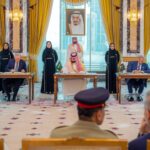
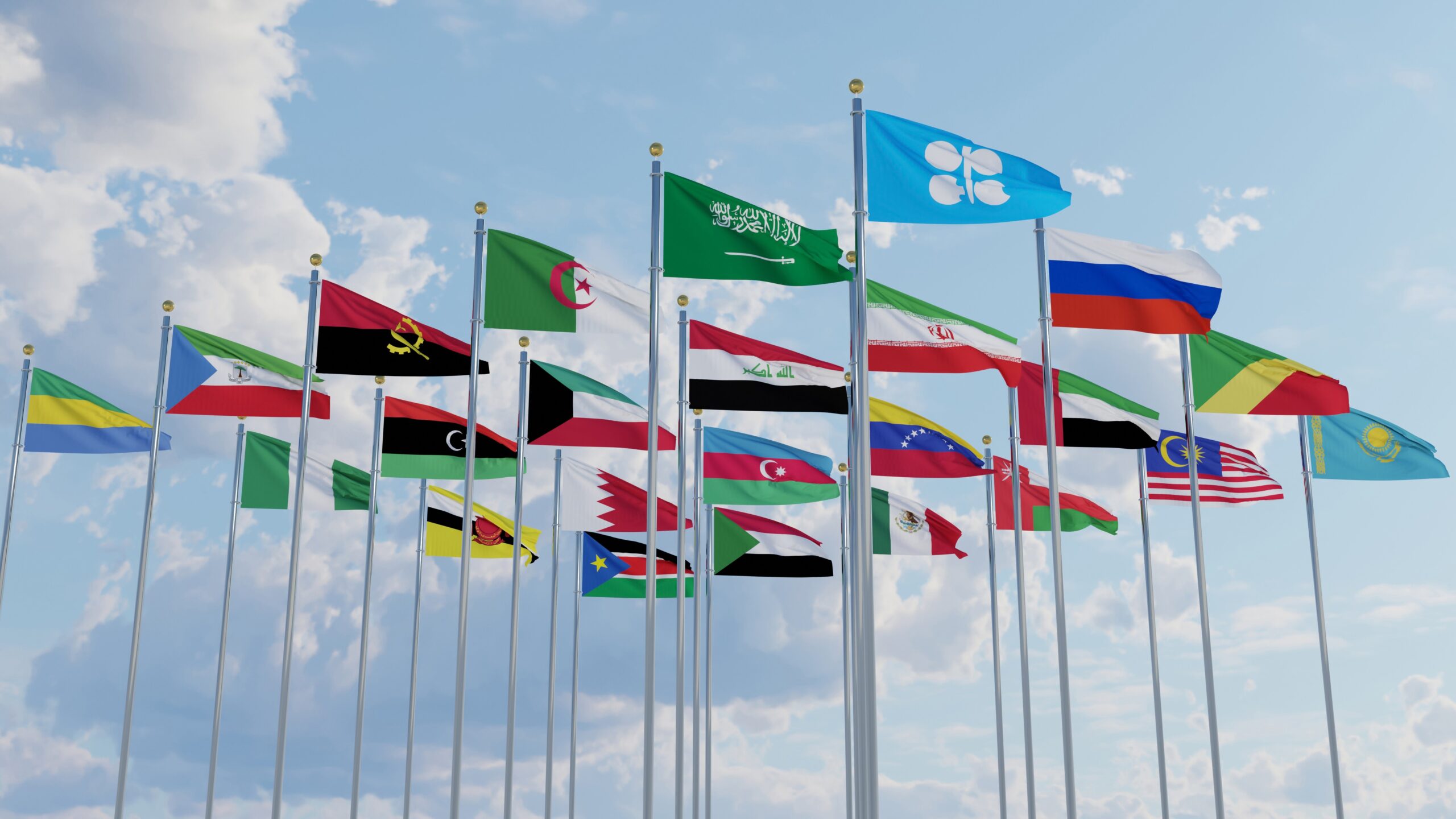
In the 1973 Arab-Israeli war, Arab members of the Organisation of Petroleum Exporting Countries (OPEC) imposed an embargo against the US not only in retaliation to its decision to re-arm the Israeli military but also to gain an upper hand in post-war peace talks. Leverage – oil. The International Monetary Fund (IMF) and World Bank (WB) routinely bail out struggling economies but in-return for political pliancy on behalf of their wealthy donor countries! Leverage – bridging loans. In President Ronald Reagan’s second term, the US sold arms to Iran even when the Islamic country was still under international embargoes. Leverage – superpower clout. In political campaigns all across the world, although financing is seen as cynically but still deemed necessary with a consequent and tacit expectation of doing the bidding of the donors post elections. Leverage – sizeable donations. Not long ago, Saudi Arabia asked Pakistan to return back almost $2B in loans after a diplomatic spat in which Pakistan claimed that the Saudi-led Organisation of Islamic Cooperation (OIC) was dragging its heels on the Kashmir issue! Leverage – loan default. All these examples confirm three notions.
One, morality and principles are first to be sacrificed at the altar of political expediency
Two, there are no permanent friends or enemies in global diplomacy but only permanent national interests. Three, leverage – positive or negative – will be used wherever a stronger country needs to herd the weaker ones into line. While leverage works as a carrot and stick both, it is more of the latter than the former!
In this backdrop where leverage is still the king in international politics, what the mighty can get away with? And what the weak can do? For the wealthy super powers of this world, there isn’t much where they can’t get off scot-free! In the previous Israeli-Palestinian conflict, it was quite obvious to see the support of the world heavyweights in favour of the Jewish state. International media coverage showed a similar bias with Israeli casualties termed ‘killed’ and Palestinian fatalities called ‘deaths’. You see, choosing the correct language also acts as leverage in the hands of closet interests! Whereas, in actuality, each loss of life should be mourned equally! And what about the downtrodden of this world? They can only plead, grovel and request – they can’t demand. And that is the fundamental truth of international politics particularly one which is steeped in leverage. Thus, the weaker nations – especially the ones without any sort of leverage – shouldn’t expect any handouts from the wealthier countries. They will have to make it on their own and should start out quickly on the difficult road to self-reliance, at-least in one or some domains. This will give them somewhat of a chance of not being wronged in the future. And it is not like this hasn’t been done in the past where originally poorer and defeated countries didn’t pick themselves up by their own bootstraps!
After the end of the second World War, Germany and Japan became hallmarks in automobile engineering. In defence production, a nascent US made a name for itself. Using the abundance of cheap labour, Far East and South East Asia excelled in manufacturing and industry. In a hostile region, Israel focused on technology and became a leader in computing and mobile applications. After independence from Malaysia, Singapore – a minnow surrounded by sharks – became the shipping hub for the entire region and ensured its longevity in the comity of nations. Devoid of other appealing options, the UK ramped up its services sector – expressly after surviving two devastating World Wars. The result? Now, all these geographies hold some sort of leverage to further their well-defined national interests in the global arena.
Unfortunately, this is possibly the only way out for nations who are at the bottom rung of the ladder and at the receiving end of leverage. That is,
Develop competencies, excel in some particular domains, create their own space in the world, form dependencies on their exports
Focus on homegrown strengths and finally, define and keep national interests foremost!
“Blessed are the meek, for they will inherit the earth”? The jury is still out on that one!