
Introduction
The Iran nuclear agreement, known as the Joint Comprehensive Plan of Action (JCPOA) marked a pivotal moment in global diplomacy. In return for billions in sanctions relief, Iran agreed to major nuclear limits and increased invasive inspections when the deal was signed in July 2015. Supporters lauded it as a buffer against Iran’s nuclear ambitions, bringing calm to a volatile area. However, the 2018 U.S. exit under President Trump shook its stability. Following these developments, most notably the assassinations of high-profile Iranians in 2020, Iran slowly resumed its nuclear programme. By the year 2023, uranium enrichment had begun to raise concerns on a global scale. A new chapter in this tale may be on the horizon, however, as President Joe Biden has hinted at rejoining the pact, contingent on Iran’s compliance.
Historical Context
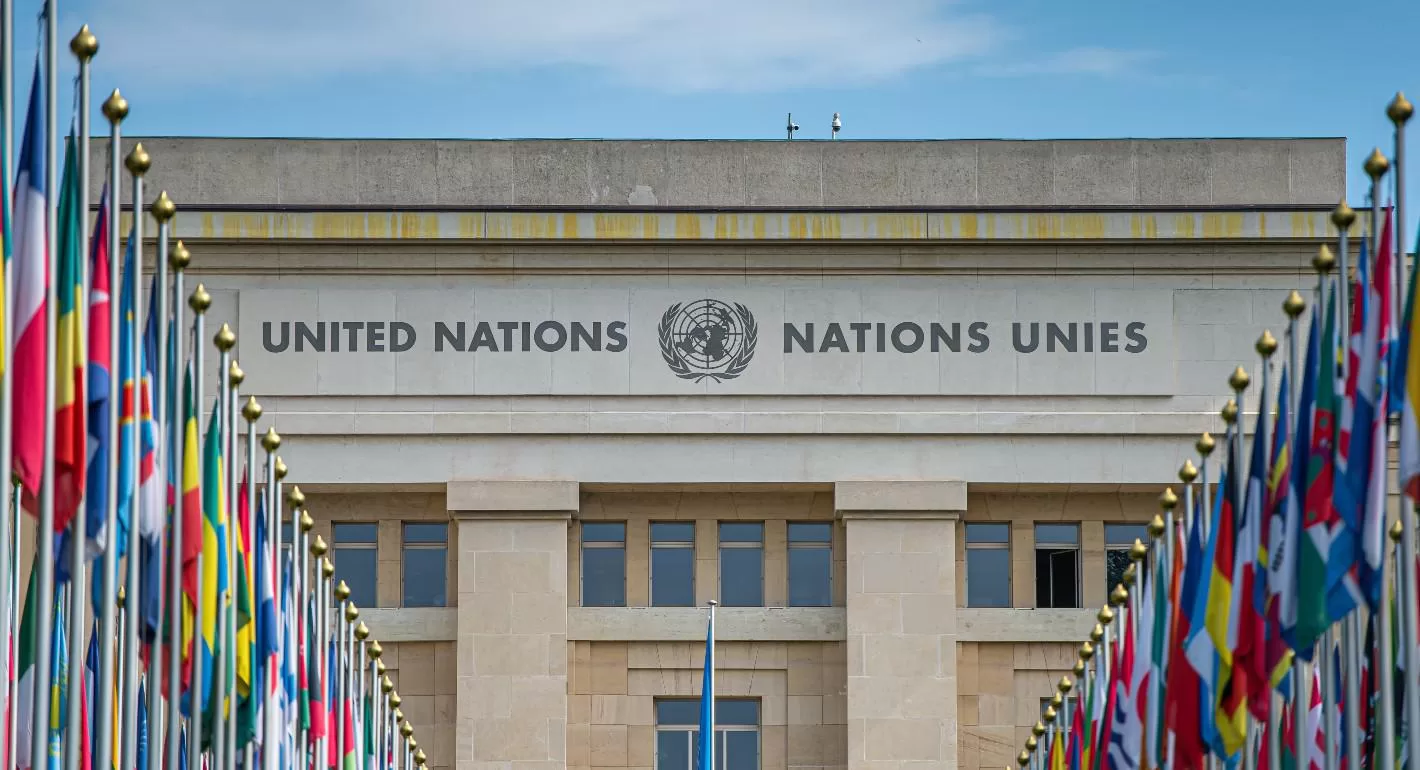
The UN’s interactions with Iran’s nuclear ambitions have been storied. The Security Council passed a total of seven resolutions regarding Iran’s nuclear program. The climax came with the JCPOA in 2015, which the Security Council endorsed via Resolution 2231, lifting most UN sanctions against Iran but retaining some key restrictions. This unanimous resolution on July 20, 2015, was a landmark in the Council’s history.
Earlier, the UNSC’s primary demand had been for Iran to hit pause on its uranium enrichment endeavors. From as early as 2006, the Council pressed Iran for various confidence-building measures, highlighting concerns in its nonbinding presidential statement.
The Resolution’s Impact on Iran
In the wake of the JCPOA, Iran’s nuclear landscape transformed drastically:
• Nuclear Restrictions: The accord put definitive limits on Iran’s nuclear aspirations. Iran pledged not to produce plutonium or highly enriched uranium, potential components of a nuclear weapon. Important nuclear facilities like Fordow, Natanz, and Arak were recalibrated for civilian purposes.
• The accord stipulated clear constraints on the centrifuges Iran could use, the enrichment levels it could achieve, and the size of its enriched uranium stockpile. To provide context, uranium needs a 90% enrichment level to be weapon-grade, a stark contrast to the 3.67% level permitted under the JCPOA.
• Monitoring and Verification: Transparency was central to the JCPOA. Iran consented to allow the International Atomic Energy Agency (IAEA) comprehensive access to its nuclear sites, even potential undeclared ones. These safeguards were to prevent covert nuclear weapon development.
• The IAEA was mandated to issue quarterly updates on Iran’s adherence to the nuclear commitments. The Joint Commission, representing all negotiating parties, was entrusted with overseeing the accord’s implementation, dispute resolution, and ensuring the transfer of specific nuclear or dual-use materials.
How has the deal affected Iran’s economy?
The JCPOA was supposed to save Iran’s faltering economy which had been hit hard by sanctions aimed at the country’s energy industry. After sanctions were lifted, Iran’s exports skyrocketed. This was especially true for oil, agricultural products, and high-end goods. When the JCPOA went into effect, Iran was already exporting over 2.1 million barrels of oil per day, a level not seen since before the imposition of severe oil sanctions in 2012.

Domestic economic benefits, however, were not as dramatic, and ordinary Iranian families did not see any noticeable boost. U.S. sanctions reinstatement in 2018 had a devastating effect on Iran’s oil income, which made up an astounding 80% of the country’s export earnings. In 2020, shipments had dropped to 100,000 barrels per day, with a minor uptick by 2022 due to sales to China.
The financial difficulties continued to pile up. The value of the rial versus the dollar plummeted in October 2022 when the United States imposed sanctions on major Iranian banks. The economic problems have been exacerbated by sweeping U.S. sanctions that have little to do with the nuclear agenda. Companies from other countries were reluctant to do business with Iran for fear of retaliation from the United States, especially from the powerful Islamic Revolutionary Guard Corps (IRGC). As a result of this void, black marketplaces sprang up, enriching the IRGC at the expense of the legal economy.
The Expiry: Immediate Ramifications
Resolution 2231’s expiration isn’t just a date on a calendar. It is the result of protracted talks, calculated risks, and erratic geopolitics over many years. There are numerous immediate effects. In the case of Iran, the expiration may be interpreted as a sign of the nation’s fortitude and a symbolic win. The situation is more complicated from the outside. Iran’s neighbours in the area, particularly countries like Saudi Arabia and Israel, are probably going to view the expiry as a change in the balance of power in the region. Accelerated arms races and heightened tensions within the region could result from this.
Iran’s “Rising Crescendo”
The future of Iran after Resolution 2231 seems to be uncertain. The younger generation in Iran is particularly patriotic and wants to see their country regain its former prominence in the Middle East. This mindset motivates investments in Iran’s defence, technology, and energy industries so that the country can show off its might and autonomy. Tehran appears to be taking a more strategic approach on the international stage. There is a significant effort to mend fences with European superpowers in addition to more traditional allies like Russia and China.

Global Response and Future Predictions
The entire world is understandably on edge. Despite its cautious optimism, the United States is expected to continue monitoring Iran’s nuclear programmes to ensure that any progress made is used only for peaceful reasons. Having spent much in the JCPOA, the EU may seek further diplomatic engagement with Iran in an effort to keep Tehran aligned with the agreement’s spirit, if not the language. Russia and China may strengthen commercial and defence ties with Iran in order to secure a strategic presence in the area if they see an opening. There is no doubt that a new geopolitical dance is developing, and that all major powers want to participate.
Iran’s neighbours continue to be a wild card. Israel, Saudi Arabia, and the United Arab Emirates will all be watching Iran’s every move with suspicion as its power grows. If Tehran decides to pursue nuclear weapons again, it might set off a chain reaction that leads to a rise in regional militarism.
Conclusion
The narrative behind the United Nations’ resolution pertaining to Iran serves as a poignant illustration of the intricate dynamics inherent in the realm of international affairs. As Iran’s aspirations become more pronounced following the Joint Comprehensive Plan of Action (JCPOA), its trajectory will either align with the international community’s objectives or deviate from them, perhaps causing dissonance. The forthcoming years hold significant importance, not just for Iran but also for the maintenance of world peace and stability. The accurate assessment of the JCPOA and the subsequent period following its settlement can only be determined with the passage of time.