
Dear Readers,
Pakistan established relations with Afghanistan immediately after its independence in 1947 but because of issues related to the Durand Line the relations started deteriorating. Later in the 1970s due to the Soviet-Afghan war and then the Taliban insurgency after 9/11, relations soured up. In the recent past too there have been plenty of ups and downs. After President Ashraf Ghani assumed office a marked improvement in Pak-Afghan relations was seen; later interaction at various levels between the two countries helped promote bonhomie and cooperation. This proved to be short-lived due to a number of developments that cast a shadow over reconciliation efforts i.e. shrinking writ of the Afghan govt, a strong anti-Pakistan lobby within Afghanistan, revelation about the death of Mullah Omar, unprecedented institutional corruption, etc. After a series of deadly Taliban attacks in Kabul in August Ashraf Ghani openly blamed Pakistan, accusing it of being the source of the violence.
With the Taliban becoming more aggressive and NATO pulling its combat troops from Afghanistan the situation has become perilous. Kunduz signals the likelihood of Afghanistan drifting into unending conflict especially in the wake of increased attacks on govt installations and the Taliban’s offensive to capture Afghan cities. The added pressure of the IS in the shape of the Islamic Movement of Uzbekistan adds to the uncertainty and once all the foreign troops depart, the problem may well spiral out of control giving rise to a bloody struggle for ascendancy among the different players fighting the Afghan govt and also amongst themselves. Afghanistan may have had a few bad experiences but it would do well to not shun the olive branch Pakistan has offered it because the recent friendly overtures emanate not just from the civilian side but also have the blessing of the Pakistan Army. For the benefit of readers I am reproducing my article titled “AFGHANISTAN SECURITY”.
Kunduz has shown in stark relief that Afghanistan may be in the process of a meltdown, the virtual dissolution of what has been achieved at great cost and effort by a US-led coalition over a dozen year. This disintegration would be a dangerous threat to the stability of its region and its security. Therefore US President Obama’s decision to delay the withdrawal of all US forces post 2016 is a positive initiative for the future of Afghanistan. This decisive measure will impact stability positively in a strategic but very dangerous region of the world. This new found Obama propensity of making the courageous choices will go a long way in protecting the enormous investment and sacrifice that has been made. The caveat is whether the Afghan govt is committed to change.
The Atlantic Council in its ”Afghanistan and US Security” Report rhetorically asked whether fourteen years after the September 11, 2001 attacks, does Afghanistan still matter enough to justify continuation of personal sacrifice and financial, political, military and intelligence investment? One can not deny that continued engagement along with a sustained counterterrorism partnership with intelligence and military cooperation will counter the terrorist threat in the region. This long-term, multilateral, and multifaceted strategy will effectively counter violent extremism and the terror it spawns.
The US strategic goal to disrupt, dismantle, and defeat al-Qaeda and Taliban in Afghanistan, and to prevent them using Pakistan as a safe haven, requires Afghanistan to contribute to security and stability for itself by opposing and confronting Taliban terrorism by actively disrupting and degrading the threat. The threat from al-Qaeda and its affiliates in Afghanistan and Pakistan has morphed into a threat from a network of terror groups in the region and beyond. While the aim should be to defeat al-Qaeda or Daesh the need is to develop and implement a long term strategy to eliminate the extreme violent ideology and the distorted lslamist fundamentalism manifest in promoting and sustaining al-Qaeda, Daesh, etc. With the threat long term and generational, a multilateral effort is required from many countries in the region, China, Russia, Iran, Saudi Arabia and Pakistan included.
During his visit to the US, Afghan President Mohammad Ashraf Ghani described a “new ecology of terrorism” threatening the state system of South and West Asia, China and Central Asia. He said it was the responsibility of the Islamic world to challenge this phenomenon and counter extremism, where it could be contained and ultimately defeated. Afghanistan’s “National Unity Govt” needs to perform, and demonstrate achievement to its own people and the international community, it cannot blame others for their own shortcomings. It must continue and accelerate the process of achieving self-reliance, particularly as the role of the international community gradually recedes. Even mature democracies have difficulty in making coalition govts function, Afghanistan faces severe challenges, but it is in political and practical terms that Afghanistan’s friends see progress made on the security, economic, political, and reform agendas that the govt has outlined. To see whether Afghanistan still worthy of political, financial, and military commitment and worthy of US and international support, that will be critical

The US strategic goal was to get US forces out of their combat role and to transfer responsibility for security to the Afghans. For the past two years US forces were mostly engaged in training and assistance, force protection, and counterterrorism. However as Kunduz has shown this has not succeeded, Afghan forces could not meet the challenge of poring their counter-terrorism capabilities. The fighting this year has been difficult, the Taliban pressing hard against the new govt to see if they can sustain the challenge after the International Security Assistance Forces (ISAF) ended their mission by end 2014. Unfortunately there are huge gaps. In their capability in intelligence, close air support, special operations/counterterrorism, and command and control, the ANSF needs continued assistance to provide needed capabilities.
Kunduz has shown that further withdrawal of US forces would leave those gaps unfilled and Afghanistan at grave risk. The military provides critical support for US intelligence capabilities carrying out vital Counter Terrorism (CT) operations supporting the Afghan’s own CT efforts. The decline of US CT operations, would have important implications given the need for direct and indirection protection against terror attacks. In the end Obama listened to his military planners that the threat was too great, and the uncertainties of future developments too extreme, to end the American presence.
The subsequent struggle in Kunduz by the ANSF to regain control of the city only demonstrates the difficulty of providing security throughout the country – as well as the ANSF ability to respond. The requirement is for an effective, integrated political and security leadership, as well as coordination on the ground, and in the field. Assessing the shortcomings that contributed to Kunduz, one must apply the lessons learned. The Taliban mocking mantra, “The Americans have the watches, but we have the time” must be countered. They need to see plainly that their campaign will not prevail, because the mass public hatred for Taliban terror will ultimately defeat it.
The Pakistani govt understands the threat of extremism to both Pakistan and Afghanistan, while the Haqqanis and al-Qaeda have aligned with the new Taliban Leader Mullah Mansour, and it seems with Daesh, the need to generate economic activity urgently is almost as vital to success. Lack of clarity about the way ahead for Afghanistan impedes economic activity. Urgent steps are needed to jump, start the economy. Concrete steps must demonstrate the implementation of the government’s “Realizing Self-Reliance” strategy by improving the country’s business climate, invigorating the private sector and entrepreneurship, making the commercial legal. environment predictable, and attacking the corruption that impedes economic activity.
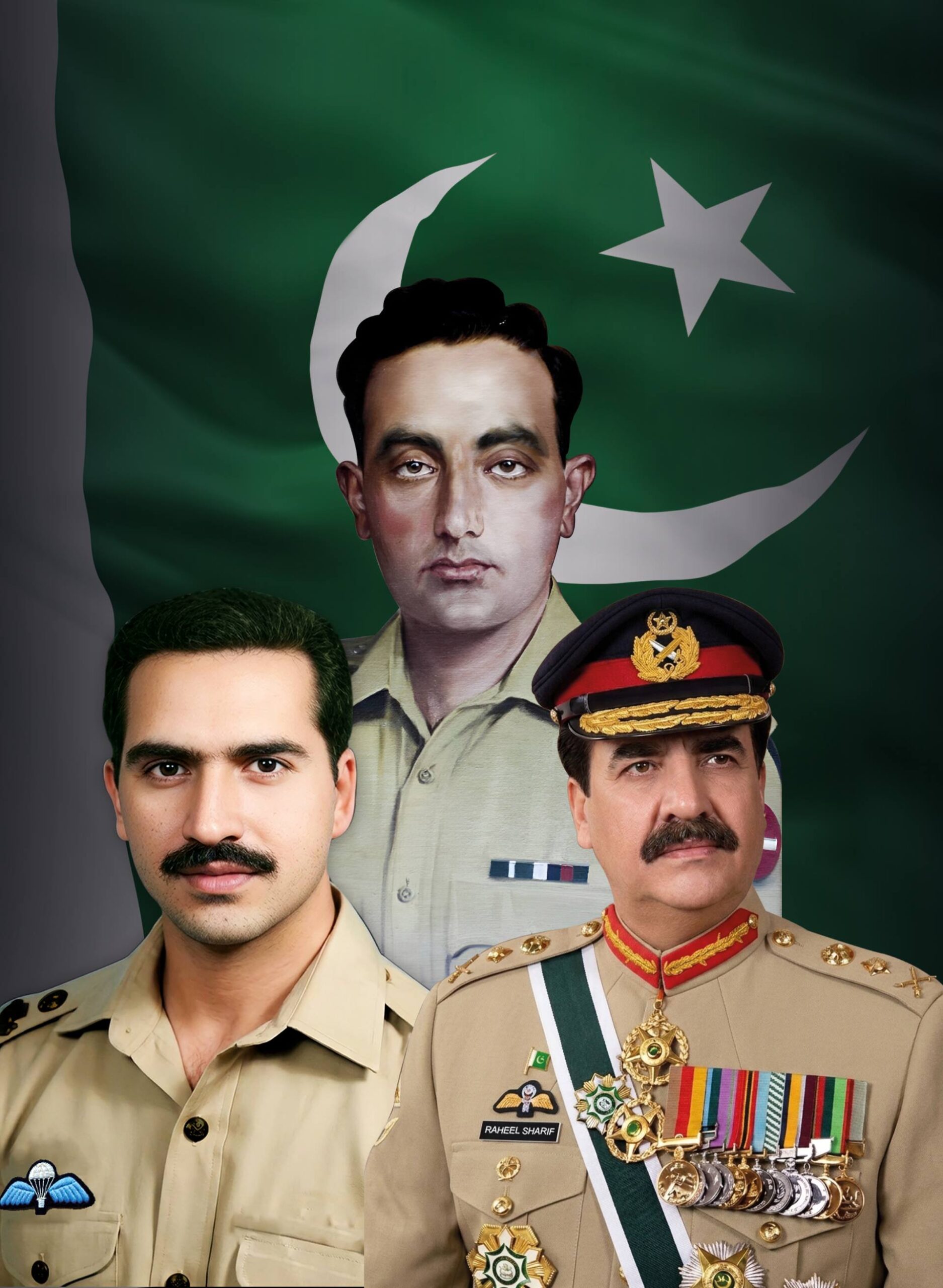
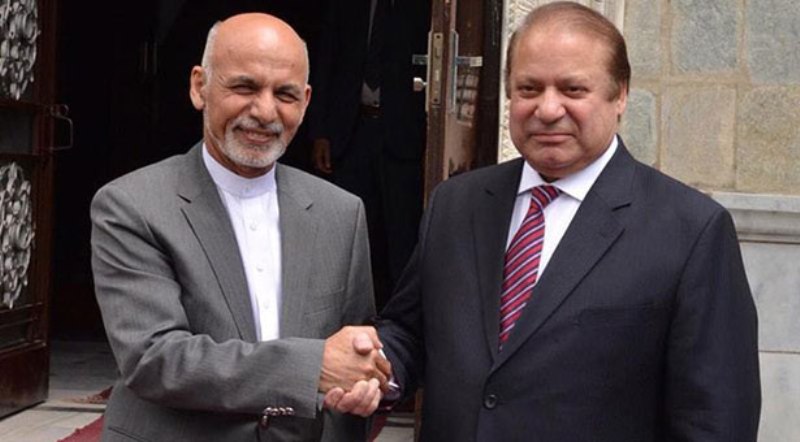
During a February, 2015 visit to Kabul, Pakistan’s Chief of Army Staff General Raheel Sharif declared “enemies of Afghanistan are the enemies of Pakistan”. Prime Minister Nawaz Sharif repeated in Kabul in May that ‘Afghanistan’s enemies will be treated as Pakistan’s enemies.” Even though Pakistan- is following through with concrete action the mood in the US, assiduously stoked by those that stood to profit from the region remaining in turmoil, blame Pakistan for all the reverses. Figments of imagination like “Pakistani operative was directing operations from the MSF Hospital in Kunduz” are both unfair and unhelpful. It hurts that the tremendous sacrifices by the Pakistani public and the Pakistan Army are not only ignored but very deliberately glossed over. There will be no peace in Afghanistan without Pakistan continuing to support the process. The Afghans need to get used to it! (Part of a talk given at a Panel Divisions the Atlantic Council, Wash DC, USA on Mon Oct 19, 2015).