



Context
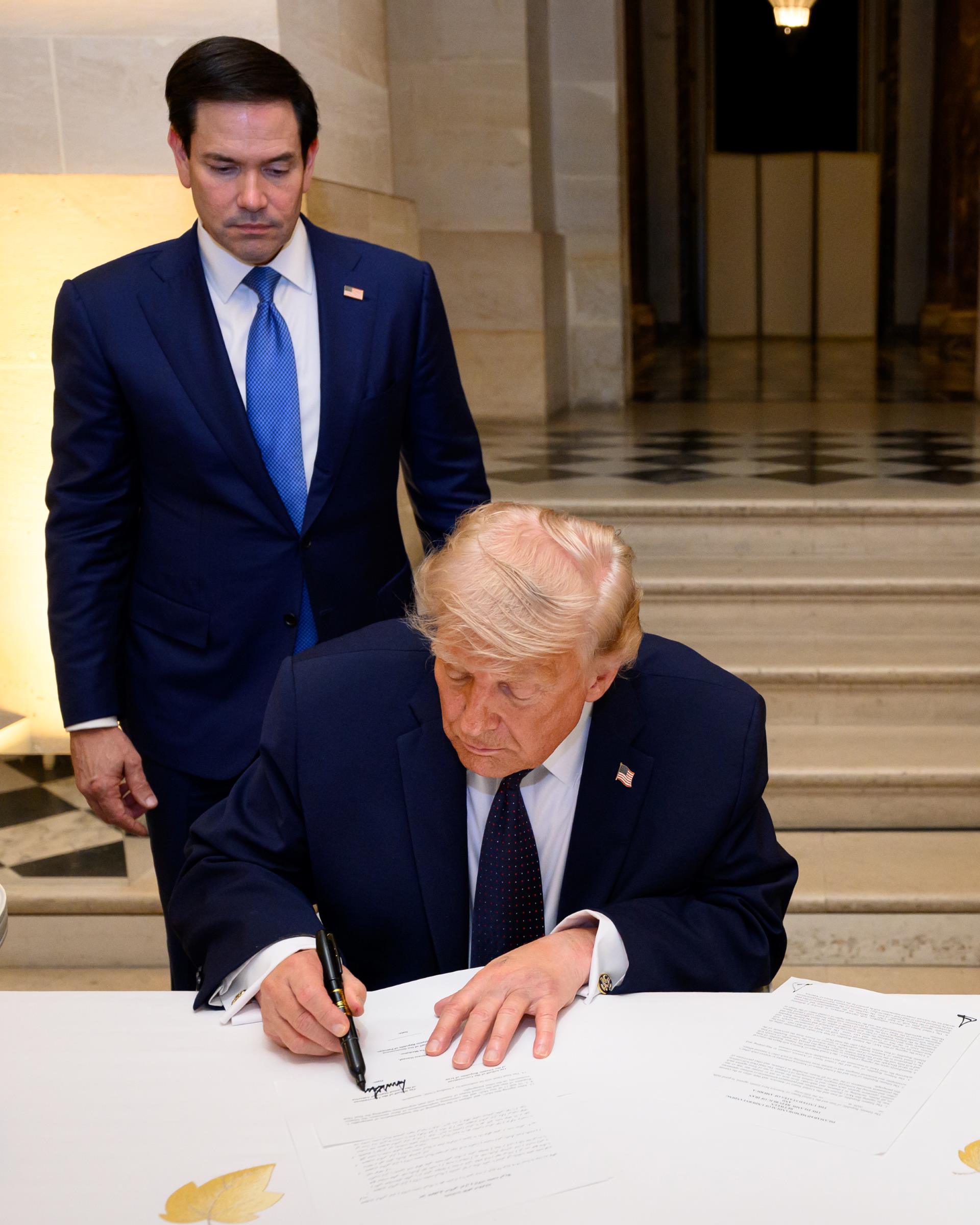
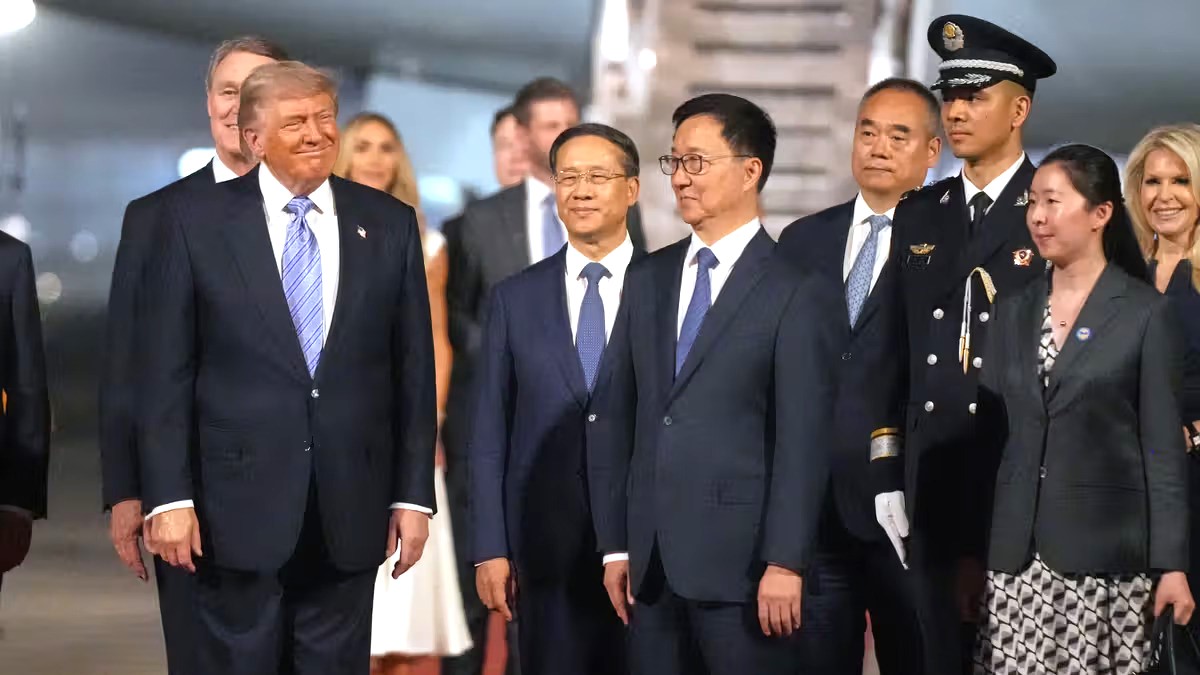
President Donald Trump and Chinese President Xi Jinping met this week in Beijing, a summit originally scheduled for April and was stalled due to the ongoing US-Iran war. What was expected to be a reset moment for US-China relations was overshadowed by the Middle East conflict, which carries significant implications for the global economy.
Conflict at an Impasse Stage
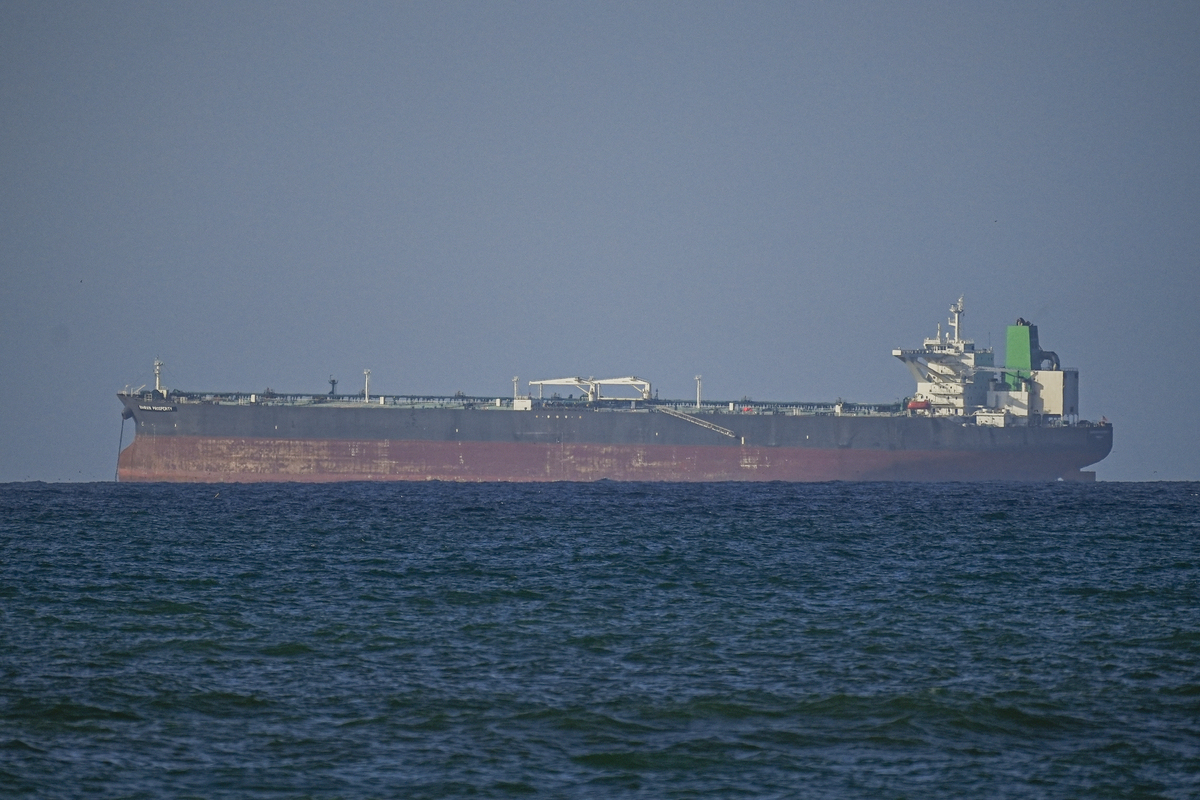
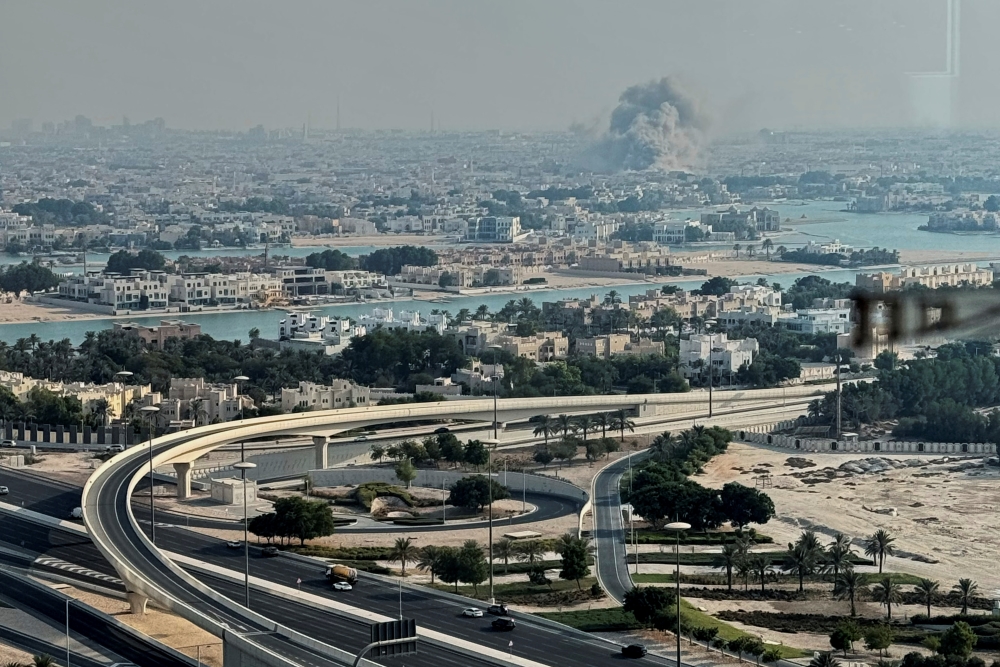
After the initial Islamabad Talks failed to ease tensions between Iran and the United States, Pakistan’s shuttle diplomacy has reopened the lines of communication between Washington and Tehran. Tensions escalated after Iran closed the Strait of Hormuz in response to the US’ refusal to end the blockade of Iranian ports. While a ‘fragile’ truce remains in place, negotiations are stalled and fears of escalation are growing as the two parties recently exchanged fire in the Persian Gulf. After rejecting Iran’s proposal to open the Strait of Hormuz and end the war, which also suggested delaying negotiations over the nuclear program, Trump reviewed another 14-point proposal from Iran but expressed doubts – and later rejected another version. Meanwhile, domestic opposition in the US to the war is growing, which has already cost $25 billion. Moreover, the conflict has caused extensive damage to the US military assets across the Middle East and raised the gasoline price to its highest level in four years.
In the big picture, as the US jumps into another war in the Middle East diverting its resources from the Pacific, it is pertinent to highlight what this conflict means for China and its interests in the Middle East, as it also embroils in great power competition.
What is at Stake for China?
Since the beginning of this conflict, China has consistently condemned the US-Israel joint strikes on Iran in February that killed Iran’s Supreme Leader Ayatollah Khamenei and demanded an immediate ceasefire. China has released numerous statements criticizing America’s broader approach to international affairs, and calling the US’ blockade of the Strait of Hormuz “dangerous and irresponsible.” Without mentioning the Iran war or blockade of the Strait of Hormuz, President Xi has criticized American actions in the Gulf, saying that the world may be returning to the “law of the jungle.”
China has substantial stakes in this conflict. It relies heavily on the Strait of Hormuz for more than a third of its energy imports. China remains Iran’s largest trading partner, and over 80 percent of its crude goes to Beijing. At the same time, China has deep economic and investment ties in the Gulf states, and the Strait of Hormuz being critical for its energy supplies, Beijing has leveraged diplomacy to seek an end to this conflict.
The China Hand
The US has accused both China and Russia of providing dual-use equipment and satellite imagery enabling Iran to target US positions in the region. The New York Times and CNN reported, citing US intelligence sources, that China was preparing a shipment of weapons, including anti-aircraft missiles, to Tehran. China has denied these claims, calling them “untrue,” and stating that China opposes such “ill-intentioned conduct.”
Before he met President Xi this week, Trump also played down Chinese assistance to Iran, mentioning Chinese President Xi Jinping’s reassurance that China is not providing any weapons to Iran, while warning of “big problems” for Beijing in case they do so. The war benefits China in many ways. The spike in oil and gas prices is pushing American allies from the European Union to the United Kingdom – and from South Korea to the Philippines, into China’s clean energy infrastructure. They see it as a long-term solution to protect their economies. China may also be relieved seeing its rival getting bogged down in yet another war with declining credibility among its allies and the diversion of the American fleet from the Pacific. The US military has already expended an enormous amount of critical munitions that could potentially be used in a future conflict with China. China also appears most resilient in terms of energy security, given its huge oil reserves – the largest in the world. According to a recent report, China has enough oil stored to cover seven months of imports via Hormuz.
However, a conflict with wider economic and security risks reverberating throughout the region is not what China wants. Prolonged instability will threaten global markets and cause supply chain challenges. Moreover, the rising oil prices is already hurting the Chinese economy, making the Iran war and opening of the Strait of Hormuz a central concern for the upcoming Trump-Xi meeting.
China’s Leverage Over Iran
China has a strategic partnership with Iran, which is reflected in the 25-year Comprehensive Strategic Partnership signed in March 2021. This included a massive $400 billion Chinese investment in Iran and defense cooperation in exchange for the discounted purchase of Iranian oil. The partnership allows Tehran to bypass Western sanctions while giving Beijing long-term energy security. China has also expanded its diplomatic footprint in the region by brokering a peace agreement between Iran and Saudi Arabia in 2021, helping the two rival Gulf states restore diplomatic relations.
Despite strong economic and security ties with Iran, China’s leverage has been limited. Nonetheless, Beijing’s role has been consistent, limited, and largely predictable. Chinese officials have used their conventional shuttle diplomacy, where Foreign Minister Wang Yi dialed nearly all regional partners and played its role in the UN Security Council, calling for a negotiated settlement. Beijing also joined Islamabad, the principal mediator in this conflict, to issue a joint ‘five-point initiative’ to end the war in the Middle East. At the same time, as both the New York Times and the Washington Post reported, China actively pursued the Iranians to agree to the initial two-week-long ceasefire.
A week before the Trump-Xi summit, Iran’s Foreign Minister Abbas Araqchi met FM Wang Yi in Beijing, where Araqchi supported President Xi’s four-point proposal to end the conflict, reaffirming his “trust” in China. As part of his regional diplomacy, FM Araqchi also met Russian President Vladmir Putin in Moscow to discuss the war and continue “consultation” on regional and international issues. Trump held his own phone call with Putin during which the later expressed interest in playing an active role in ending hostilities in the US-Iran war. Trump, however, rebuffed the proposal and instead pressed Putin on ending the Ukraine war.
China’s response reflects a cautious great power strategy, where Beijing is concerned about the risks of conflict escalation but is also reaping its limited geopolitical benefits. It has not been pursuing the role of a mediator but rather a great power concerned about its broader interests in the region. Nonetheless, given its diverse energy sources and limited strategic commitment to Iran, China appears to be confident at managing the risks of this conflict.
Trump-Xi Summit 2026
As the two leaders met this week, Trump’s announcement to continue the blockade of the Strait of Hormuz, which China uses to import one-third of its energy needs, complicates the process of seeking a reset on major issues, including bilateral trade with China.
Tensions are already mounting as the two powers are taking actions against each other’s firms. The Trump administration recently sanctioned China’s largest refiners and threatened secondary sanctions against Chinese banks for facilitating Iran’s economy. Beijing has blocked Meta’s $2 Billion bid to acquire the AI startup Manus, an attempt to keep cutting-edge AI technology inside China.
The rare Trump-Xi summit was an opportunity for both competitors to bring the US-China relations on track following their trade truce in October last year. Trump realizes this and has been seeking a deal with Iran before the Summit. He wanted to meet Xi from a position of strength and not with an unresolved conflict he started, alongside Israel two months ago, which may now be giving the Chinese side an advantage. With the Iran war hanging over the summit, the meeting may have fallen short of the expected outcomes in seeking a reset to the US-China bilateral relations.