



“He who aspires to greatness must endure sleepless nights”. Arab proverb
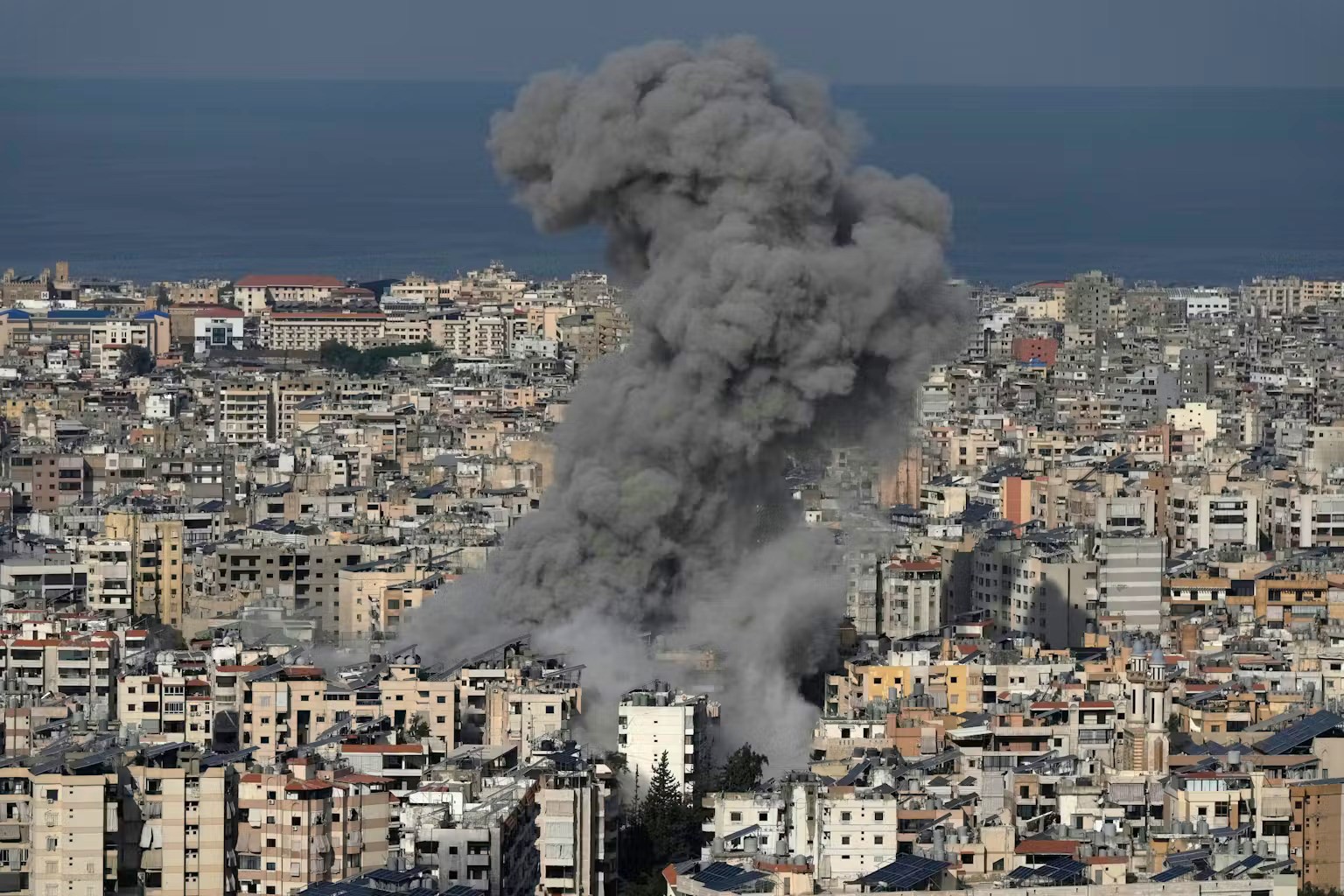
The United States and Israeli war against Iran have put Gulf countries in the middle of the conflict that is not of their making. They are victims of the recklessness of Tel Aviv, Washington, and Tehran. United Arab Emirates (UAE) is a federation of seven small sheikhdoms (Abu Dhabi, Dubai, Sharjah, Ajman, Ras-al Khaima, Ummul Quwain and Fujairah). These sheikhdoms are based on tribal confederations headed by a dominant family of the leading tribe. Abu Dhabi is the big brother that is taking all political and military decisions while Dubai is the economic engine and hub of global finance, logistics, real estate, and tourism. The other five emirates are smaller, less affluent and have practically no role in political and economic decision-making process of UAE.
In the last twenty years, the UAE has been at the forefront of a phenomenon called ‘the Gulf moment’. Small sheikdoms that were the backwaters of the underdeveloped Middle East emerged on the global scene as aviation and logistic hub, high-end real estate, and luxury tourism. A treasure chest of $1.5 trillion sovereign wealth fund is now positioned to turbo charge the Artificial Intelligence (AI) and data center revolution.
UAE decisions are made by Abu Dhabi therefore understanding of the ruling family dynamics, regional rivalries and thought process of the ruler Muhammad Bin Zaid (MBZ) is crucial to comprehend otherwise an opaque process behind the palace walls. MBZ has taken a position on crucial regional issues as well as in current crisis that is different than other regional players especially Saudi Arabia led by Crown Prince Muhammad Bin Salman (MBS).
There was consensus among gulf Sunni rulers that Shia Iranian encroachment in traditional Arab societies of Iraq, Syria, Lebanon, Yemen, and Palestine was a destabilizing force but despite financial wealth they could not mount a cohesive strategy to curtail Iranian influence. They embarked on some pushback, but the fallback position was to let Israel and United States tackle the menace. U.S. focused on sanctions and diplomatic isolation of Tehran while Israel took major intelligence and military operations against Iranian proxies in different theatres as well as inside Iran. The emergence of violent Sunni extremism espoused by al Qaeda posed a severe problem of domestic stability and again there was consensus to forcefully confront it. The watershed moment was the Arab Spring of 2011 that swept through Tunisia, Egypt, Libya, Yemen, and Syria. In Egypt and Tunisia, non-violent political Islam led by the Muslim Brotherhood inspired parties toppled long entrenched autocracies of the region while Libya, Yemen and Syria descended into protracted civil wars. This was the existential threat to Gulf monarchies that was far more dangerous than the Iranian menace and al Qaeda inspired violent trend.
A combined economic, political, diplomatic, intelligence and military effort spearheaded by MBZ and MBS was launched that meant direct involvement in the volatile and often violent events of the Arab countries. The counterattack on political Islamist trends was to support the army, strong regional militia leaders, non-Islamist political parties, and even non-Brotherhood brands of Islamists in these countries. This was a major detour from the traditional cautious policies of the past. However, when threat was perceived as existential then response had to be forceful and direct.
The results of this counter strategy were mixed where in some cases like Egypt; the army launched a successful coup to remove the Brotherhood government but in other cases societies were engulfed in civil wars. After disastrous involvement in Yemen, MBS quickly realized that this entanglement could seriously jeopardize the kingdom’s security and economic health and changed the course. He went back to the old paradigm of supporting central government authorities so that government forces could enforce law and order and control borders to prevent cascading effects of instability travelling across borders.
MBZ reached the opposite conclusion. His point of view was that these societies were too poor, corrupt, polarized, and fractured and no amount of treasure and diplomatic effort could put together these broken societies. The achievable goal was to support a local strongman who could control his fiefdom and then collaborate with this strongman to secure ideological (confronting both violent and political Islamists) as well as economic (logistic facilities, ports, farmland, and natural resources, etc.) interests. This resulted in the creation of networks in many countries at the expense of the central government. This policy explains UAE support of Southern Transitional Council (STC) in Yemen, Khalifa Haftar in eastern Libya, Muhammad Hamdan Dagalo ‘Hemedti” leader of Rapid Support Forces (RSF) in Sudan and secessionist leader of Somaliland in Somalia on the Red Sea coast. The fall out of this policy is protracted civil wars in these countries with worsening of instability as militias have become multiple centers of powers and difficult to manage. All other regional countries including Saudi Arabia, Egypt, Qatar, and Turkey are now opposed to the UAE policy. However, there are no signs that suggest that MBZ is reviewing his strategy that brings us back to the question of what the decision-making process is?
MBZ is making all decisions with no independent risk assessment input from professionals, institutional checks and balances or push back from civil society. Individual decision-making process is shaped by unique cultural environment and life experiences. The Al Nahayan family is from the a’al bu Falah tribe of Bani Yas tribal confederation. In contrast to coastal tribes involved in trading and engaging with diverse business communities, Bani Yas are Bedouin tribes from the hinterland and carry that tradition where when confronted by the opposition, it will double down rather than compromise and until now MBZ has shown this trait. MBZ is a graduate of Royal Military Academy at Sandhurst and a trained helicopter pilot. He is a military enthusiast and views himself as a great military leader. He is personally interested in all military things, fond of arranging military parades for his guests, displays live fire military exercises and every two years puts a gigantic defense expo where countries display their latest war gadgets. This personality trait suggests that he views foreign policy challenges through a military lens (detailed psychological profile of MBZ and two other key players MBS and Shaikh Tamim bin Hammad al Thani of Qatar is subject of a separate risk assessment report).
Internal family dynamics are crucial in hereditary monarchies and palace intrigues can be more dangerous than any external enemy. The Al Nahayan family history has its own share of fratricidal strife and palace coups. The modus operandi is a careful balance of distributing levers of power to ruler’s brothers and sons that provide enormous financial incentives but are not powerful enough to threaten the ruler. Currently, six full brothers known as ‘Bani Fatima’ from late Shaikh Zayd bin Sultan’s favorite wife are the power brokers. Due to opacity of the relationships inside the palace, we do not know if all brothers agree on current policy course or if there is divergence of opinion. MBZ changed the line of succession from horizontal to one of the brothers to vertical appointing his son Khalid as crown prince. This fact alone means heartburn among brothers who have lost the prized spot to a nephew. Gulf autocratic sheikhdoms have a social contract with their citizens where they later give up their freedom of thought and expression for prosperity and security. Rulers have absolute authority over security, political and economic decisions regardless of public opinion and all Gulf countries have unleashed crackdown on even minor expressions of dissent. We have little insight into the Emirati public opinion about the foreign policy. However, there are reports that Dubai and smaller emirates are not happy with the aggressive military involvement in Arab civil wars and close intelligence cooperation with Israel. It is too early to predict whether this push back from other Emirati rulers will result in change of policy run by MBZ. If Saudi Arabia decides to counter MBZ then this Emirati division will be used against Abu Dhabi.
Abu Dhabi’s relations with Israel matured over the years and culminated in the 2020 Abraham Accords that normalized relations. General public opinion in Gulf sheikhdoms had changed and most had no objection to a normalization process.
Israel’s genocidal campaign in Gaza stretching over two years and broadcasted into every Arab home through al Jazeera and social media changed the atmosphere completely. The Israeli campaign squarely put back Israel as enemy number one of the Arab and Muslim world. Israel brand has been severely damaged globally and especially in the Muslim world it has become highly radioactive and any engagement with Israel is interpreted as betrayal. One would expect that Abu Dhabi would re-calibrate but instead MBZ doubled down and fully embraced the Israelis. It has now been disclosed that Israel sent an air defense system with Israeli soldiers to UAE and Israeli prime minister Benjamin Netanyahu, Israeli army chief Eyal Zamir, head of external intelligence Mossad and head of domestic intelligence Shin Bet secretly visited UAE during the war. This is the most damaging trajectory, and Abu Dhabi is losing Arab and Muslim goodwill both at the government and public level. Abu Dhabi has found itself as an odd outlier and ally of the most unpopular country Israel.
UAE, with a one million native population, does not have the breadth and depth of a state to conduct aggressive independent state craft. It has enormous financial resources at hand and dependent networks, but it is not sufficient to embark on a weaponized foreign policy. This fact alone suggests that Abu Dhabi will work more closely with Israel due to convergence of interests of both countries on the Iran file. Israeli military and intelligence assets can be turbo charged by Abu Dhabi money and access to networks of ports, logistic hubs, and local clients all over the globe. However, Abu Dhabi should remember that Gulf instability does not affect Israel directly and Israelis would be happy to fight the Iranians to the last Emirati. This will also have far reaching impact on domestic tranquility as rulers are seriously under-estimating the palpable anger and humiliation of the Arab street. This is linked with another unquantifiable element and that is pro-Iranian sympathy for Iran by UAE citizens as it is viewed as a country standing up to Israel and U.S.
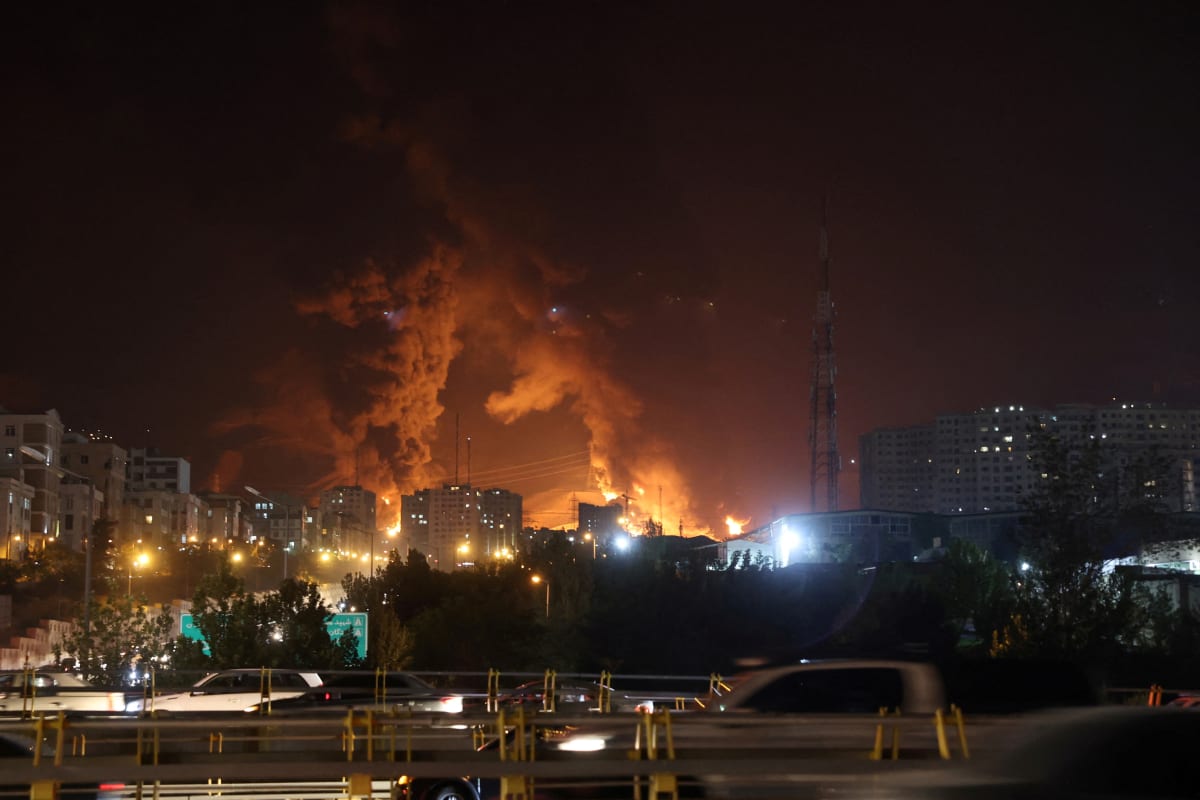
Iranian attacks on all members of the Gulf Cooperation Council (GCC) are unprecedented, and this fact alone will cast long shadows over future Iranian – Arab relations. A considerable number of attacks on UAE installations hardened the attitudes and UAE has the right to strike back. However, a calculated military strike strategy that reinforces deterrence and helps political goals is a balancing act managed with finesse. In early April, UAE attack on Iranian oil refinery at Lavan Island was a controlled strike that had desired deterrent effect on Tehran and resulted in marked reduction in Iranian attacks. UAE forces can conduct such operations independently and if required it will be acceptable to citizens and international audience.
Every effort should be made to avoid military coordination with Israel as these acts cannot be kept secret. They add little value but have negative fallout especially for the Abu Dhabi leaders. Israel has its own interests and presently it is at war with several neighboring countries occupying more land and creating buffer zones. Abu Dhabi does not need to share this burden. Embracing a leader like Netanyahu with international criminal court arrest warrant in a fit of anger is not the road that will lead to stability that is the foundation of the UAE economic model. Emiratis have shown resilience and their air defense and especially civil defense, and emergency services have performed well. They should build up on this confidence and enhance their own capability that gives them strategic autonomy. Goodwill of the large migrant labor force can be a force multiplier, but Emiratis are not paying attention to this element. On the contrary, arbitrary arrest and deportation of several thousand Pakistanis for alleged pro-Iran sympathy or sharing videos of damage resulted in reputational damage in Pakistan.
Abdu Dhabi’s best interests are served by working with fellow GCC partners to de-escalate, improving defense coordination, and enhancing security and economic resilience. However, looking at the broader context of specific tribal traits and psychological profile of MBZ, it is highly likely that he will not change his course in short and medium term and this will put him in conflict with fellow GCC partners. The counter attack will be multipronged where pressure will be generated by highlighting disagreements of smaller emirates, cultivating family members to undermine MBZ, confronting UAE networks in Yemen, Libya, Sudan, and Horn of Africa and public shaming for cooperating with the extreme right wing and brutal government of Israel. This will further destabilize the region with negative economic fall outs for all regional countries. All regional leaders are autocrats with no institutional checks and balance and do not allow their own civil societies to express their views about foreign policy, which means everything now depends on their own wisdom. They need to reflect on their own actions, control anger, and choose a path that is in their own self-interest.
The ‘Gulf moment’ is damaged but not lost. The most important lesson of history is that nothing is inevitable, and decisions of local leaders will determine if the region rebounds and continues to be the engine of progress or follow the disastrous trajectory of chronic instability mirroring neighboring countries. Only one generation ago, the far-sighted fathers made the ‘Gulf miracle’ happen and the jury is still out on the case whether their children will safely steer the ship through stormy waters or crash it on the rock of hubris.
“Take wisdom from the mouth of the simple”. Arab proverb