





Authors are students of M.Phil (Research) in Institute of Communication Studies at University of Punjab, Lahore. They highlight the importance of culture in human resource management discipline and practice
Abstract
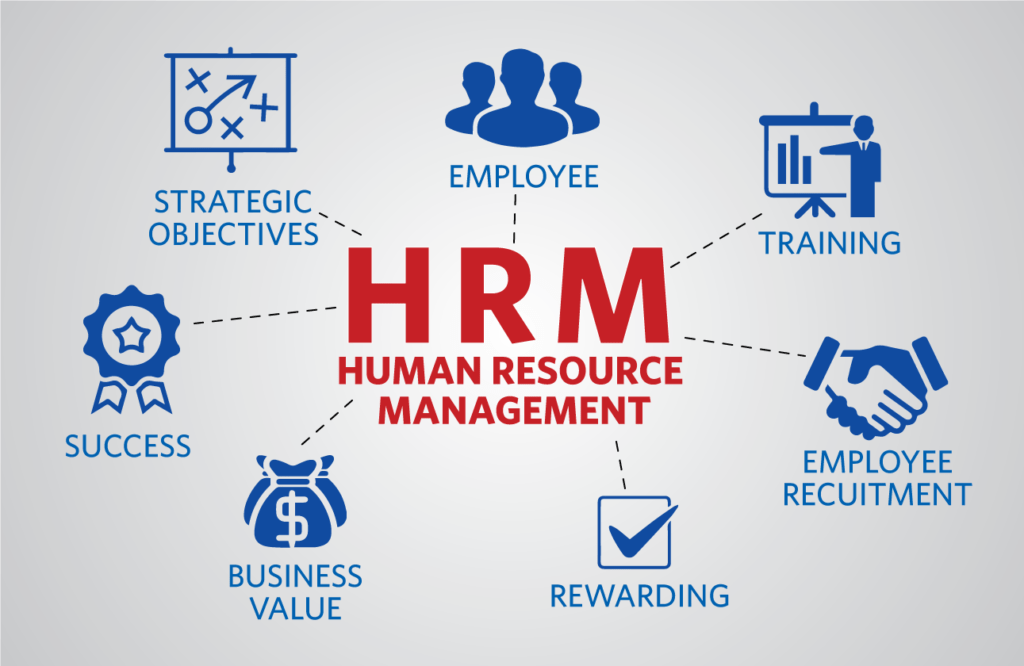
Culture and human beings are interconnected and interdependent actors in the amphitheater of globalization. Both have become strategic assets in the hands of international human resource managers. Now, success and failure of an organization in cross-culture environment is heavily rest on the national/local/native culture better understanding of its team of Human Resource Management [HRM]. Ongoing economic recession and financial crunch has already increased its strategic importance. The knowledge of culture diversity, scarcity of resources, revolution of information technology and above all crucial elements of ethnicity and religion are the core issue to be tackled in order to increase the market share and profitability ratios.
Cultural sensitivities are not easy to handle. Unsuccessful strategies of HRM may put flames on the entire project. Religion is a double-edged sword. It promotes harmony and horrendous deeds simultaneously. Ethnic differences may end-up to cleansing. So, careful combination and understanding of culture and HRM are essential to remain on the right track of zenith. Ignoring the power of cultures, using management methods to improve employees relations simply, violating the psychological needs of employees will lead to some terrible consequences, decreasing functioning efficiency of organizations, costing more for operations, and creating conflicts.
We are living in a complex corporate world where a penny is counted more than a head. Throat-cut competition, denial of international trade system to some extend and constant decline in the advanced economies of the world upholds the significance of culture and HRM. Both are integral parts of every organization in the world. It is simply the management of people across cultures and moreover, valuing people differently under one umbrella.
Rise to emerging economies especially BRICS [China, India, Brazil, Russia and South Africa] has opened new window of opportunity for the international organizations to recognize the importance of cultural diversity of these countries and perform well to achieved its desired goals of profitability.
Humans are assets and real sons of soil who can make giant leaps by effectively using culture dimensions, dynamics and determinates. Now success and failure of any organization, mass media house, marketing and advertising campaigns or soft image drive heavily dependent on ideal combination of culture and HRM. Different case studies endorse it.
The process of recruitment, selection, promotion, rewards, working mechanism, hierarchical presentation and acceptance are determined by national and international cultures. Mutual inspiring, development, result oriented strategies, crisis management and conflict resolution are also rest upon the co-existence of culture and HRMs.
Culture influences shape the business structure and human resource management practices when the business is going international. Doing business overseas is a critical and important step because of the possible incompatibility of perceptions or standards in the company’s human resource’s policies and practices.
It is a qualitative research oriented comparative study which would establish the relationship between culture and HRM in modern corporate world of uncertainty. Culture and communication are regarded as “blood vessels” of HRM. The objective of the study is to investigate and analyze the influence of culture on human resource management practices.
Practical examples and case studies from different countries will be discussed. Moreover, plentiful examples will also be given from different segments and sectors of Pakistani society to make it more relevant and acceptable.
Introduction
There is an old Chinese saying “every man has his gift, it means that everyone is useful to society, and everyone is talented in some field, but sometimes, you just do not know what gift you have in your hand” and saga continues even now in some countries around the globe.
Cultural knowledge and a global focus are crucial to survive, and to thrive, within today’s business environment. Increasing globalisation and competitiveness have brought to the fore the importance of effective human resource management for national and international organisations around the globe. In recent years, there has been a remarkable development in HRM throughout the world. Moreover, the growing significance of emerging markets strongly suggest that the success of HRM managers in the 21th century depends on the degree to which they develop an understanding regarding the dynamics of managing HRM in different parts of the globe., “simply connect differently cultured people collectively”.
During the last decade, the human resource function registered profound changes, determined especially by the economic, social, cultural and political context throughout the world. Thus, nowadays the human resource function integrates more and more a strategic vision. The human resource managers take part at the process of elaborating the strategies and policies at organizational level.
Global HRM managers in the fields of media, advertising, business, marketing or soft image campaign have now realised that HRM strategies vary significantly from country to country and that the strategies used to manage human resources in one country are sometimes ineffective or irrelevant in another country.
The challenges of management of HRMs in developing countries are complex and demanding. Academics can play a significant role in this regard by providing relevant information to decision makers and researchers. It is also important for the students of media, business, marketing and culture future emerging leaders, to gain an understanding of the different issues relating to culture and HRM in developing countries.
According to Price (2004), HRM is the management of the people based on the firm belief that human resources are uniquely important in sustains business success at every stage. Furthermore, an organization gains competitive advantage by using its people effectively, drawing on their expertise and ingenuity to meet clearly defined objectives. It is systematic beguiling of minds and souls. It is aimed at recruiting capable, flexible and committed people, managing and rewarding their performance and developing key competences.
Aycan et al (2000) contend that because of the increasing demands of the globalized and liberalized business environment, both researchers and practitioners have started paying more attention to the study of culture as an explanatory variable. The researchers have also come to realize that the uncritical adaptation of Strategic Human Resource Management [SHRM] practices and techniques evolved in the context of Western cultural values may not be effective in other socio-cultural environments.
Culture is complex phenomena. Keeping in view its multilayered complexity and sensitivity McClelland (1973) stressed that culture is different by its contents and forms, 10 percent of which is what you can see, such as language, behaviour, food and dressing, 90 percent of which is what you cannot see, such as beliefs, values, and ways of thinking. Cross-culture shows in the differences of the 10 percent visible and 90 percent invisible culture content. International companies are a good example of cross-culture; they do business internationally, every time they enter into a new country, cross-culture happens with it.
It is generally accepted that the practices of management is considered to be universal until Hofstede (1980, p.42) published the seminal work: Culture’s Consequences: International Differences in Work Related Value in 1980. Hofstede’s work is the most popular in cross culture management studies so that his framework in national culture will be used in this research.
Laurent (1986, p.92) said that every culture has developed through its own history some specific and unique insight into the managing of organization and their human resources. Every culture has also developed specific and unique blindspots in the art of managing and organizing. The lie the still largely undiscoverd opportunities and threats of international management.
Historical Perspectives
The human resource development in different countries is different. In general, the academic development of human resource has experienced three stages: Personnel Management, Human Resource Management and Human Capital Management.
The origin of HRM in modern organizations is a largely Western phenomenon that can be traced to the personnel management function (Burack and Smith, 1977). The gradual parting of ways of personnel management and HRM culminated in a total separation when HRM, as a distinctive discipline, was introduced to their MBA curriculum by the “Harvard group” (Beer et al., 1984) and “Michigan/Columbia group” (Fombrun et al., 1984) in the USA in the early 1980s.
The scope for HRM varies across organizations. Walton and Lawrence (1985), for instance, identified four major areas of HRM policy: reward systems, including compensation and benefits; employee influence mechanisms such as participation; job design and work organization; and employee selection and development. The researchers Rosenzweig and Nohria, (1994) also uphold the importance of different treatments of culture and HRM in different situation/work-place.
Afterwards, the international human resource management is put into an international environment, which requires it different form and more than human resource management. Therefore, the international human resource management refers to that in the environment of global enterprises, multinational or international enterprises, conducting the human resource management.
Consequently, cross-cultural human resource management emerged and it has been one of the most important parts of cross-cultural management. It is a series of activities based on characters of culture differences of staff selections, performance assessment, salaries management, and so forth, to enhance the effectiveness and efficiency of human resource allocation and application, in the background of cross culture of the enterprise. The cross culture macro and micro levels are given below:-
The researcher Chen, Yu (2006) rigorously studies the different aspects of the cross culture studies and divided it into two major parts i.e. macro and micro level of cross culture stages/phases.
a. At macro level, the home countries or nationals/people act/think differently in different cultures from both parts. The joint ventures and multinational enterprises that are equipped with two different cultures from two different countries are influenced by negative factors of cross-cultural behaviours.
b. When two international companies decide to hand-in-hand to be married with each other, the cultures of their own, such as staff selection system, group work style, will become some points of dispute in marriage life.
c. Individual cultural differences. This is a cross-cultural difference in the micro-level; old and young, man and woman, higher and lower levels, etc., any different individuals have cross-cultural differences.
Developments in HRM
Many researchers excelled in the field of culture and HRM i.e. Sisson and Storey, (2000), Schuler and Jackson, (1999), Poole, (1999), Poole and Warner, (1998) and the last but not the least, Legge, (1995). The developments in the field of HRM are now well documented. Nevertheless, the debate on HRM issues continues even though its focus has changed over time.
Different researchers focused on different important aspects of the HRM and culture. Brewster et al., (1997) studied the integration of HRM into business strategies. Whereas, Budhwar and Sparrow, (1997) carried out research on the devolvement of HRM to line managers. On the contrary, Wright et al., (1994), Barney, (1991), and Schuler and MacMillan, (1984) termed HRM as a source of competitive advantage for organisations.
A number of researchers including Hiltrop (1997), Tayeb (1995), Sparrow (1995), Easterby-Smith et al. (1995), Schneider (1993), Laurent (1993), Hofstede (1993) and Keesing (1974), have highlighted and explained the influence of national culture on HRM policies and practices. So, both are independent and interrelated.
Is Human Resource Management Universal?
According to many researchers like Newman and Nollen (1996), the notion that human resource pratice is universal has been questioned. A number of human resources policy that successfully practiced in a certain country, may not successfully applied in another country. For example, pay for performance schemes which is very popular dan effective in the United States and United Kingdom, it cannot successfully be a practiced in another country. The same goes for qquality circle program, it has practice widely and successfully in Japan, however quality circle has not successfully been implemented in the United States. Culture differences impact on every stage of the HR cycle, from selection and recruitment, to feedback, evaluation, coaching, and exit interviews.

Literature Review
Researchers Sonja and Phillips, (2004) assume that managers in today’s multicultural global business community frequently encounter cultural differences, which can interfere with management practices in organizations. In comparing cultures of different countries, cross-cultural researchers have concentrated effort on an examination of a set of cultural value dimensions developed by Hofstede. Dominant value systems of different countries can be ordered along Hofstede’s set of cultural value dimensions (Hofstede, 1980; Hofstede and Bond, 1988). People’s Dominant value systems have been crystallized in the institutions these people have built together: their family structures, educational structures, religious organizations, associations, forms of government, work organizations, law, literature, settlement patterns, and buildings. All of these reflect common beliefs that derive from the common culture. Whereas the value systems affect human thinking, feeling, action, and the behavior of organizations and institutions in predictable ways, the value dimensions reflect basic problems that any society has to cope with but for which solutions differ from country to country (Hofstede, 1983).
Shackleton and Ali (1990) and Chow et al (1991) support the application of Hofstede’s (1980) cultural value dimensions because Hofstede’s empirical results have been replicated at the national level in fifty countries and three regions. Hofstede’s work is the most popular in cross culture management studies. Laurent (1986:92) said that every culture has developed through its own history some specific and unique insight into the managing of organization and their human resources.
Managing people from distinct cultures requires knowledge of their distinct value systems, traditions and the manner in which they perceive goals and strive to achieve them. Communication and negotiation between individuals of different cultures is successful when you learn to form cultural bridges.
Triandis (1982) also argues that Hofstede’s cultural framework has been accepted as important and reasonable for describing differences among nations. However, little empirical research has used the Hofstede dimensions to investigate the effect of culture on SHRM practices, and hence on performance in different cultural groups (Sondergaard, 1994). The cultural dimensions have been grouped into two categories, namely relations between people and motivational orientations (Hofstede, 2000).
The importance of cultural values to the conduct of HRM in organizational life is well established in the literature. Yet, the way cultural differences influence how people are valued in organizations has not been sufficiently discussed in the literature. There is a growing interest in the relationship between indigenous and Western cultures in the practice and development of management and organization internationally. This is particularly the case in the transitional economies of the former Soviet bloc (Koubrek & Brewster, 1995; Lawrence, 1994; Shekshnia, 1998), in China (Huo & Von Glinow, 1995; Jackson & Bak, 1998; Sergeant & Frenkel, 1998; Wang, 1994) and to a lesser extent in the so-called “developing” countries of South Asia, Africa, and Latin America (Blunt & Jones, 1992; Jaeger & Kanungo, 1990). These issues have also been explored in the newly industrialized countries of East Asia (Chen, 1995), as well as in the “hybrid” East/West cultures of the economies of Hong Kong (Priem, Love, & Shaffer, 2000) and Singapore This literature challenges the assumptions upon which human resource management is based in the Western world, and questions its applicability to managing people in countries whose economies have more recently been launched into the global market place.
Every country or region has a specific culture which is due to similarities in religion, language, beliefs and values. This could result in a “cultural challenge for international management” caused due to varying cultural features of different countries (Harris and Moran, 1996). Managing people from distinct cultures requires knowledge of their distinct value systems, traditions and the manner in which they perceive goals and strive to achieve them. These differences could lead to specific problems in a local or regional (host) companies in which strategic policies are drafted by the management of the parent company without considering the specific local or regional culture of the people.
Researchers have studied that regional or national variance in cultures and communities dramatically impacts several core business issues such as “goals of the firm, attitudes towards risk, dealings with employees, and the ability to curtail unprofitable operations” (Kim, 1999). The mosaic of cultural diversity presents a major challenge both in global and domestic work settings, as there is growing recognition that the skills and core competencies required by the home company will also be required in the host company (Tung, 1997).
The major differentiating factors between countries that have an impact on HRM are contextual. They include economic, political, legal and historical environments (Begin, 1992; Sundaran and Black, 1992), employee demographics and labor-market characteristics (Teagarden et al, 1992), socio-cultural characteristics of the workplace and society (Laurent, 1983; Kim, 1999).
Multi-National Companies [MNCs] must be sensitive to the prevailing values and attitudes in that country. For the manager, then, identifying the existence of cultural values should be an empirical question, not a priori assumption (Pratt and Rafaeli, 1997).
Cross Culture and International Human Resource Management
According to Milliken and Martins, (1989) stressed the importance of national culture and are of the opinion that core of culture is composed of explicit and tacit assumptions or understandings commonly held by a group of people; a particular configuration of assumptions/understandings is distinctive to the group; these assumptions/understandings serve as guides to acceptable and unacceptable perceptions, thoughts, feelings and behaviors; they are learned and passed to new members of the group through social interaction; culture is dynamic it changes over time.
The following table explains each and every possible factor contributing the national, cross-culture and international human resource management practice. The better understanding of the native culture and its related international human resource management pave the way of more profitability and larger market stake. The following table speaks highly about the significance of culture and human resource management which are both play crucial role a foreign land.
| National Culture | Institutions | Industrial Sector | Dynamic Business Environment |
|---|---|---|---|
| Socialization process | National labour laws | Common strategies | Competition |
| Common values, Norms of behavior and customs | Trade unions politics | Business logic and goals | Business alliances changing |
| Influence of pressure group | Vocational training | Regulations and standards | Composition of workplace |
| Assumption that shape managers perception, insights and mindsets | Labour market, professional bodies, international institutions | Sector-specific knowledge, informal and formal benchmarking | Restructuring, focus on total customer satisfaction |
| Management style, Meaning of work and values | Industry by itself Employers federation | Cross-sector cooperation Common | Facility of information |
| Personal disposition, attitudes and manners | Consulting organizations, placement organizations | Development in business operations, labour skills requirements | Technological change |
| Approaches to culture diversity | Trade bodies, government institutions | Merger activity | Globalization of business |
| Match to the organization culture | Local authorities, voluntary bodies | Workforce mobility, capital mobility | Globalization of business |
HRM communicates organizational work through practices of recruitment, staff appraisals, remuneration and flexible work arrangements. All these practices are aspects of social interactions. Organizational culture can, therefore, be created, rather than just inherited by employees. Once in existence, it subtly influences perception, thought, action, and feeling of the employees in ways that are consistent with their cultural reality. It guides the selection, interpretation, and communication of information in ways that are meaningful to the employees. To understand organizational culture, one must understand the basic assumptions of the employees, namely, their national cultural values and beliefs. It is obvious that culture is not a characteristic of individuals; it encompasses a number of people who were conditioned by the same education and life experience. Hofstede (1980) reckons that most countries’ inhabitants share a national character that is more clearly apparent to foreigners than to the nationals themselves.
Hofstede’s Cultural Dimensions
Geert Hofstede has published a lot of famous books around the world, such as Cultures and Organizations, The Game of Budget Control, European Contributions to Organization Theory and so on. Also, there are many articles written by him, for example: Innovation, Entrepreneurship and Culture, Intercultural Communication and Diplomacy, Human Relations, Cross-Culture Psychology Bulletin and so forth. With his scholarly monograph “Culture’s Consequences” issued in United States, he became a founder of comparative study of different cultures; his theories are applied in the whole world. With his scholarly monograph “Culture’s Consequences” issued in United States, he became a founder of comparative study of different cultures; his theories are applied in the whole world.

Five Culture Dimensions
The well-known five culture dimensions are a result of dimensions that tells the similarities and differences of different countries‟ cultures. This research was based on years of hard working by Professor Geert Hofstede; between 1967 and 1973, he was collecting data information about employees‟ values of IBM. Company in more than 70 countries with 100,000 responded questionnaires. Later, he did more researches to prove his previous research results, which were done by research on about pilots in 23 countries, administration managers in 14 countries, up-consumers in 15 countries, and elites in 19 countries.
| Power distance |
| Power distance is used to measure the equality or inequality among people in a society. It involves the extent of a society’s tolerance for social hierarchy and power structures |
| High | LOW |
|---|---|
| It indicates that society accepts an unequal distribution of power | It means that power is shared and well dispersed. It also means that society members view themselves as equals. |
| Key Differences between Low and High Power Distance Societies |
| High Power Distance | Low Power Distance |
|---|---|
| Inequalities among people are expected and desired | Inequalities among people are minimized |
| Respect it basic and lifelong virtue | All members of society treat each other as equals |
| Centralization is popular | Decentralization is popular |
| Subordinates expect to be told what to do | Subordinates expect to be consulted |
| The ideal boss is a benevolent autocrat | The ideal boss is resourceful democrat |
| White-collar jobs are valued more than blue-collar jobs | Manual work has the same status as office work |
| Mostly poorer countries with a small middle class | Mostly wealthier countries with large middle class |
| The powerful should have privileges | All should have equal rights |
| There are large income differentials in society, further increased by tax system | There are small income differentials in society, further reduced by the tax system |
| There are more supervisory personnel | There are fewer supervisory personnel |
| Individualism versus Collectivism |
| Individualism | Collectivism |
|---|---|
| It stands for society in which the ties between individuals are loose: Everyone is expected to look after him/herself and her/his immediate family. | t stands for a society in which people from birth onward are integrated into strong, cohesive in-groups, which throughout people’s lifetime continue to protect them in exchange for unquestioning loyalty |
| Key Differences between Individualist and Collectivist Societies |
| Individualist | Collectivist |
|---|---|
| Everyone grows up to look after him/herself and his/her immediate family only | People are born into extended families in other groups that continue protecting them in exchange for loyalty. |
| Children learn to think in terms of “I” | Children learn to think in terms of “we” |
| Individual ownership of resources | Resources should be shared with relatives |
| Low-context communication prevails | High context communication prevails |
| Media is the primary source of information | Social networks are the primary source of information |
| Self-actualization by every individual is a ultimate goal | Harmony and consensus in society are ultimate goal |
| Occupation mobility is higher | Occupation mobility is low |
| Task prevails over relationship | Relationship prevails over TASK |
| Individual interests prevail over collective | collective interests prevail over individual |
| Per capita GDP tends to be higher | Per capita GDP tends to be lower |
Professor Geert Hofstede spent decades and concludes five culture dimensions which telling the similarities and differences of different countries‟ cultures; they are:
a. Power Distance Index (PDI)
b. Individualism (IDV)
c. Masculinity (MAS)
d. Uncertainty Avoidance Index (UAI)
e. Long-Term Orientation (LTO)
He explains and describes these five culture dimensions in each country in scores and graphs, so that we can clearly see the differences between countries and how much differences we have as well.
The five dimensions discussed by Hofstede (1980), help us understand the potential problems of managing employees from different cultures. One interesting finding of his research was the impact of culture on a country’s economic health. He found that countries with individualistic cultures were wealthier. Collectivistic cultures with high power distance were all poor. Cultures seem to affect a country’s economy through their promotion of individual.
This is the degree to which individuals are supposed to look after themselves or remain integrated into groups, usually around the family. Positioning itself between these poles is a very basic problem all societies face.
| Masculinity, versus Femininity |
| The masculinity dimension is used to measure the distribution of roles between genders. |
| High | Low |
|---|---|
| It stands for a society in which male gender roles are clearly distinct. Men are supposed to be assertive, tough, and focused on material success. Women are supposed to be more modest, tender, and concerned with the quality of life. Top Countries: Japan at the top. | It stands for a society in which gender roles overlap. Both men and women are supposed to be modest, tender, and concerned with the quality of life. Because the respondents were mostly men |
| Key Differences between Masculine and Feminine Societies |
| Masculine | Feminine |
|---|---|
| Challenge, earnings, recognition, and advancement are important | Relationships and quality of life are important |
| Men should be assertive, ambitious, and though | Both men and women should be modest |
| Women are supposed to be tender and take care of relationships | Both men and women can be tender and focus on relationships |
| Being responsible, decisive, and ambitious is for men, being caring and gentle is for women | Being responsible, decisive, and ambitious is for women and men. |
| Double standards, men are subjects, women are objects | Single standards, both sexes are subjects |
| Aggression by children is acceptable | Children are socialized to be nonaggressive |
| People live in order to work | People work in order to live |
| There is a lower share of working women in professional jobs | There is a higher share of working women in professional jobs |
| Performance society ideal, support for the strong | Welfare society ideal, help for the needy |
| Environment, big is beautiful | Environment, small is beautiful |
| Uncertainty avoidance |
| This is refers to the degree of anxiety society members feel when in uncertain or unknown situations |
| High | Low |
|---|---|
| It refers the level of uncomfortable feelings in the different unusual situations (stress anxiety when they face risks, uncertainty, or ambiguity). | Members are less concerned about ambiguity and uncertainty, and more tolerant of variety of opinions. Also, there are very few rules and people are encouraged to discover their own truth. |
| Key Differences between Low and High Uncertainty Avoidance Societies |
| High Uncertainty Avoidance | Low Uncertainty Avoidance |
|---|---|
| The uncertainty inherit in life is a continuous threat that must be fought | Uncertainty is normal feature of life and each day is accepted as it comes |
| High stress and high anxiety | Low stress and low anxiety |
| Family life is stressful | Family life is relaxed |
| People feel less happy | People feel happier |
| People have more worries about health and money | People have fewer worries about health and money |
| Conservative investments | Risky investments |
| There is an emotional need to be busy and inner urge to work hard | Hard working only when need |
| Time is money | Time is frame work of orientation |
| More ethnic prejudice | More ethnic tolerance |
| Xenophobia | Positive or neutral towards foreigners |
| Long-Term Orientation |
| Long-term orientation is used to measure the extent of the time orientation of a culture. This orientation describes the balance between long-term opportunity and short-term satisfaction. |
| Long Term | Short Term |
|---|---|
| It found in country that values long-term commitment and respects tradition. This culture supports a strong work ethic of working hard for future rewards. | It exists in countries that do not reinforce the concept of long-term, traditional orientation and values. |
Hofstede’s Cultural Dimensions and Pakistan
Pakistan’s society is highly powered distance entity. Inequalities are projected as dominating national character. Class, status, symbol, creed and caste are the predominated actors in the society. Centralization and power-thirsty nature is a common phenomenon. Subordinates are treated as personal slaves in most of the organizations. Autocracy of all shapes, sizes and forms are commonly prevailed in our daily life. Levels of disparity are increasing by each passing day.
No sustainable reflection of collectivism in the country. Moreover, collectivism tends to be circumstantial (war, natural calamities, national crisis). Everyone is in search of self-coined heaven for himself and his so-called followers. Division is not based on principles although maintained on personal taboos and prejudices. However, posh areas in throughout the country have significant levels of individualism.
| Key Differences between Short-Term and Long-Term Orientation Societies |
| Long Term | Short |
|---|---|
| Perseverance, sustained efforts towards slow results | Efforts should produce quick results |
| Thrift, being sparing with resources | Social pressure toward spending |
| Respect for circumstances | Respect for tradition |
| Concern with personnel adaptiveness | Concern with personal stability |
| Living with in-laws is normal | Living with in-laws is source of trouble |
| Main work values include learning, honesty, adaptiveness, accountability and self-discipline | Main work values include freedom, rights, achievements and thinking for oneself |
| Leisure time is not important | Leisure time is important |
| Importance of profits 10 years from now | Importance of this year’s profit |
| Synthetic thinking | Analytical thinking |
| Wide social and economic differences are undesirable | Meritocracy, reward by ability |
Ours is a male-dominated society. In most of rural areas, women are treated not better than cattle. They are heavily dependent on their males (husbands, sons) from dawn to dust. Major decisions of lives (marriage, association, property, education etc.) are taken by males. However, in some cases especially in metropolitan cities such as, Karachi, Lahore, Islamabad and many more, people are moving towards joint decision making. Working women have their own identity but to some extent. In some cases curse of feminist movements is spreading like a cancer in the society.
Pakistan is a highly uncertainty avoidance country. People are under stress due to many personal, social, economic and political reasons. National physical health is also not up to the mark. Worship of ethnicity, sectarianism, ideology, stigmas and above all self-glorification is the mantra of each and every socio-politico and religious party at large. Sincere characters are there but they can be easily numbered and managed. Family life is no more epicenter of inspiration and cherishing memories. Economic imperialism, wrong interpretation of sacred prophecies, fall of joint family system and above all scarcity resources has already produced irrecoverable dints in the society.
We belong to short-term orientation. We have no concrete planning at personal and national levels. Institutions are there are falling from skies, thick and fast. Widening social and economic differences are desirable at every stage and in every segment of the society. Lack of honesty, dedication, accountability, denial of social justice and selected/limited assess towards qualitative life has been institutionalized. People are traditional, conservatives, and few are modern to some extent.
Different Case Studies of Cross Culture and Human Resource Management
Following are given some case studies from the different countries of the world in order to show the importance of culture and human resource management practice in the globalized world. Following different case studies prove that both are must for organizations survival and higher profitability. These case studies also show specific country national character, convictions, rituals, ethnicity and religion values which impact in the outcome of international organizations.
(a) Thailand
An arms dealer of Thailand had substantial financial resources and wanted to utilize these to settle four of his daughters in a global business. He decided to bring the American ‘Big boy’ franchise chain to his country and took the help of an Australian businessman to advise him. The business was a huge flop and had no customers following which the Australian investor took over the franchise from the daughters and conducted a research by interviewing numerous customers. In his survey he found several reasons why the Thais were not considering Big Boy. He found from the people that the Big Boy statue “spooked customers” and people preferred cheaper Thai meals available at “one fifth the price of a greasy burger”. He soon realized that he was “trying to get a 3,500-year-old culture to eat 64-year-old food” and decided to give it one last attempt by making several strategic changes. The décor of the restaurant was changed to Thai, and the image of the statue was made softer. Additionally, cheaper Thai dishes were included in the menu in addition to European items to appease some workers at a nearby factory. American food was completely eliminated from the menu and today the business is extremely successful with four outlets in Thailand, without American food (The Economist, 1998).
Findings
Cultural compatibilities are must for the success of organization business in a foreign land. Better understanding of the culture and best practice of HRM is important to clinch success in the other country.
(b) Malaysia
Alhabshi, and Ghazali, (1994) are of the opinion that Muslim managers in Malaysia tend to be trusted by their employees if their actions follow their words, and they behave in ways consistent with local values, and demonstrate loyalty, honor and trustworthiness. Their competence is demonstrated through their possessing the right skills for the job and being able to achieve set targets. For the employees, the managers are the symbols of motivation and inspire them to want to work. In the field of management, leadership plays a significant role in effecting the motivation, commitment and predisposition of the workforce in that it provides focus, meaning and inspiration to those who work for a company. As architects of an organization, managers need to project themselves as role models that embody and convey to their workforce desirable attitudes, values and beliefs, in actions as well as in words.
Findings
Culture of trust, mutual respect and value orientation is must in Malaysia to get best from the employees. Motivational drive sparks inspiration among the employees in Malaysia. Role model of managers play very important role in the output of organizations.
(c) Iran
In Iran educational establishments and their priorities, the media, the arts, the political structure, the army, and private and public sector organizations, are all required to conform to Islamic values and instructions.
Ali, (1988) says that in Iran women have to follow a strict Islamic dress code at work, and indeed elsewhere. A policy of segregation of sexes is observed in prayers, wedding ceremonies, public transport, queues at shops and so forth. Iranian women are doing well in many spheres of public life. Some 95 per cent of young girls go to primary school. Older girls have a smaller chance than boys of getting higher education, but the gap is closing. Girls are doing well in technical schools, colleges and universities. Women can go into most jobs and professions, and, unlike their Saudi counterparts, they can drive their cars and vote. They can stand for parliament and there are many women members of parliament. But most recent announced educational policy of Iran has debarred women from many productive and creative disciplines which is ironic.
Findings
Religious values of culture forces HRM to adopt accordingly especially in Iran. Religion is the predominated factor in all the phases of HRM practice in Iran.
(d) Canada
The candidate, a newcomer to Canada, did not shake your hand when they entered, never looked you in the eye, and was reluctant to talk about past accomplishments. The second interview went much better. The candidate walked in confidently, answered the questions directly and mid-way through the interview you were sidetracked talking about mutual interests. Both candidates were qualified on paper, but it was the second interviewee that became the new hire. While this story is exaggerated, the situation is not uncommon.
Findings
Not so opened and talkative. Shyness is not sign of weakness. Privacy does not stand for any criminality.
(e) Japan
Newman and Nollen (1996) quoted a case study from Japan. It is a country where cultural issues run wide and deep. Oyamada Industries is a Japanese multinational corporation. It develops and produces a range of consumer electrical products including televisions, MP3 players and computer games consoles. It has international operations in many countries. It has approximately 8000 employees. Oyamada opened a green field plant producing LCD and plasma televisions for the European market in Bremen, Germany. After an extensive decision-making process, Oyamada had chosen to site the plan in Bremen to benefit from the available skills in the local and national labour markets and because it felt that, within a European context, Germany would represent a good ‘cultural fit’ with the Oyamada approach to labour relations and production. This was based on an assumption of similar degrees of collectivism which contrasted with its principle alternative option to build a plant in England.
The plant Oyamada in Germany had a workforce of 250 employees. All production workers were German and recruited primarily from the local labour market. Production was carried on Japanese management style. Self-managed and cross-functional teams were given responsible for particular aspects of production. While some line manager roles have been filled by German workers with previous supervisory experience, the majority of these were filled by Japanese workers brought in from other Oyamada subsidiaries. Initially, all the senior managers at the plant were Japanese and had previously worked at other subsidiaries or Oyamada headquarters in Kyoto. All research and development activity continues to be done at the company headquarters.
Despite some reservations about the manner in which the dominant approach to HRM at Oyamada and the German principles of co-determination and works councils might work together, senior managers were initially surprised by the degree of cooperation in worker consultation. After six months, however, the company was forced to recall a number of the televisions produced at Bremen because of a safety fault. Upon investigation, the production manager attributed the problem to having emanated from a single operator on a highly-specialised piece of machinery having ‘informally’ trained a colleague to operate the machine, unbeknownst to management. Both workers were reprimanded but complained that workers should be trained across machinery rather than rigidly sticking to single areas of operation. Quality initiatives such as total quality management and quality circles were also blamed for the quality problems. These have been implemented wholesale in the German plant but are deemed to have been unsuccessful, not least because workers feel that they conflict with the role of the works council. Moreover, quality circles often take place outside of normal working hours and involvement is unpaid. Meetings are, therefore, poorly attended.
A subsequent decline in the demand for Oyamada televisions produced in Bremen also saw the need for the plant to cut costs in order to maintain the levels of efficiency demanded by headquarters. Senior managers decided that the only way to achieve this was to make a number of workers redundant. The quality problems also saw the escalation of a number of employee relations problems at the plant. The operation of the works council became more conflictual with managers and union representatives failing to come to an agreement over a range of issues. The HR director felt that the union was simply being obstructive and argumentative and wanted to punish management for the mistakes of workers. Markus Acher, the local union representative, responded by claiming that whilst Oyamada was happy to adhere to the fundamental principles of Japanese employment when it suited them, it rejected them where it acted to benefit workers (for example, a strong commitment to long-term employment security).
Findings
Respect for coworker and role of work council tend to play important role German society. Japanese management failed to understand the basic principles of German employment relations and simply wanted the union to be passive and for the works council to simply ‘rubber-stamp’ managerial decisions. The difference between Confucian and Socratic thinking i.e. shame-guilt, acceptance and challenge dichotomy is obvious.
(f) Bahrain and Syria
Religion and ethnicity play very important role in the disciplines of culture and HRM. These are two major factors in recruiting, selecting and promoting employees in organization. The levels of comfort, trustworthiness, responsibility, sincerity, discipline, dedication, diligence, cleanliness, cooperation, good conduct, gratefulness and moderation tend to vary in these said countries, having a special mind set and loyalty based on religion and ethnicity. People even from Pakistan belonging to Shia cover-up always have better chance to be recruited and selected in these countries organizations.
Findings
Religion and ethnicity are important parts of the culture and HRM. More knowledge of other religions and ethic elements/irritants put you upfront in your decision making.
(g) Saudi Arabia
There are different research studies of Al-Baik, (1996), Ali, and Al-Shakis, (1985) which claimed/concluded that religious outlook and ethnicity association are supposed to be two main factors in getting employment in Saudi Arabia. People belonging from certain sect Wahhabi have comparative advantage over other competitors. People having same religious modification/upbringing from Pakistan have been getting jobs in the Kingdom.
Findings
Certain sects of religion and ethnicity paly important role in your international practice of HRM. Sometime, they tend to lessen the importance of merit and suitability of the job.
Associated Examples from Pakistan
HRM policies are generally decided by the companies’ senior managers, with or without consultation with their employees. But they are often adopted and implemented with some reference from the national context within which the organizations operate (Tayeb, 1996). These include: national culture, political ideology of the government, the economic conditions, trade unions, and the legal system.
In a highly competitive environment of the 21st century, ignoring cultural and religious issues in management is committing corporative suicides. Realization of maximum benefits of a culture-based management practice essentially requires knowledge of spiritual and mental factors, which include “soft” (management) factors, as well as “hard” (physical) factors such as systems, tools and techniques. Following are given some case studies from the native country which would strongly advocate the importance of cultural implications in HRM process/practice. Moreover, role of religion and ethnicity would also be discussed in the context of Pakistan.
| (h) Different Countries |
| Countries | Culture & HRM Practices |
|---|---|
| New Zealand | Employees are required to adhere strictly to legal and ethical requirements, |
| China | Prefer to build a relationship with their manager after the contract is signed, after the handshake and after they get to know them |
| United States | Pay for performance |
| UK | Pay for performance |
| Russia | Low orientation |
| UAE | Foreigner women are not allowed for employment |
(a) Recruitment of Pathans
Recruitment and selection of Pathans in local and international markets are booming. They are recruited in Gulf Cooperation Council [GCC] and Middle East Countries for their physical traits, bravery, dutifulness, dedication and above all trustworthiness. They are preferred in the fields of security, construction, logistics and surveillance.
(b) Social, Political, Ethnic or Religious Adaptation and Orientation
In most of the cases, socio-politico like-mindedness and religious orientation is must for getting lucrative jobs, contracts and renewed slots. Culture of favoritism, corruption and specific orientation is spread everywhere. If the head of the state from Sindh, majority of the decision makers, federal secretaries and associated public offices are tend to be Siddhis. On the contrary, if head of the government elects from Punjab, all the powerful portfolios are usually distributed among Punjabi establishment. Same outcome is expected even from others too. MQM’s workers are predominately employed in Karachi corporate and service sectors. Most of the recruitment and selection processes in the “Express news channel” are revolved around politico-religious orientation and candidates having certain sectarian background are preferred on others. It is true even in case of “City-42 news channel” where merit, ability, and professionalism are secondary consideration and ethnic and religious connection/alignment holds the key for induction and any further promotion. “M/S Packages Industries” also fall in this category. It is true for “Duniya news channel” where certain caste connection/affiliation usually receive preferential treatment.
(c) Domination of Regional cultural values/Traits
People from interior Sindh, Baluchistan and even from Southern Punjab always try to stay appointed near to their native towns. Bohra community in Pakistan offers or takes sweet dessert at the start of the feast. Concept of kinship, tribe loyalty, clan recognition and even lingual distinction do matter in the HRMs practice and process in these areas. Memon community at large does not want to be employed. They always care about their parent’s business set-up or establish their own businesses.
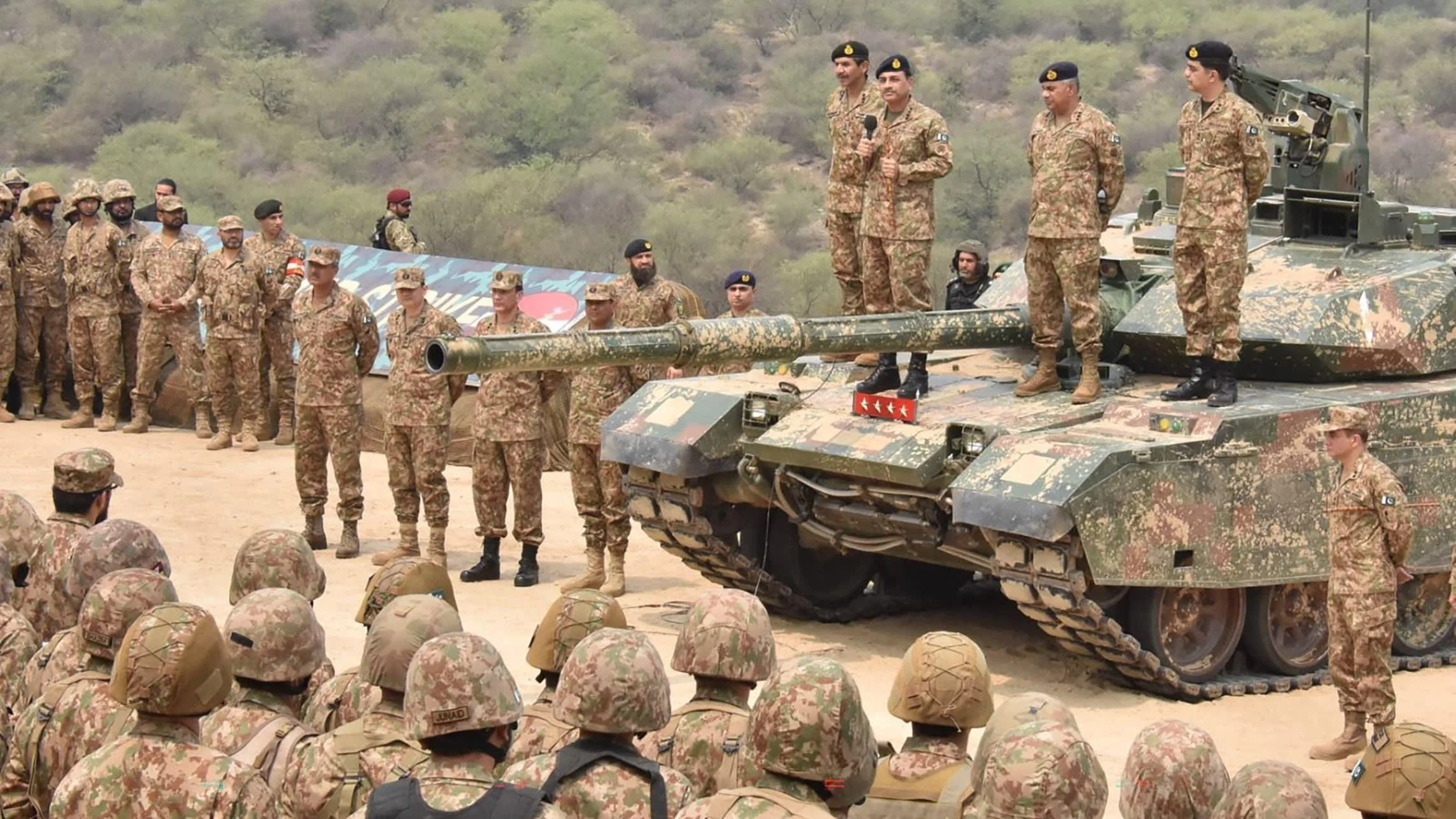
Northern Areas local people have been preferred to induct in the Armed Forces of Pakistan especially “Northern Infantry” due to their unmatched endurance outclass determination and the last but not the least their physical toughness levels to operate in snowy and chilled weather. They could launch any operation during any avalanche. People from the belt of Chakwal, Jhelum and Kharian have been preferably selected for Armed Forces of Pakistan due to their special rich traditions of bravery, utmost submission, courage, devotion and passion for martyrdom. Same is the case of soldiers, stationed at Waga Border. There are certain criteria for their selection and deputation where regional cultural values and traits definitely come into play.
In the field of media especially electronic channels, “Waqat news channel” stands for particular ideology, mindset and operational priorities so, rightist have the better chance to get jobs in it. Physical appearance/gestures even style of communication is drastically different from the rest of the lot.
CONCLUSION
Culture is blood vessel of human resource management. It is the driving force of the human resource management practice in the 21th century. Knowledge of culture diversity is crucial to survive, and to thrive in today world of globalization. It is important to develop ability of the “dance between cultures” in the cross-culture environment. It is always best way to bridge cultural differences and follow integrative approach to achieve desired goals in the international markets. Now values are more weightage than geography.
In order to achieve desired goals, HRM managers must develop first hand awareness of other cultures. HRM section must promote the study of other culture within the company not as a way to satisfy intellectual curiosity but as a tool for professional and personal development. International corporations are no longer able to operate as lodge with secretes and dominant hierarchies. Therefore the role of culture and its paramount contribution in HRM is a hot topic.
National culture, values, traits, rituals, ethnicity and even religion has affected the practice and process of HRM within a country or at any international stage. Serious conflicts or dead-lock may occur if these factors are not considered in corporations or MNCs. Do as Romans do proverb is still very much relevant and functioned in the context of culture diversity. Flexibility in actions, programs and implementation is necessary for the success of any organization at international set-up. Wobbly playground of business and elements of uncertainty in international markets could easily be managed with the help of better understanding of culture diversity. Subsequently culture enhanced knowledge put HRM team on the driving seat, assuring lots of good things in the days to come.
Hofstede’s culture dimensions are also applicable in Pakistan’s society and cover all possible sectors ranging from governance, politics, economics and corporate world. Its different findings can be easily traced in the country. Security apparatus/agencies, official slots, subordination in different public-private departments and the last but not the least, management styles and priorities all speak about the importance of Hofstede five culture dimensions.
Culture is blood vessel of human resource management. It is the driving force of the human resource management practice in the 21th century. Knowledge of culture diversity is crucial to survive, and to thrive in today world of globalization. It is important to develop ability of the “dance between cultures” in the cross-culture environment. It is always best way to bridge cultural differences and follow integrative approach to achieve desired goals in the international markets. Now values are more weightage than geography.
Culture is living force and full of life as well. Denial of cultural considerations at any phase put an organization/corporation/company under siege of darkness and ultimately fizzling-out process speed-up. It makes decision making easy and smooth. It corrects strategic expansion plans and purifies short and long term priorities. It provides ideal platform to HRMs team and owners to go on infinite voyage of greater profitability, larger market niche and world recognition.
Human resource management is simply the management of people across cultures and moreover, valuing people differently. Furthermore, think locally and do globally endorse the utility of culture in human resource management practice around the globe.
REFERENCES
1. Al-Baik, D. (1996, 30 May). More Jobs for Nationals Urged, Gulf News.
2. Ali, A. (1988). Scaling an Islamic Work Ethic. The Journal of Social Psychology, 128(5), 575-583.
3. Ali, A. and Al-Shakis, M. (1985). Managerial Value Systems for Working in Saudi Arabia: An Empirical Investigation’, Group and Organization Studies, 10 (2), 135–151.56.
4. Alhabshi, S.O. and Ghazali, A.H. (1994). Islamic Values and Management, Kuala Lumpur: Institute of Islamic Understanding Malaysia (IKIM).
5. Aycan, Z., Kanungo, R.N., Mendonca, M., Yu, K., Deller, J., Stahl, G., and Kurshid, A. (2000). Impact of Culture on Human Resource Management Practices: A 10-Country Comparison. Applied Psychology: An International Review, 49 (1), 192-221.
6. Begin, J. P. (1992). Comparative HRM: A System Perspective. International Journal of Human Resource Management, 3(3), 376-408.
7. Blunt, P., & Jones, M.L. (1997). Exploring the limits of Western leadership theory in East Asia and Africa. Personnel Review, 26(1/2), 6–23.
8. Brewster, C. (1995). Towards a European Model of Human Resource Management. Journal of International Business Studies, 26, 1–22.
9. Budhwar, P., & Sparrow, P. (1997). Evaluating Levels of Strategic Integration and Devolvement of Human Resource Management in India. The International Journal of Human Resource Management, 8, 476–494.
10. Burack, E.H. and Smith, R.D. (1977). Personnel Management: A Human Resource System Approach. West Publishing, St Paul, MN.
11. Chen, H. Yu, N. (2006). Foreign Economic Relations and Trade, No.11.
12. Chen, M. (1995). Asian management systems. New York: Routledge.
13. Chow, C.W., Shields, M.D. and Chan, Y.K. (1991). The effects of management controls and national culture on manufacturing performance. Accounting, Organizations, and Society, 16: 209-226.
14. Coville, T. (1994). The Economy of Islamic Iran: Between State and Market, Tehran: The French Institute for Research.
15. Easterby-Smith, M., Malina, D., & Yuan, L. (1995). How Culture Sensitive is HRM? A Comparative Analysis of Practice in Chinese and UK Companies. The International Journal of Human Resource Management, 6, 31–59.
16. Eldridge, D. (1992). A Strategic Approach to Employee Development in an Agriculture Bank’, International Sector of Public Sector Management, 5(2), 15–20.
17. Fombrun, C., Tichy, N.M. and Devanna, M.A. (1984). Strategic Human Resource Management. Wiley, New York, NY.
18. Harris, P. R., & Morgan, R. T. (1996). Managing cultural difference (4th ed.). Houston: Houston Gulf Publishing Company.
19. Hiltrop, J. M. (1996). A Framework for Diagnosing Human Resource Management Practices. European Management Journal, 14, 243–254.
20. Hofstede, G. (2000). Culture’s consequences: comparing values, behaviors, institutions, and organizations across nations. 2nd ed. Thousand Oaks: Sage Publications.
21. Hofstede, G. (1983). Dimensions of National cultures in fifty countries and three regions. In J. Deregowski, S. Dzuirawiec, & R. Annis (Eds.), Expiscations in cross-cultural psychology (pp. 335-355). Lisse, The Netherlands: Swets & Zeitlinger.
22. Hofstede, G., (1980). Motivation, Leadership and Organization: Do American Theories Apply Abroad? Organizational Dynamics, 9: 42-63.
23. Hofstede, G., (1980). Cultural dimensions of collectivism/individualism, power distance, uncertainty avoidance, and femininity/masculinity will be applied. Organizational Dynamics,10:35-49.
24. Hofstede, G. and Bond, M.H. (1988). The Confucius connection: From cultural roots to economic growth. Organization Dynamics, 16: 4-21.
25. Hofstede, G. (1980). Culture’s Consequences. International Differences in Work Related Values. A Bridged Edition. Newburry Park: Sage Publication.
26. Hofstede, G. (1991). Cultures and organizations. London: McGraw-Hill.
27. Huo, Y. P., & Von Glinow, M. A. (1995). On transplanting human resource practices to China: A cultural driven approach. International Journal of Manpower, 16(9), 3–15.
28. Jackson, T., & Bak, M. (1998). Foreign companies and Chinese workers: Employee motivation in the People’s Republic of China. Journal of Organizational Change Management, 11(4), 282–300.
29. Jaeger, A. M., & Kanungo, R. N. (1990). Management in developing countries. London: Routledge.
30. Keesing, R.M. (1974). Theories of Culture’, Annual Review of Anthropology, 3, 73–97.
31. Kim, P. S. (1999) Globalization of Human Resource Management: A Cross-Cultural Perspective
for the Public Sector. Public Personnel Management, 28.
32. Klein, M.U. (1992). ‘Commercial Banking in Pakistan’, in A.Nasim (ed.) Financing Pakistan’s Development in the 1990s, Karachi: LUMS.
33. Koubek, J., & Brewster, C. (1995). Human resource management in turbulent times: HRM in the Czech Respublic. The International Journal of Human Resource Management, XX, 223–247.
34. Laurent, A. (1993). The Cross-Cultural Puzzle of Global Human Resource Management. International Studies of Management and Organizations, 14, 65-87.
35. Laurent, A. (1986). The cross-cultural diversity of western conceptions of management. International Studies of Management and Organizations, 13,75-96.
36. Laurent A. (1986). The Cross Cultural Puzzle of International Human Resources Management. Human Resource Management, 15: 91 – 102.
37. Lawrence, P. (1994). German management: At the interface between Eastern and Western Europe. In R. Calori & P. De Woot (Eds.), A European management model: Beyond diversity (pp. 133–164). London: Prentice Hall.
38. Legge, K. (1995). Human Resource Management: Rhetorics and Realities, Chippenham: Macmillan Business.
39. McClelland, David C. (1973). IQ and personality tests are poor indicators of a persons competence, Human psychology, 28, 1-14.
40. Milliken, F.J., and Martins, L.L. (1996). Searching for Common Threads: Understanding the Multiple Effects of Diversity in Organizational Groups, Academy of Management Review, 21(4), 402-433.
41. Newman, L. K., & Nollen, D. S. (1996). Culture and Congruence: The Fit Between Management Practice and National Culture. Journal of International Business Studies. Fourth Quarter, 27(4), 753 – 779.
42. Pratt, M., & Rafaeli, A. (1997). Organizational Dress as Symbol of Multilayered Social Identities. Academy of Management Journal, 40(4), 862-898.
43. Poole, M. and Warner, M. (eds) (1998). The IEBM Handbook of Human Resource Management, London: International Thomson Business Press.
44. Poole, M. (ed.) (1999). Human Resource Management: Critical Perspectives on Business and Price, A. Human Resource Management in Business Context, p. 32-35.
45. Priem, R. L., Love, L. G., & Shaffer, M. (2000). Industrialization and values evolution: The case of Honk Kong and Guangzhou. China, Asia Pacific Journal of Management, 17(3), 473–492.
46. Rosenzweig, P. M., & Nohria, N. (1994). Influences on human resource management inmultinational corporations. Journal of International Business Studies, 25, 229.
47. Schneider, S.C. (1993). National vs. Corporate Culture: Implications for HRM’, in V. Puick, N.M. Tichy and C.K. Barnett (eds) Globalizing Management, New York: John
48. Schuler, R.S. and MacMillan, I.C. (1984). Gaining Competitive Advantage Through HRM Practices’, Human Resource Management, 23 (3), 351–365. Wiley and Sons, Inc., 160–173.
49. Sergeant, A., & Frenkel, S. (1998). Managing people in China: Perceptions of expatriate managers. Journal of World Business, 33(1), 17–33.
50. Sisson, K. and Storey, J. (2000). The Realities of Human Resource Management, Buckingham: Open University Press.
51. Shackleton, V. J., & Ali, A. H. (1990). Work-related values of managers: A test of the Hofstede model. Journal of Cross-Cultural Psychology 21(1), 109-118.
52. Shekshnia, S. (1998). Western multinationals’ human resource practices in Russia. European Management Journal, 16(4), 460–465.
53. Sonja, A. S., & Phillips, M. E. (2004). Contextual Influences on Culture Research Shifting: Assumptions for New Workplace, Realities. International Journal of Cross Cultural Management, 4(3), 370-390.
54. Sondergaard. M., (1994). Hofstede’s consequences: A study of reviews, citations and replications. Organization Studies, 15: 447-456.
55. Sparrow, P. R. (1995). Towards a Dynamic and Comparative Model of European Human Resource Management: An Extended Review. The International Journal of Human Resource Management, 6, 481–505.
56. Sundaram, A.K. and Black, J.S. (1992). The Environment and Internal Organization of Multinational Enterprises. Academy of Management Review. 17: 267-99.
57. Tayeb, M. (1995). The Competitive Advantage of Nations: The Role of HRM and its Sociocultural Context. The International Journal of Human Resource Management 6, 588–605 Triandis H.C. (1982). Review of culture’s consequences. Human Organization, 41:86-90.
58. Tung, R.L. (1997). International and International Diversity. In C.S. Granrose and S. Oscamp (Eds.). Cross-Cultural Work Groups. Thousand Oaks, CA: Sage Publications: 163-185.5
59. The Columbia Journal of World Business, (1994) Spring. Special issue.
60. The Economist, (2000, April 8)). A Survey of China. 18pp.
61. The Economist (1998, January 3-7). The flexible tiger.
62. Walton, R.E. and Lawrence, P.R. (1985). Human Resource Management: Trends and Challenges, Harvard Business School Press, Boston, MA.
63. Wang, Z. M. (1994). Managerial psychological strategies for Chinese-foreign joint ventures. Journal of Managerial Psychology, 7(3), 10-16.