



Striving for Knowledge

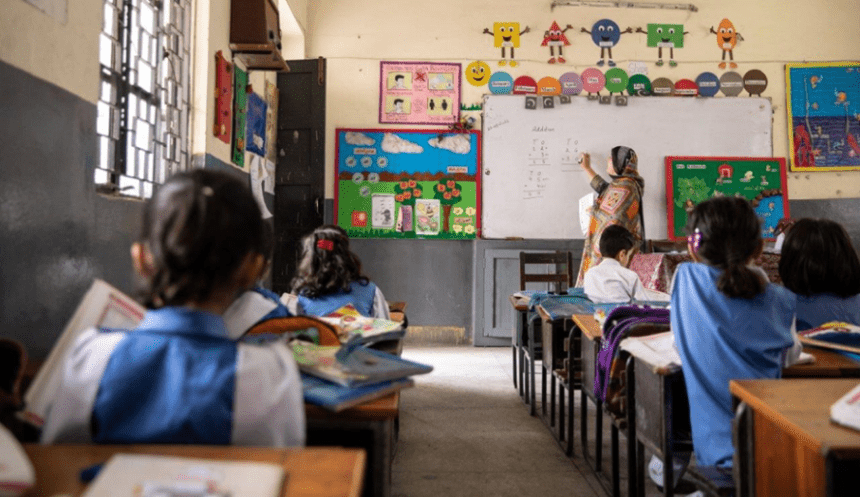
Education in Pakistan remains a challenging terrain, particularly for middle-class families striving to secure quality learning opportunities for their children. Despite constitutional guarantees like Article 25-A mandating free and compulsory education for children aged 5 to 16, the country grapples with systemic issues. According to the World Bank, Pakistan has a 77% learning poverty rate…

Read More

Appetite for Democracy

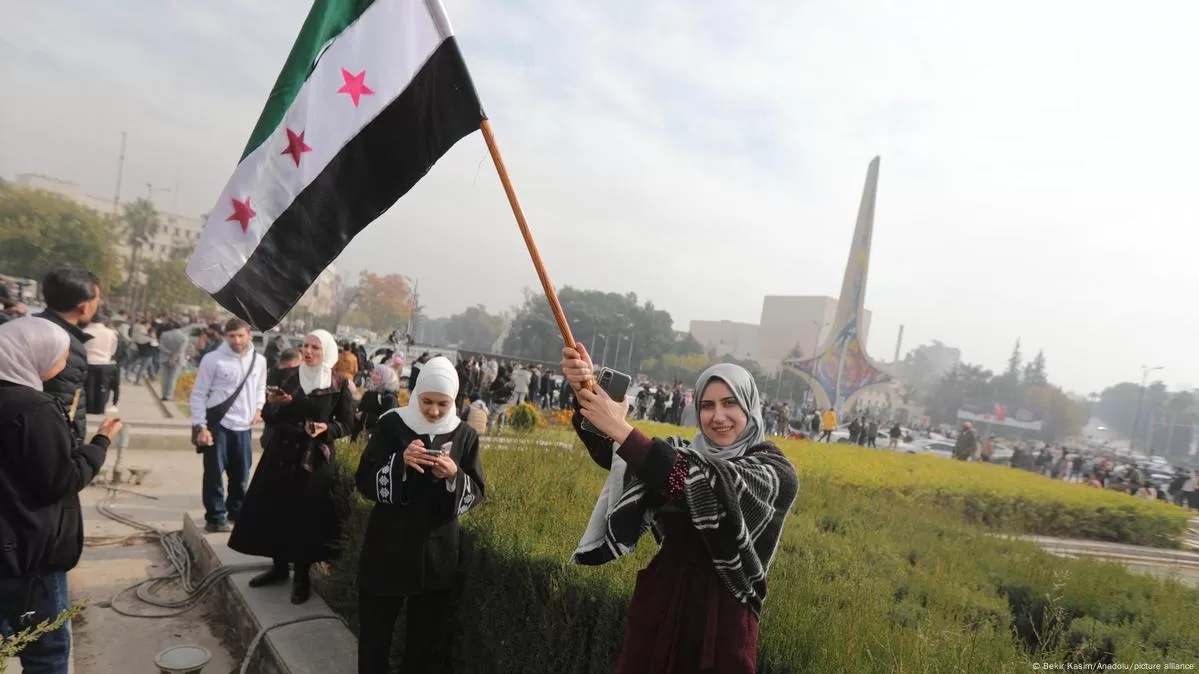
In 2024, elections were held in more than 70 countries making it a historic year in global politics. From the United States to Europe, India, and Pakistan, nearly 5 billion people voted to elect their leaders; these results have reshaped the world’s power dynamics and influenced the decision-making of global leaders on war and peace…

Read More

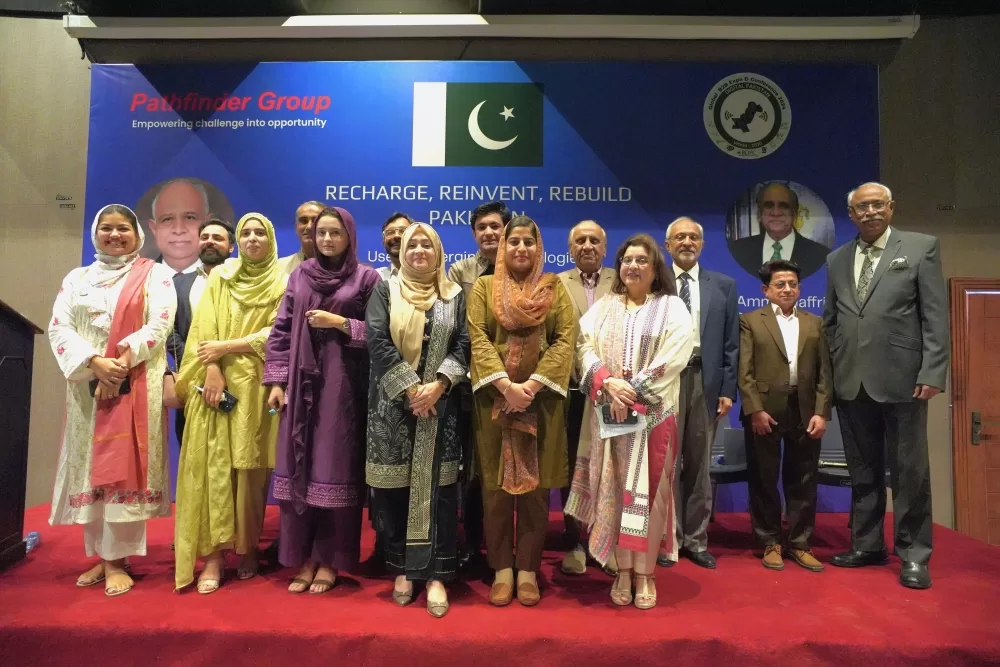
Use of Emerging Technologies for Sustainable Cyber Secure Digital Pakistan Vision 2030 

Raheela Baqai Group Director of Business Development, Pathfinder Group Asalam-o-Alikum, good morning, a warm welcome to Amaanibagh (Residence of the Sehgal Family). This house is a gift of love from a grandfather to a granddaughter. No other child can have a legacy to follow what has been left to Amaani by her grandfather, none other…

Read More

DPS: Value of A Stable Lie

The Gulf of Tonkin incident was a significant escalatory event during the Vietnam War that involved two separate confrontations between the United States and North Vietnam in August 1964. First on August 2 – when the USS Maddox, a U.S. Navy destroyer, was attacked by North Vietnamese torpedo boats while conducting an intelligence patrol in…

Read More

The Vision of Islam

SoulSpirit has the qualities of light, and body has the qualities of clay. Neither spirit nor body is fire, since fire combines the qualities of light and clay.[1] Hence, in order to complete our picture of the human being who came into existence when spirit was blown into clay, we need something fiery, something that…

Read More

The Stability-Instability Paradox in South Asia

The stability-instability paradox is a concept in “strategic stability.” It implies that stability at the strategic level will induce instability at the sub-strategic and vice versa. The acquisition of nuclear weapons can create stability at the strategic or macro-level and instability at the sub-strategic or micro-level. There is a paradoxical incentive for two nuclear-armed states…

Read More