

Regional Challenges
1. Security Threats
PKK/YPG terrorism in Syria/Iraq is top concern for Türkiye.
The PKK is listed as a terrorist organization by Türkiye, the United States, and the European Union. The conflict between Türkiye and the PKK has been ongoing since 1984 and has resulted in over 40,000 deaths. Ankara asserts that the YPG is organically linked to the PKK and functions as its Syrian offshoot. Many international sources and reports confirm this strong organizational and ideological link. The PKK uses northern Iraq’s Qandil Mountains as a primary base for planning cross-border attacks into Türkiye. In Syria, the YPG leads the U.S.- backed Syrian Democratic Forces (SDF) and controls a significant portion of the north-east, which Ankara fears could become a PKK-led “terrorist statelet”.
The U.S. has partnered with the YPG/SDF in the fight against ISIS creating a major point of tension with Türkiye. Turkish officials have repeatedly urged the U.S. to reassess its support for the group, emphasizing that dismantling the YPG in Syria is a primary objective. Türkiye has conducted numerous military operations in northern Iraq and Syria (e.g. Operation Claw-Lock) to target and neutralize PKK/ YPG elements and their infrastructure. Turkish officials consistently state that their operations are not against Kurdish civilians but solely target terrorist organizations. The goal is to secure its borders and prevent the establishment of an autonomous, PKK-influenced region on its frontier that could fuel separatism within Türkiye.
FETO: Residual influence globally, especially in education networks in Turkic states.
FETO refers to the Turkish government’s designation of the Gülen movement as the “Fethullah Terrorist Organization” (FETÖ), which it accuses of orchestrating the failed coup attempt of July 15, 2016. The movement led by the late Muslim cleric Fethullah Gülen, who lived in self-imposed exile in the United States, is the subject of a widespread and ongoing government crackdown in Turkey. The Failed Coup Attempt (2016) was a significant event in history of Türkiye and The Turkish government holds Fethullah Gülen and his followers responsible for the coup attempt that resulted in 251 deaths and nearly 2,200 injuries.
Turkish authorities allege that FETÖ is a secretive “parallel state structure” that had infiltrated key state institutions, including the military, police, and judiciary, with the long-term goal of overthrowing the state. The issue remains a core part of Turkey’s domestic and foreign policy agenda, with Turkish officials continuing to vow to “unmask” the organization worldwide and bring alleged coup plotters to justice. The government has continued to take measures as recently as 2024 to combat the movement’s educational network abroad.
Armenia-Azerbaijan disputes.
The core of the Armenia-Azerbaijan dispute has been the territorial conflict over Nagorno-Karabakh, a region internationally recognized as part of Azerbaijan. The conflict has escalated as the Soviet Union dissolved in early 90’s that triggered first and second Karabakh wars.
First Nagorno-Karabakh War happened from 1988 till 1994 in which Armenian forces gained control of Nagorno-Karabakh and several surrounding Azerbaijani districts, displacing hundreds of thousands of Azerbaijanis. This war has lots of human miseries associated with it, however, a Russian-brokered ceasefire held for decades, with the region existing as a de facto independent, but unrecognized, Republic of Artsakh.
The second Karabakh war triggered in 2020 in which Azerbaijan, using advanced military technology, assistance and better training achieved a significant victory, reclaiming much of the lost territory. In 2023 Azerbaijan launched a one-day “anti-terrorist” operation that resulted in the capitulation of the Artsakh authorities and the mass flight of over 100,000 ethnic Armenians to Armenia that resulted the end of the hard conflict between two countries. After the 2023 events, the focus has shifted from hard conflict to negotiating a comprehensive peace treaty to normalize relations. In August 2025, the leaders of both countries met in Washington D.C. and signed a joint declaration outlining a framework for peace. Although the peace framework is in place, however, any geopolitical shift and unbalance in power parity may again trigger this conflict.
2. Geopolitical Rivalries
Russia and Turkey are engaged in a complex relationship characterized by a mix of geopolitical competition and economic cooperation. This dynamic extends across several regions, including Central Asia and the Middle East, where both countries seek to advance their influence while avoiding direct conflict.
Russia’s influence in Central Asia is gradually eroding due to competition from China’s Belt and Road Initiative and Turkey’s promotion of pan-Turkic cooperation through the Organization of Turkic States (OTS). Moscow is attempting to recalibrate its approach and promoting its own “Greater Altai” Turkic narrative, but Turkey continues to expand its military and economic presence in the region, including in the Caspian Sea, challenging Russia’s traditional dominance.
In Syria, Russia and Turkey have historically navigated a “compartmentalization” strategy, allowing for cooperation in some areas (e.g. establishing de-escalation zones) while supporting opposing sides. However, the recent fall of the Assad regime has significantly diminished Moscow’s influence, allowing Turkey to emerge as a dominant external actor. Turkey is now a top ally to the new Syrian authorities and plans to deepen its influence through military bases and reconstruction efforts. The YPG/ SDF issue is a key point of conflict and contention.
Turkey considers the YPG a terrorist organization linked to the PKK and an existential threat. It has conducted several military operations in northern Syria to push YPG forces away from its border and has long opposed U.S. support for the group. Ankara aims to see the YPG integrated into the broader Syrian military structure or removed from border areas. Russia has previously used the YPG issue as leverage against Turkey, facilitating deals in the past (such as the 2019 agreement for the YPG to withdraw from certain border areas). Moscow and Damascus previously deployed troops to protect the SDF from Turkish advances, effectively blocking several potential Turkish operations.
The existing situation after recent events in Syria and with the fall of the Assad regime, the dynamic is changing. Russia’s capacity to protect the SDF has likely decreased as its forces are reportedly consolidating to core bases in western Syria. The YPG, for its part, has been in recent negotiations with the new Syrian government (which is largely Turkey-aligned) to preserve some autonomy, potentially changing the dynamic of Russia’s previous “backing”. In summary, while Russia does engage with the YPG/SDF to counter Turkish ambitions and maintain influence, the overall regional power balance in Syria has shifted significantly in Turkey’s favour, forcing Russia to recalibrate its approach and potentially align with Turkey’s goal of a stable, unified, and Turkey-friendly Syrian state.
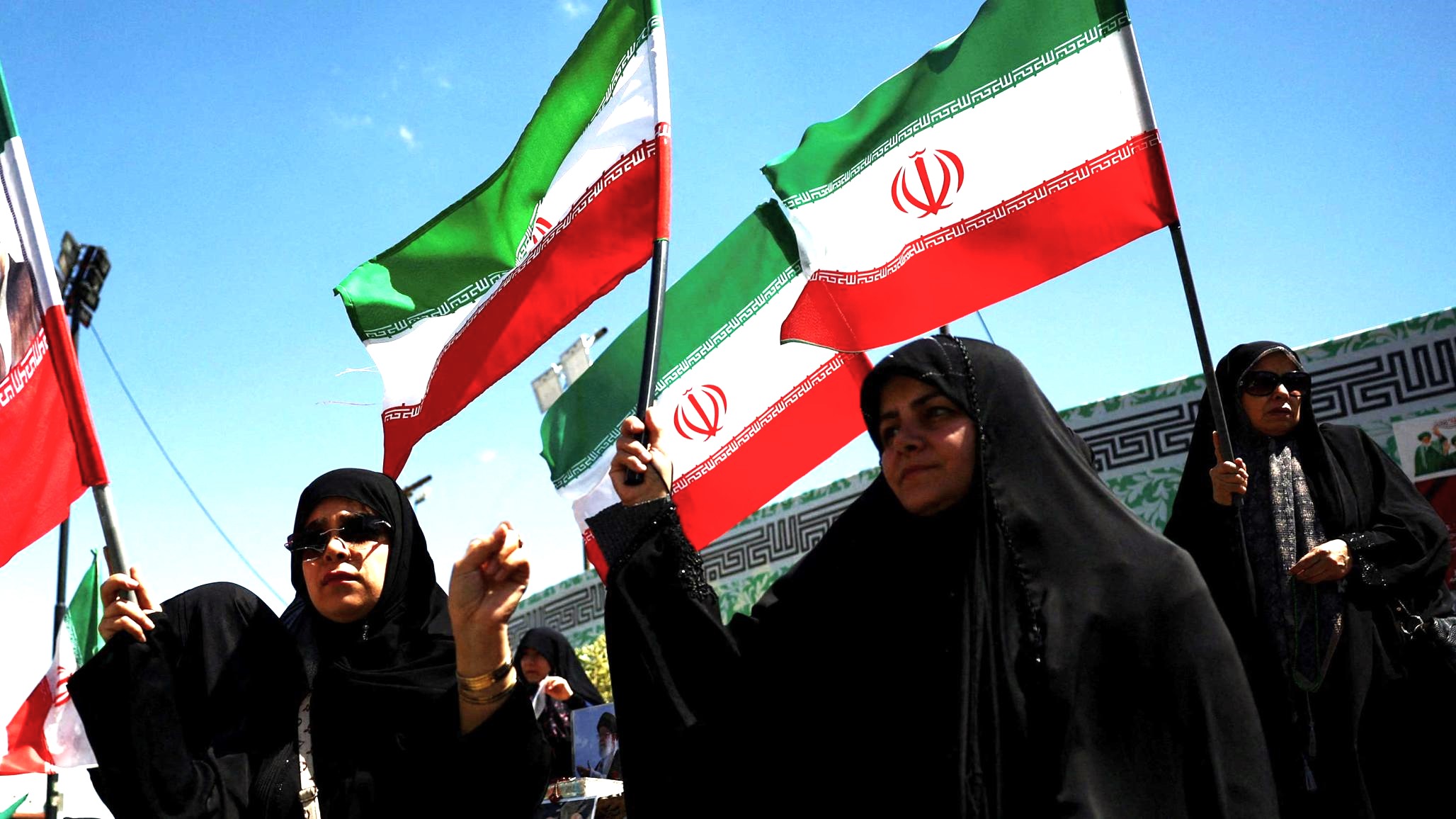
Turkey and Iran have challenging relations in terms of regional and global approach on some core issues. Iran maintains a complex but generally supportive relationship with Armenia while engaging in competition for influence in Iraq, Syria, and Azerbaijan, and actively opposing Turan which is a pan-Turkic movement. Iran and Armenia share strong political, economic, and historical ties. Iran views Armenia as a vital trade partner, especially given that Armenia’s borders with Turkey and Azerbaijan are closed. Tehran also sees Armenia as a crucial buffer against the expanding influence of Turkey and Azerbaijan and has explicitly stated its opposition to any changes to the Armenia-Iran border. Iraq and Syria are major arenas for regional power competition between Iran, Turkey, and other external actors like the United States. Iran exerts significant influence through its backing of various Shi’ite political parties and armed militias; however, this influence is not absolute and faces challenges from internal Iraqi politics, public outrage, and the ongoing foreign presence. Moreover, Iran has been a key ally of the Syrian government since 1979, providing military and financial support to the regime, though relations have been strained since the fall of the Assad regime in late 2024. Iran’s goal is to maintain a land bridge to support its proxies, like Hezbollah in Lebanon, and counter rivals.
Iran is highly sensitive to the close alliance between Turkey and Azerbaijan viewing the potential rise of “pan-Turkic” sentiment (Turanism) as a direct threat to its own territorial integrity, given the large ethnic Azerbaijani population living in northern Iran. In essence, Iran’s foreign policy in the region is driven by a mix of national security concerns, economic necessity, and a desire to balance against rival powers.
The Cyprus partition is a 50- year division of the island into a Greek Cypriot-controlled south and a Turkish Cypriot-controlled north, stemming from a 1974 Turkish military intervention following a Greek-backed coup. This partition fuels ongoing maritime disputes, particularly over natural gas reserves, as the Greek Cypriot administration claims sole right to explore in its Exclusive Economic Zone (EEZ), while Turkey insists Turkish Cypriots must be treated as co-owners of the island’s resources. After gaining independence from British rule, aspirations for union with Greece (enosis) and partition into Greek and Turkish sectors (taksim) led to intercommunal violence, especially in 1963-1964. A Greek-backed coup in July 1974 aimed to unite Cyprus with Greece. In response, Turkey intervened militarily as a guarantor power, leading to the de facto partition of the island.
The island is now divided by a UN buffer zone, with a Greek Cypriot-controlled Republic of Cyprus in the south and a Turkish Cypriot-controlled area in the north, which declared independence as the Turkish Republic of Northern Cyprus in 1983 (a state recognized only by Turkey). The international community generally recognizes the Greek Cypriot administration as the legitimate government of the entire island. The partition has created a persistent political stalemate, with different visions for the future: the Greek Cypriot side generally favours a bi-zonal, bi-communal federation, while the Turkish Cypriot side increasingly favours a two-state solution.
The Greek Cypriot administration, after ratifying the UN Convention on the Law of the Sea (UNCLOS), has delimited its EEZ and entered into agreements with neighbouring countries like Israel, Egypt, and Lebanon. The discovery of significant hydrocarbon deposits, such as natural gas, has intensified the dispute. The Greek Cypriot administration claims exclusive sovereign rights over its EEZ for exploration and exploitation. Turkey contests this, arguing that the Turkish Cypriots are co-owners of the island’s resources and that any decisions must be made with their participation. Turkey has warned against exploratory drilling in contested areas, leading to a stalemate in resource management and fuelling regional tensions.
Balancing Between NATO and Russia is the one of the core challenges. Turkey’s relations with the West are defined by a complex balancing act, where it maintains its core identity as a key NATO ally while simultaneously pursuing pragmatic and independent engagement with Russia and other global powers. Turkey remains an integral member of NATO, possessing the alliance’s second-largest military, and its geopolitical position makes it a critical partner for regional security. Recent developments highlight both cooperation and persistent friction. Turkey has been constructive in NATO strategy-making and actively supports Ukraine by providing military hardware (like Bayraktar drones) and closing the Turkish Straits to Russian warships, which limits Russia’s Black Sea operations. It is also part of a joint mine-clearing task force in the Black Sea with Bulgaria and Romania.
A major point of contention was resolved when the U.S. Congress approved the sale of new F-16 fighter jets to Turkey after Ankara finally approved Sweden’s NATO membership application. However, Turkey remains excluded from the advanced F-35 program due to its procurement of Russian S-400 missile systems, a key obstacle in U.S.-Turkey defence relations. Turkey’s EU accession talks have effectively stalled due to ongoing concerns within the West regarding human rights, the rule of law, and democratic institutions in Turkey.
Turkey’s foreign policy is characterized by strategic autonomy, seeking to maximize its national interests by engaging with all relevant actors in a multipolar world. Turkey maintains a working relationship with Russia on energy and regional issues, and has not joined Western sanctions against Moscow. However, this relationship is competitive and pragmatic, not an alliance. Turkey has resisted Russian influence in areas like the South Caucasus and the Black Sea. Ankara is exploring alternative partnerships, including potential membership in BRICS and the Shanghai Cooperation Organization (SCO), which is viewed by some in the West as a sign of “axis shift” but by Turkish officials as diversifying strategic and economic options. Turkey has leveraged its unique position to act as a mediator in the Russia-Ukraine conflict, most notably in the Black Sea Grain Initiative, demonstrating its ability to maintain dialogue with both sides. In essence, Turkey is not “lost” to the West but acts as an independent middle power whose complex relationships are a result of deliberately pursuing strategic ambiguity to navigate an unpredictable international system.
Challenges For Turkic States
PKK/YPG terrorism in Syria/Iraq is top concern for Türkiye.
Russia’s imperial influence over Turkic states has a long history of military conquest and political subjugation, particularly in Central Asia and the Black Sea region. This influence is rooted in the Russian Empire’s expansionist policies, which led to the annexation of Turkic territories like the Crimean Khanate and Turkestan, and a history of conflict with the Ottoman Empire. While the Soviet era brought all Turkic states under Moscow’s complete control, the collapse of the USSR initiated a complex post-imperial relationship characterized by a mix of cooperation and tension, with some Turkic states developing their own regional blocs that challenge Russian dominance, such as the Organization of Turkic States (OTS).
From the 18th to the 19th centuries, the Russian Empire systematically expanded into the region, defeating the Khanates of Khiva and Kokand and absorbing their territories into Russian Turkestan. This was followed by the establishment of the Transcaspian Province, with Russian policy focused on economic exploitation rather than full Russification. Following several Russo-Turkish wars, Russia gained control of the Crimean Khanate, which it formally annexed in 1783. The annexation followed a period of intervention and a nominal independence granted by the 1774 Treaty of Küçük Kaynarca, after which the region underwent a long-term de-Tartarisation process, including the confiscation of Tatar property and encouragement of Russian settlement.
The relationship between the Russian and Ottoman Empires was defined by frequent conflict and competition for territory. The Russian Empire’s southward push, particularly in the 18th and 19th centuries, often came at the Ottoman Empire’s expense, impacting Turkish foreign policy and mindset for decades. After the dissolution of the Soviet Union, many of these former colonies gained independence. The legacy of Russian rule continues to influence these countries, and their modern relationship with Russia is a complex mix of cooperation and tension. While Russia once held complete control over Central Asia, its influence has been waning in recent years. Regional groupings like the OTS have grown in popularity and activity, with some Turkic states even showing solidarity with each other against Russia’s interests in certain conflicts. This demonstrates a growing Turkic cohesion that challenges traditional Russian dominance.
Instability in Afghanistan is a huge challenge for regional stability. Afghanistan’s instability poses risks of spillover effects on Uzbekistan and Turkmenistan, including increased terrorist activity from groups like the Islamic State Khorasan Province (ISKP) and the influx of refugees. These countries are also concerned about potential drug trafficking and the broader destabilization of the region. However, the situation is nuanced, and the countries are actively engaging with the Taliban to mitigate these risks while pursuing their own strategic interests. The presence of terrorist groups like ISKP within Afghanistan, some with former Taliban members, is a major concern. These groups may seek to carry out attacks against neighbouring countries or destabilize the region. A significant influx of refugees could strain the resources of Uzbekistan and Turkmenistan.
A breakdown in stability in Afghanistan could lead to an increase in drug trafficking, which poses a security and health challenge for Central Asian nations. External support for ethnic groups in Afghanistan, like the Uzbeks, could complicate internal political dynamics within Uzbekistan and Turkmenistan. Both countries have engaged with the Taliban to seek stability and manage border security. They are participating in regional initiatives, such as the Turkmenistan-Uzbekistan-Tajikistan-Afghanistan-Pakistan power interconnection and the Central Asia – South Asia power transmission line (CASA-1000), to foster economic ties and stability. Both nations are wary of potential security threats from Afghanistan and are developing their own security strategies.
They are collaborating with the Taliban on transboundary water issues, such as the construction of the Qosh Tepa Canal, which diverts water from the Amur Darya River. This demonstrates a pragmatic approach to managing cross-border risks and securing their water supply. Afghanistan’s instability has led to increased security threats and terrorism in Pakistan, particularly through the resurgence of groups like the Tehrik-i-Taliban Pakistan (TTP) who operate from Afghan soil. This spillover is exacerbated by the porous border and the Taliban’s alleged ties to these groups, resulting in a rise in militant activity, bombings, and border clashes. Consequently, Pakistan faces a surge in violence, internal instability, and economic strain, with concerns also about potential regional destabilization and the security of Pakistan’s nuclear arsenal.
The Tehrik-i-Taliban Pakistan (TTP) has seen a significant increase in attacks within Pakistan since the Taliban’s takeover in 2021 and operates from safe havens in Afghanistan. The porous Durand Line allows militants to move across the border, making them harder to target. The Taliban’s close ties with certain Islamist terrorist groups are a major concern for Pakistan and the region. The spillover has led to a surge in violence, including suicide bombings in Pakistan, as seen in a 2023 attack on a political rally. Tensions and clashes between Pakistani forces and Taliban fighters have also increased.
The rise in terrorist attacks and militant activity contributes to Pakistan’s internal instability and poses a significant challenge to its government. Pakistan has incurred enormous economic losses due to terrorism, a situation worsened by ongoing instability. There are concerns that continued instability could lead to the further proliferation of militant groups and a greater risk of them developing the capability for international terrorist attacks. Informal alliance between Baloch and Kurd Terror groups is also a threat for Pakistan. The Baloch Liberation Army (BLA) is supported by the Indian government along with some other western proxies to destabilize Pakistan and paying allegiance to Kurdish terror group in Iraq.
Other than what have been mentioned so far, there are few issues that need to be highlighted and worked with relevant quarters openly and behind the scenes. These issues include weak technological integration among Turkic states due to significant disparities in development levels, financial and technological resource constraints, and varying institutional capacities across member nations. Moreover, the weak Institutionalization of Organization of Turkic States is an administrative challenge that has been a key characteristic throughout its history, primarily driven by a reliance on informal politics and a lack of robust, independent bureaucratic mechanisms.
While recent geopolitical shifts have given the organization new momentum, its fundamental institutional weaknesses remain a subject of analysis. Basically, the fundamental issue lies within lack of governance mechanism that is not fully operational and lots of legislation and structural changes that need to be done in this arena. Although a formal structure amongst OTS has been established under the patronship of Türkiye, however, the lack of a Common Defence Strategy needs to be evolved along with more robust planning to overcome economic and energy challenges. This includes reviewing the dependency on Energy Routes for example Caspian gas (especially Azerbaijan to Europe) remains vulnerable. In this regard, Supply Chain Realignment is inevitable and for this purpose, it is highly desirable to capitalize on East-West corridors (Middle Corridor).
Dr. Nurhan Toguc contributed to this article