





PAF’s Technological Philosophy In The Age Of Multi Domain Warfare
“Doctrinal inadequacy is no less the cause of defeat, or of unnecessary reverses, than is
technological backwardness” – Colin S. Gray
Military forces of any nation exist and are maintained as a means through which threats can be countered. The two basic elements through which Militaries can operate effectively are the technology and the doctrine. While these two elements go hand in hand, the question of which element leads has been a topic of debate with practitioners and scholars for a long time. In the contemporary time, the complex issues surrounding formulation of doctrine and strategy have been exponentially complicated due to advances in technology. An ideal doctrine today may not hold good, or may be obsolete tomorrow, due to rapid advancement in technology.
Traditionally, Air Forces around the world are more sensitive to emerging technologies. Secondly, modern times have seen Air Power as the primary tool for prosecuting war. Recent conflicts in the Middle East, Ukraine and the Sub-Continent have proven that Air Power and technology are the tools of choice and they bring decisive results within hours. Air Forces around the world, including PAF, have increasingly adopted a doctrinal-led approach to the integration of new technologies, ensuring that technological advancements align with strategic, operational, and tactical objectives. This approach emphasizes the development of military doctrine— the guiding principles and methods for employing military forces—as the foundation for adopting and implementing new technologies.
PAF’s evolution and recent employment suggest that doctrine provides a structured framework for understanding how new technologies can support broader strategic goals, such as deterrence, power projection, or National defence. Based on this guiding principle, PAF has selected, developed and adopted technologies based on their ability to enhance capabilities outlined in doctrine, such as precision strike, information dominance, or Networked Warfare. PAF’s employment of Drones, EW, smart weapons and cloud-based C4ISR are clear examples of how doctrine has guided employment of technology. The recent Pak-India conflict also highlighted the deep connection between doctrine and technology within the framework of MDOs. Technologies were adopted to improve tactics, such as enhanced situational awareness, faster decision-making, or improved lethality. PAFs Doctrine-driven training programs incorporate new technologies so that the operators are proficient in their use. This paradigm shift is a result of PAFs smart way thinking. Erstwhile approach, led by platform centric acquisition has been replaced with capability focused induction and indigenisation. Reliance on Off the Shelf, hard and software is fraught with perils.
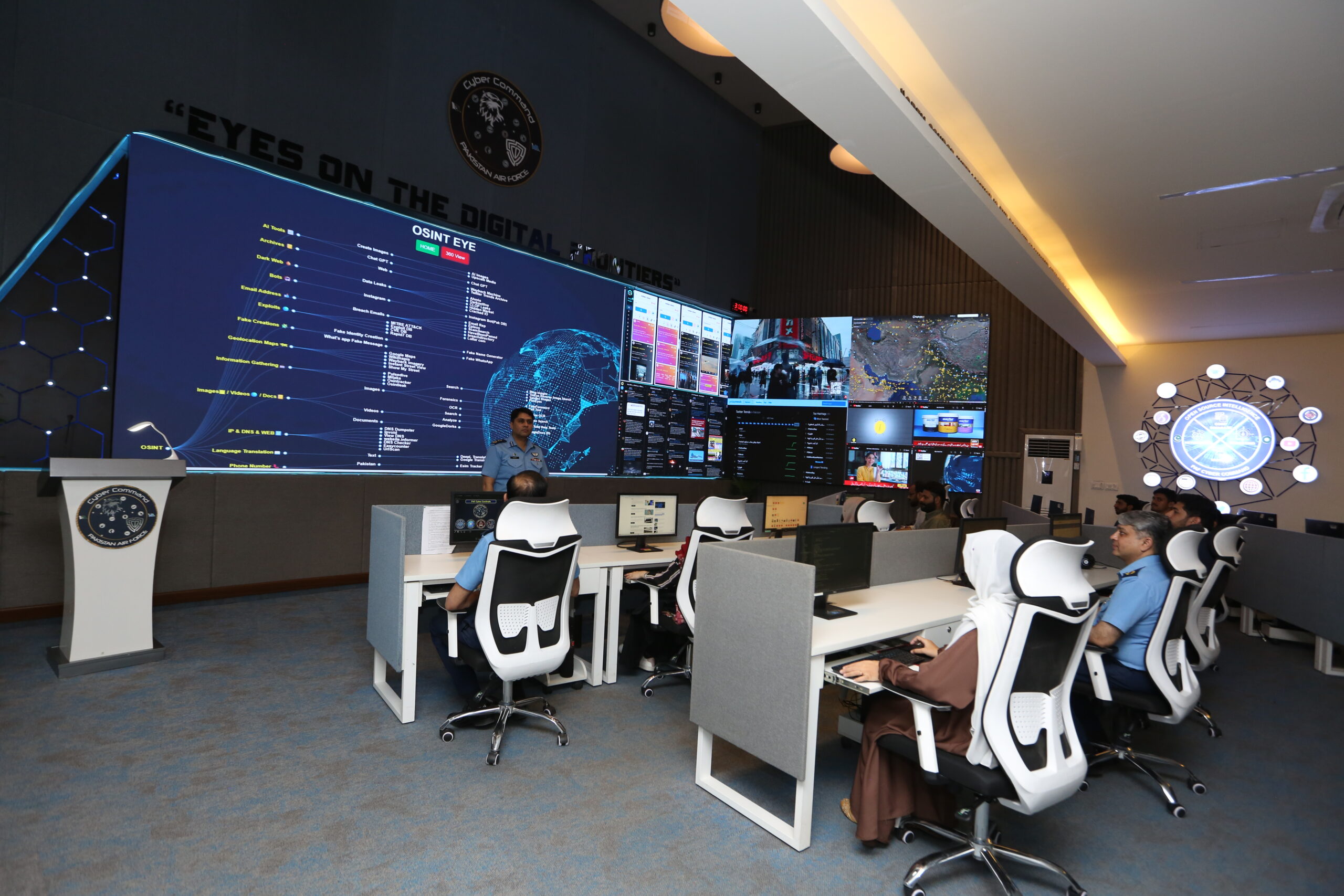
As seen in the case of exploding pagers and walkie-talkies, secure supply chain is a fundamental requirement, therefore, indigenization is the key to solving these problems. The traditional and conventional approach to warfare was largely attrition-based and focused on the destruction of an opponent’s physical capacity to wage war. Platform centric approach not only indicates entanglement in arms race but also cannot guarantee the validity of platforms in future conflicts. PAF’s approach now focuses on force development for achieving the desired effects rather than increasing size and numbers. Unpredictable regional security environment will continually pose new challenges to PAF in terms of employment strategy. PAFs Tech philosophy thus focuses on emergent technologies and concepts of operational employment, these two can be combined to adapt to change and thereby offer a more efficient use of Air Power. This revolutionary approach has resulted in an organisational transformation in all facets of PAF operations from Training to employment. PAF’s outstanding performance during the recent conflict is a clear manifestation of the success of this transformation. It will also ensure that PAF is ready to face emerging threats, such as cyber warfare, unmanned systems and artificial intelligence (AI).
In conclusion, for decades PAF had been evolving as per the dictates of time, primarily focused on emerging threats and availability of resources within fiscal reach. This developmental path was fast becoming redundant due to emerging technologies and the evolution of threats. New approach to Force development was led by a doctrinal shift in PAF’s employment methodology. Rapid transition to MDOs and EBOs necessitated induction and indigenization of niche technologies and state of the art capabilities. Where jets once led, doctrine now drives forces development.