
A US mediated, yet still fragile ceasefire halted twelve days of armed conflict between Iran and Israel which was initiated for reasons not very clearly known.
Israel stated it wanted to stop Iran from developing a nuclear bomb but it desired to change the regime in Iran and wished Iran to bend down on its knees
However, the ultimate objective of Israel was seeking impunity with which it could attack anyone, anywhere and anytime in the region, claiming to be an uncontended regional hegemon. Whether Israel achieved its objectives or not is evident from the fact that Iran’s progress to achieve nuclear weapons may have been delayed but it has not been ended, its regime is intact, and it fought alone against Israel Israel stated it wanted to stop Iran from developing a nuclear bomb but it desired to change the regime in Iran and wished Iran to bend down on its knees. and its allies till the end. Notwithstanding what happened and who won, there are some key takeaways from the whole episode for the world in general and Pakistan in particular.
Geo-politics have experienced some crude lessos. The potency of the international system and viability of international law is the foremost casualty in the New World Order. The concept of “Might is Right” has been very emphatically established; if one is powerful and adamant in pursuing one’s goals, the world will side with you. Powerful countries will try to become a hegemon by having the liberty to attack any one of their neighbours at anytime they may feel like. This might be on unfounded and scanty information yet this will be enough to convince their already aggressive mindset against a rival country or a group. It was interesting to note that during the conflict President Trump said that because Iranians chanted slogans of ‘Death to America’ and ‘Death to Israel’, he was convinced to attack them, notwithstanding the fact that Iranians were talking to the Americans and are still ready to do that. Therefore, utmost care became necessary in crafting narratives as in today’s world perception prevails over reality.
Nowadays, politico-religious objectives drive some of the deadliest conflicts in the world; India and Israel are two countries on this path.
Both are being led by leadership motivated by the extremist tendencies based on religious ideologue. Their constituency incentivize them to further their religious motives as a sacred mission. Both India and Israel have committed genocide and drawn valid lessons from each other’s campaign for implementation.
They are, however, confronted with adversaries who are steadfast in their resolve to deny both aggressors’ hegemonic ambitions. It was a vivid showcase when in May 2025, Pakistan denied India that liberty while Iran did so against Israel in June 2025. It has been observed that if a nation is united against an aggressor, it will fight back with whatever resources they have on its disposal. Strategy is therefore more important than the arsenal possessed.
Correct intelligence assessment on one’s adversary is but mandatory, without which any campaign would fail. Both India and Israel were emboldened by their killings of innocent civilians and felt invincible, however, when they opened a front against their adversary states, reality dawned on them.
Also, political objectives have to be set in line with the capability of state institutions and political leaders are not at liberty to set whatever political objectives for themselves as the objectives are to be ultimately achieved by state institutions. Israel’s Prime Minister Benjamin Netanyahu failed twice against Hamas and Iran when he failed to achieve stated objectives.
Iran has stated clearly more than once that it had no intention to build a nuclear bomb, especially when Ayatollah Khamenei issued a religious decree in year 2003. Being a signatory to the NPT, it complied with all requirements and was subjected to IAEA inspections regularly in particular post JCPOA signing in 2015. This practice was continued even after Mr Trump retreated from JCPOA unilaterally. But Israel kept emphasising that Iran was building a nuclear device; this was based more on apprehensions and speculations than reality.
It finally waged war against Iran on June 14, 2025, and also dragged the US into it. Although Iran responded and the war ended with face saving for all, its desire to become a nuclear weapon state must have become inevitable. Not only Iran but other countries have received a lesson that perhaps the nuclear bomb is the sole guarantor of sovereignty. It would not be an exaggeration to presume that the race for possessing a nuclear device will speed up in different parts of the world; all this has been fuelled by Israel and the US unnecessarily.
All political leaders may not be good statesmen. As Georges Pompidou said,
“A statesman is a politician who places himself at the service of the nation. A politician is a statesman who places the nation at his service.”
Leaders like Modi, Netanyahu and Trump have proven that. While their fiery speeches may sound soothing to the audience the leaders’ actions may have devastated millions of innocent lives for own politico-religious ambitions. It is but necessary to elect a leader who has the capacity to control his personal emotions and egovis a vis national interest. Mr Netanyahu has been dragging his nation into war for the last one and a half year for the mere sake of securing victory in next elections. He has alternately caused great devastation and has irked his population. Militarily, air defence system with a strong air force is a must against damage by one’s adversary. Simultaneously, a country must have sound long range vector attack capability, which includes artillery, missiles, rockets, drones, UAVs, etc to respond back. If an effective air defence is not available, then the country must have resilience to sustain damage and keep responding. Iran has vast swath of land which absorbed Isarael’s aerial attacks, yet it kept responding back which secured it a higher position in the conflict. This may not be the case with any other country as every country has strategic capability that is preserved for ultimate use when country’s survival is at stake.
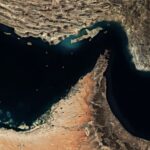
Iran’s strategic strength lies in the Persian Gulf, and it has threatened to close the Strait of Hormuz – this worked and efforts to halt the conflict between Iran and Israel were expedited. The strategic capability is not to be necessarily used but it needs to be exploited to accrue dividends, and that’s how it is employed optimally.
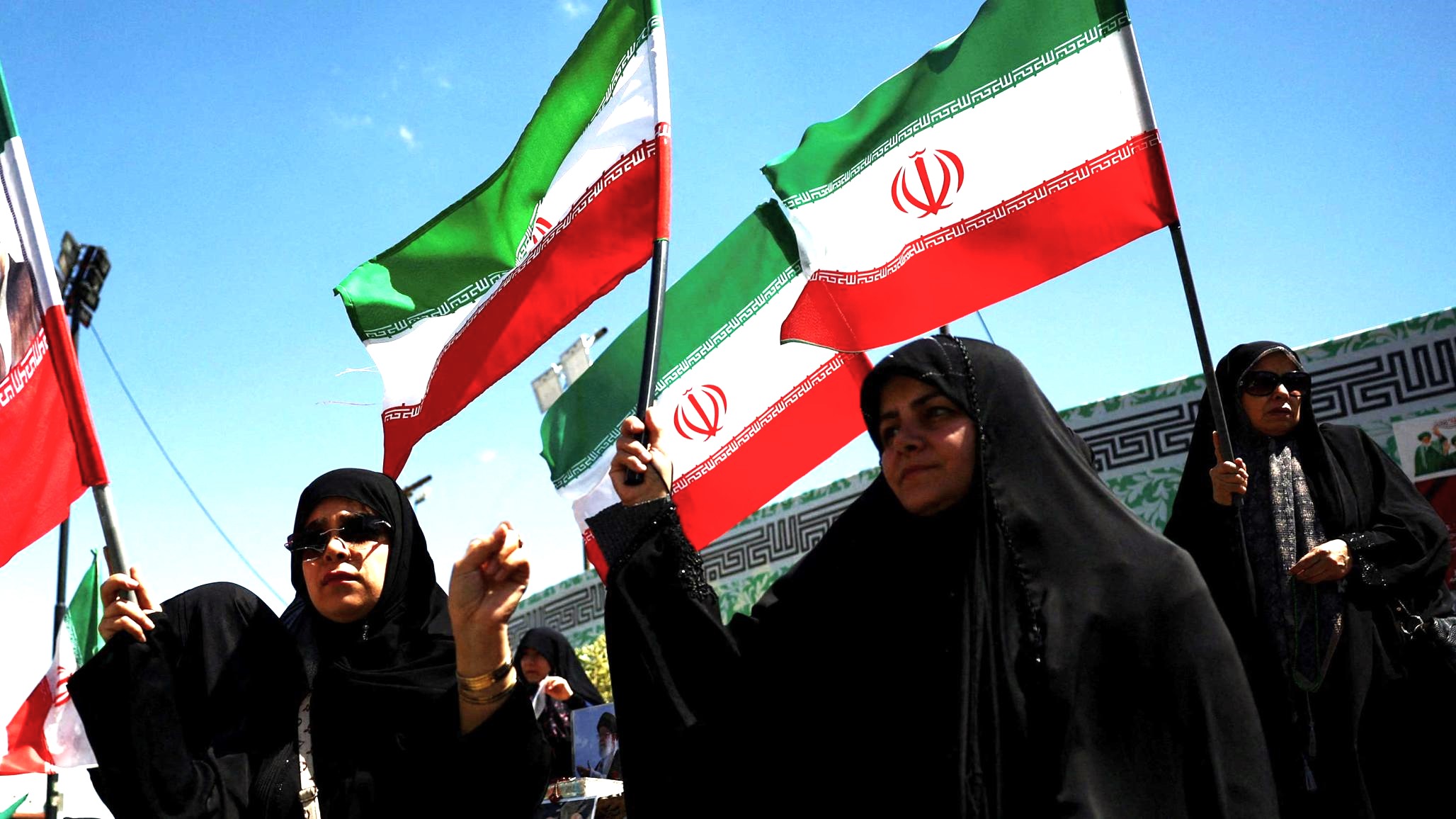
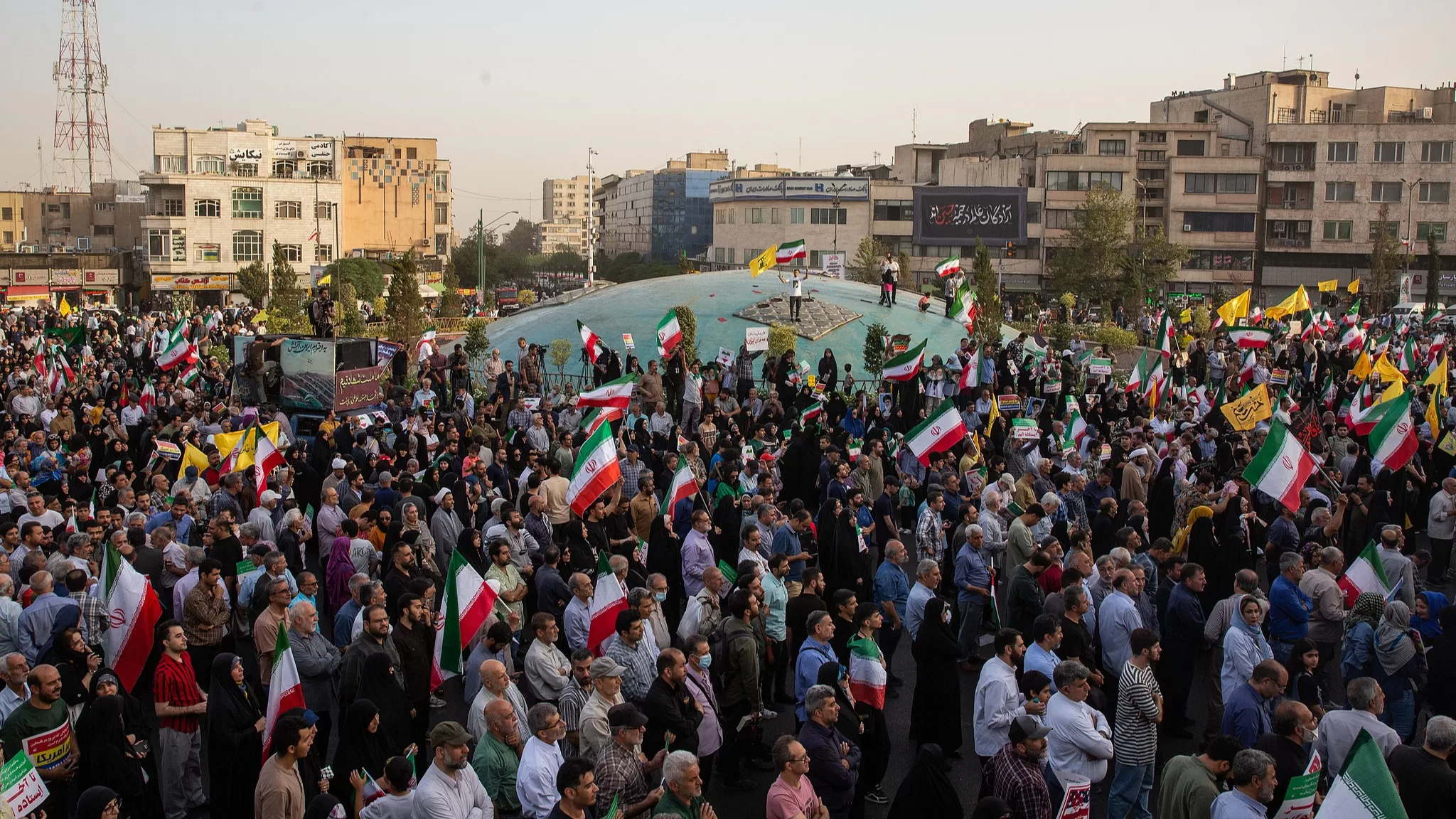
Carl Von Clausewitz’s concept of Trinity, in which government, people and armed forces must be intertwined to face a crisis has been proven correct once again. It was presumed that during the initial strikes by Israel and target killings of Iranian higher military leadership, the Iranian public would be in disarray and would side with Israel to overthrow the Iranian regime. Instead this united the people of Iran who stood behind in support of its government, regime and the armed forces.
This happened because the Iranians are proud to be the custodian of the Persian culture which embodies Iran as the cradle of Persian civilisation. They perceived the Israeli attacks as aggression against the Persian race and stood like a bulwark against it. When nations foresee that foreign aggression will ruin their life, they tend to unite to thwart the same.
The leadership of a country should therefore always remain connected with the local populace and thwart the enemy’s attempts to create a gap between the people and those at the helm of affairs.