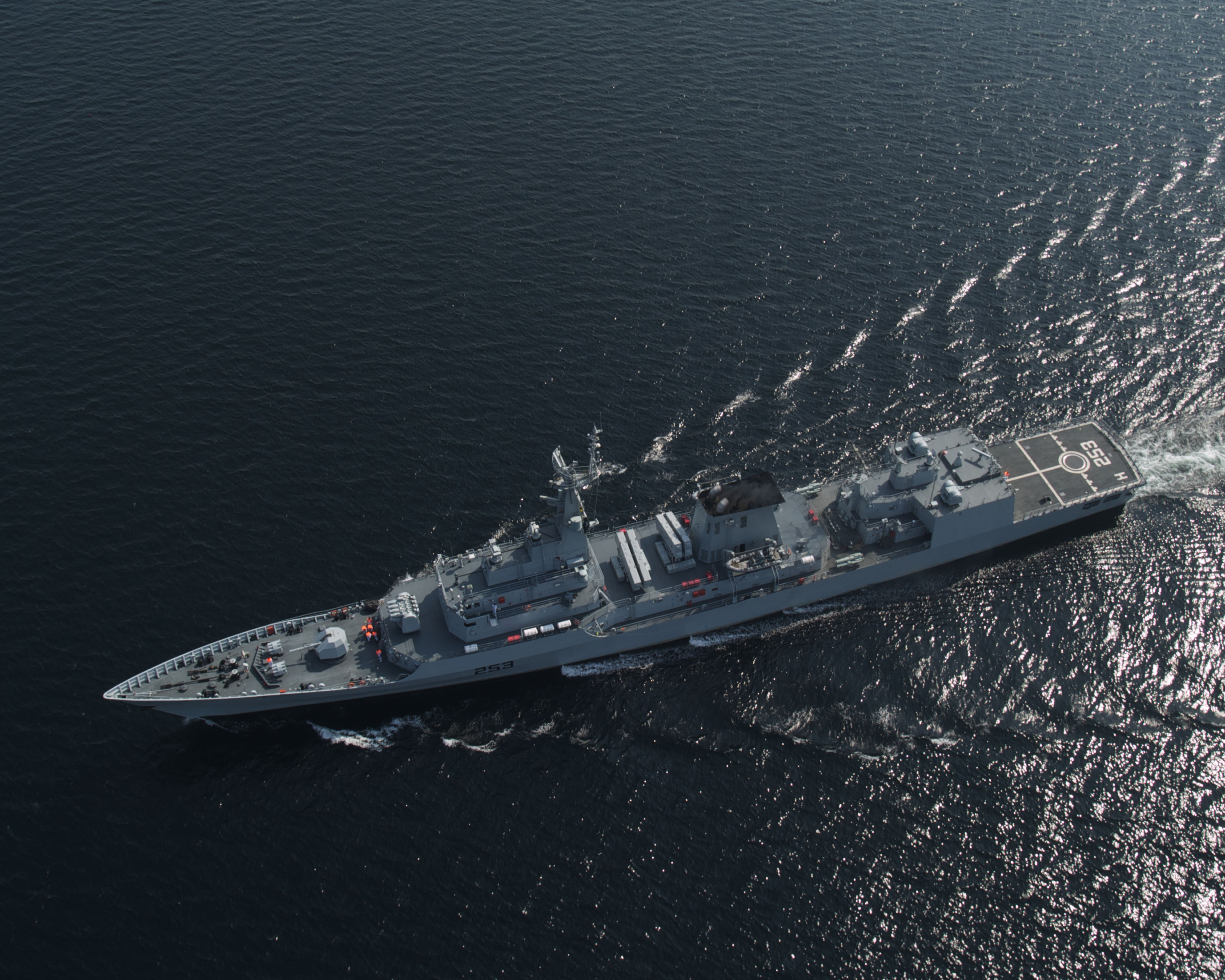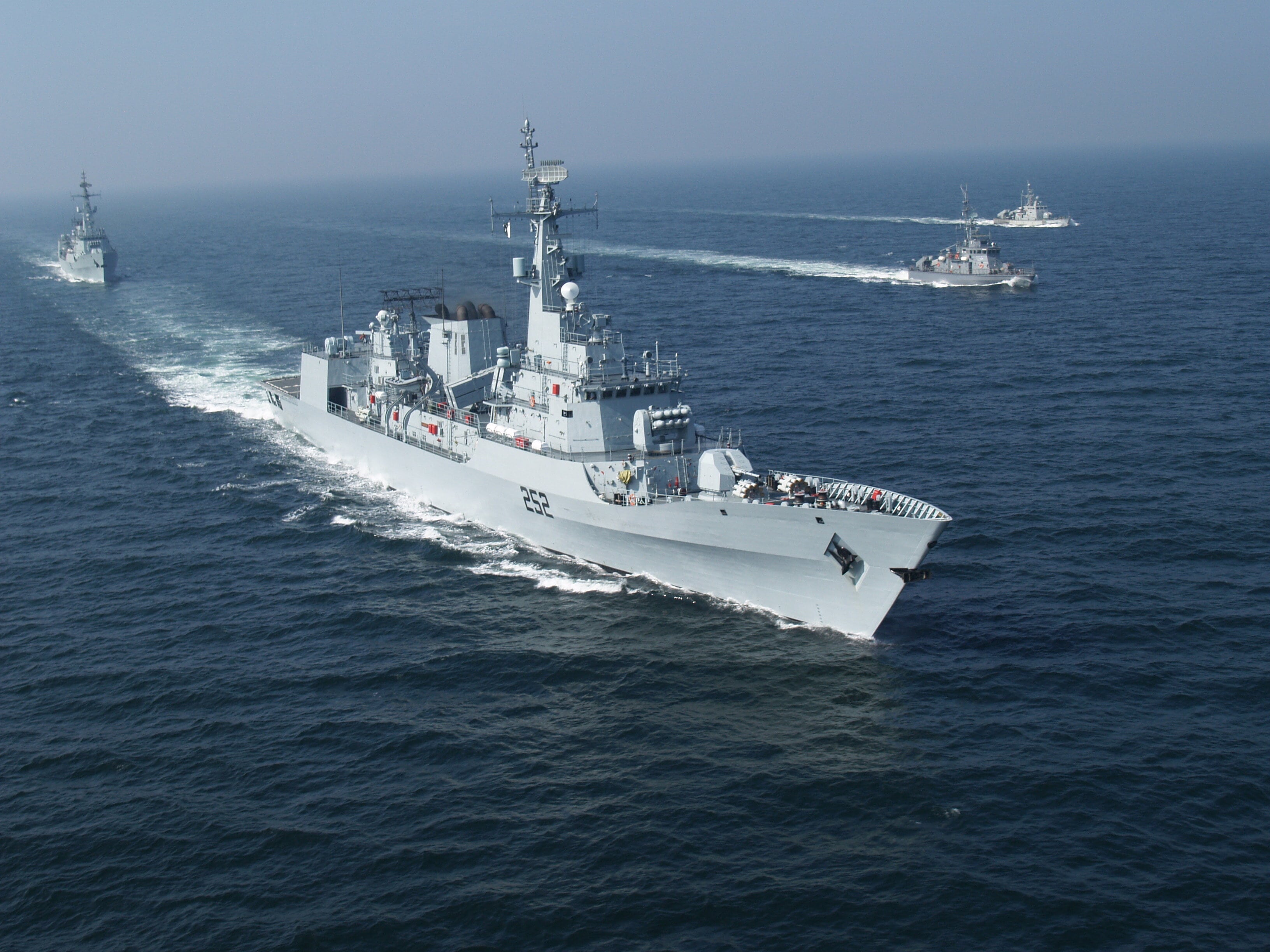





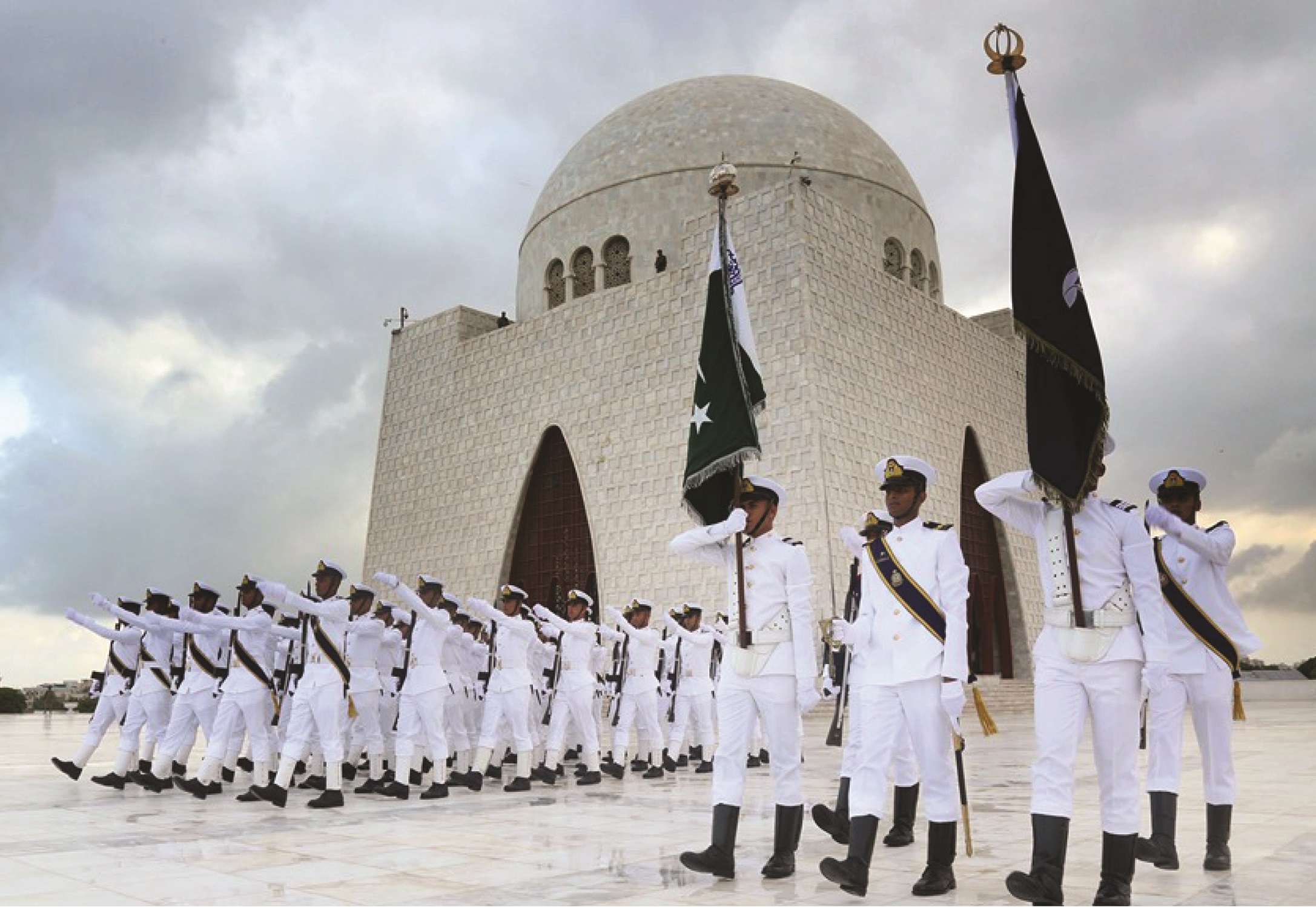
The birth pangs of Pakistan Navy (then Royal Pakistan Navy) in 1947 were no different than that of the fledgling nation. With a paltry share of sixteen assorted ships, three shore establishments and manpower of roughly two hundred officers and three thousand men, it was less than a humble beginning. The task that lay ahead was, however, monumental. It was challenging not just because of paucity of resources and assets but since the navy was to guard the maritime frontiers duly split between two wings with an arch enemy in-between. It was near distance of over 3000 miles that Pakistan Navy ships had to traverse between East and West Pakistan.
In the years that followed some effort went in by Pakistan Navy to develop maritime infrastructure and acquire a couple of surface combatants. But since the country’s focus was on development of the Army and Air Force, the naval apportionment in defence budget usually remained trifling. The naval leadership nonetheless was steadfast in seeking a stronger navy for good reasons. The focus was to consolidate available resources and put up a formidable naval force through adept deployment and employment strategy.
Prior to the acquisition of Daphne class submarines in 1969, PN procured a Fleet class submarine from the US. This submarine which was commissioned as PNS GHAZI in1964 proved a formidable asset during the 1965 war. The dread of GHAZI kept the Indian Navy virtually locked up in the safety of its home ports. Resultantly, Pakistan Navy ruled the waves in the North Arabian Sea without much opposition. The audacious attack on Dwarka and the destruction of the radar station and port infrastructure there reverberates to this day. It stands as a symbol of courage and commitment of men in whites who served the nation.
After the 1965 war, the Indian Navy underwent rapid expansion and modernization. It doubled its manpower and added significant assets to its fleet. Both submarine and surface fleet were expanded and an air arm was developed too. All this was to make a difference during the next round with India. Regardless, it was sagacity and forward thinking of our naval leadership which finally led the service to add three Daphne class submarines in its arsenal. This imaginative strategy worked quite well during the war with India in 1971.
The sinking of Indian Navy Frigate INS KHUKRI and damage to INS KIRPAN as a result of imaginative attack by PNS HANGOR on the night of 9 December1971 served as a crippling blow to the enemy. This was the first of its kind incident after WW-II wherein any conventional submarine sank a warship. It put the entire western fleet of Indian Navy on the defensive as it launched an unsuccessful hunt for HANGOR. In recognition of their courage, the valiant crew of Hangor earned four Sitara-e-Jurrat, six Tamgha-e-Jurrat and fourteen Imtiaz Asnads. This is the highest number of operational gallantry awards given to any single unit of Pakistan Navy
In the decades following the 1971 war Pakistan Navy saw major transformation and expansion in terms of surface fleet, submarines and air arm evolving into a formidable force. As a result, this successfully met all national and international obligations including participation as coalition partner in Task Force 150 and Somali Anti-Piracy Task Force 151. Apart from operational adeptness and combat readiness, Pakistan Navy delivered humanitarian assistance as and where required in the maritime area of responsibility. Scores of people were evacuated from Maldives following the Indian Ocean Tsunami in December 2004. On another note, the detection of an Indian Navy submarine close to the coast of Pakistan in the post-Pulwama standoff constituted a sure kill. But for the national resolve not to escalate, this Indian Navy submarine would have been debris lying at the bottom of Arabian Sea.

In the fast-changing geopolitical construct and realignments, Pakistan Navy has now instituted Regional Maritime Security Patrols (RMSP). The initiative aims to continue upholding international efforts in preserving regional maritime security and safeguard critical nodes against a variety of threats in the Western Indian Ocean. It also allows the Pakistan Navy to radiate influence in the region.
With global interests now firmly established in Indian Ocean and future operationalization and the indispensable need for enhancing security of Gwadar port and the fulcrum of CPEC, the need to safeguard Pakistan’s national maritime interests has never been greater. Cognizant of these evolving challenges, its responsibilities and prevalent fiscal constraints, Pakistan Navy is in the process of modernizing its assets including ships and submarines. Additionally, Pakistan Navy is also spearheading various initiatives for socio-economic uplift of the Baloch populace along the Makran Coast.
The Pakistan Navy has an unwavering and unflinching resolve to ensure the seaward defence of our vital maritime infrastructure and the protection of the maritime interests of Pakistan against all threats and challenges, for which it has not only equipped but trained its men well.