




Impacts on the Region
1. General
The present on going Yemen-Saudi conflict is not simply a conventional war between two regional neighbours – it is primarily a Yemeni civil conflict that was regionalized, with Saudi Arabia intervening militarily, Iran supporting that Houthi movement and other regional and international actors becoming involved.
2. Background
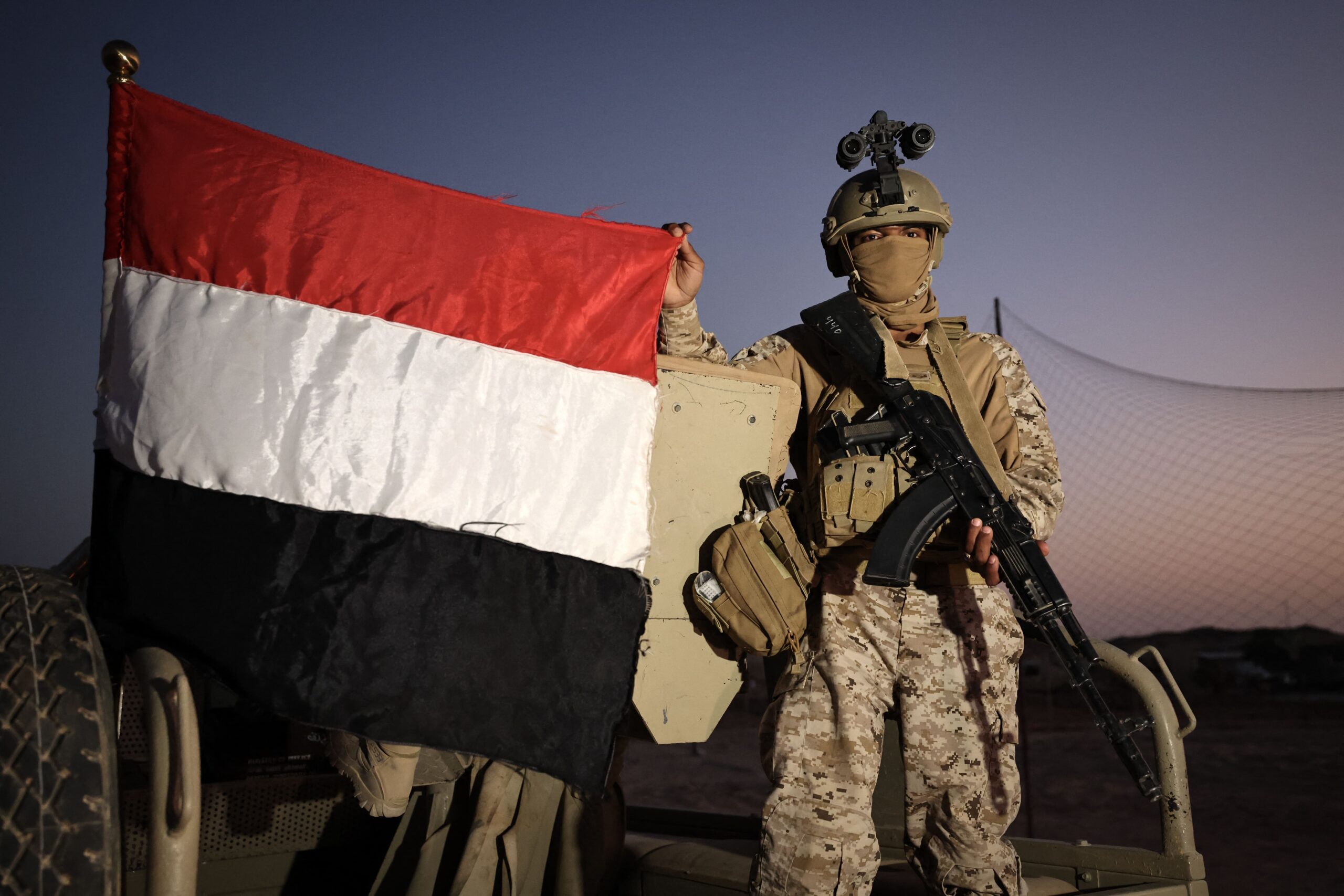
After the Arab spring in 2011, a political crisis erupted in Yemen all of a sudden. President Ali Abdullah Saleh eventually left power, but the political transition failed to establish a stable government. The Houthi Movement (Ansar Allah) rooted mainly in northern Yemen, expended its influence and captured Sana’a in September 2014. President Abd-Rabbuh Mansur Hadi’s internationally recognized government subsequently lost control of much of the country.
In March 2015, Saudi Arabia led an Arab coalition into Yemen after Hadi requested military assistance. The stated objective was to restore the internationally recognized government and prevent the Houthis from consolidating control. The conflict subsequently became intertwined with the wider Saudi-Iran regional rivalry, because Iran has provided support to the Houthis while Saudi Arabia supported the Yemeni government and other anti-Houthi forces.
3. Present Situation
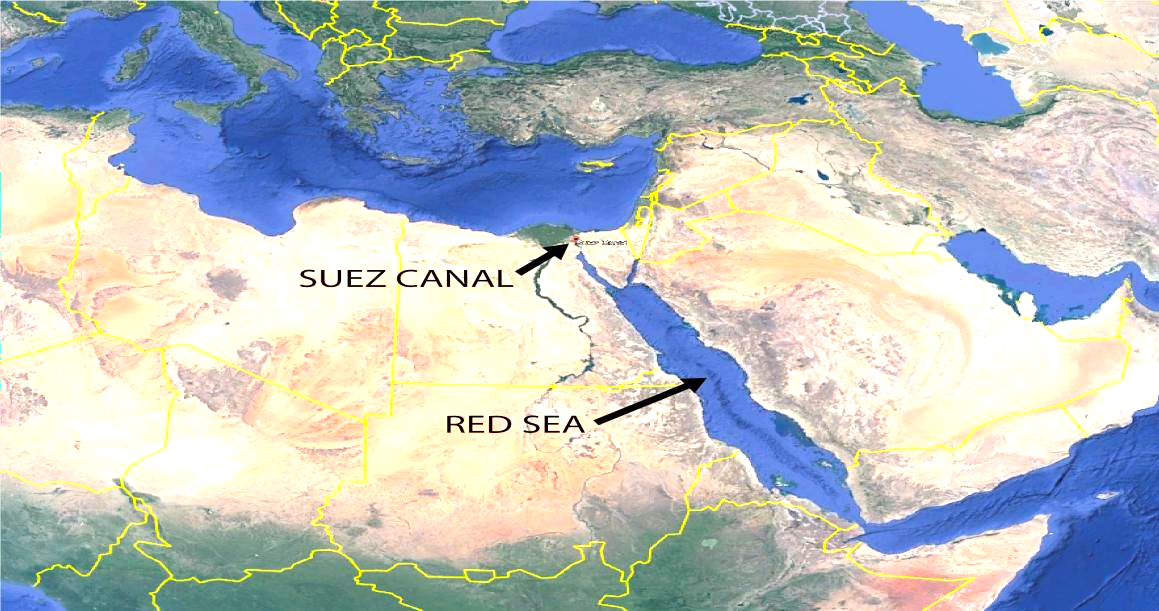
In September 2026, the conflict escalated further. Reports indicate that Houthi forces have made significant territorial advances along Yemen’s Red Sea coast, including Mokha and Perim (Mayyun) Island near the Bab el-Mandeb Strait, while also attacking targets in southern Saudi Arabia. This is strategically important because Bab el-Mandeb connects the Red Sea with the Gulf of Aden and the Indian Ocean. Control or disruption of this passage can affect international shipping, energy supplies and global trade. The alarm bells are ringing across the world over the economic shockwave that a long-term closure of the Baba el Mandeb Strait would send across the globe, as the fighting intensified between Ansar-ul-Islam’s Houthis forces and Saudis backed Yemeni government. The Ansar-ul-Islam says the passage through the channel (Bab-al-Mandeb) is open for all except Saudi vessels, against whom they have vowed to enforce a “blockade for blockade”. The Strait of Hormuz, that other major regional channel in the Persian Gulf is already closed due to the US war on Iran since February 2026. Now, the close of two major channels (Strait of Hormuz and Bab-al-Mandeb) at the same time is having a very significant effect on the global economy, as the Bab-al-Mandeb is a key marine chokepoint through which 12 percent of the world’s trade passes.
The recent Houthi attacks on Saudi energy infrastructure and shipping have strained an already fragile supply chain by disrupting oil and gas flows through the Strait of Hormuz and the Red Sea. The global oil prices have been pushed to their highest level since May 2026 because of this ongoing conflict. Pakistan is heavily dependent on the import of Saudi oil and is feeling the negative impact directly.
The tension between Houthi militia and Saudi Arabia began in July, when the Ansarullah formally declared a naval blockade of the Arab Kingdom and began hitting Saudi-flagged shipping, after Yemeni government forces attacked a flight from Iran at Sana’s airport. The Houthis have been fighting Yemen’s internationally recognised government since 2014. The violence subsided after the warring sides reached an internationally brokered ceasefire in 2022 with Chinese intervention but it flared up again after the July 2026 incident when the Houthis broke the truce, declared a blockade on Saudi shipping in the Red Sea and began attacking Saudi vessels.
The present situation has widened the conflict in entire Middle East and is threatening Saudi Arabia directly. In this scenario, in view of the Makkah Joint Defence Agreement, if the kingdom invokes the alliance’s mutual defence clause the one that treats ‘an attack on one member as an attack on all members’ the danger of a wider confrontation engulfing the entire region will have serious implications for the entire world. Although, Saudi Arabia which had so far kept itself out of the US-Iran war, is involved now in a wider regional war with Ansarullahs (Houthis).
The talks between Iran and the Gulf States aiming at reopening the Strait of Hormuz were postponed due to the present conflict. Since 2024 no meetings were held between main GCC (Gulf Cooperation Council) members states. This meeting was to be held in Oman being part of an effort to find a regional solution allowing free passage through the Strait of Hormuz. The present situation (Saudi-Houthis war) has thwarted that effort.
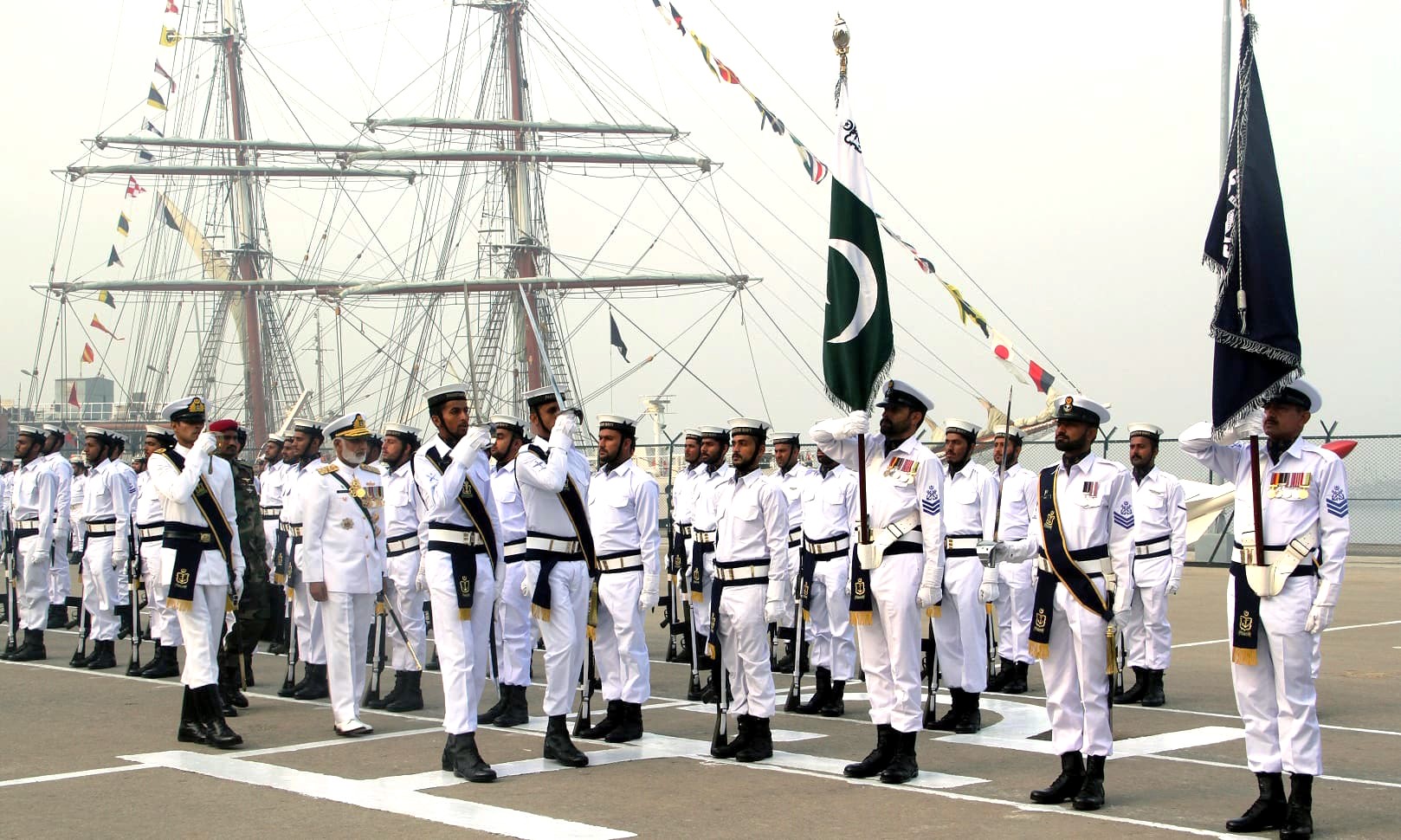
Saudi Arabia has not formally invoked the Makkah Defence Alliance clause so far, which would require Pakistan and Turkey to come to its defence if it is attacked. However, in case the present conflict spreads, Pakistan and Turkey may have to be involved physically, therefore diplomatic efforts must be made to halt the Houthis escalatory moves. The situation remains dangerous for both Pakistan and other regional countries. Pakistan needs to be more vigilant and adopt a more cautions path in a conflict that could prove disastrous for the country. A better sense must prevail in this perilous escalation and all-out efforts must be generated to resolve the issue through table talk and not on the battlefield.
4. Effects on the Region
Red Sea and Global Trade
The most immediate regional impact is to maritime security. Any sustained disruption around Bab el-Mandeb can force ships to take longer routes around Africa, increasing transportation costs, insurance premiums and delivery times.
Saudi-Iran Relations
The Yemen conflict remains one of the important arenas in the broader Saudi-Iranian strategic competition. The deterioration of the regional environment in 2026 has complicated the earlier period of Saudi-Iranian reduction in tension.
Gulf Security
The conflict demonstrates that threats to the Gulf States do not necessarily originate directly from conventional armies. Missiles, drones and attacks on shipping create a different type of security challenge. This new brand of warfare has changed the entire dimension of military conflicts.
Energy Markets
Any sustained threat to Saudi oil infrastructure or shipping routes can produce uncertainty in international energy markets. This is particularly important because the Red Sea has become more strategically significant as other regional shipping routes have faced disruption.
Humanitarian Consequences
Yemen continues to bear the greatest burden. Years of warfare have damaged infrastructure, weakened the economy and left a very large portion of the population dependent on humanitarian assistance. The UN continues to emphasize that there is no military solution to the Yemeni crisis.
Economic Effects
The prolonged conflict is threatening to turn into a wider energy, trade and economic crisis. The underdeveloped countries are already feeling the impact of oil prices.
5. Conclusion
The Saudi-Houthis confrontation has once again demonstrated that there can be no lasting security in the Arabian Peninsula while the Yemen conflict remains unresolved. The present situation is not only threatening Saudi security but also has a heavy toll on the humanitarian cost on Yemen’s civilian population.