


Pakistan was created on the basis of an Islamic ideology; the main aim being to allow the Muslims to spend their lives in consonance with the teachings of Islam. The Islamic ideology also allows equal space and freedom to the non-Muslims to practice their religions without any fear or restraint. This accommodating nature of Islam gains strength from the early Islamic era wherein the Holy Prophet (PBUH) granted full rights to the non-Muslims. The Madina Pact and Holy Prophet’s attitude to the non-Muslims after the conquest of Mecca are glaring examples of tolerance, mercy and regard for human values. Islam in true essence, therefore, is a religion of peace, tolerance, forbearance and forgiveness.
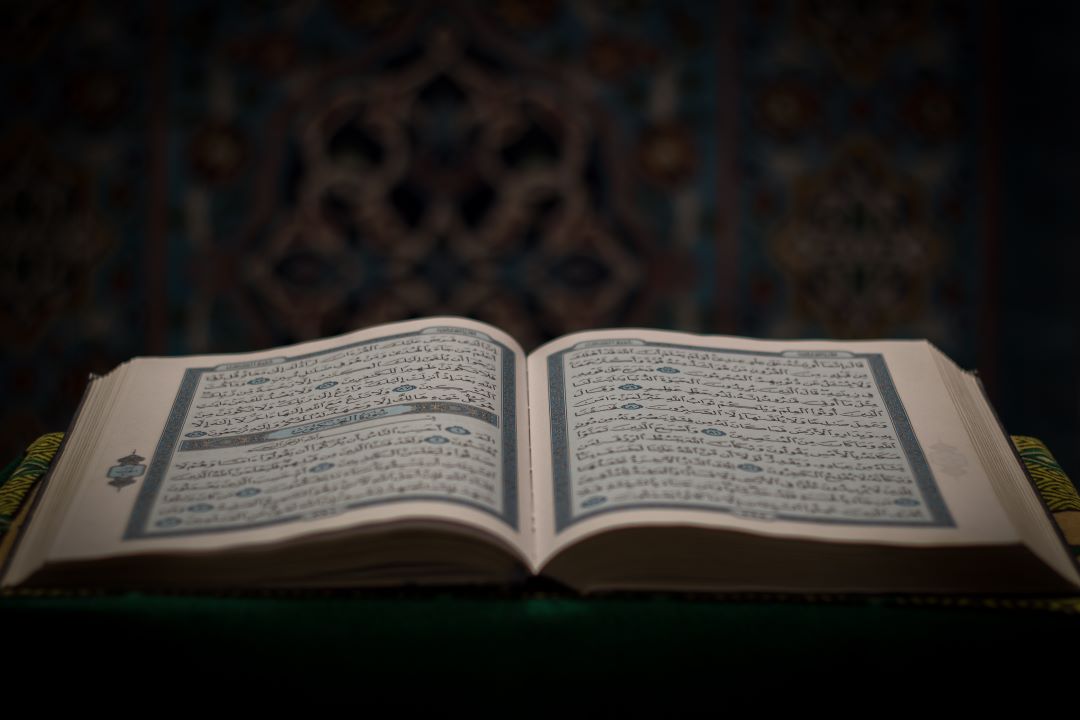
The conduct and attitude of Religio-Political parties in Pakistan reveals a diametrically opposed approach. Regrettably, they have generally played politics instead of projecting the true face of Islam. In order to increase their vote bank, they have (mis) exploited the deeply religious but illiterate populace by playing on their emotions. While doing so, they have knowingly or unknowingly promoted intolerance and violence in society. Their role has, therefore, been in sharp contrast to the teachings of Islam. Islam clearly lays down that the murder of one man is a massacre of the entire humanity, and saving the life of one human being is like saving the mankind. Islam, it may be emphasized, is a pluralist as opposed to an exclusivist religion. It brushes aside religious disputes by contending, “for you – your religion, and for us our religion (Holy Quran)”. There is no compulsion / co-ercion whatsoever. This noble principle of Islam recommends that all religions must co-exist peacefully despite their divergence in faith and conviction. A deep analysis of the role and behaviour of Religio-Political parties reflects a clear dichotomy in their stance and attitude. While they may be justified in condemning America and the West for their partisan policies, they have clearly fallen short on ostracising the barbaric actions of the militants in the name of Islam. Beheadings, multilation of dead bodies, flogging of women, suicide bombings, torching of schools, murder of religious scholars, bomb blasts in mosques/madrassahs, etc, are some of the flagrant violations of the Islamic code of life.
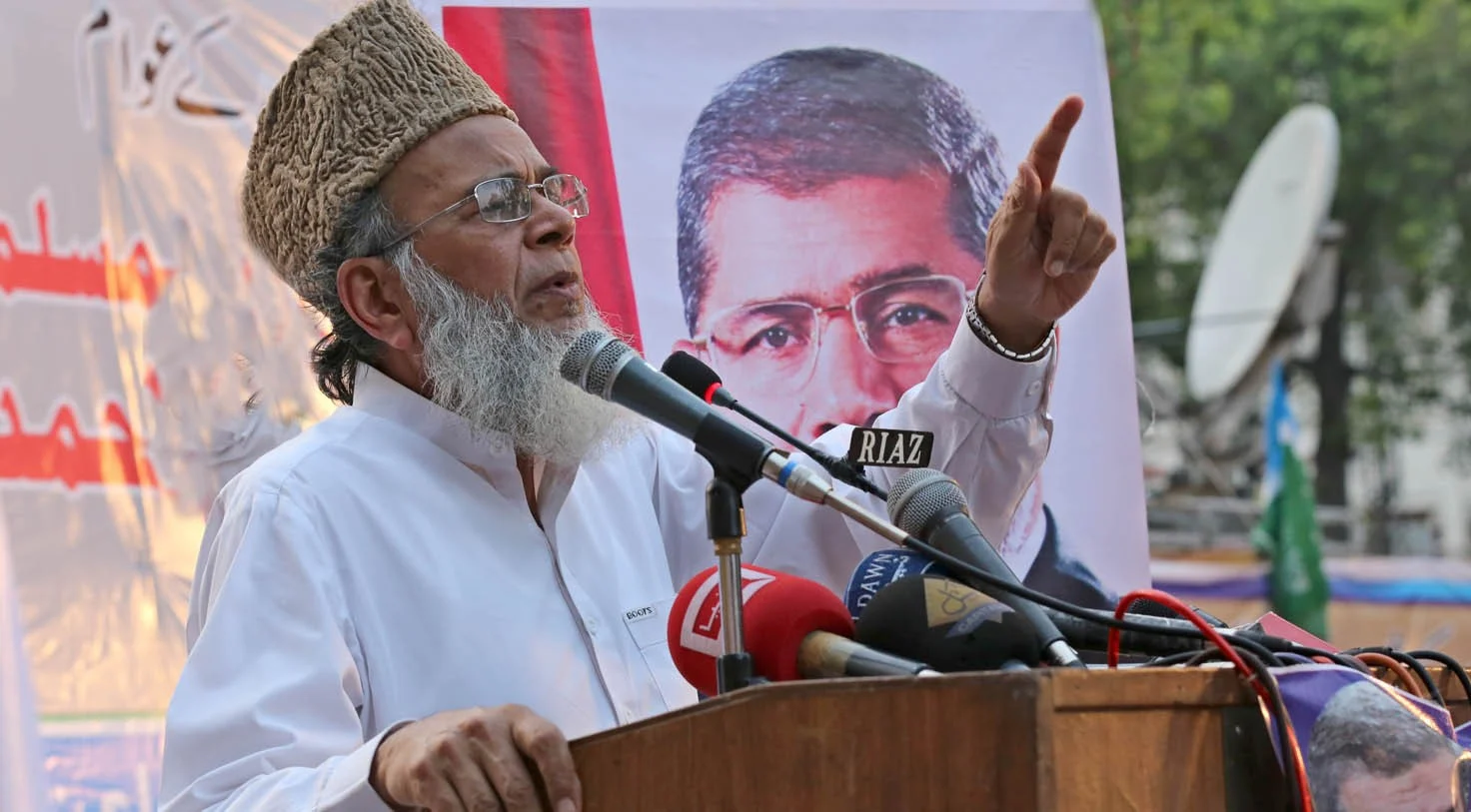
Religion has a deep impact on the lives and actions of the Pakistani society. People look toward to their religious leaders for guidance. Our religious guides are divided into three distinct categories viz the Ulema (religious scholars), the narrow-minded mullahs with little (or no) knowledge, and the religio-political leaders. While recognising the positive contribution of ulema (who unfortunately happen to be in minority), the prejudiced mullahs (who constitute bulk of the clergy) have largely been instrumental in mis-shaping the minds of common men into intolerance, bigotry and violence. The politico-religious leaders have lent full support to the mullahs in imposing their misdirected thoughts on the innocent Muslims. So in a way, they have (perhaps inadvertently) acted as collaborators and are, therefore, squarely responsible for the prevalent mess in our society. It is difficult to shrug aside a feeling that these mullahs and Religio-Political leaders thrive on instability. A common perception (and I pray it is misplaced) has begun to develop that in a country which is stable politically, economically and socially, they cease to be relevant because they find themselves devoid of popular themes or slogans with which to attract people. It is precisely this misplaced fear of irrelevance that incites them to spread chaos, intolerance and uncertainty in society. For this, they take recourse to any strategy, even at the cost of the nation’s well being and prosperity. This however, does not suggest that we have no well meaning and sincere clerics with deep sense of patriotism. They only happen to be in a minority or lack the required means and authority to reconstruct the course of positive thinking imbued with the spirit of Islam. It is this class of clerics who must be widely supported and projected to mobilize the nation towards peace, progress and prosperity. It is extremely important to highlight that the mullahs and Religio-Political leaders have gained space and made tremendous inroads due to bad governance and wrong patronage of this class by the successive governments. It is also believed that a fairly large number of village mosques in NWFP and FATA are occupied by Afghan clerics. If spitting venomous propaganda and inciting people to violence are any indicators then most of them may well have been cultivated by RAW. Religious leaders, village notables and our intelligence agencies must take cognisance of this possibility and keep them under intimate gaze and scrutiny.
Mullahs are largely responsible for splitting the society into various sects and sub-sects causing blood shed and anarchy. This is a problem of such grave nature that it warrants serious and honest intervention by the politico-religious leaders. The onus of resolving the sectarian rifts lies squarely on the shoulders of these leaders. They must reach out to every nook and corner of the country and educate the people that while we may have divergent views on various issues, the basic spirit and structure of our faith resides on belief in the oneness of Allah and finality of Muhammad (PBUH), as the last prophet and our sense of accountability on the Day of Judgement. People must be educated that, notwithstanding some differences of minor nature, we have numerous similarities, which should act as a binding force. It is these commonalties that our clerics must preach and project to ensure more cohesion and integration. I am reminded of the answer by Dr. Israr Ahmad to one of the questions put to him in a lecture at PMA Kakul way back in 1987 about the legitimacy of the Shia sect. His answer was so convincing and I must have narrated it several hundred times to the people of both sects. He had likened the two sects to roses which, even though may be different in colours, carry the same fragrance and beauty and are called roses anyway. This is how the two sects must be looked at and explained to the people directly and through all mediums. I would also like to quote Late Doctor Hameed Ullah, a renowned religious scholar based in France, whose response to a question in ‘Khutabat-e-Bahawalpuri’ about the manner in which Shias offered their prayers is worth mentioning at every forum. In his words, “Allah loved his last Prophet (PBUH) so much that He wanted to preserve his each and every action (gesture) till the day of resurrection; hence these sects are conducive to the preservation of various sunnahs of the Holy Prophet (PBUH). In all essence, all of them are committed to the Sunnah of the Prophet and as such do qualify for the blessings of Almighty Allah. These diversities should be respected rather than condemned”. This indeed must be the approach of all scholars to ensure greater harmony, unity and cohesion.
There is no denying the fact that anti-Muslim forces are out to undermine Islam. There is no one stopping the clerics from highlighting these conspiracies but the fault lies in their approach which they must alter radically to strengthen (rather than weaken) the bonds of fraternity, solidarity and brotherhood. They must aim at fortifying the nation by advocating acquisition of modern education, tolerance, selflessness, and unity amongst ranks and adherence to the teachings of Quran and Sunnah. They must motivate people to fulfill their obligations towards each other and the society at large. Mere offering of prayers (which of course is mandatory) and ignoring all other virtues, does not make one a good Muslim. It is this most significant facet of Islam that must be disseminated to the people in an unambiguous manner.
Jihad is the most frequently talked about theme in our religious discourses. This, however, has been largely misconstrued. War may sometimes be inevitable to defend the territorial and ideological frontiers of a country, but Jihad does not only mean waging war. In its broader sense, it refers to the effort or struggle necessary to put the will of Allah into practice. Muslims are exhorted to strive in this endeavour on all fronts: intellectual, social, economic, spiritual, national and international. It may be underlined that Islam does not stand for war and violence, but if the Muslims are called upon to fight in defence of their faith or their respective countries, they are enjoined to sacrifice their life and property to preserve their faith and their homeland. They should be fearful of God alone and should never ever transgress His limits. In fact, Islam has humanized war by turning it into Jihad which is waged against oppression, repression and exploitation of the helpless, weak and destitute. On the way back from Badr, the Holy Prophet (PBUH) uttered an important and oft-quoted maxim, “We are returning from the lesser Jihad (the battle) and going to the greater Jihad”, the more important and difficult struggle is to reopen their own society and their own hearts. This clearly implies that Jihad refers to one’s own as well as society’s struggle for transformation so that there exists a general environment of intellectual progress, social adjustment, spiritual grooming, economic development, tolerance and mutual bondage. These are the aspects that our clerics need to highlight. It may be understood that Islam is not averse to politics; in fact establishment of an Islamic State was an essential element of the Prophetic mission. Islam would have been incomplete without the establishment of an Islamic State. So if the Ulema are inclined to politics, they are well within the teachings of Islam – it is just the imbalance in their professional demands and practices that makes their role lopsided and questionable. Their status in society places on them onerous responsibility of organising the diverse sects / factions (Sunni, Shia, Barelvi, Deobandi) into one cohesion entity capable of serving, as well as promoting the greater cause of Islam and the Islamic State to which they belong. The onus of transformation, therefore, lies squarely on the Religio-Political leaders who enjoy mass following. They are capable of doing that if, and only if, they rise above their personal as well as party interests and give up their misguided obsessions.
To sum up, religio-political leaders and clerics have a great responsibility to shoulder since they have a tremendous impact on the minds of the common man. They must discharge their obligations in the true spirit of Islam. Political leaders must also discharge their duties to meet the needs and aspirations of people through better governance. They must make concerted efforts to remove the misperception of pursuing the interests of foreign powers. The Media must also play a more pro-active role in projecting the true face of Islam.