

Navigating the geopolitical fault lines of the Middle East has always been a core requirement of Pakistan’s foreign policy, but few acts are as precarious as balancing its deepening alignment with Saudi Arabia against its delicate relationship with neighboring Iran.
Managing these competing interests remains one of Pakistan’s ultimate diplomatic imperatives and perhaps reflects a juggling act never seen before
Pakistan’s strategic tilt toward Saudi Arabia is rooted in deep economic, security, and religious ties. Saudi Arabia hosts over 2.7 million Pakistani expatriates who contributed nearly $9.8 billion in workers’ remittances – representing almost a quarter of Pakistan’s record $41.6 billion total remittance inflows. This financial lifeline, combined with periodic central bank liquidity deposits and deferred oil payment facilities exceeding $3 billion, keeps Islamabad’s external finances afloat during recurring balance-of-payment crises.
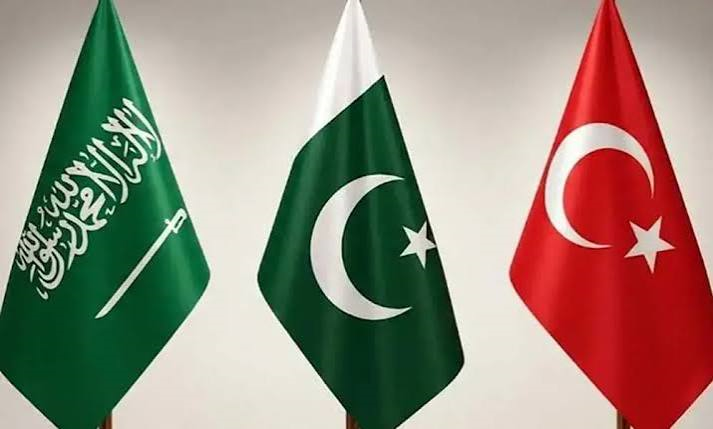
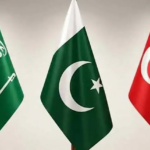
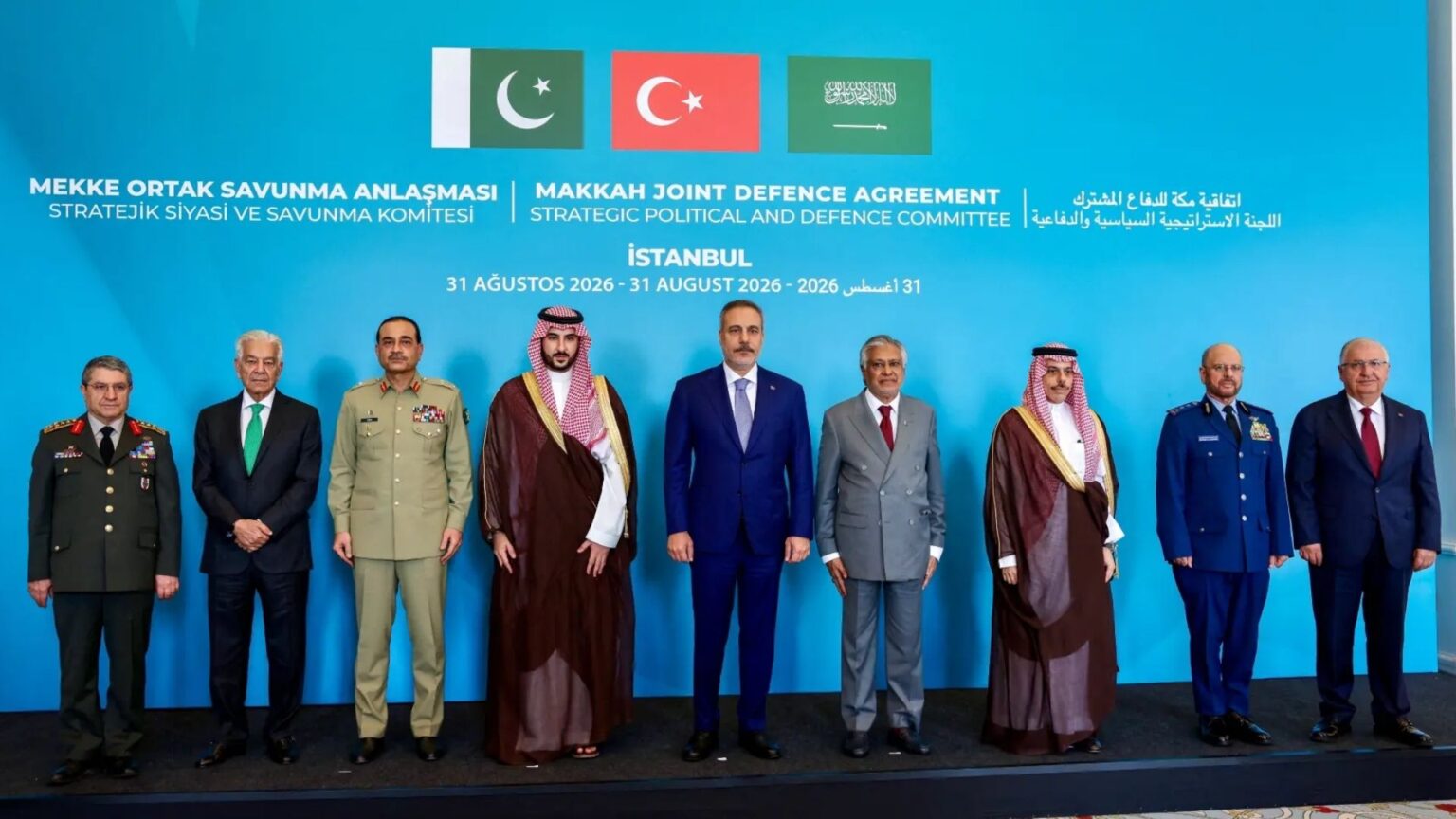
This financial dependency heavily mirrors Pakistan’s defense commitments. The security relationship deepened significantly with the Mecca Joint Defense Agreement alongside Saudi Arabia and Turkey. Formally structured around a mutual defense clause where an attack on one member is framed as an attack on all, the pact positions Pakistan as a primary security guarantor and supplier of military deterrence capabilities.
With Pakistan heading the alliance secretariat, Islamabad gains elevated regional status, defense technology access, and institutional support for its military establishment.
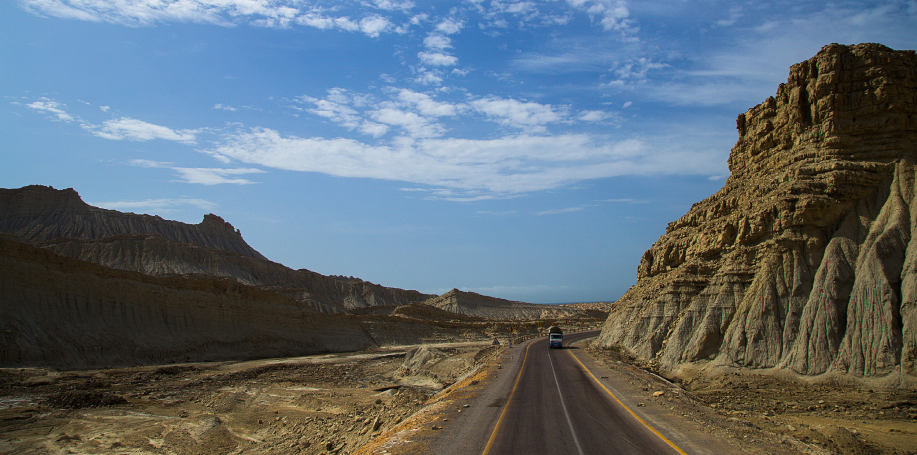
Despite its heavy security integration with Riyadh, Pakistan cannot afford an adversarial relationship with Iran. Pakistan shares a porous, 900-kilometer border with Iran across the volatile province of Balochistan. Managing cross-border insurgencies, smuggling, and counter-terrorism requires constant intelligence sharing between Tehran and Islamabad. Domestically, Pakistan hosts one of the world’s largest Shia minority populations – comprising an estimated 15% to 20% of its 240 million citizens – meaning that openly siding with Saudi Arabia in a regional proxy conflict risks triggering destructive sectarian friction at home.
Despite its heavy security integration with Riyadh, Pakistan cannot afford an adversarial relationship with Iran
Furthermore, Iran represents a vital economic partner on Pakistan’s western border. Bilateral trade between the two neighbors reached approximately $2.8 billion, with Pakistan importing nearly $1.4 billion worth of Iranian goods – predominantly petroleum gases, electricity, and steel. Border hubs in Pakistani Balochistan rely almost entirely on roughly 100 to 104 megawatts of imported Iranian electricity to power basic infrastructure, illustrating how localized economic dependencies tie Islamabad directly to Tehran despite Western sanctions.
This balancing act presents major structural challenges across several primary domains. First, in terms of security versus neutrality, the Mecca Pact obligates Pakistan toward institutional defense guarantees, while Tehran demands strict Pakistani neutrality and peaceful border management, leaving Islamabad constantly exposed to the risk of being drawn into broader Gulf conflicts during regional escalations.
Second, deep economic dependencies bind Pakistan to Saudi Arabia through critical financial bailouts, foreign direct investment, and massive remittances, whereas Western sanctions on Iran severely limit formal trade, banking cooperation, and projects like the long-delayed Iran-Pakistan gas pipeline. Third, complex regional dynamics complicate these ties, as Saudi Arabia aligns with Western security architectures while Iran maintains key economic ties with India, including developing the Chahbahar port project just 170 kilometers away from Pakistan’s Chinese-funded Gwadar port.
Pakistan’s strategic tilt toward Saudi Arabia is rooted in deep economic, security, and religious ties
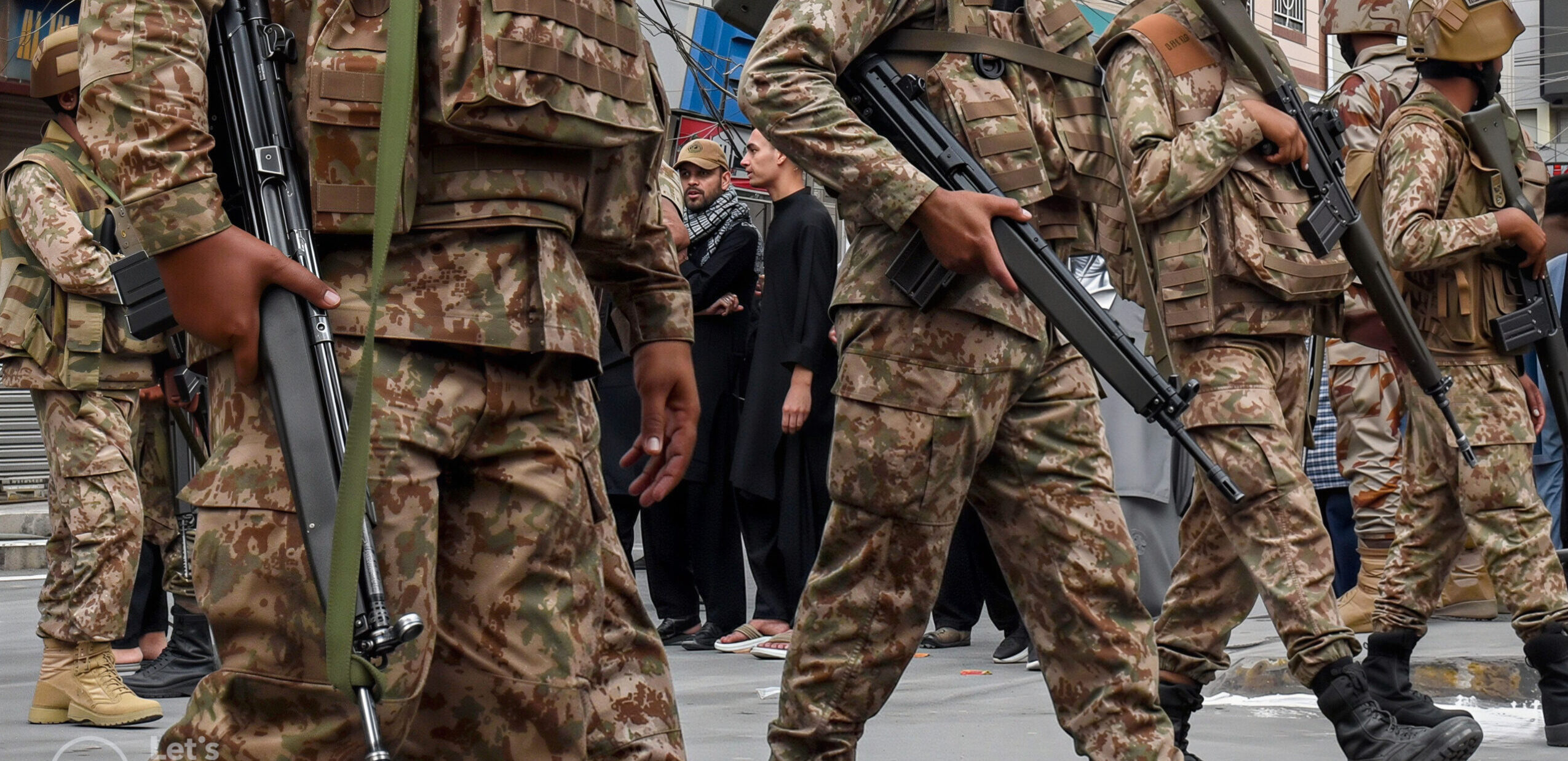
Pakistan’s domestic economic fragility – evidenced by a national debt exceeding 70% of GDP and recurring IMF bailout programs – further constrains its diplomatic choices. Heavy reliance on international financial institutions and Gulf bailouts makes querying Saudi interests difficult. Simultaneously, Pakistan’s primary national security focus remains concentrated on its eastern border with India, where over 60% of its operational military assets are stationed, meaning overcommitting military forces in the Middle East strains vital resources needed closer to home. To prevent the Mecca Pact from being viewed as an anti-Tehran bloc, Pakistan’s military leadership actively frames the alliance as strictly defensive and focused on collective deterrence rather than regional interventionism.
To mitigate these pressures and navigate the tightrope effectively, Pakistan must implement a cohesive strategic framework based on four primary actions.
First, Pakistan should institutionalize active neutrality and backchannel mediation by continuously posturing itself as an indispensable negotiator rather than a combatant, leveraging its military access to Riyadh and diplomatic opening in Tehran to serve as a key communication channel that de-escalates Middle Eastern tensions. Second, the state must maintain strict defensive restraints on military commitments by defining its operational participation in the Mecca Pact as strictly limited to territorial defense within Saudi borders, explicitly avoiding direct participation in external offensive operations or proxy wars. Third, Islamabad should expand bilateral border and economic frameworks with Tehran through non-sanctioned channels, prioritizing round-the-clock border crossings, formalized overland transit corridors, and border markets to ground neighborly relations in tangible economic utility. Fourth, the government must enforce strict domestic border and counter-sectarian policies, using robust intelligence mechanisms to prevent cross-border militant incursions into Iranian territory while firmly suppressing domestic sectarian rhetoric to protect internal cohesion.
By combining defensive security clarity with proactive regional diplomacy and targeted economic integration along its western border, Pakistan can protect its strategic partnership with Saudi Arabia without burning its bridges with Iran. Managing these competing interests remains one of Pakistan’s ultimate diplomatic imperatives and perhaps reflects a juggling act never seen before!