


War as an Economic Earthquake
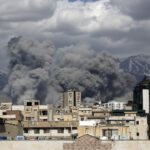
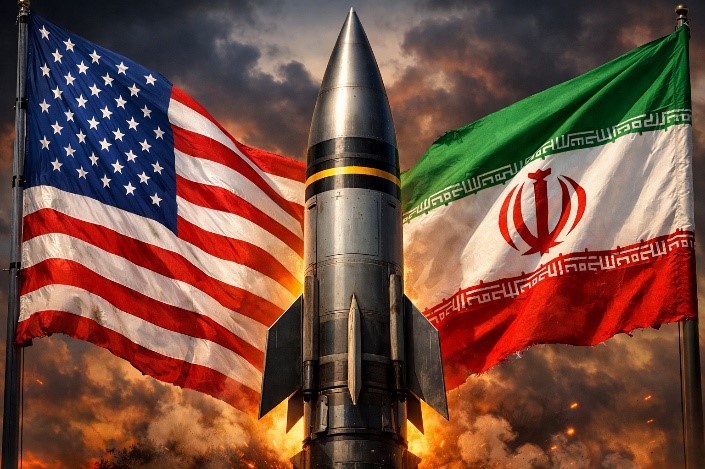
The U.S.–Iran war has not only redrawn military maps but also shaken the foundations of global commerce. Unlike conventional conflicts confined to battlefields, this war has spilled into the arteries of trade, choking supply chains, inflating costs, and destabilizing economies far beyond the Middle East.
For Pakistan and other import dependent nations, the war is a reminder that economic security is inseparable from geopolitical stability. Every container delayed, every shipment rerouted, and every insurance premium raised translates into billions lost. The war has become an economic earthquake, sending tremors across industries from textiles to agriculture.
Sanctions have been the first shockwave. The United States imposed sweeping restrictions on Iranian oil exports, banking transactions, and shipping firms. These sanctions ripple outward, ensnaring neutral countries whose trade routes intersect with sanctioned entities. Pakistani importers and exporters find themselves caught in compliance traps, forced to navigate complex documentation and rising transaction costs.
The second shockwave is energy volatility. Oil prices surged by more than 40 percent in the first months of the war, driven by uncertainty and reduced supply. For Pakistan, an import dependent nation, this spike has translated into higher fuel costs, inflationary pressures, and a widening trade deficit. Industries reliant on energy — from textiles to cement — face escalating production costs, eroding competitiveness in global markets.
The third shockwave is shipping insurance. War risk premiums have tripled, with insurers demanding higher coverage for vessels operating in conflict adjacent waters. Pakistani exporters, already squeezed by rising freight costs, now face additional burdens that make their goods less attractive in competitive markets.
The third shockwave is shipping insurance. War risk premiums have tripled, with insurers demanding higher coverage for vessels operating in conflict‑adjacent waters. Pakistani exporters, already squeezed by rising freight costs, now face additional burdens that make their goods less attractive in competitive markets.
Globally, the losses are staggering. Analysts estimate that in the first six months of the war, over $1.2 trillion in trade value has been disrupted worldwide — through delayed shipments, inflated costs, and lost contracts. This figure dwarfs the direct military expenditures, underscoring that the true battlefield is economic.
Together, these forces have created a perfect storm of trade losses. The war is not just a distant geopolitical clash; it is a direct assault on Pakistan’s economic arteries. The following pages will dissect these losses in detail, examining how sanctions, energy shocks, and disrupted supply chains are reshaping Pakistan’s trade landscape — and why defense planners must treat economic resilience as a strategic imperative.
Sanctions and the Invisible Blockade
Sanctions are often described as “economic weapons,” and in the U.S.–Iran war they have proven devastating. While missiles and drones dominate headlines, the quieter war of sanctions has inflicted deeper, longer‑lasting damage on trade.
The United States targeted Iranian oil exports, banking networks, and shipping firms. But sanctions rarely remain confined to their intended targets. They create an invisible blockade, ensnaring neutral countries whose trade intersects with sanctioned entities.
For Pakistan, this has meant:
• Banking Disruptions: International banks, wary of secondary sanctions, restrict transactions involving Middle Eastern trade. Pakistani exporters face delays in payments, while importers struggle with letters of credit.
• Oil Procurement: Iranian oil, once a cheaper alternative, is now inaccessible. Pakistan must turn to costlier suppliers, inflating its import bill.
• Shipping Restrictions: Vessels flagged or insured in Iran are barred from global ports. Pakistani traders relying on regional shipping networks face rerouting and delays.
The cumulative effect is a hidden tax on trade. Even when goods are not directly sanctioned, the compliance costs, delays, and rerouting inflate expenses. Exporters lose contracts as buyers seek more reliable suppliers. Importers pay more for fuel and raw materials.
Globally, sanctions have disrupted an estimated $400 billion worth of trade flows in the first half of the war. This includes blocked oil shipments, frozen banking transactions, and canceled contracts. For Pakistan, the share of losses is measured in billions, with the textile and agricultural sectors hardest hit.
Sanctions also erode confidence. International buyers hesitate to engage with Pakistani firms perceived as exposed to Middle Eastern risk. This reputational damage compounds financial losses, reducing Pakistan’s competitiveness in global markets. In essence, sanctions function as a blockade without warships. They choke trade flows, inflate costs, and isolate economies. For Pakistan, navigating this invisible battlefield requires not only diplomatic agility but also economic resilience.
Energy Shock and Inflation Spiral
Energy markets are the lifeblood of global trade, and the U.S.–Iran war has turned them volatile in ways unseen since the oil crises of the 1970s. Within weeks of the conflict’s escalation, crude oil prices surged by more than 40 percent, while liquefied natural gas (LNG) contracts spiked nearly 30 percent. This volatility has rippled across every sector of the global economy, creating what analysts describe as an inflationary spiral with no immediate ceiling.
For Pakistan, the impact is immediate and severe:
• Fuel Imports: With nearly 80 percent of its energy needs imported, Pakistan’s foreign reserves are drained by rising bills. The State Bank estimates that the war has added $6–7 billion annually to Pakistan’s import costs, a figure that dwarfs the country’s export gains.
• Industrial Costs: Energy‑intensive industries such as textiles, cement, and fertilizer face escalating production costs. Textile mills report electricity bills rising by 25–30 percent, eroding profit margins and reducing competitiveness in global markets.
• Transport Inflation: Higher fuel prices translate into costlier logistics. Trucking and shipping costs have risen by 20 percent, inflating the price of food, textiles, and manufactured goods.
The inflation spiral is relentless. As fuel costs rise, transportation becomes more expensive. This inflates the price of food staples, manufactured goods, and even construction materials. Consumers face higher living costs, while exporters lose competitiveness. Inflation in Pakistan has already breached 18 percent year‑on‑year, with energy accounting for nearly half of the increase.
Globally, the energy shock has wiped out an estimated $500 billion in trade value through higher costs and reduced demand. Asian economies, particularly China and India, face industrial slowdowns as factories cut output to manage costs. Europe grapples with inflationary pressures, with households paying record prices for heating and electricity. Developing nations like Pakistan struggle to maintain reserves, risking balance‑of‑payments crises.
Energy shocks also destabilize planning. Contracts signed at one price become unviable as costs surge. Exporters struggle to honor commitments, risking reputational damage. Importers face uncertainty in budgeting, undermining investment confidence. The war has thus created a double bind: Pakistan pays more for imports while earning less from exports. The trade deficit widens, foreign reserves shrink, and inflation erodes purchasing power.
The inflation spiral is not just economic; it is strategic. Rising energy costs weaken national resilience, making countries more vulnerable to external shocks. For Pakistan, the war underscores the need for diversification — both in energy sources and export markets. Without such measures, Pakistan risks long‑term economic instability.
Supply Chains and Insurance Premiums
Beyond sanctions and energy volatility, the U.S.–Iran war has struck at the arteries of global commerce: supply chains. The disruption is not limited to physical routes but extends to the financial mechanisms that underpin shipping — particularly insurance. War risk premiums have tripled, with insurers demanding higher coverage for vessels operating near conflict zones. This escalation has transformed routine shipping into a high‑risk, high‑cost endeavor. For Pakistani exporters, the consequences are immediate and severe:
• Higher Freight Costs: Shipping a container to Europe now costs 30–40 percent more than pre‑war rates. For textile exporters, this erodes already thin margins, making Pakistani goods less competitive against rivals from Turkey, Bangladesh, and Vietnam.
• Delayed Deliveries: Rerouting vessels to avoid conflict zones adds weeks to transit times. Contracts with strict delivery schedules are jeopardized, leading to penalties and reputational damage.
• Lost Competitiveness: International buyers, seeking reliability, turn to suppliers with more secure logistics. Pakistan risks losing long‑standing clients to competitors who can guarantee timely delivery.
Globally, shipping insurance and rerouting have added $300 billion in extra costs to trade flows in the first six months of the war. Freight companies pass these costs to exporters, who in turn lose competitiveness. Importers absorb higher costs, fueling inflation across economies.
The disruption is not merely financial; it is psychological. Supply chain reliability is built on trust. When buyers perceive a supplier as exposed to conflict‑adjacent routes, they hesitate to engage, fearing delays or cancellations. This reputational damage compounds financial losses, isolating Pakistan further from global markets. Even the Strait of Hormuz, briefly mentioned here, illustrates the fragility of global trade. While analysts have covered its military significance extensively, the economic impact is clear: every disruption adds billions in costs globally. Yet the broader lesson is that trade routes everywhere are vulnerable when war escalates.
Global Ripple Effects:
• Europe: Importers face higher costs for Asian goods, inflating consumer prices.
• Asia: Manufacturing hubs like China and India struggle with delayed inputs, slowing production.
• Africa: Emerging markets dependent on imported food and fuel face shortages and inflation.
• United States: While less reliant on Middle Eastern routes, U.S. exporters suffer from global shipping delays, reducing competitiveness.
Pakistan’s Strategic Vulnerability
For Pakistan, the war has exposed a critical weakness: dependence on external insurance and logistics frameworks. With premiums dictated by foreign insurers, Pakistan has little control over costs. Without domestic capacity to absorb risk, exporters remain hostage to global markets.
The lesson is clear: logistics and insurance are not mere commercial tools; they are strategic assets. Nations that control their supply chains can withstand shocks. Those that rely on external systems remain vulnerable.
Strategic Lessons
The U.S.–Iran war has inflicted over $1.2 trillion in global trade losses in its first six months — through sanctions, energy shocks, and insurance premiums. For Pakistan, the losses are measured in billions, widening deficits and eroding competitiveness. Yet beyond the immediate damage, the conflict offers strategic lessons that must shape future policy.
1. Trade is Defense Economic resilience is as critical as military strength. The war demonstrates that sanctions, energy shocks, and insurance premiums can cripple economies more effectively than missiles. For Pakistan, safeguarding trade flows must be treated as a defense priority, integrated into national security planning.
2. Diversification is Survival Reliance on Gulf energy imports and limited export markets has left Pakistan vulnerable. Diversification — into Central Asian pipelines, renewable energy, and broader export destinations — is not optional but essential. Without it, Pakistan risks repeating the same cycle of vulnerability in future conflicts.
3. Logistics and Insurance as Strategic Assets Shipping insurance and freight costs have emerged as hidden battlefields. Nations with robust logistics and insurance frameworks can absorb shocks; those without are left exposed. Pakistan must invest in domestic insurance capacity and modern logistics to reduce dependence on foreign systems.
4. Diplomatic Agility Matters Neutral countries are often collateral damage in great‑power conflicts. Pakistan must strengthen diplomatic channels to secure exemptions, alternative trade routes, and regional cooperation. Diplomatic agility can mitigate economic losses even when military options are limited.
5. Technology and Data Integration Real‑time monitoring of trade flows, energy prices, and insurance premiums is vital. Pakistan must invest in digital platforms that integrate economic and defense data, enabling faster responses to crises. In modern warfare, information is as valuable as oil.
Future Outlook
The future holds both risks and opportunities. Analysts warn that if the war drags on, global trade losses could exceed $2 trillion by 2027, reshaping supply chains permanently. Nations that adapt — diversifying energy, securing logistics, and building resilience — will emerge stronger. Those that fail will face prolonged instability.
For Pakistan, the outlook can be divided into three scenarios:
• Worst‑Case Scenario: Oil stabilizes above $120 per barrel, sanctions tighten, and insurance premiums remain high. Pakistan’s trade deficit widens beyond sustainable levels, reserves shrink, and inflation erodes purchasing power. Economic sovereignty is compromised, forcing reliance on external bailouts.
• Moderate Scenario: Energy prices stabilize, but sanctions and insurance costs persist. Pakistan manages to maintain trade flows but at reduced competitiveness. Growth slows, but resilience measures prevent collapse.
• Best‑Case Scenario: Diplomatic breakthroughs ease sanctions, energy prices normalize, and insurance premiums decline. Pakistan leverages diversification strategies to reduce vulnerability, emerging stronger and more resilient.
What Pakistan Must Do
• Energy Diversification: Invest in renewables, Central Asian pipelines, and regional energy cooperation to reduce reliance on Gulf imports.
• Export Expansion: Target new markets in Africa, Central Asia, and Southeast Asia to reduce dependence on conflict‑adjacent regions.
• Insurance Frameworks: Develop domestic insurance capacity to mitigate war risk premiums.
• Defense‑Economic Integration: Treat trade flows as strategic assets, integrating economic resilience into defense planning.
• Digital Monitoring: Build platforms that track trade disruptions in real time, enabling faster responses.
Conclusion
The U.S.–Iran war has struck the global economy like an earthquake, reshaping trade routes and financial stability. For Pakistan, survival lies in viewing these trade losses not as short‑term disruptions but as strategic warnings. The future demands a defense posture where economic resilience becomes the first line of defense.
Missiles may dominate headlines, yet the true damage comes from sanctions, energy shocks, and soaring insurance costs. In the long run, Pakistan’s strength will depend on its capacity to adapt — through diversification, diplomacy, and the fusion of economic and defense strategies. The conflict is a stark reminder that in the twenty‑first century, economic security is national security.