

Introduction
The intricate relationship between media freedom, geopolitical tensions, and the possible onset of World War III. The article explores the intricate role of media in depicting conflicts based on religion, the geopolitical maneuvering among powerful nations, and the increasing tensions that suggest a greater imminent conflict. By analyzing recent global events through the comparative method, this article questions the objectivity of the media and considers whether the world is already witnessing the early stages of a third world war.
The scrutiny of media freedom, a fundamental pillar of democratic nations, has intensified in light of the rising worldwide crises. Media narratives frequently influence public perception, ranging from the religiously influenced conflict between Israel and Hamas to the geopolitical posturing of superpowers. Nevertheless, do these narratives facilitate the occurrence of World War III? Through the use of the comparative approach, we will analyze ongoing global problems and the media’s influence, investigating the potential occurrence of a hybrid third world war that may already be underway.
Religious connotations and geopolitical motivations!
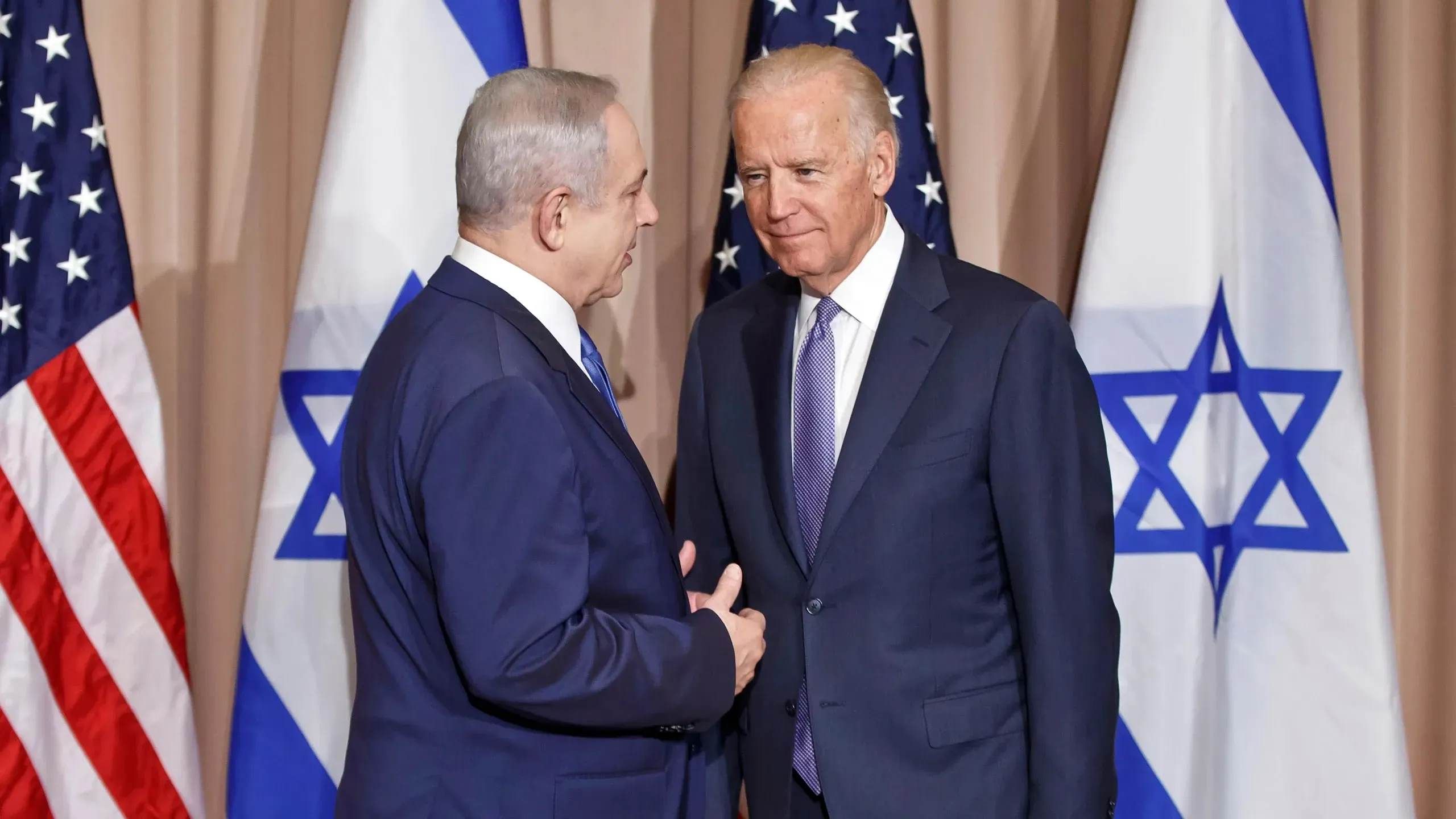
The Israel-Hamas conflict, which has its origins in religious identities is a complex and sensitive topic for the media to navigate. There is a widespread occurrence of cross-border bombings and civilian casualties, however, it is difficult to distinguish between propaganda and factual information. In the middle of this situation, the United States’ support for Israel is primarily motivated by the goal of preserving regional power dynamics, rather than being driven by religious ties. This posture has raised concerns from Russia and led to demands from China for the establishment of a Palestinian state. According to the hegemonic stability theory, this chessboard indicates that superpowers are motivated more by their desire for strategic domination rather than religious solidarity.
Warning from Superpowers!
Russia’s explicit warning to the United States over the Gaza-Israeli crisis indicates a more extensive confrontation. The presence of Putin in China, accompanied by a Russian nuclear briefcase, is not simply a display of might, it is a deliberate communication emphasizing the serious consequences of meddling, indicating the potential escalation of a fight that may have catastrophic implications worldwide.
Shifting Alliances and Armament!
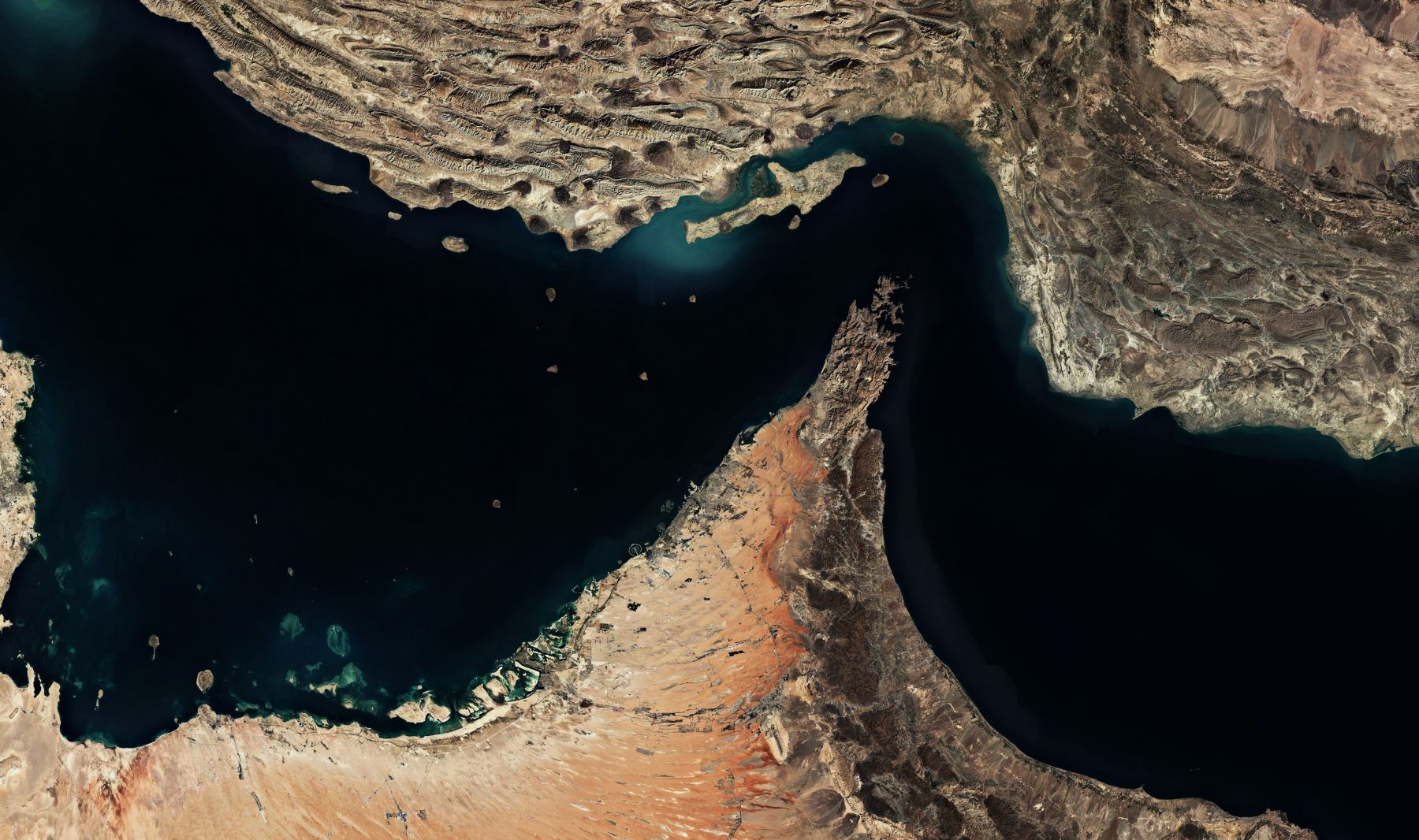
The recent visit of North Korea’s leader, Kim Jong Un to Russia, which included trips to military sites and rumors about arms and technology transfers, suggests the possibility of a developing Eastern bloc. The global power balance appears to be in a potentially dangerous state due to Iran’s increasing nuclear capability.
Economic Ripples!
The global economy, which is already experiencing unease due to wars is now confronted with additional risks. The increase in oil prices, in response to events in the Middle East, suggests a more profound economic destabilization. European defense expenditure is rapidly increasing, suggesting that governments are preparing for more significant battles.
Waiting with Anticipation!
China’s approach towards Taiwan seems to involve adopting a patient stance, while observing international responses while tensions remain high in the Middle East and Eastern Europe. Likewise, Russia’s behavior in Ukraine, which is reminiscent of the annexation of Crimea in 2014, demonstrates a consistent tendency to impose control over territories while taking advantage of global distractions.
The global economy is in jeopardy!
These conflicts are not occurring alone. The possibility of a worldwide conflict might have a catastrophic impact on the global economy, highlighting the linked nature of regional conflicts and their capacity to escalate.
The global economy is at significant risk due to increased geopolitical tensions, specifically exemplified by recent conflicts in Ukraine-Russia and between Hamas and Israel. The intensification of the situation in Ukraine poses a huge risk to the economy, as it might interrupt Europe’s energy supply due to Russia’s important role as a major gas supplier. Additionally, it could lead to trade barriers and market instability, given Ukraine’s large importance as a transit hub. Moreover, the regional confrontation between Hamas and Israel has the capacity to disrupt the world economy by impacting oil prices and geopolitical ties, considering the Middle East’s crucial role in global energy markets. These conflicts not only cause immediate economic disruptions, but also create long-term humanitarian, infrastructural, and displacement crises, which further hinder regional growth and stability. The global economy is highly interconnected, making it vulnerable to localized instabilities. As a result, disturbances in one area can have massive economic aftershocks that are felt worldwide.
The Role of Media in Shaping Perceptions of Conflict!
Does the media simply record events, or does it actively promote storylines that serve the interests of the nation? The comparison method exposes discrepancies in reporting, indicating the presence of a potential hybrid warfare component where the manipulation of information is employed as a strategic instrument.
World War III!
Is it a smoldering ember? Contemplating Machiavelli’s statement, one ponders whether World War 3 is a preventable inevitability or an existing actuality. The presence of hybrid warfare, economic disruptions, and strategic geopolitical maneuvers indicate an ongoing battle that is being intensified by nationalist media narratives, poised to envelop the entire world.
Conclusion!
The media, with its unrestricted liberty possesses the ability to mold perspectives and exert influence on global conversations. Given the presence of religious conflicts, geopolitical tensions, and economic indicators, it is crucial to engage in critical analysis as these factors suggest the possibility of a significant impending conflict. Are we mere observers of the early signs of World War III, or are we currently embroiled in a form of combat that combines conventional and unconventional tactics, while being deceived by manipulative information? To get the answer, one must carefully analyze narratives, comprehend hidden motivations, and recognize that conflict can be used strategically by opportunistic individuals seeking to exploit disorder.