





The significance of sports diplomacy cannot be marginalized in world politics because the arrangement of various games at bilateral and multilateral level strengthens people-to-people contacts between States. Governments have always tried to improve their standing in the world through promoting their soft image with the help of sports (and other means) of diplomacy. The greater reliance on the power of sports lets nations develop togetherness under the umbrella of soft power. The successful conduct of sports diplomacy at the international level empowers state governments to enhance their national image through constructing several social and cultural connections with other nations. So, sports diplomacy in the international system generally creates a continuous growth of sports politics between nations. However, parallel to the significance of sports diplomacy in interstate relations, leaders of hostile nations prefer to undermine potential sports diplomacy with the help of sports politics. In this way, a wave of sports politics generally undermines the sports-centered diplomatic forces of a country under the broader rubric of international power politics. In other words, the multifaceted strategic difference between states usually disturbs the diplomatic strengths of the nations in the world, which creates a unique layer of power politics between different governments. The persistently increasing sports politics at bilateral and multilateral levels compel various rival nations to design initiatives for downgrading the diplomatic forces of each other in the sports domain.
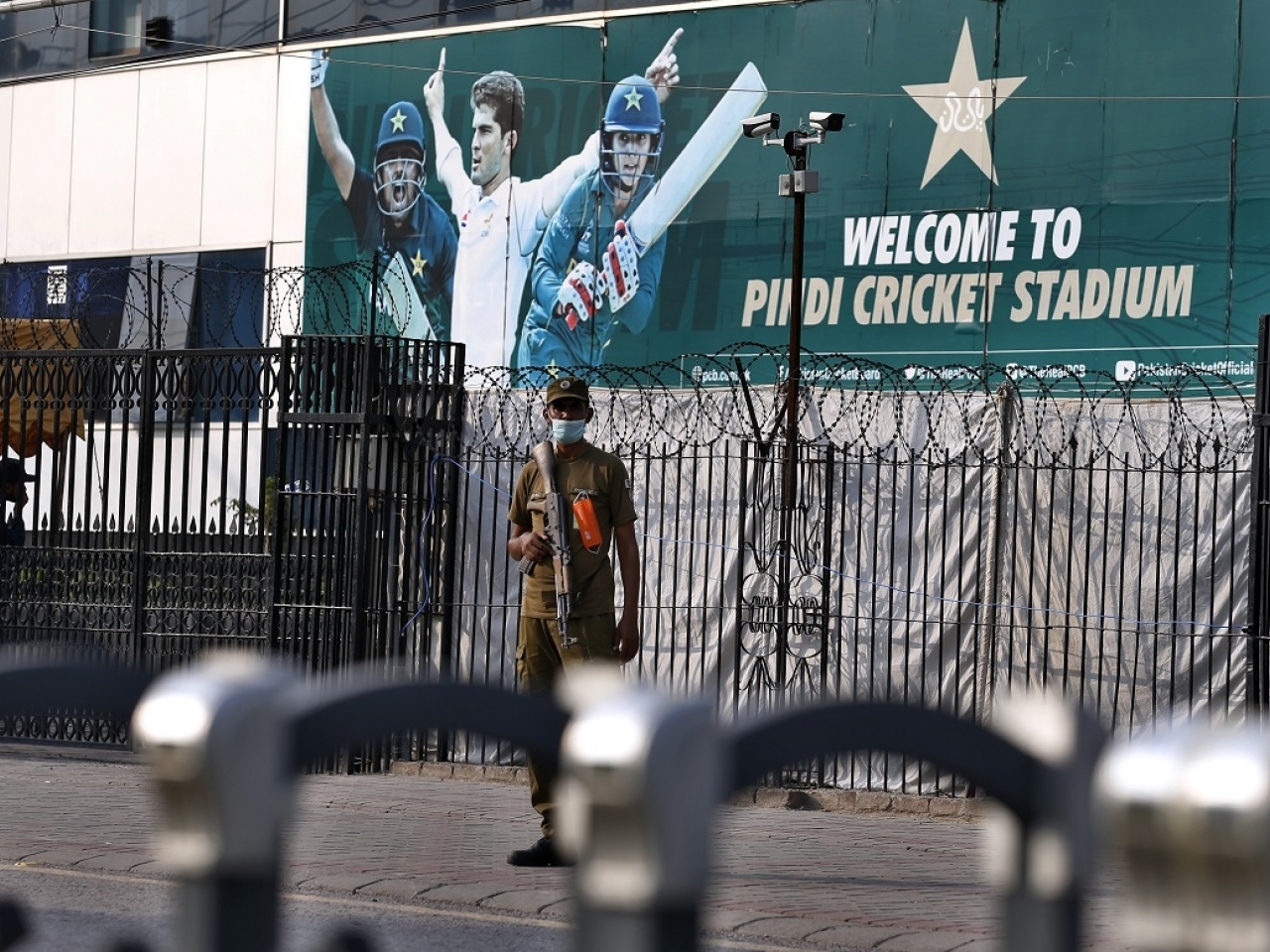
An appropriate reflection of this scenario can easily be assessed in South Asia, where an immeasurable Indian hostility against Pakistan has targeted Islamabad’s vision of sports diplomacy. Pakistan’s quest for improving its global position with the help of cricket tournaments has been attacked by Indian conspiracy, disturbing the smooth matrix of sports diplomacy between Islamabad and Wellington. New Zealand’s decision to withdraw its cricket team from Pakistan over alleged security concerns has shaken the Pakistani nation because the leaders in Islamabad were just not prepared to face such a situation. Despite providing all security assurances and positive security assessments, the cricket team of New Zealand cancelled its tour in Pakistan on serious reservations regarding Pakistan’s internal security situation. The security-centric claims of the team appeared just before the start of the first match, which was a terrible shock for Islamabad because the unilateral decision was an irresponsible act of New Zealand. Pakistani leaders tried to formally address the security concerns of Willington and despite a clear security guarantee from Pakistani authorities, the prime minister of New Zealand did not accept Islamabad’s efforts and arguments relating to the cricket team’s security arrangements.
This scenario has opened a new Pandora box for Pakistan because the decision to postpone the cricket match is an independent decision of New Zealand, which cannot be divorced from the Indian anti-Pakistani lobbying in the world. The Indian objective of keeping Pakistan at a disadvantageous position in the international community has generated numerous false flag operations. These covert operations created a clandestine network of fake international news and bogus reports to stigmatize Islamabad’s standing in the world. New Delhi’s worldwide network of disinformation campaigns has been revealed by a Brussels-based NGO working on combating disinformation contents and their promotion at the international level. The report India Chronicles of EU DinfoLab has exposed a massive network of more than 750 fake media in 16 countries along with more than 550 website domain names registered to serve Indian interests in global world politics. According to the report, the formulation of a worldwide web of disinformation is primarily designed to discredit Pakistan internationally. The efforts to undermine Islamabad’s role in regional and international affairs is rooted in the unending Indian antipathy towards Pakistan. It is pertinent to mention here that the international community has accepted the revelation of India’s disinformation campaign without making New Delhi answerable for its state-sponsored fake news machinery and its transnational connections.

Witnessing New Delhi’s global disinformation network targeting Islamabad, the recent episode of targeting the scope of cricket in Pakistan cannot be divorced from India’s anti-Pakistani global campaigns. Indian obsession with opposing Pakistan in the international community has already resulted in a tragic incident in Pakistan under the broader rubric of New Delhi-Islamabad cricket rivalry. New Delhi’s sports enmity against Islamabad has grown persistently as a part of broader India-Pakistan hostility. While opposing Pakistani cricket potential in the world, the Indian cricket team has played many matches with its Pakistani opponent in different multinational tournaments. The quest for defaming Pakistan’s national image in international sports diplomacy has led India to make Islamabad a victim of New Delhi’s aggression. This aggression was observed in the terrorist attack on the Sri Lankan cricket team in Lahore in March 2009 which was RAW sponsored. The post-attack investigations clearly identified the involvement of Indian intelligence agencies in chalking out of this attack when it was travelling between hotel and the stadium. The attack was a tragic incident in the history of South Asian sports politics for Pakistan and validated Islamabad’s claims of facing New Delhi hostility.

This time, Pakistan’s post-New Zealand investigations reports have again unmasked Indian involvement in spreading fake news about security threats to the cricket team. Islamabad identified the Indian sources behind the email which was received highlighting security threats to the New Zealand team. The New Zealand government accepted the Indian allegations on Pakistan’s internal security without understanding the South Asian regional dynamics. Pakistan has always remained a prime target of Indian antagonism. In response India’s persistently growing regional hegemonic ambition, Pakistan is the only South Asian nation capable of counterbalancing New Delhi. Pakistan’s counterbalancing potential is a significant challenge for Indian regional dominating desires which has convinced New Delhi to isolate Pakistan in the international community. Apart from realizing New Delhi’s belligerent South Asian approach and its negative impacts mainly on Pakistan, the government of New Zealand needs to keep in mind the Indian opposition to Pakistan’s peaceful approach for its territorially adjoining nations where Afghanistan and China have become the real beneficiaries of Islamabad’s vision of peace and stability in South Asia. In addition to the Chinese-sponsored mega corridor project for Pakistan and the US withdrawal from Afghanistan have become the main irritants of New Delhi’s regional policy. Beijing’s selection of Islamabad as a reliable economic partner to complete its worldwide network of trading routes and Kabul’s decision not to allow anyone to use Afghan land against Afghanistan’s immediate neighbours compelled New Delhi to plan a cricket conspiracy against Islamabad. The end result was that the New Zealand cricket team decided to leave Pakistan without playing any cricket based on Indian fake security reports.
The greater responsibility now lies on the international community which is blindly relying on Indian sources of information whereas it should have behaved with some responsibility. Leaders of the concerned nations should also investigate and verify the veracity of Pakistan’s claims about Indian interference and involvement in this particular episode. It owes that much to Pakistan.