



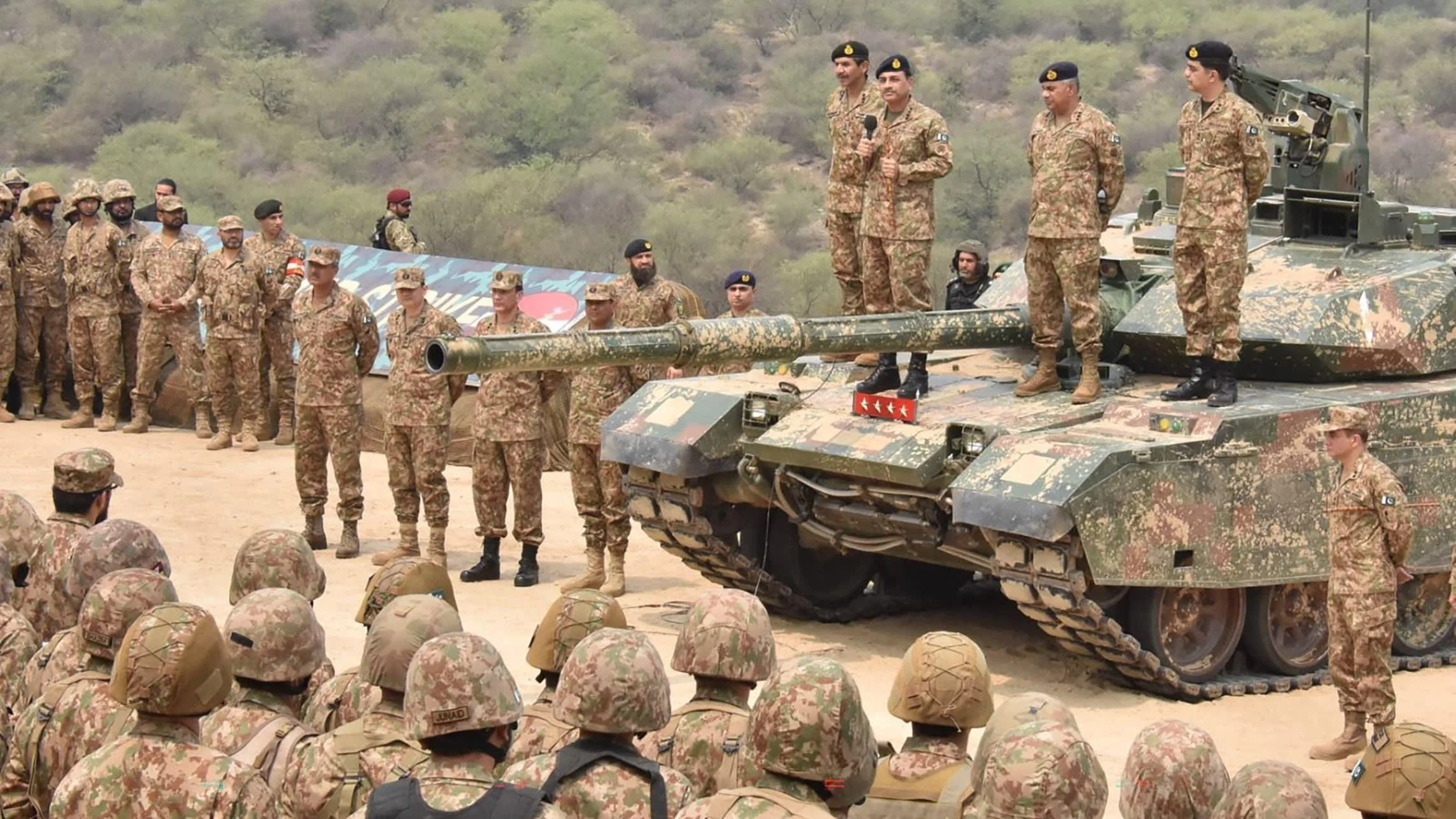
May 2025 is a month that will never be forgotten in the annals of history, in particular South Asia’s memory. India made a strategic mistake of attacking Pakistan, that too on a false pretext and as a result faced a humiliating defeat on all fronts. Pakistan waged such a befitting response that compelled India to seek US mediation for halting the war between the two nuclear neighbors. With the coherent and unified struggle Pakistani nation could achieve glory in May 2025, a legacy of triumph its forefathers gained against the Anglo-Hindu nexus when Pakistan came into being on August 14, 1947. On both occasions the success seemed distant yet with resolute response to the challenges, Pakistani nation emerged victorious in the end.
How Pakistani nation performed during Marka-e-Haq cannot be seen in isolation as it has been a norm during its short history, replete with various misadventures by our eastern neighbour. Soon after Pakistan got independence, India fought a war on Kashmir in 1948 considering Pakistan a nascent state unable to survive. It could not succeed in its nefarious designs. The efforts continued and it was in 1965 when the two belligerents came face to face with each other. The fact that there was an unjustified division of resources at the time of partition, could not stop Pakistan from waging a befitting response to India’s aggression. Their leadership’s statements of conquering Pakistan in matter of hours actually motivated Pakistanis to unite and formulate a response Indians had never imagined. They were beaten back only to hatch a plot for dismemberment of Pakistan in 1971.
Treacherous as Indians have been, they occupied Kargil in 1985 which led to another limited war between both in 1999. Twin Peaks crisis from 2001 to 2002, Mumbai incident 2008, false flag operations in 2016, 2019 and then in 2025 are all recorded in the historical accounts. One thing common in all these misadventures is the infamy India received at the hands of Pakistanis. In April 2025, as soon as the Pahalgam incident happened, preparations in Pakistan were commenced for a probable misadventure by Indian government for creating casus belli to attack Pakistan. Pakistan could exactly assimilate the gravity of situation in the coming days and was preparing to handle it.
One thing that differed Pakistan during year 2025 and the previous years was its resolve to put an end to this blackmailing by India once and for all. Hence widespread and across the board preparations were in place in Pakistan both vertically and horizontally. Pakistan’s political, diplomatic, military, media and society all were ready to take on the challenge with complete harmony. The Indian aggression connected Pakistanis in a very coherent construct which exhibited energy that masked India’s wicked plans.
Pakistan’s political leadership did not accept Indian hegemony and followed a very transparent process of negotiating the challenge. It called for a neutral investigation of Pahalgam which was turned down by the Indian government, invoking suspicion from the international community. The government’s assertion that Pakistan did not want war, but any aggression would be responded decisively was proven later when the conflict erupted. The diplomatic corps of Pakistan engaged their counterparts’ worldwide and presented the country’s genuine perspective in a sanguine manner. They apprised the international community that Indian infatuation was leading the region towards an irrevocable damage. Pakistani media played a crucial part of keeping the temperature down while preparing the public for any misadventure by India. It was an immensely critical role, yet very responsibly discharged vis a vis the Indian media who were beating war drums. The responsible citizen journalism which was seen on Pakistan’s side throughout the conflict helped strengthen Pakistan’s position. Pakistan had only one TV channel in English language vis a vis 40 Indian channels. The world’s natural inclination would naturally be towards the large number of TV channels in a language understood by majority of the world. Pakistani citizens uploaded videos showing conviction of its population to fight against India and living a normal life even during the worst of times proved crucial in understanding the ground situation. It substantiated what the government was saying. There came the kinetic part of the conflict with India attacking some parts of Pakistan on the night of 7 and 8 May, 2025. Their attack was repulsed instantaneously resulting in shooting down of seven Indian fighter aircrafts. It brought Indian Air Force to a paralysis, achieving air supremacy for Pakistan. Pakistan had declared that it acted in defence and that a response would however be given at the time of its own choosing.
On the night of 9 and 10 May 2025, Pakistan began its military campaign in all three domains. On land, it engaged multiple military targets well inside India and destroyed critical command, control and communications infrastructure. The Pakistan Air Force bombed military setups that were used to carry out attacks on Pakistan’s territory. Pakistan’s retaliatory strikes were so precise and punitive that Indian armed forces could not even respond.
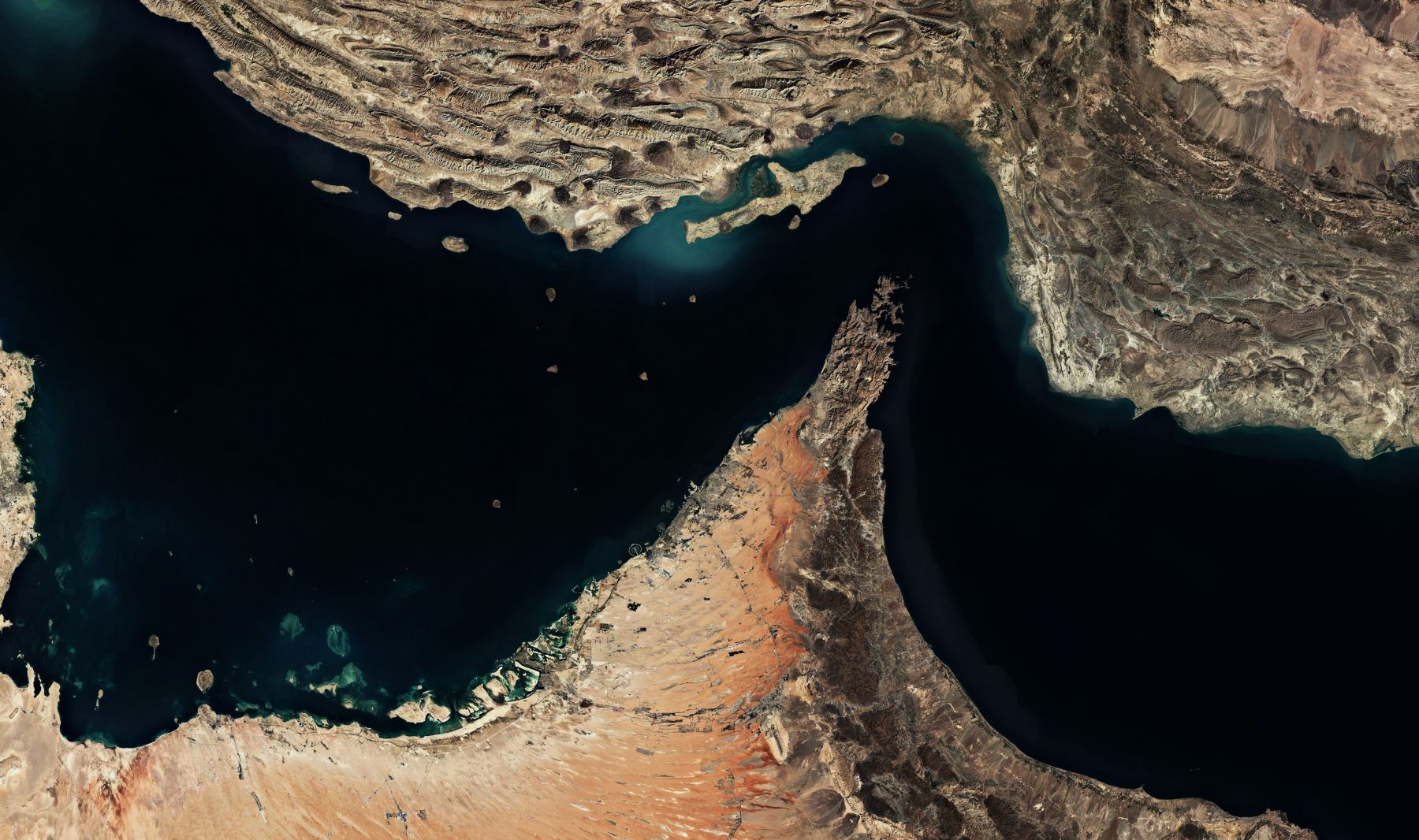
At sea the situation was more interesting. Both navies sailed out as soon as the Pahalgam incident took place. Indian Navy took stations between 700 and 900kms away from Pakistan’s coast and moved back and forth. It could not come closer than 700km throughout the conflict owing to the fact Pakistan Navy was poised to receive it with deadly response. It was more intriguing when Indian political leadership and media were claiming to have attacked Pakistani coastline and ports which did not even exist. The Indian side totally obviated the fact that they were living in 21st century when the visibility around the world was vivid and instant. Their tall claims and chest thumping were simply ignored by the world at large, and India lost not only in the battlefield but also on international front. Pakistan is accredited not only for the military win against India but also for the maturity and unity it displayed as a country in handling the crisis. The alignment of government, military and population during that time was true demonstration of the German Strategist Carl Von Clausewitz’s Trinity of passion, chance and reason. It has been Pakistan’s hallmark during all such crises and that’s why the performance during Marka-e-Haq must not be adjudged in isolation but as a legacy of Pakistani nation.