
“The first problem for all of us, men and women, is not to learn, but to unlearn.” Gloria Steinem
Human mind simplifies complex problems with multiple facets to ease the burden of processing. In this process quantifiable measures take precedence over the unquantifiable. In case of conflict, quantifiable measures such as numbers and quality of weapons system platforms, statements, and actions of key players in the conflict take the center stage of analysis. Unquantifiable elements such as personality traits of the key players, cultural milieu in which the conflict is taking place and perceiving the new forces emerging from the conflict that are changing the trajectory do not get the same attention although they can have more important bearing on the scene than the quantifiable ones.
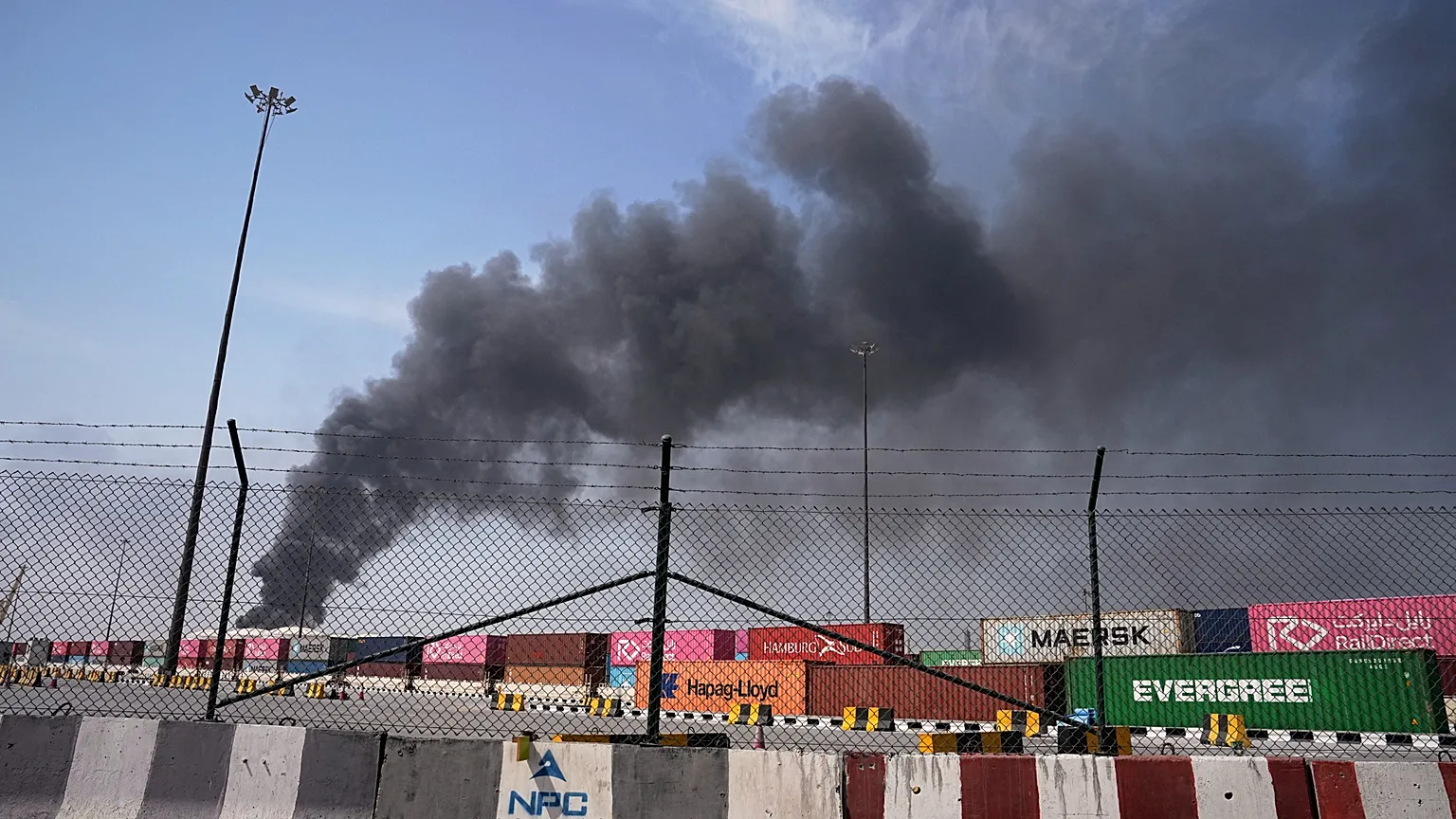
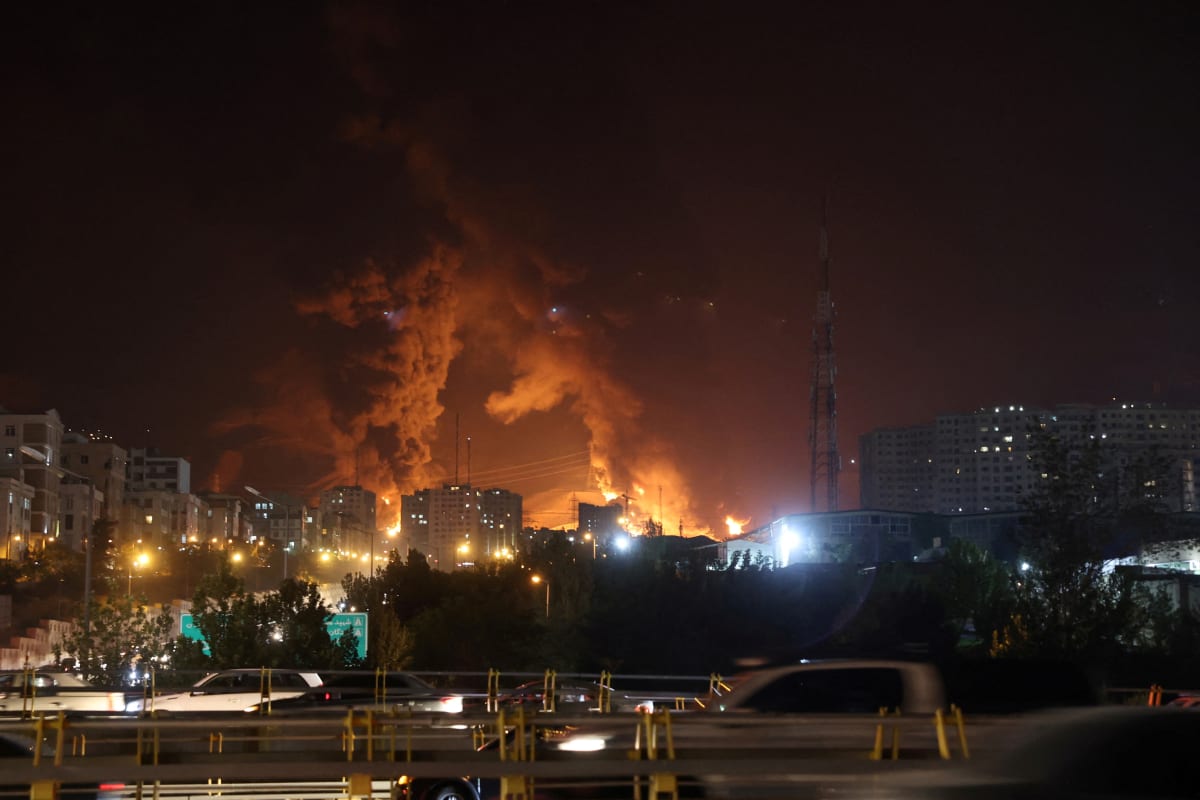
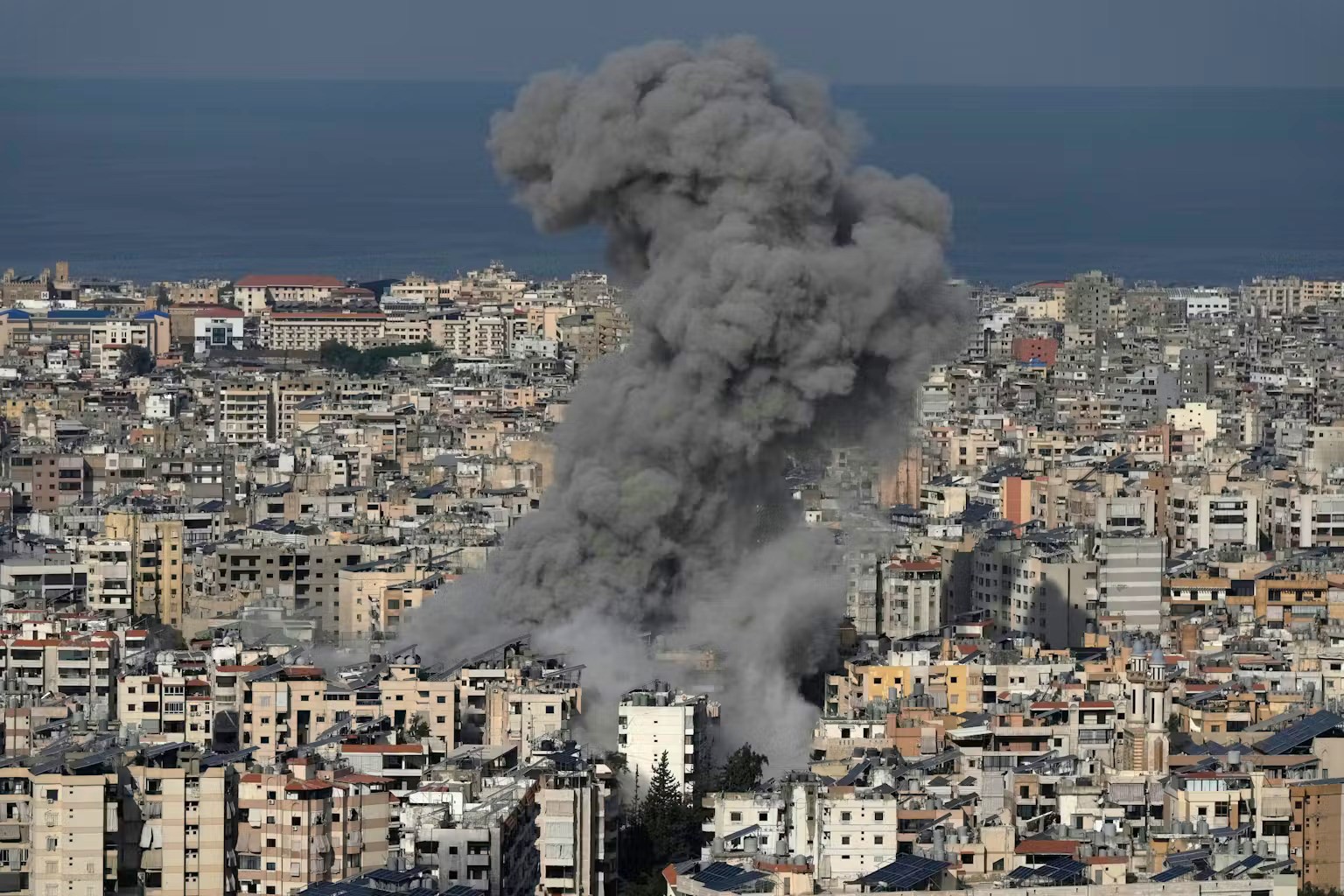
In the current crisis, when United States and Israel attacked Iran, they relied solely on the quantifiable elements to envision a favorable outcome and looking at the enormous advantages that both countries have over Iran, the conclusion they reached seems logical. The United States has the most powerful military of the world and Israel the most powerful military of the region, both countries have a robust intelligence apparatus, economic independence, and a measure of freedom of action. On the other hand, Iran has been under international sanctions for half a century, has no meaningful air force or navy, and no borders with the two attacking countries. Add to these vulnerabilities the fact that just few weeks before the start of war it faced the massive protests of its own unhappy citizens and had to kill several thousand Iranians to keep the grip on power.Based on these quantifiable measures, the logical conclusion would be that even if not outright collapse, the government of Iran would be severely weakened after the war. However, this is not what happened. There is consensus that Iran has emerged stronger from this conflict and it is not limited only to the realm of perception. If Iranian leadership pursues a coordinated policy, then tangible economic benefits and a regional power status will be the likely outcome of this conflict. How this diagrammatically opposite end state happened can be evaluated by incorporating unquantifiable measures operating during the conflict.
Quantifying the unquantifiable requires incorporating subjective and qualitative concepts into measurable, objective numbers to improve decision-making and communication. This requires the art of shifting from asking for perfect precision to seeking a reduction in uncertainty. Several methods can be used to incorporate the unquantifiable. One is “Cartesian Decomposition” that is to break a massive, vague concept down into smaller, defined components. In case of the current crisis, it would have been more productive to ask how Iranian leadership planned for the ‘decapitation’ strategy of the attackers. We do not know the classified realm but based on open sources, we know that astute observers were aware of Iran’s ‘Fourth Successor’ model where every major military and civil department had up to four successors nominated to ‘decapitation proof’ the system. This embedded a certain degree of autonomy and allowed continuation of pre-determined military and political policies despite assassination of top Iranian political and military leadership in the opening round of the conflict. Similar exercise on operational capability of Iranian missile and drone arsenal both in terms of using ‘swarm’ strategy to overwhelm the air defense systems and incorporation of Chinese Bideu satellite constellation in target precision may have provided a nuanced understanding. Rather than viewing the Iranian arsenal as primitive and clumsy, one could have envisioned a more effective weapon by studying components and then incorporating it in the big picture.
Another method is the “Functional Scale Transformation” where arbitrary numbers are replaced with meaning-driven scales. In medicine, to assess pain, doctors normally ask a patient to rate pain from 1 to 10 with one being the mildest and ten the severest pain of their life. However, this method is less helpful than asking the patient how the pain actively disrupts their physical independence. In case of the current crisis, rather than simply looking at the number of missiles at hand and production capability of Iran and planning only to intercept incoming missiles by a robust air defense and destroy production facilities to counter this threat, it would have been more valuable to ask how even a small number of missiles hitting very few but critical targets like U.S. military bases in the region would change the trajectory of the conflict. Damage to the radar of U.S. air base of al Udaid in Qatar that is the forward headquarters of Central Command forced U.S. to vacate the base. Similarly, U.S. Navy Fifth Fleet headquarters in Bahrain was evacuated and personnel first moved to hotels and then were pulled out by sending them to Germany and U.S. The unmeasurable elements determined the negative outcome for attackers even though Iran has practically no navy or air force. The most challenging task for analysts is to take into consideration less likely scenarios that can have devastating consequences.
“Proxy Metrics” is another method that is used to find a visible, easily counted behavior that directly correlates with an invisible feeling. The attack on Gulf countries came as a surprise as no one thought that Iran would cross that red line. The Iranian leadership and its thought process is opaque, and outsiders have extremely limited knowledge let alone a nuanced understanding of it. It has a broad cultural context of Shia historic sense of persecution, injustice, martyrdom, and dissimulation. Ironically, it is like the general Jewish and especially Israeli self-portrait. Israelis are the ones who could understand it better, but they got seduced by their own technical intelligence and information operations excellence and were not able to incorporate the unquantifiable. The unquantifiable element was what is the thought process of the Iranian leadership, especially the clerical authority and what it considers an ‘existential threat’? However, if one had taken into consideration the Iranian model, attack on Gulf countries would be considered a strong possibility. The Constitution of Iran puts preservation of revolution ahead of territorial integrity. This means survival of the regime is a red line and to prevent the overthrow of the government, Tehran will cross its own red lines, and this was the reason for the attacks on the Gulf.
The depth and breadth of the Islamic Revolution Guards Corps (IRGC) penetration in Iranian state and society is another area that requires a nuanced approach. There were markers that pointed towards the fountain of power of IRGC and its pre-eminent role in overall defense strategy. Article 143 of the Constitution states that “The Army of the Islamic Republic of Iran is responsible for guarding the independence and territorial integrity of the country, as well as the order of the Islamic Republic” while Article 150 states that “The Islamic Revolution Guards Corps, organized in the early days of the triumph of the Revolution, is to be maintained so that it may continue in its role of guarding the Revolution and its achievements”. Despite assassination of several layers of the leadership, IRGC not only kept its operational tempo but increased its role in political decision-making process.
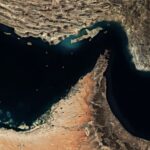
The unmeasurable elements were also at play in the region and Oman is a good case study. Oman is the smallest of the Gulf Cooperation Council (GCC) with no significant economic, diplomatic, and military weight. It has no foreign military base (only logistical arrangement of port access with the United States and the United Kingdom), no expensive military hardware, practically no air defense, no deep pockets, and no diplomatic influence. It is the only GCC member that was publicly threatened by President Donald Trump to blow them up. Despite all these disadvantages, Oman not only came out unscathed from the conflict, but increased its revenue by thirteen percent as its Sohar and Salala ports outside the Strait of Hormuz saw over a thousand percent jump in traffic. It is going to reap enormous financial benefits in the future as anyone looking to avoid the Strait of Hormuz bottleneck need only to use Omani ports. Oman will be at the center of any future infrastructure projects to bypass Hormuz. Despite the anger and frustration of fellow GCC members, United Arab Emirates (UAE) is fully supporting completion of railroad link to Omani port of Sohar to bypass Strait of Hormuz and Kuwait started negotiations with Oman about building oil storage facilities so Kuwait can still export oil in case closure of the Strait. Oman achieved these benefits by very low-key measures that included not publicly contradicting Iranian statements of control of the Strait of Hormuz, skipping the GGC meeting in Riyadh and not panicking despite Trump’s threats to bomb them.
A pitfall of expert analysis of complex geo-strategic issues based solely on quantifiable metrics is that one can get entangled in the measurable elements and inadvertently become blinded to the impact of unmeasurable forces that at times exert more powerful impact. By analyzing and quantifying the unquantifiable, one can unfetter from only inputs of numbers and able to highlight benchmarks, track performance, evaluate impact of new forces, modify goals, and measure likely outputs. More importantly, it enables one to determine whether actions are resulting in improvement of qualitative outcomes and if not, how far the desired end-state is and how much it will cost to get there?
“The wise person doesn’t give the right answers but poses the right questions.”
laude Levi-Strauss