




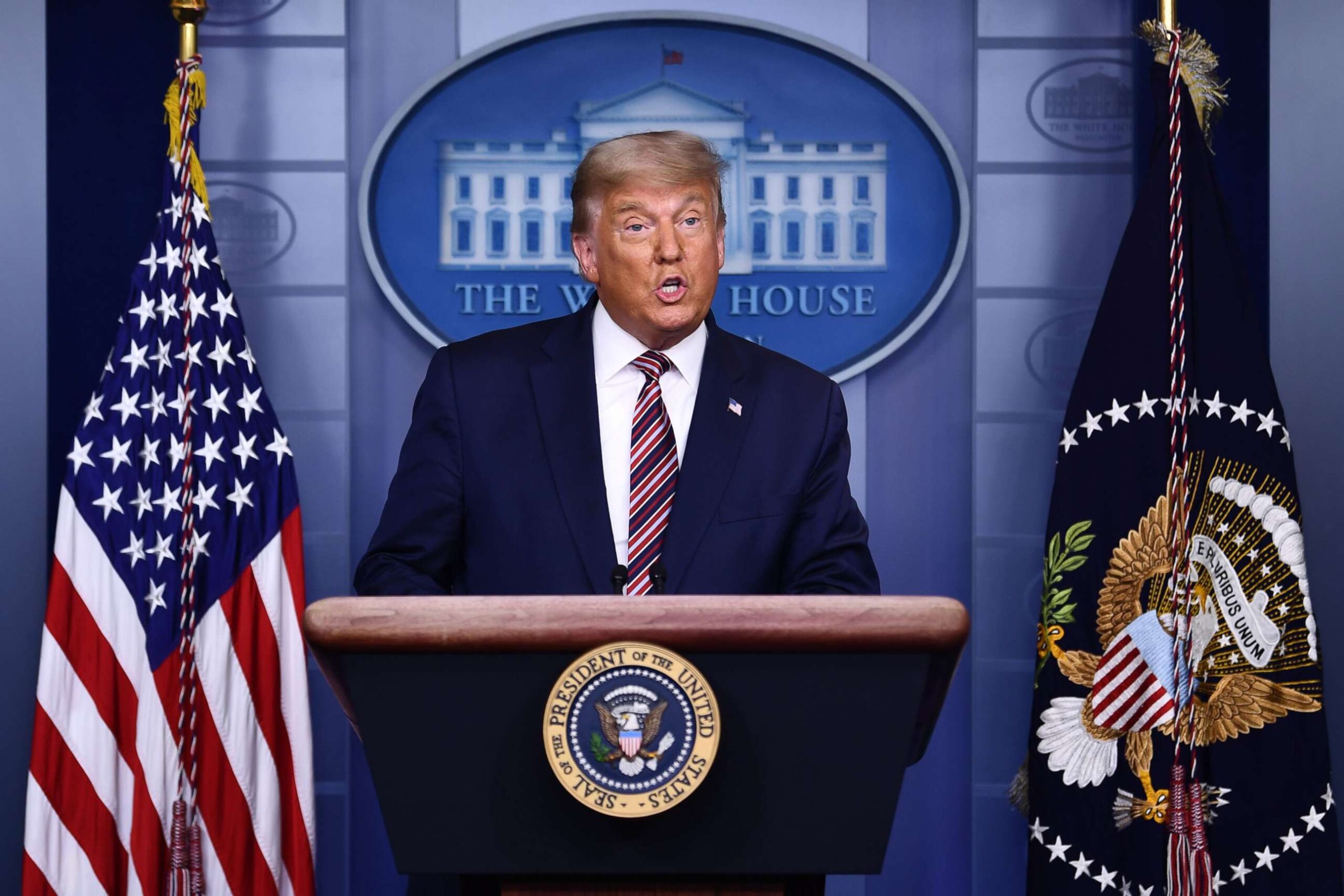
The modern American presidency depends not only on constitutional powers but on a network of democratic norms, institutional restraints, and public trust that give those powers legitimacy. Many scholars, journalists, and former officials argue that Donald Trump’s conduct in office, and in the political arena more broadly, has weakened both the institution of the presidency and the United States itself. Their argument is not simply that he pursued controversial policies; presidents routinely do that. Rather, they contend that his approach to governance, truth, institutions, and political conflict has eroded the unwritten expectations that make the US system function. These concerns span the legitimacy of elections, the independence of institutions, the stability of governance, and America’s global standing. Consider the following litany of evidence!
One of the most frequently cited issues is Trump’s treatment of elections. Throughout his political career, he has repeatedly claimed that elections are rigged or fraudulent whenever results do not favour him. Researchers at institutions such as the Brookings Institution and the University of Chicago have argued that these claims, made without evidence, have damaged public confidence in the electoral system. The events surrounding the 2020 election are often highlighted as a turning point: Trump refused to concede, pressured state officials to overturn certified results, and encouraged legal challenges that courts consistently rejected. Using the presidency to cast doubt on the peaceful transfer of power – a foundational democratic norm – weakened the office by turning it into a vehicle for personal political battles rather than a guardian of constitutional continuity. Another major concern is the personalisation of presidential power.
Trump frequently blurred the line between public office and personal interest.
Examples Include Pressuring Foreign Governments To Investigate Political Rivals, Using Presidential Platforms To Promote Personal Businesses, And Treating Personal Loyalty As A Prerequisite For Serving In Government. These Actions Have Shifted The Presidency Away From A Constitutional Office Serving The Nation And Toward A Personalised Power Centre. Thus, Undermining The Long‑Term Credibility And Stability Of A Cherished Institution Once Headed By The Likes Of Washington, Lincoln And Kennedy!
The rule of law is another area where it can be argued that Trump’s actions have weakened the presidency. Trump regularly attacked judges who ruled against him, sometimes questioning their legitimacy or impartiality. Former Justice Department officials have stated publicly that his interventions in cases involving his allies – including public pressure on prosecutors – challenged the independence of the DOJ. This behaviour set a precedent for future presidents to treat law enforcement as a political tool, eroding the separation between the executive branch and the justice system. When the president signals that legal outcomes should align with political interests, the rule of law becomes vulnerable to manipulation!
Trump’s use of executive power also raised concerns. While many presidents rely on executive orders, Trump often framed congressional oversight as illegitimate or hostile. His administration’s refusal to comply with subpoenas during investigations, and its expansive claims of executive privilege, are examples of weakening the system of checks and balances. If future presidents adopt similar tactics, Congress’s ability to hold the executive accountable could be permanently diminished.
A related issue is the normalisation of disinformation. Fact‑checking organisations documented thousands of false or misleading statements made by Trump during his presidency. This is dangerous simply because when a president routinely spreads misinformation, it erodes the informational foundation on which democratic decision‑making depends! The presidency’s moral authority – historically tied to credibility – has weakened now that truth has become optional!
Beyond norms and legality, Trump’s management style weakened the presidency by reducing the effectiveness and stability of the executive branch. His administration saw unusually high turnover in senior positions, including chiefs of staff, national security advisers, and cabinet secretaries. This instability hindered policy continuity and weakened institutional memory. Similarly, Trump’s transactional approach to governance also drew criticism. Former advisers and journalists have described his decision‑making as highly personal and media‑driven, with choices often tied to loyalty or short‑term political gain rather than long‑term strategy. This approach, weakened the presidency’s capacity to act as a stable, strategic institution capable of addressing complex national challenges.
Internationally, Trump’s actions weakened the United States by undermining alliances, withdrawing from global agreements, and adopting an unpredictable diplomatic style.
Trump frequently criticised NATO allies, questioned the value of long‑standing partnerships, and imposed tariffs on close allies such as Canada and the EU. Analysts at the Council on Foreign Relations suggest that this behaviour weakened US leadership in the international system and emboldened rival powers. His withdrawal from major agreements – including the Paris Climate Accord, the Iran nuclear deal, and the Trans‑Pacific Partnership – reduced US influence and created power vacuums that other nations filled. Supporters viewed these moves as reclaiming sovereignty, but critics argued that they diminished America’s ability to shape global norms and coordinate international responses.
The long‑term consequences of these trends are profound: reduced trust in elections, weakened independence of the judiciary and DOJ, erosion of civil service professionalism, and increased political polarisation all contribute to a more fragile democracy. Moreover, Trump’s confrontational rhetoric deepened social fractures, making it harder for the presidency to serve as a unifying national institution.
In conclusion, it does seem that Donald Trump’s actions have weakened the US presidency by eroding democratic norms, undermining the rule of law, destabilising governance, and diminishing America’s global standing. Whether future leaders restore these norms or continue to stretch the boundaries of presidential power will determine the long‑term impact on American democracy. Nevertheless, it is a slippery slope and the thing about slippery slopes is that once you start to slide downwards, it is not easy to climb back up!