
Pakistan’s Role in the US-Iran-Israel Crisis and South Asian Stability
“The pursuit of peace cannot end in a few years in either victory or defeat.” (Dag Hammarskjold)
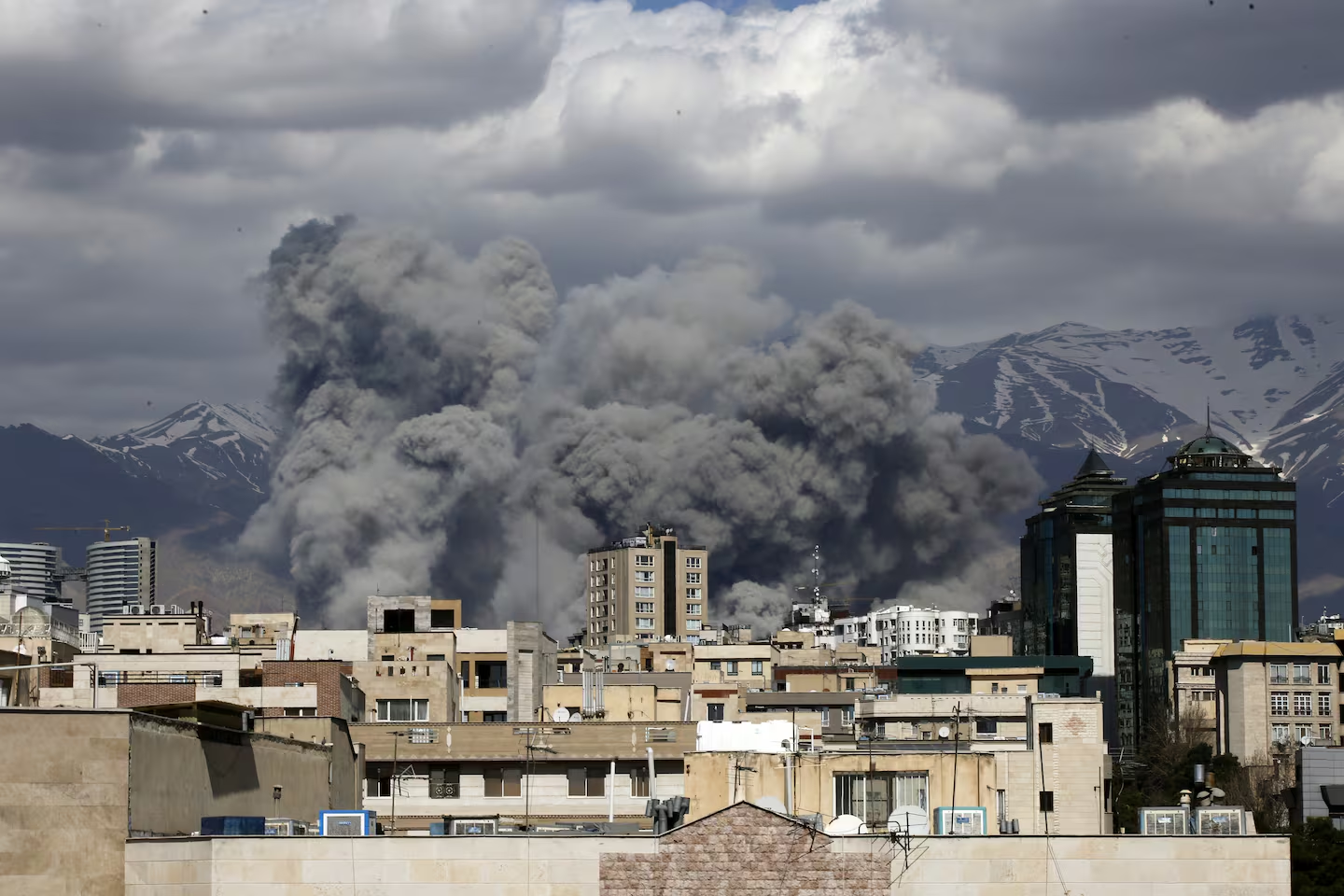
The US- Iran- Israel war is not just a not-too-distant conflict in the Gulf region, but one with intense geopolitical and economic consequences to South Asia. What has happened is not merely an extended conflict but has also formed serious challenges to peace in the region. The U.S.-Israel strikes on Iran which started the conflict were intended to eliminate the Iranian leadership, and as a result, key Iranian leaders were assassinated, including its supreme leader, Ayatollah Ali Khamenei, and other high security officials. Iran, in retaliation, unleashed missile strikes at Israel and the U.S. military bases in the Gulf region, a move that has caused the war to escalate into a wider regional crisis. Pakistan acted as a mediator between the U.S. and Iran amid the deteriorating peace situation. However, this raised concerns about Pakistan as an economically dependent state, trying to balance its foreign policy and withstanding external pressure while being involved in delicate geopolitical scenarios.
The situation in the region is not just a prolonged conflict; it has had serious repercussions, affecting energy supply routes, key waterways, and oil and gas prices, ultimately intensifying economic and security liabilities far beyond the war area. The fact that the conflict is now spilling over makes South Asia vulnerable to the consequences of a war that the region is not central to but cannot afford to ignore, as it is inextricably linked with the need for energy, the migration of people from one country to another, and the strategic alliances. The U.S.-Israel-Iran war led to the blockade of the Strait of Hormuz, a key route for global oil supply, as around 20-25% of the global oil supply depends on the strait, with approximately 20 million barrels per day passing through it. This has left millions of people suffering due to a spike in petroleum prices because all industries depend on petroleum energy, from transport to industry.
The recent revitalising relations between Pakistan and the U.S. after the reelection of Donald Trump have played a vital role in the contemporary war setting in the region. Historically, Islamabad has been a key ally to Washington, as evident during the Cold War and the War on Terror, playing a pivotal role in the regional and global strategic environment. Meanwhile, Islamabad-Tehran relations have always been good due to their religious and geographical proximity. This demonstrates Pakistan’s role as imperative for South Asian security. Also, Pakistan is balancing its relations with diverse regions, including South Asia, West Asia, and major powers like the EU and Russia.
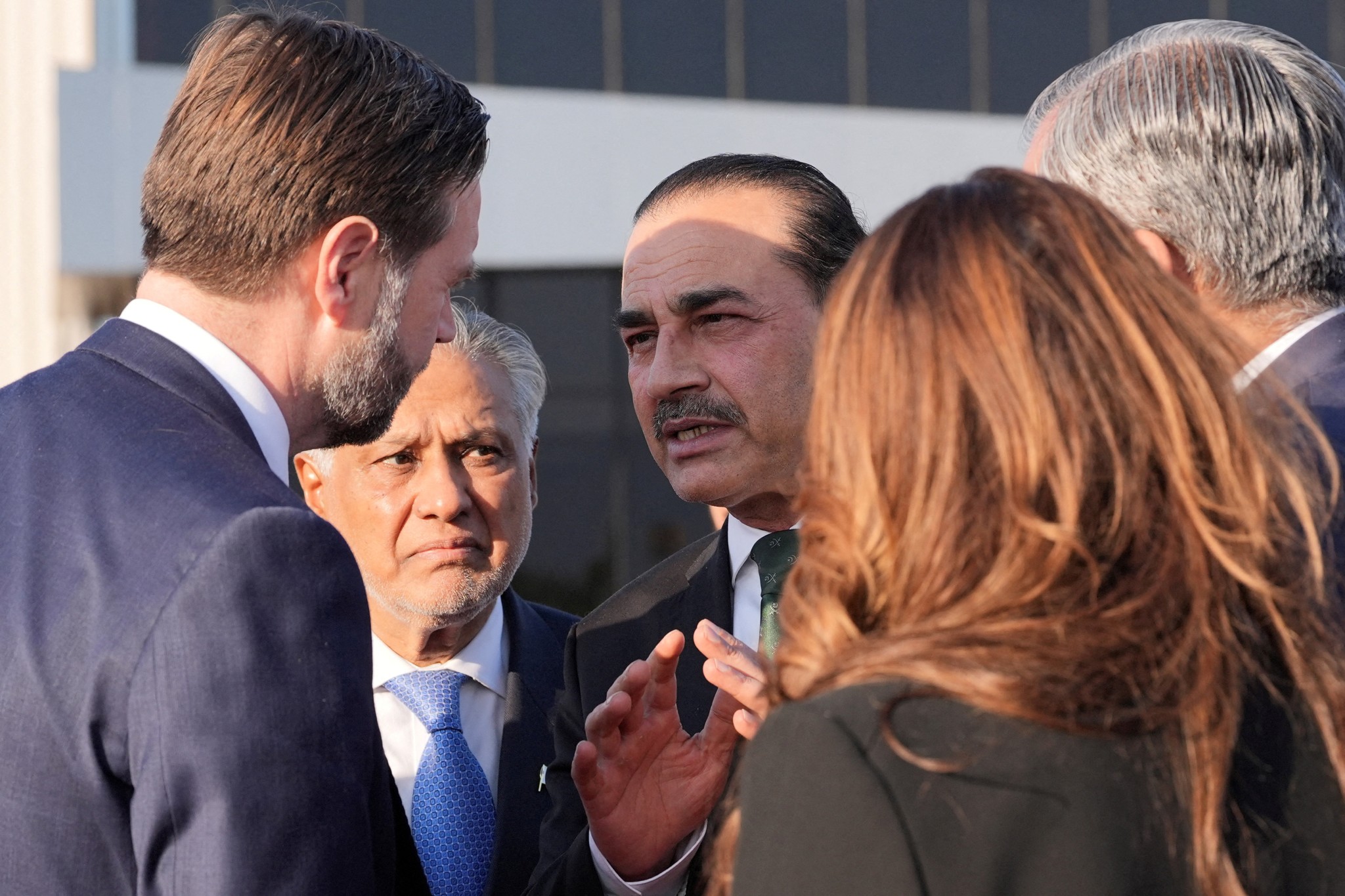
The U.S.-Iran conflict was followed by a high-stakes first round of talks between the two, which Pakistan initiated by requesting mediation and arranging the negotiation in its capital, Islamabad – thereafter termed the Islamabad Talks. The meeting saw Pakistan play a major role in reducing tensions in the region. The Iranian delegation, led by Parliament Speaker Mohammad Bagher Ghalibaf and including Foreign Minister Abbas Araghchi offered a 10-point negotiation agenda. The U.S. delegation which was headed by Vice President JD Vance and included Jared Kushner and envoy Steve Witkoff expressed central demands via Pakistan: lifting the Strait of Hormuz blockade and dismantling Iran’s nuclear facilities. The negotiations did not succeed, but they proved that Pakistan is continuing with a moderate, vigilant diplomatic stance of not taking a direct part in the confrontation but being actively involved in keeping the regional peace and security stable.
The diplomatic stance of Islamabad in the Washington-Tel Aviv-Tehran conflict reflects a pragmatic effort to demonstrate how it has managed negotiations without damaging relationships with all sides. The Islamabad Talks in April 2026 have empowered Pakistan’s position by projecting its image as a regional bridge, not a mere spectator. This neutrality is central to enhancing Pakistan’s role in the region amid the conflict.
Pakistan’s standing in the changing power dynamics in the Middle East and South Asia is both a challenge and an opportunity. This mediation is not just a chance to become a “peacemaker”; it is also necessary to be a crisis manager, with the main goal of preventing escalation and protecting regional stability. The war could also drag Pakistan into a polycrisis in terms of border security, energy supply, remittances, and sectarian stability.
One of the biggest domestic risks is that this conflict could prompt countries to suspend economic assistance to Pakistan, with the United Arab Emirates expelling Pakistani workers and seeking to recover its $3.5 billion loan from Pakistan due to the country’s role in the Iran war. Nevertheless, if the situation continues, Pakistan may face another wave of refugee crisis. This would put further pressure on the already deteriorating economic calamity, as Pakistan is already struggling to manage the existing Afghan refugee crisis.
In economic terms, the major concern is remittances and the safety of overseas Pakistanis, as millions of Pakistanis work in the Gulf region and send money home, supporting foreign reserves. As per the State Bank of Pakistan, “During FY25, workers’ remittances rose by 26.6 per cent to US$ 38.3 billion compared to US$ 30.3 billion in FY24” mainly sourced from Saudi Arabia ($823.2 million) and the United Arab Emirates ($717.2 million).
Despite the numerous challenges, there is also an opportunity for Pakistan to rebuild its credibility on the global stage. Over the past few decades, Pakistan has faced condemnations for its internal instability, such as the war on terror and its role in the Afghan conflict. But by playing a key peacemaker role in one of the most dangerous conflicts of recent times, Islamabad could present itself as an important player in international diplomacy. Thus, for Pakistan, this mediation is not just symbolic diplomacy, but it is a national security strategy as well. There is also the possibility of a second round of Islamabad Talks, and if that happens, it can help to prevent the war from spreading further.
Pakistan should prepare a detailed agenda for the next possible round of talks and prepare for diplomatic interchanges by setting immediate, medium, and long-term goals. The immediate goal should be a ceasefire between the parties and to stop both from hostilities, such as confrontation and targeting of infrastructures. The medium goal should be direct or indirect dialogue between parties regarding sanctions, nuclear limits, etc., and the long-term goals should proper framework on regional security by involving regional countries and the United Nations. In the long term, Pakistan can reduce the dangers of the crisis and enhance its clout in South Asia by actively participating in strategic diplomacy and regional security. Islamabad has to secure its regional interests while maintaining its optimistic approach towards its neighbouring countries, like improving the relations through open trade, cultural exchange programs, and joint military exercises to have a positive impact on its image in the region.
Pakistan’s role amid the ongoing crisis in the region may be limited due to its internal security, struggling economy, and two-front border tensions, but with calculated strategies and diplomatic maneuvers, it can help form a more peaceful and steady regional future.