The Republic of Turkmenistan is a “connecting hub”. Now it has also become an enterprising country where sky is the limit for high levels of socio-economic prosperity and qualitative of life. It connects Commonwealth Independent States of Central (CIS) to Caucasus and Europe and is a role model of regional connectivity. It is the leader of “energy diplomacy” in the region and beyond and its macro-economy is smarter and diversified too. Its resources are green and its people are white. White is everywhere in Turkmenistan which shows friendly, peace-loving and cooperative nature of its rulers and people alike, it is enterprising country.
Turkmenistan has a knowledge based economy in which multifunctional productive channels of production, industrialization, robust oil and gas sector and oil-processing chemical and petrochemical fields play very important roles. Huge mechanical engineering and metal-processing units are producing building materials, light and food industry and contributing in the GDP of the country.
According to latest publication of IMF (August, 2016) the growth rate of Turkmenistan’s GDP was 6.7 percent. Its income increased 100.6 percent and expenses enhanced 78.7 percent. Wages, pensions, welfare payments and students’ stipends were financed timely and in full volume. Its budget is socially oriented where most of its allocations are used for the welfare of the people and education, health care, clean drinking water and shelter segments of the social development are preferred in every budget.

Today it has a strong, competitive and dynamic economy. The rate of annual growth is showing a stable 10 percent increase for the last so many years, despite recent negative trends in the global economy. The national economy, based on the country’s rich resource potential, structural diversification and attractive investment climate has successfully mitigated external market fluctuations. It provides Turkmenistan with an opportunity to calmly and confidently plan its economic development in the long-term. It shows its inbuilt resilience which is achieved through rigorous reforms and state’s business and investment policies where people are preferred over corporate profits.
Turkmenistan introduced many structural reforms to achieve a market-oriented direction. Turkmenistan is now putting more serious efforts into diversifying gas export routes, as well as export markets. Turkmenistan has also intensified efforts to diversify its export routes to the South-East Asian and EU markets.
Economic diversification is a key strategic priority. As part of diversification efforts and reduction of dependence on oil and gas revenues, the Government of Turkmenistan has embarked on a number of structural reforms. These aim to sustain a high level of government investments to diversify the economy, increase competitiveness, create new businesses and jobs, and expand domestic demand. Investment in infrastructure, particularly in more provincial and remote areas is a key priority as demonstrated by one of the highest rates of Gross Fixed Capital Formation in the world. Improvement of monetary and credit policy and strengthening of the banking system are also key priorities.
According to the World Bank (2014-15) exports increased over 24 percent per annum during the last decade, with even faster growth (26 percent CAGR) since 2006 while imports grew at a 22 percent CAGR over the decade and 24 percent CAGR since 2006. As a result, the trade turnover increased.
The export share of GDP 48 percent in 2013 and trade share of GDP 90 percent are among highest in the region. This is driven mainly by a high export share of GDP, Turkmenistan’s import share of GDP 41 percent in 2013 has actually declined significantly from its levels in the late 1990s and early 2000s.

Turkmenistan’s GDP
According to latest figures of IMF report (September, 2016), the GDP in Turkmenistan was worth 37.33 billion US dollars in 2015. The GDP value of Turkmenistan represents 0.06 percent of the world economy. GDP in Turkmenistan averaged 11.63 USD Billion from 1987 until 2015, reaching an all-time high of 43.49 USD Billion in 2014 and a record low of 2.37 USD Billion in 1987.
Turkmenistan’s Revolutionized Socio-Economic Sector
The strong growth performance sustained over a decade helped to lift the country from a low income to an upper middle-income status. GDP per capita increased from US$970 in 2002 to nearly US$7,000 in 2013. Living standards of the population have improved, accompanied by massive investments in physical capital. Growth has been driven by natural gas exports, which amount to over 90 percent of exports, with the extractive sector including refineries accounting for nearly half of GDP. Now the sustained growth continued improvement in living standards, an increased role for the private sector and economic diversification have become strategic government priorities for 2030.
Sustained Leading Status
According to World Bank report entitled “Global Economic Prospects” Turkmenistan will maintain its leading position in the world rankings in terms of annual growth in the coming years. The World Bank has estimated that Turkmenistan’s economy grew by 8.5 percent in 2015 and will continue its dynamics of the growth by 8.9 percent in 2016 -2017. In 2015, the growth of the GDP was 6.7 percent, increase in the construction industry 9.3 percent, trade 10.4 percent, transport and communication sector 9.8 percent. The role of its private sector has increased and further strengthened. Currently, Turkmenistan holds a key position in the gas market of the Caspian and Central Asia regions, supplying gas to Iran and China.
Also, the country ranks the fourth place in the world in terms of natural gas reserves, which gives it a good chance to enter new markets in South Asia and Europe. The Turkmen Ministry of Petroleum and Mineral Resources assure that the results, achieved in terms of falling world energy prices, proves the stability of the national economy.
The strategic leadership of H.E. President Gurbanguly Berdimuhamedov introduced a series of reforms which have already been institutionalized in the framework of the national and state programs, which are aimed at the diversification of the national economy.

Socially Oriented Policies
In the times of regional economic constraints and ongoing global banking and financial crises, Turkmenistan has merged as a true social welfare state. It is state where its people are always preferred over profits in the pursuit of higher GDPs ratios. Turkmenistan has adopted the policies of providing its population with essential necessities of life such as gas, electricity, water, education and medical services absolutely free of cost. According to an official data over 75 percent of the state budget is allocated to provide maximum relief to the people and implement the other social sector programs.
Integrative Macro-Economic Policies
Turkmenistan adopted many short and long terms economic policies during last 25 years and consistency and sustainability in macro-economic policies are now paying the dividends. It has an advanced fuel energy industry, processing and textile industry, construction, agricultural, transportation and communications industries. It has expertise to build world class plants, factories, parks zones and luxury residential houses. After acquiring independency, it adopted the strategy for economic and cultural development of Turkmenistan until 2020 providing for the further empanelment of people’s wellbeing and growth in the country’s economy. It is an emerging economy, where many member countries of the EU are working along with the Chinese, Russian, and Turkish companies. It has specialties in textile and garments which should be shared and exchanged between the two countries Pakistan and Turkmenistan in the days to come.

Economic Performance (2015-16)
The International Monetary Fund (IMF) said Turkmenistan’s economy remained resilient to regional market turbulence over the last year supported by strong hydrocarbon exports and public investment.
“Real GDP growth reached 10.3 percent and CPI inflation was contained to an average six percent in 2014 in spite of tariff hikes for utilities and transportation.” Turkmenistan has taken pro-active measures to increase resilience in a difficult external environment. Growth was driven by expansion in industry by 6.2 percent, construction by 12.1 percent and agriculture by 11 percent and services by 11.6 percent. On the demand side, a 7.9 percent rise in investment was the main driver of growth. It successfully managed inflationary trends and privatized different services, development of SMEs, and supported the export and import-substituting firms which complemented the devaluation.


Growth of Traditional Sectors
Turkmenistan’s traditional economy consists of oil and gas complex, power engineering, agriculture, construction, transport and communications. Now sincere efforts are being carried out to form new sectors of the macro-economy: chemical, textile and building materials industries, telecommunications and other high-tech spheres which have further diversified its national economy further decreased the percentage of oil & gas in GDP.
Medium-term Strategies
| Medium-Term Objectives | Details |
| A Strategic Vision | It is the combination of Rural Development Strategy, SME Development Strategy and the President’s program for Turkmenistan’s Socioeconomic Development for the period of 2012-2016. |
| Government’s Priorities | It reflects the government’s priorities of economic diversification, gradual increase of the private sector’s role in the economy and ensuring sustainable development with environmental and social considerations. |
| Friendly Investment-Business Policies | Promotion of business/investments policies. Creation of an enabling environment for the transformation of private savings into real investment, developing an investment infrastructure, channeling investments into high return areas, drawing on multiplicative effect of investments, training specialists in investment management, improving the legal and organizational framework for investment facilitation, creating a network of investment information bureaus in the country and abroad, and encouraging investment activity by SMEs |
Socio-Economic & Geo-Political Achievements during (1991-2016)
| Selective Macro-Economic Indicators | Details |
| Investments | More than $ 144 billion dollars of investments were mastered and directed to production assets during the years of independence. 544 facilities of production and non-production sphere were commissioned. |
| Future Plans 2017 & Beyond | The volume of investments will amount to 42.7 billion manat, including for construction of production facilities will be invested 34.4 billion manat’s (85 percent) and 8.3 billion manat for construction of non-production sector. It is planned to build 400 facilities, including 270 production channels and 130 social units. Vast investments will be directed for construction of TAPI pipeline. |
| Economic Diversification 2017 | Closest attention will be paid to economic growth through further diversification of national economy along with massive industrialization based on intensive development of industries through diversification. Further development of service and banking sectors in the country will be consolidated. |
| External Trade Growth | External trade turnover increased by 8 times. Trade relations have been developing with 107 countries of the world. It adopted exports oriented policy since its independence which is now paying its dividends. |
| Future Plans 2017 & Beyond | Rigorous commercial diplomacy would be followed to enhance its external trade volumes. Diversification of trade mix would also be initiated. |
| Promotion of Import-Substituting | State program for the production of import-substituting products and export expansion, program for creation of electronics industry are being implemented. |
| Industrial Production Increase % | The volume of industrial production increased 7 times. New industries I created, which use local raw materials. Refineries started production of polypropylene and polyethylene. The country produces more than 351 million tons of cement, which is 4 times more than in 1991. |
| Future Plans 2017 & Beyond | Priorities in the power industry: construction of new and reconstruction of existing power plants. for export and local use of electricity. Priorities in the chemical industry: Huge investment will be allocated to Garlyk mining complex for the production of potash fertilizers, urea plant in Karabogaz. The foundations for production of iodine and bromine will be laid. In transport and communications sector, Turkmenistan prioritizes implementation of project. Of high-speed high- way Ashgabat-Turkmenbashi, Turkmenbashi port modernization, modernization of highways Ashgabat Turkmenbashi, Ashgabat-Mary- Turkmenabad-Farab, Ashgabat-Garagum-Dashoguz ,In 2017, construction of the third phase of the Olympic Village will be completed, 1.2 million square meters of housing, schools for total capacity of 17 thousand seats, pre-schools for 4000 places, hospitals for 1,200 places, health centers for simultaneous servicing of 1,400 patients will be built. 2 ,000 kilometers of power lines will be constructed. Thousands of jobs will be created. |
| Electricity generation | Electritity generation raised by 55 .7 percent. |
| Future plans 2017 & Beyond | Surplus electricity generation will be offered to regional countries in order to earn more and more foreign revenues. |
| Liquefied Natural Gas Production | The volume of liquefied natural gas production (LPG) increased by 23 times and the production of fertilizers 7 times. |
| Mega Energy cooperation | It has built the Turkmenistan-Uzbekistan-Kazakhstan-China pipeline. Second line of the gas pipeline to Iran is under construction. The construction of TAPI gas pipeline has been launched. It shows its diversified energy policy and willingness to share its energy resources with all the regional countries. |
| Textile Industry Growth | The textile industry in 2015 produced 120 thousand tons of cotton yarn and 290 million meters of cotton fabric. It is 24.4 and 7 times (respectively) more than in 1991. |
| High purchasing Power | Accelerated pace of development of retail trade and expansion of service sector indicates the growth of purchasing power of citizens. |
| Mega Projects | Turkmenistan intensively realizes projects of railway Turkmenistan-Afghanistan-Tajikistan (TAT), Olympic Village, and national ‘tourist zone Avaza, the second phase of the lake Altyn Asyr, and the international Turkmenbashi port, airports. |
| Active Private Sector | Private entrepreneurship is developing. The share of private sector in GDP is 68 percent without energy sector. The country has created 25 thousand private enterprises. |
| Future plans 2017 & Beyond | Further business and investments friendly policies and incentives for attracting more and more domestic and foreign direct investments will be implemented. |
| Agricultural Growth | Turkmenistan harvested 1.6 million tons of wheat and more than 1.1 million tons of cotton in 2016 which shows it self-reliance in this sector. |
| Social Development | Social development remained one the foremost policies of the state. New stage of economic and social reforms was announced and gradually implemented. The scientific basis of the national economy has been developed. It is socially-oriented model, based on government regulation in 2007. |
| Future Plans 2017 & Beyond | Further ensuring the well-being of the population will be main direction of state policy oriented at development of health, education and Culture. The education sector will be focused on the introduction of teaching in foreign languages, development of sciences. In the health sector the prevention of diseases and partnerships with world centers will be continued. In order to maintain the social security of the population it is necessary to support an increase in pensions, salaries and Scholarships in the amount of not less than 10 percent. Not less than 75-80 percent of the total budget expenditure should be allocated for social sphere. The priorities are the protection of motherhood and childhood, effective human resources management and management of the labor market, creation of enterprises of different ownership forms which will be achieved in the days to come. |
| Housing | During the years of independence, 35 million sq. meters of housing was constructed and put into exploitation. Currently, in Turkmenistan per capita housing amounts to 23.2 square meters, that is two times more than in 1991. |
| Future plans 2017 & Beyond | More housing units will be constructed in order to provide a qualitative shelter to its people. |
| Geo-Political | The foreign policy of Turkmenistan is aimed at maintaining relations with the countries of Asia-Pacific, Middle East, America and Europe, UN, OSCE and CIS. Turkmenistan has been elected five times as vice-chairman of the UN General Assembly sessions (at 58th, 62th, 64th, 68th and 71st). |
National Program 2012-2016
H.E. President Gurbanguly Berdimuhamedov introduced a long term national program for further consolidation of socio-economic development of the country for 2012-2016. Turkmenistan actively develops its foreign economic relations with other countries. Presently, Turkmenistan has trade relations with 107 states. In 2015, the growth of the foreign trade turnover accounted for 41.9 billion manats.

Salient Features
a. Increasing the private sector’s role in the economy by expanding its share in the non-hydrocarbon economy to at least 70 percent
b. Reaching a high-income status for the country by 2025
c. Ensuring sustainable regional development by achieving universal access to drinking water in all communities by 2030
d. Closing the development gap between rural and urban areas and ensuring inclusive development throughout the country.
e. Envisages diversification of the economy and increased competition, and recognizes the importance of further market and institutional reforms. The program also includes privatization of small and medium enterprises (SMEs).
Global Partnership
Turkmenistan is blessed with unlimited reserves of natural gas which utilizes for greater regional as well as global partnership for development. It implements the policy of diversification of its international cooperation, particularly in the energy sector, on the basis of an equal partner access to the sources of Turkmen hydrocarbons and their means of delivery. It involves the creation of multivariate transportation pipeline infrastructure on the conclusion of Turkmen energy resources to international energy markets.
Turkmenistan-Afghanistan-Pakistan-India (TAPI) gasp pipe line is the gift from Turkmenistan to all the regional countries for achieving desired goals of socio-economic development and further diversification of energy resources. It is based on the concept of “shared prosperity”. It is also keen to export its gas resources into larger European market. It carried out mega structural diversification of the energy sectors which is being gradually implemented through the creation of new, primarily, process industries based on hydrocarbon raw material. Turkmenistan believes that the joint implementation of international transport projects in Central Asia and the Caspian basin are also important, taking into account the unique geographical location in the region.
Turkmenistan’s Surplus Electricity (October, 2016)
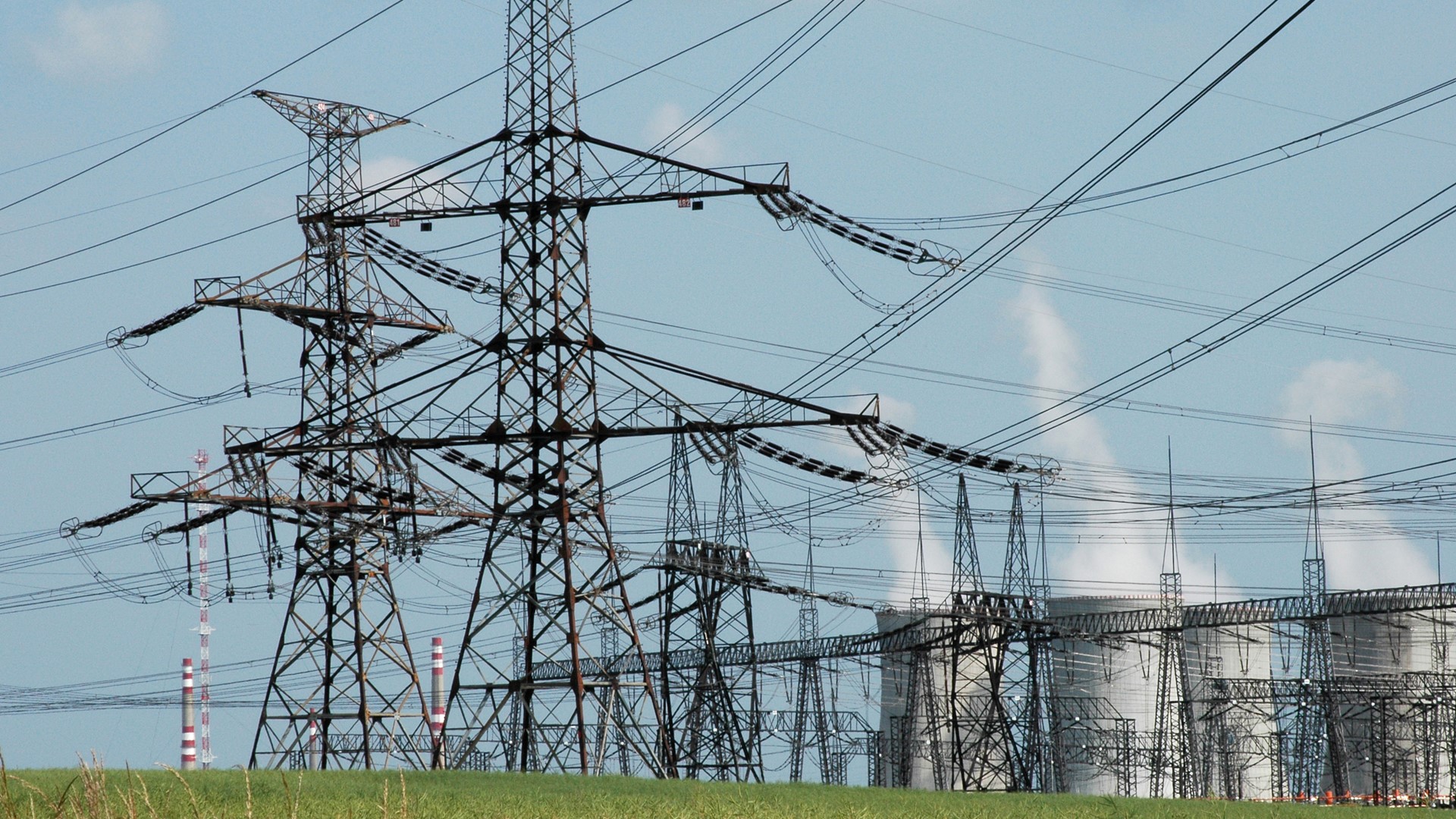
Turkmenistan’s power system is based on the combined power system of Central Asia and is capable of exporting large amounts of electricity to Afghanistan, Iran, Turkey, Tajikistan and other countries in the region.
In accordance with the Presidential Decree, the construction of high voltage overhead power lines and substation complex began in Lebap and Mary provinces, as well as the reconstruction of existing substations and spare parts for power plants are under process. Upon completion of mega projects Turkmenistan will be able to increase the export of electricity to Afghanistan five times. The capacity will also allow exporting electricity to Pakistan and Tajikistan in the near future. Moreover, it has great opportunities for the development of different sectors of chemical and petrochemical industries, including the use of resources of already developed fields and industrial development of new deposits of chemical raw stock.
Construction of ore-mining and processing complex launched on the outskirts of Garlyk settlement in Lebap province, where a range of deposits of potassium salts were opened in the ore-mining region Gaurdak-Koytendag was a systemic way for the further diversification of economy. The construction of a mining complex on the production of potash fertilizers, symbolizes the birth of new mining branch for the Turkmen economy, based on the vast resource base.


Growth of Sustainable Transport Systems
Turkmenistan has a comprehensive “sustainable transport system” which covers railways, roads, sea, seaports and pipelines. An international conference will be held on November 26-27, 2016 in Ashgabat which shows its keenness to develop a smarter, diversified and sustained transport system which will also further enhance its regional as well as global connectivity in the days to come. It will be first of its kind. Thanks to the vision of H.E President Gurbanguly Berdimuhamedov who has successfully transformed the national economy. It has further diversified its macro-economy and created another cashable sector i.e. “services”.
These mega services oriented projects i.e. completion of new airport of Ashgabat (completed and operational) and Seaport to be completed are aimed to give a significant boost to regional and interregional economic cooperation. In 2010, there was the detailed consideration of the Turkmen initiative on the creation of the transport corridor from Central Asia to the countries of the Persian Gulf.
According to official figures of Turkmenistan’s ministry, at present the length of railways in Turkmenistan is 3,080 kilometers, during last 25 years it increased by 900 kilometers. The volume of cargo transportation increased 10.4 percent as compared to the previous year. Turkmenistan is one of the largest international transit centers of railway transportation by the lines of “North-South,” “West-East.”
Radio relays lines and Trans-Asian-European fiber-optic communication line between Shanhai and Frankfurt were constructed; its length in the territory of Turkmenistan makes about 1400 kilometers. All settlements of Turkmenistan are provided with a stable connection.

Agricultural Growth (2015-2016)
The main objectives of the country’s agricultural sector is to meet food demands of the population, provide processing industry with raw materials, increase production efficiency, form new economic relations and consistently strengthen food security. It has a complete national policy to cope with the increasing threat of human survival on this planet i.e. food security. Due to the visionary policies of its President Gurbanguly Berdimuhamedov, Turkmenistan is now fully self-sufficient in basic foodstuffs. Turkmenistan became one of the grain exporting countries in 2011.
Textiles Sector
Its textiles industry is export-oriented and is based on modern high-tech equipment with more than 60 textile complexes and enterprises having the most advanced and efficient equipment operative in the country. It has increased the refining capacity of cotton produced in the country from 3 to 55 percent. Between 1995 and 2010, the production of cotton yarn and cotton fabrics increased by 8 times. During the same period the export of textile products with a label “Made in Turkmenistan” increased by 29 times. Currently, about 80 percent of manufactured textile products are exported to the European Union, the USA, Canada, Russia, Turkey, Hungary, China, the Baltics, Ukraine and other countries.
Construction Sector
Turkmenistan has diversified and advanced construction sector in the region as well as in the world. Construction of large-scale public projects, industrial, recreational, cultural facilities, such as the creation of the Avaza National Tourist Zone, the large-scale construction of dwelling houses are being carried out within the National program for the reform of social and living conditions in villages, towns, cities, districts and etrap centers for the period up to 2020. Its main task is to create a high standard of living of the rural population, similar to urban, ensure balanced social development in all settlements of the country. Residential mortgage with the most favorable terms is extensively developed.
Positive Neutrality Model
Turkmenistan has chosen the “positive neutrality model” based on the UN General Assembly’s draft resolution A/50/80(A) on 12 December 1995. By gaining a new status, Neutral Turkmenistan undertook certain obligations to the international community. Among the main of them are the principles of non-alliance with political, military alliances and blocs; presence of National Army only for protection of peace and freedoms; renunciation of weapons of mass destruction; commitment to universal values; guarantee of civil peace in the country; conducting own policies in close cooperation with the UN and humanitarian international organizations.
The adoption on December 12, 1995 of the resolution “Permanent Neutrality of Turkmenistan” by the General Assembly of the UN and opening on December 10, 2007 in Ashgabat of the UN Regional Centre for Preventive Diplomacy in Central Asia became the acknowledgement of the peaceful foreign policy of Turkmenistan and its constructive role in the International affairs.
Turkmenistan’s neutral status determines its foreign policy which is dynamic and pragmatic. After Turkmenistan’s neutrality was recognised, the country was brought to the attention of the world community, Turkmenistan’s neutrality is a fundamentally a new phenomenon with an ever-increasing role on the global stage. The open and peaceful character of Turkmen neutrality focuses on joint prospecting and the solution of problems at both regional and global levels has been positively received around the world.

Qualitative Life
Turkmenistan’s people have qualitative life.

Foreign Policy of Turkmenistan’s Peacemaking Potential
The above mentioned salient features have strategic orientation and pivotal factors of its foreign policy too. These are also its global objectives for further strengthening of global partnerships and connectivity with the international community.
Democratization and Politicization
Political stability has direct correlation with macro-economy of any country. It reduces chaos and strengthens path of development. It institutionalizes elements of stability and sustainability in every sphere of macro-economy and productive channels. Under leadership of the country’s leader, Gurbanguly Berdimuhamedov, Turkmenistan is politically stable, economically sustain and socially vibrant. He has consistently promoted a productive relationship on international, regional and global levels. The country has strengthened effective partnerships with reputable regional and international institutions like the UN, European Union, Commonwealth of independent States, Organisation for Security and Cooperation in Europe, Non-Aligned Movement and Organisation of Islamic Cooperation.
Today Turkmenistan is a dynamically enterprising country, relying on its democratic development and the nation’s strong spiritual core inherited from its brave ancestors. Principles of fairness and justice remain the fundamental centre of activities improving the government, public institutions, national legislation and integration into the world community.
Turkmenistan’s Pursuits of Peace & Harmony
Turkmenistan stands for regional peace and harmony and more focused and substantive interactive with the various countries of the world and international organisations, to work out coordinated approaches to addressing pressing issues such as the fight against terrorism, extremism, organised crime and drug-trafficking.
Turkmenistan’s Strategic Geography
Turkmenistan occupies an important geostrategic position being located in the most important part of Central Asia, and is rich in natural resources and next to the Caspian Sea. It is situated at the crossroads of major trade routes that determine the foundations of modern foreign policy.
H.E. President Gurbanguly Berdimuhamedov has consistently forwarded constructive ideas and initiatives to enhance mutually beneficial partnerships in Central Asia and the Caspian Sea region, to preserve peace and security, and develop successful cooperation in fields such as economy, trade, transport and communications, among others.
Turkmenistan’s current strategic priority is to diversify energy supplies and create a multiple pipeline infrastructure. Now, it has implemented two major projects linking its energy resources to world markets: Turkmenistan to Iran and Turkmenistan to China, offering a potential capacity of 65 billion cubic metres of gas per year.
The construction of the major gas pipeline Turkmenistan-Afghanistan-Pakistan-India (TAPI) is now fully underway. The realisation of this massive project is beneficial to all participants, offering economic growth and job creation, along with the formation of social infrastructure, support and consolidation of political stability in the entire region.
It has guaranteed the regular growth of salaries, pensions, allowances and scholarships, along with an expanding range of social benefits and privileges for the population. The government annually spends over 70 percent of its budget supporting social programs in Turkmenistan. Since independence, Turkmenistan’s political stability and social and inter-ethnic harmony has undoubtedly been strengthened.
During last 25 years it has successfully transformed its national economy and introduced business and investments friendly policies due to which its economy has further diversified. The President of Turkmenistan chose the political, social, and economic and foreign policy model of development, based on ideals of peace, patriotism and humanism, and has proved to be amazingly effective.
Rise to Services Sector
1. Ashgabat International Airport
Most recently, H.E. Turkmenistan’s President Gurbanguly Berdymukhamedov inaugurated a new splendid airport at historic city of Ashgabat. The Ashgabat International Airport has become” the largest in Central Asia” occupies almost 1,200 hectares and includes more than 100 facilities.
It would further enhance Turkmenistan’s “solid transit potential” for years to come. Previously, Ashgabat held a Guinness World Record for the highest density of white marble-clad buildings as well as the largest indoor Ferris wheel. Now it has again won a “Guinness World Award” for its new international airport at Ashgabat.
Turkmenistan has all the opportunities to become a transport bridge facilitating economic cooperation between Europe, the Asia-Pacific region, and South Asia and by inauguration of new airport, it is further connected. It is another step towards further “diversification of macro-economy and productive channels”.
The airport is indeed a master piece in civil aviation industry which is the ideal combination of science and arts. It is the perfection of diversified and latest technologies. Most precisely it is built with heart which shows the strategic vision of its leader Gurbanguly Berdymukhamedov, inspirations and dreams of its common people.
It is a “new chapter” in its air gates which would definitely enhance its regional and as well as international connectivity. It is built by a Turkish construction company Polimeks. The five-floor airport is built in the shape of a giant bird echoing the logo of the Central Asian state carrier Turkmenistan airlines. Opening of the new international airport in Ashgabat will promote further development of its civil aviation industry, activation of mutually beneficial trade-economic and humanitarian relations, tourism and overall integration of Turkmenistan into the orbit of international relations.
The new airport will be able to host any aircraft and provide services meeting international standards. The carrying capacity will total 2000 passengers per hour. The new international airport consists of the three terminals passenger, VIP and cargo with a new 3800 m long air strip, taxi lanes, parking lots and aprons for planes, control towers and other facilities. Total area of the airport is about 1200 hectares.
Civil aviation plays a very important part in achieving the desired goals of socio-economic development of a country and by inaugurated this bird shaped, the biggest airport of the CIS, Turkmenistan has made a “giant leap” towards its further regional connectivity, greater socio-economic progress and prosperity. New airport would play a role a catalyst in service sector of its macro-economy in the days to come. This will provide impetus to the tourist industry and also its hotelier industry. It would be a value-addition to its overall hospitality industry in the country. Moreover, it would facilitate holding of 2017 Asian Indoor and Martial Arts Games to be held Ashgabat, first-ever in Central Asia. The new airport’s two passenger terminals would have the capacity to serve 17 million passengers a year while the freight terminal could handle 200,000 tons of freight annually.
Formation of modern transport and communication system is one of the basic principles of the economic strategy of Turkmenistan’s government under the leadership of its H.E. President Berdimuhamedov. Inauguration of the new Ashgabat Airport reconfirms his strategic vision about further diversification of macro-economy, greater regional connectivity and peace and harmony. It would further accelerate its commercial diplomacy drive in the days to come. It would be a true strategic asset to Turkmenistan which would reduce its burden on oil & gas sectors. It would foster its international trade mix and increase its trade and commerce activities. It would be a regional hub of tourism, connectivity and transits in the days to come.
2. New Turkmen Caspian Seaport
Turkmenistan will build a new shipyard into operation at the Caspian port in Turkmenbashi in 2017. The project of the new international sea port in Turkmenbashi envisages the construction of ferry, passenger and container terminals. The complex will include a general loading terminal, a terminal for bulk cargo as well as shipbuilding and ship repairing plants.
The project cost will be more than $2 billion. The design capacity of the marine harbor is 15 million tons of cargo for various purposes per year. It involves construction of car and passenger ferry terminal with a total area of 230,000 square meters and a container terminal with a total area of 249,000 square meters. The complex will include a general loading terminal, bulk cargo terminal, polypropylene terminal, as well as shipbuilding and ship repair plant, which will occupy an area of 166,000 square meters.
“The possibilities of car and passenger, as well as container terminals and ferries will meet the high demand for services to transport goods and passengers in the Caspian Sea, including the transit ones”.
The Turkmenbashi shipyard will occupy the territory of 143,000 square meters. Its project capacity is 20,000 tons of incoming steel per year. The enterprise is expected to perform a full cycle of work on construction of ships and vessels for different purposes: tankers, bulk carriers, tugs, oil and gas platforms (self-raising jack up-platforms). The plant was projected in accordance with the international standard requirements of IACS (International Association of Classification Societies). For protection of Caspian Sea’s ecology, bio-clearing equipment will be established in each terminal under the project, designed in line with the Green port international standards.

Turkmenistan’s Strategic Priorities
| Selective Indicators | Details |
| Peace & Security | Turkmenistan is a peace loving country which continues to contribute to the common efforts to combat the threats of terrorism. Turkmenistan has already initiated all possible measures to cope with the menace of terrorism. A series of concrete steps has already been taken to implement the “Final Declaration and the Joint Action Plan”, adopted in November 2011 in Ashgabat on the basis of International Conference at a high level of Central Asian countries and other states to implement the UN Global Counter-Terrorism Strategy in Central Asia. |
| Illicit Trafficking of drugs | It considers illicit trafficking of drugs a great challenge to international community and it taking all possible measures to eradicate this threat. |
| Human Trafficking | It considers it as a security threat and challenge to international security and stability. It has already initiated diversified but integrated measures to cope with this threat. |
| Disarmament & Non-Proliferation of Weapons | Turkmenistan is the icon of neutrality which will continue to pursue an active policy in the field of disarmament and non-proliferation of weapons of mass destruction. |
| Treaty of Free Zone Nuclear Weapons | It will implement the provisions of the Treaty on the Zone Free from Nuclear Weapons in Central Asia. |
| Sustainable Development Partnership | Turkmenistan considers multilateral cooperation must for achieving global sustainable development goals these goals through regular holding of international conferences, forums, meetings, acting as a political platform for discussion and coordination of positions on topical issues. As the implementation input of sustainable development goals, Turkmenistan is ready to provide its political space for such meetings under the patronage and with the active participation of the United Nations. |
| Transportation Cooperation | Turkmenistan is one of the pioneers of in the field of transportation. It has been an active participant of establishment of an integrated multimodal system of transport-transit infrastructure in the vectors East-West and North-South, considers the opportunity to interface various concepts of traffic flows on the Eurasian continent on the basis of mutual benefit, taking into account the interests of all participants in such projects. |
| Energy Cooperation | Turkmenistan comes from the firm conviction that international transit of energy resources should be made on an equal and equitable basis to be economically and commercially sound. Turkmenistan expresses readiness for close cooperation with the partners on the basis of clearly defined principles. Turkmenistan as the Chair of the Energy Charter in 2017 will consistently defend it, firstly is the principle of freedom of transit, as fully consistent with the approach to this problem. Turkmenistan expressed confidence that sustainable energy is an essential factor in strengthening the security and reliability of the global economy, protecting ecosystems and achieving equity in international affairs. |
| Environmental Cooperation | Turkmenistan will continue implementing practical measures by initiated earlier the concrete proposals in this area aimed at enhancing regional and international cooperation and the establishment of systemic mechanisms of cooperation, including -proposals to establish under the auspices and with the active participation of the UN specialized structures Regional Center for technologies related climate change, for which the Turkmen side is ready to provide the necessary infrastructure. |
| Humanitarian Issues | Turkmenistan being a true democratic state is fully taking care of human rights and freedoms as mentioned in the fundamental Conventions and other multilateral UN international acts. It expresses its readiness to active participation in the implementation of practical steps in the humanitarian field. |
New Turkmen Caspian Seaport
The shipyard will become a new enterprise for the national economy, the operation of which will mean the birth of domestic shipbuilding industry and further rise to its services sector.
Speaking at the foundation ceremony of the Turkmenbashi sea port, Turkmen President Gurbanguly Berdymukhamedov said that it will raise perspectives of expansion of transport infrastructure in southern and eastern directions with the exit to such large economic centers, as China, India, Pakistan and the Asian-Pacific region.
“New international sea port in Turkmenbashi will also influence the geopolitics, will be one of the main constituents of international cooperation in the transport sphere and have positive impact on general situation in the region and beyond it,” the Turkmen president said.
Greater Regional Connectivity
Turkmenistan is blessed with huge natural reservoirs and resources in shape of oil & gas and other precious metals. Moreover, its export-oriented energy policy makes it one of the ideal countries in the Central Asian Countries and the world to do businesses. Its outstanding commercial diplomacy holds secret of its high ratios of exports.
TAPI
Turkmenistan-Afghanistan-Pakistan-India (TAPI) the dream gas pipeline has strategic importance, utility, productivity and durability to achieve greater regional peace and prosperity. It would provide crucial inputs to achieve a stable and sustainable growth patterns for all the participatory countries. It is indeed a game and fate changer mega project for the entire region. TAPI would boast the regional economies and open up unlimited avenues of prosperity. It would be win-win situation for all the four countries.
Turkmenistan’s National Energy Policy
Right from its independence, Turkmenistan has been open and helpful to provide alternative source of energy mainly gas to China, Russia, Iran and many other countries. TAPI is the brain child of Turkmenistan which wished to further diversify its export-orientation in terms of oil & gas.
TAPI’s Basic Information & Technicalities
| Basics | Details |
| Official Name | Turkmenistan-Afghanistan-Pakistan-India (TAPI) |
| Participatory Countries | Turkmenistan-Afghanistan-Pakistan-India |
| Distance | 1735 KM |
| Estimated Cost | $10 billion |
| Annual Capacity | 33 billion cubic meter (BCM) of gas |
| Source of Supply | Turkmenistan Gylkynish, the 2nd largest in the world |
| Total Capacity | 16 trillion cubic feet |
Turkmen Ministry (April, 2016)
Moreover, according to Turkmen Ministry (April, 2016) Turkmenistan will make an investment of around $25 billion Total $15 billion will be poured into developing the gas field whereas $10 billion will be spent on laying a 17351 km long pipeline.

Latest Development about TAPI
According to Turkmen Ministry (April, 2016) Turkmenistan is now constructed of linear part of the Turkmen section of the TAPI. “Turkmennebitgazgurlyshyk” has already prepared more than 6,312 meters of pipes with a diameter of 1,420 mm for welding-up of pipe sections. After laying the linear part of the gas pipeline, automation and remote control system will be introduced in the Turkmen section. This system will make it possible to carry out the management of the entire gas pipeline network from a single control point: to increase and reduce gas flows depending on export requirements.
In addition, on the route of the pipeline from the Galkynysh super-giant field till the border with Afghanistan, the designers have completed a topographic survey and a complex of engineering and survey work. This will make it possible to select the best route for the gas pipeline and to determine the characteristics of the pipe used for gas transportation.
| Different Sectors/Sub-Sectors | Benefits |
| Industrial | It will bring Pakistan much needed energy at competitive pricing, and could easily supply about 35 percent of Pakistan’s projected needs by the time it is completed in the 2019-2020. |
| Social | It will further diversify Pakistan’s pursuits to import more and more energy resources from different countries. It will be value-addition in the country. |
| Fertilizers | It will supply interpreted energies to fertilizers in the country and ultimately increase its agriculture productivity. |
| Exports | It will definitely enhance its exports because of easy and smooth supplies of energy through TAPI. |
| Revenues | The potential extension of the pipeline to the Gwadar Port in Pakistan will also enable Pakistan to export gas to several countries, thereby increasing its share of revenue. Moreover, transit fees would also be an extra source of revenues. |
| HRM | It will generate substantial new jobs in different associated sectors of the national economy in the near future. |
| Banking & Finance | It is hoped that domestic banks and financial institutes may form a consortium to invest this mega development project. |
Benefits for Pakistan
The Turkmenistan-Afghanistan-Pakistan-India (TAPI) gas pipeline is based on mutual friendship, respect and need. It also comprises of economic prosperity, regional cooperation and above all smooth and easy availability of energy resources i.e. gas. Pakistan expects to run out of its own reserves in a few years, the pipeline will help sustain growth. It helps to provide a market to Turkmenistan for its substantial gas reserves.
3. Sports Diplomacy
The 5th Asian Indoor and Martial Arts Games (AIMAG) will be held in Ashgabat, Turkmenistan in 2017. It will be the first OCA Games to be held in any Central Asian country. The 5th AIMAG will take place in its newly built Olympic Village, a multi-purpose sports facility which is now ready to mesmerize the people. The complex will feature 30 venues, and the first phase of construction is estimated at USD2 billion.
Ashgabat 2017 has multiplier effects for its economy too. It will enhance its “soft image” in the world which is now rated as a cash commodity. It will further foster its socio-economic prosperity. It will increase tourism in the country and further strengthen its associated industries related to “services” i.e. hotel, aviation, entertainment, marketing, food and beverage and transport & logistics etc. It will integrate new ideas, innovations and new sets of opportunities and will showcase Turkmenistan’s marvelous culture, traditions and its incomparable onward march to socio-economic prosperity. It will reflect its national resolve towards better qualitative life, education, and above all peace and harmony in the country. It will be “value-addition” to its people’s friendly governance.
The 5th AIMAG will be staged in the white-marbled city of Ashgabat, “the pearl of Asia”, in 2017. A great number of guests from 62 countries, including 45 Asian and 17 Pacific countries will be received. It is expected that 5000 athletes from 21 disciplines of sport, 2,500 coaches, more than 10,000 foreign guests, more than 1,500 technical staff members and over 10,000 volunteers will arrive. Approximately 150,000-200,000 sport fans are expected to be in Ashgabat in September 2017. Opening and closing ceremonies of the Games will be held at the open air stadium with the capacity of 45,000 spectators. For the sake of transportation convenience on the vast territory, a monorail way will connect Olympic Village for 12 thousand “residents” with other venues of Olympic Park.
The sports venues are under construction in Turkmenistan Olympic Park with the square of 156 hectares. It includes over 30 multi-purpose venues, Paralympic Complex and Medical Rehabilitation Center. The sports venues in the Olympic Park will be provided with high quality sports equipment manufactured by leading world companies, also the peculiarities of venue decorations will be taken into account.
Moreover all sportsmen and participants will be provided with all necessities. Turkmenistan is working with its closest partners, which are Olympic Council of Asia, National Olympic Committees of different countries, and Sports Federations during the Games preparations.

Concluding Remarks
The Republic of Turkmenistan under the leadership of President H.E. Gurbanguly Berdymukhamedov has achieved a notable position in the region as well as in the world. Its strength is its visionary leadership, its inspiration is its hardworking people, its real strategic assets are its indigenous collective wisdom, its guarantor is its dynamic constitution and its supporter “growth-pusher” is its strong and stable political system which always encourages gross-root participation, accountability, transparency and merit. Its international recognition is based on its holistic approach towards basic human rights, freedom, women empowerment, universal education, provision of clean drinking water and health facilities which have been rated the best among all the regional countries by so many international agencies for so many years. Its “neutrality” is the essence of its international posturing.
Turkmenistan has strategic vision of achieving global peace, harmony, sustainable development, humanitarian assistance and environment cooperation as well as consistent implementation proposed by Turkmenistan at various international forums, initiatives, and proposals will be a key in the development of approaches of Turkmenistan to cooperation with all member states, organizations, bodies, institutions, UN agencies and institutions in the course of the 71th session of the General Assembly.
Turkmenistan always welcomes the close international cooperation in resolving emerging problems of today and expresses its firm willingness to work together in the name of the consolidation of high ideals of peace and justice, the goals and challenges facing the United Nations.
The Republic of Turkmenistan at 25 is making tremendous development in every sphere of national life. Despite regional economic meltdown its macro-economy is strong, stable and sustainable. Despite regional political chaos, its political system and above all governance is unblemished. It is indeed icon of “neutrality”. Its governance system is people friendly that believes in service and delivery.
All the international monetary agencies and financial organizations rate it the best among the regional countries because of its resilient banking system, financial transparency, unmatched social development and the last but not the least, unshakable trust between the government and its people.
It is a successful model of “socialist economy”where people are always preferred to uncontrolled corporate profits. It is one of the hot destinations for regional and international tourists and is blessed with reservoirs of oil and gas which is being utilized for the welfare of its people and further strengthening of regional cooperation, peace and harmony. The Turkmenistan, Afghanistan, India and Pakistan gas pipeline (TAPI) is a prime example of greater regional economic integration.
Right from the bringing, gradual transition was initiated to build a market economy. Development of people’s governance system was thoroughly institutionalized to ensure political stability, security, social equality and social order. Equal development of different types of ownership, creation of a foundation for effective management systems of economy was gradually pursued in right direction. It ensured social protection of citizens during transition from state to a market economy. Efficient use of opportunities created by globalization of world economy for diversification of foreign economic policy of the country was achieved. Allocation of large amount of investments in implementation of social policy, health care, education, science, and intellectual, professional and cultural development of people was really transformed the Republic of Turkmenistan.
Turkmenistan has excellent country for the development of entrepreneurship and improvement of the legal and regulatory framework favourable for developing the entrepreneurship has further strengthened its prospects in the country. Moreover, development and improvement of the finance and credit system supported individual entrepreneurs throughout the country. The state facilitated the ways of using state and municipal property for further development of entrepreneurship. It strengthened the system of training and re-training for developing the entrepreneurial activities. It supported Small and Medium Enterprise (SMEs) entities through creation of favourable conditions and provision of financial and technical support. It transformed legal, economic and other information, as well as new technologies available and accessible for small and medium enterprises. It created favourable conditions for development of different types of ownership and privatization of existing industries. For this, a legal basis to regulate activities of enterprises with different types of ownerships has been created.
It has visionary leadership in shape of its President H.E. Gurbanguly Berdymukhamedov who is the custodian of their collective hopes, achievements, inspirations, prosperities and strategic priorities. It has dynamic political system which covers all aspects of democratic norms and conventions. It has a functional constitution which declares “person” as the main value of the society. Human rights are truly respected and protected in one of the fastest growing, prosperous and peace-loving nations of the world. It has now constructive regional engagements for the further strengthening of political understandings, peace and energy cooperation. It has also a close and effective partnership with the United Nations (UN).
Turkmenistan strides in international arena by virtue of its constant peace-loving policies of its leader, the father of the nation. His diversified but integrated policies, programs and its implementations for achieving greater peace, security and development have enabled Turkmenistan to take giant steps at international stage with confidence and zeal. Turkmenistan is now closely connected and integrated with international community because of its constant socio-economic-politico transformation, reforms in all sectors of economy and innovative and modernization at every productive channel in the country. It is now an industrialized developed country which basic strength is its knowledge based economy, business and people’s friendly policies, indigenous talent and above all the strategic vision of its great leader President H.E. Gurbanguly Berdymukhamedov

Turkmenistan is being elected to the high post of the Vice-Chair of the 71th session of the UN General Assembly. The upcoming UN High Level Forum would be an important step towards a constant partnership of international efforts of successfully tackle the important issues of the global agenda, the approval of the UN leading role in the preservation and strengthening of world peace, stability and security, the full realization of the stated agenda of sustainable development up to 2030, the steady implementation by member states of their commitments to ensure sustainable development in the light of the agreements reached at the relevant conferences and positive contribution of Turkmenistan would be an asset to 71th session of the UN General Assembly.
Strategic leadership of President H.E. Gurbanguly Berdymukhamedov has tremendously improved legislation, industrial production, and pursued an innovative and investment policy for the further strengthening of domestic economic and social stability, reforms in the scientific and educational system. He pays special attention to the development of human capital, advanced training of specialists by creating the best conditions for labor productivity growth and improving the population’s wellbeing for occupying competitive positions in the world.
The Republic of Turkmenistan celebrates its 25 years of independence which showcases its impressive achievements in all spheres of public life and society. It is not only material/physical symbols of progress, but also drastic changes in the level and quality of life of the people. Today Turkmenistan is a country with high social security and liability standards, where the highest value of society is people, and the government’s efforts aimed at creating the most favorable conditions for the free development of the personality and the opportunities for its self-realization.”
Turkmenistan pays a special importance for the establishment of human capital where health and education are priority areas. Turkmenistan is a healthy and sports loving nation which considers the health of the nation as the country’s wealth, the leadership of Turkmenistan pays constant attention to the legal, material-technical, scientific, provisions with cadres of the national health system. At the same time the development of other areas of public policy is supported by the course of steadily boosting the welfare and improvement of social conditions of the population to a wide initiation to the sport and a healthy lifestyle, uncompromising fight with smoking and drug trafficking.
It further strengthened its legal framework of the national health system by promulgating the Law of Turkmenistan “On Health Protection of citizens”, “On ensuring food safety and quality”, “On protection of the health of citizens from exposure to tobacco smoke and the consequences of tobacco consumption”, “On the drug provision”.
Turkmenistan introduced its “Strategic National Program 2011-2030” and divided it into three phases: phase- I (2011-2015); phase- II (2016- 2020); phase- III (2021-2030). The key objectives of the 1st phase include achievement of structural changes in the economy, increasing competitiveness of national economy, improvement of the quality of living standards of population. The 1st phase aims to develop the legal framework to ensure high degree of socio-economic development, improvement of the production base of the economy, the creation of the Turkmen economic model that is capable of continuous development of trade and services. Turkmenistan has successfully achieved all the desired goals stipulated in its National Program 2011-2030.
Successfully implementation of phase-I has further expanded recycling of natural resources and diversification of economic structure. It innovated development of national economy, created high productivity sectors and industries, which are now able to produce resource and energy saving and ecologically clean products in the country. It substantially expanded its export capacity at the expense of development of fuel and energy, chemical, textile and agricultural industries. It ensured high quality living standards through improvement of quality services in social sector. Last but not the least, it accelerated socio-economic development of regions through effective use of their production resources.
For achieving the desired targets during the phase-II (2016-2020) President Gurbanguly Berdymukhamedov has already introduced various reforms to create institutions of market economy. Further deepening of reforms of structural and sectoral improvements in the economy will be introduced. It will further strengthen capacity of private sector by introducing new technologies in the industrial sectors and establish the ecologically clean production industries. Moreover, it will initiate advance integration of the country into international economic systems and will also complete infrastructure development in regions and rural settlements.
The Republic of Turkmenistan has ability to achieve targets of phase-III (2012-2030) by sustaining high socio-economic development as par of high developed countries. It will create favorable business environment by increasing political and economic cooperation with neighboring and other countries.
By 2030 it is expected that the macro-economy of Turkmenistan will be entirely diversified and will be represented by globally competitive industries, and engineering and social infrastructure entities. The value of GDP per capita, labour production, households’ incomes and living standards will be equivalent to the level of developed countries. Economically developed, socially protected, ecologically clean society is to be expected to create by 2030.
The Republic of Turkmenistan has a unique and doable long-term strategic policy for regional development which will be pursued by effective use of mineral resources of regions and creation of modern and equipped, resource saving and ecologically clean industries in all regions. It will effectively utilize its geographical location of each region and integration of regional economies into economic systems across neighboring states and worldwide societies. Moreover, substantial improvement will be brought to the level of cities the living standards and household incomes of population of regions. Last but not the least, creation and development of tourism and recreational zones with high quality services will be built.
The Republic of Turkmenistan treats its people as a “strategic asset” which will be further enhanced by promoting healthy life style; sound improvement of environmental situation, increased ecological standards, quality drinking water supply and introduction of high quality innovative technologies in education and healthcare sectors, better addressing the employment concerns in social sectors. Furthermore, housing stock and conditions will be aligned with international standards, new technologies to be used in construction of houses. Balanced growth of labour wages and labour production and creation of highly effective pension system based on insurance and pension contributions will be implemented.
Its regional connectivity is based on its concept of “shared prosperity” and TAPI is its prime example. TAPI will revolutionize the macro-economies of all the participating countries and will be the start of a new era of regional cooperation, peace and harmony. Through China-Pakistan Economic Corridor (CPEC)-TAPI-One Belt-One Road, bilateral relations of Turkmenistan and Pakistan will be further strengthened in terms of sustained socio-economic integration, greater trade & commerce ties and above having better political understanding on different regional as well as international issues of mutual interest. Moreover, with the completion of Turkmenistan Caspian Seaport it would be connected with the strategic Gwadar Seaport which would further connect blue-economies of both the countries in the days to come.
Prospects are bright and opportunities are unlimited between the two countries which have to be explored for accelerating inflows of FDIs, joint ventures, establishment of free economic zone and tangible taxation system. Free air-link would be a game changer. Preferably Islamabad-Ashgabat-London sky route would be feasible answer to absence of any direct communication links.
In Turkmenistan private sector is developed and vibrant and hopefully gradual increase of the share of private sector in GDP from 40 percent in 2010 to 70 percent in 2030 and expansion of share of service delivery in GDP from 29.7 percent in 2010 to 37 percent in 2030.
Under the visionary leadership of H.E. President Gurbanguly Berdymukhamedov Turkmenistan successfully follows a sustained economic growth patterns by continued improvement in living standards, an increased role for the private sector and economic diversification. Further diversification of economy has become strategic government priorities which will be achieved by improving the investment climate and business environment in the country. It has a strong, stable and resilient banking and financial sector in the country which fuels its massive industrialization drive.
The Republic of Turkmenistan is whitely enterprising and has achieved constantly high levels of GDPs, exports, surplus budgetary allocations and the last but not the least unmatched socio-economic prosperity under the visionary leadership of H.E. President Gurbanguly Berdymukhamedov. He successfully introduced meaningful and interactive monetary and fiscal policies which has further consolidated inflows of FDIs in the country and has further diversified its national economy. He introduced many effective measures to reduce dependency on hydrocarbon sector. He created of new sectors and industries, which in turn will increase employment opportunities for the population. He applied innovative approaches in economy and industrial sectors by linking science and new technologies and facilitated investment policy favourable for development of different types of ownerships.