Col Retd Sabahuddin Chaudhry

The author Col Muhammad Sabahuddin Chaudhry (Retired) is a highly respected Senior Security and Fire Life Safety Consultant with over 43 years of extensive professional experience across the defence, banking, and corporate sectors. An MBA qualified professional, who has a distinguished career includes 25 years in Army, 12 years in senior management roles at Citi Bank and Two year as a country manager Human resource in Wackenhut a Path finder Group in Pakistan. His research focuses on Pakistan’s evolving defense posture, regional threat environment, and the strategic implications of proxy warfare in Asia. Email: Chaudhry186@yahoo.comThe author Col Muhammad Sabahuddin Chaudhry (Retired) is a highly respected Senior Security and Fire Life Safety Consultant with over 43 years of extensive professional experience across the defence, banking, and corporate sectors. An MBA qualified professional, who has a distinguished career includes 25 years in Army, 12 years in senior management roles at Citi Bank and Two year as a country manager Human resource in Wackenhut a Path finder Group in Pakistan. His research focuses on Pakistan’s evolving defense posture, regional threat environment, and the strategic implications of proxy warfare in Asia. Email: Chaudhry186@yahoo.com

Corporate Power and the Political Economy of Modern Warfare

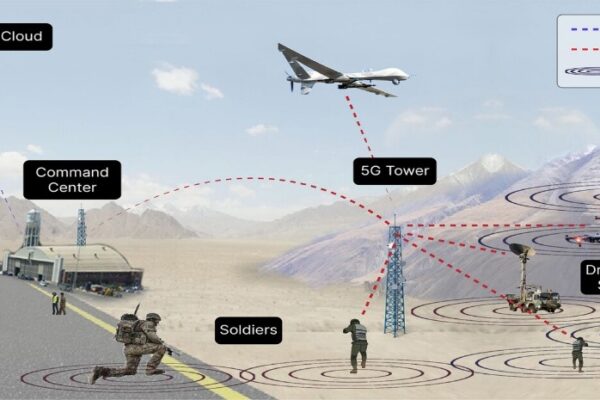
AbstractModern armed conflicts are increasingly shaped by a complex interaction between geopolitical rivalry, technological competition, and global economic structures. While traditional explanations of war emphasize territorial disputes, ideological confrontation, and national security imperatives, contemporary research highlights the growing influence of corporate actors and transnational economic interests in shaping the dynamics of modern warfare. The concept…

Read More

Thirst by The Sea

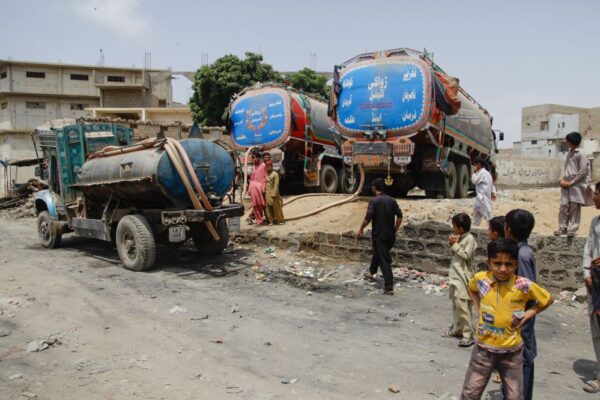
Karachi’s Drinking Water Crisis and the Strategic Case for Desalination Introduction (Karachi’s Paradox of Water Abundance and Scarcity) Karachi, a megacity of over 22 million people and Pakistan’s principal economic engine, faces a structural paradox. Despite sitting on one of the world’s longest and most resource-rich coastlines, access to safe drinking water has become one…

Read More

The Emerging Doctrine of Accountability

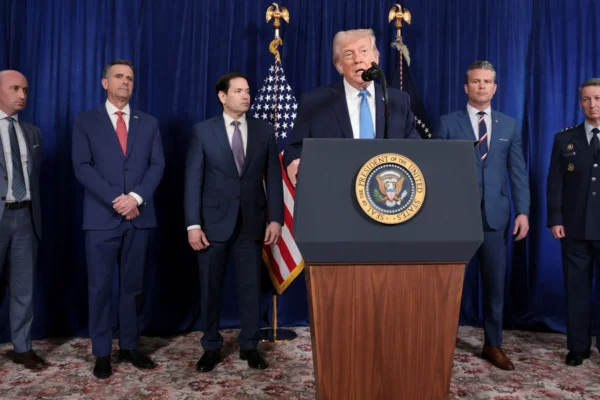
Trump’s Action Against Venezuela Implications For Pakistan’s Counter-Terrorism Strategy Introduction The decisive action reportedly taken by U.S. President Donald Trump on 4 January 2026 against Venezuela’s Nicolás Maduro regime marks a significant development in the evolving doctrine of international security, counter-narcotics enforcement, and extraterritorial accountability. Justified on grounds of alleged drug trafficking, systematic human rights…

Read More

Critical Minerals, Geo-Economics, and Strategic Balancing

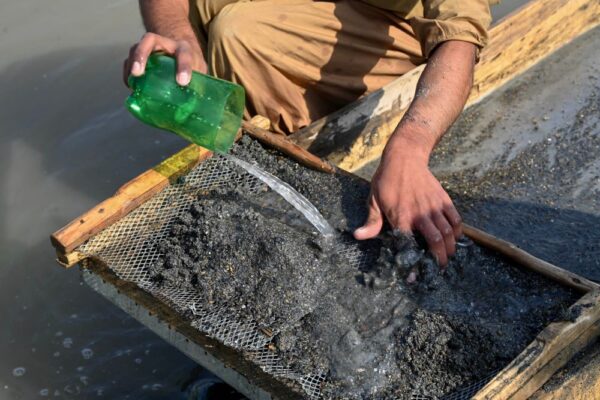
Pakistan–U.S. Engagement Through the Lens of the National Security Policy (NSP-2022) AbstractPakistan’s emerging cooperation with U.S. entities on critical minerals—particularly rare-earth elements (REEs), copper, and gold—has sparked regional debate and raised questions about sovereignty, geo-economic balancing, and long-term national security. Using the framework articulated in Pakistan’s National Security Policy (NSP-2022), this article evaluates whether such…

Read More

Global and Regional Terrorism

A Comparative Review of Asia’s Security Landscape AbstractThis paper analyses the evolving terrorism landscape in Asia with a particular focus on Pakistan, Afghanistan, and India. Drawing on the Global Terrorism Index (GTI) 2025 and regional data, it argues that Pakistan remains the principal victim of terrorism—not its exporter. The evidence reveals that most terrorist violence…

Read More

Rare Earth Elements

Pakistan’s Untapped Strategic Resource Abstract Rare earth elements (REEs) have emerged as strategic enablers of 21st-century technologies, underpinning renewable energy, advanced electronics, and defense systems. While China dominates the global extraction and refining industry, the United States is seeking to diversify supply chains through partnerships with alternative producers. Pakistan, endowed with significant yet untapped mineral…

Read More

Dual-Track Foreign Policy in a Shifting Regional Landscape

Introduction:From 2023 to mid-2025, Pakistan has redefined its approach to international engagement through a calibrated dual-track foreign policy. On one track, its strategic alliance with China has deepened, providing Pakistan with advanced defence technologies, cyber capabilities, and battlefield intelligence. On the other, Pakistan has maintained and expanded its cooperation with the United States in areas…

Read More

Strategic And Geopolitical Implications of The Recent India-Pakistan Conflict

The recent escalation of hostilities between India and Pakistan has far-reaching consequences, impacting not only the two countries but also regional stability, global power alignments, military technology perceptions, and strategic economic partnerships. As tensions rise in South Asia, this conflict emerges as a flashpoint that could reshape global geopolitical trajectories and military doctrines. Geopolitical Shifts…

Read More