

Iran USA/Israel War – Impact on the Region
Introduction
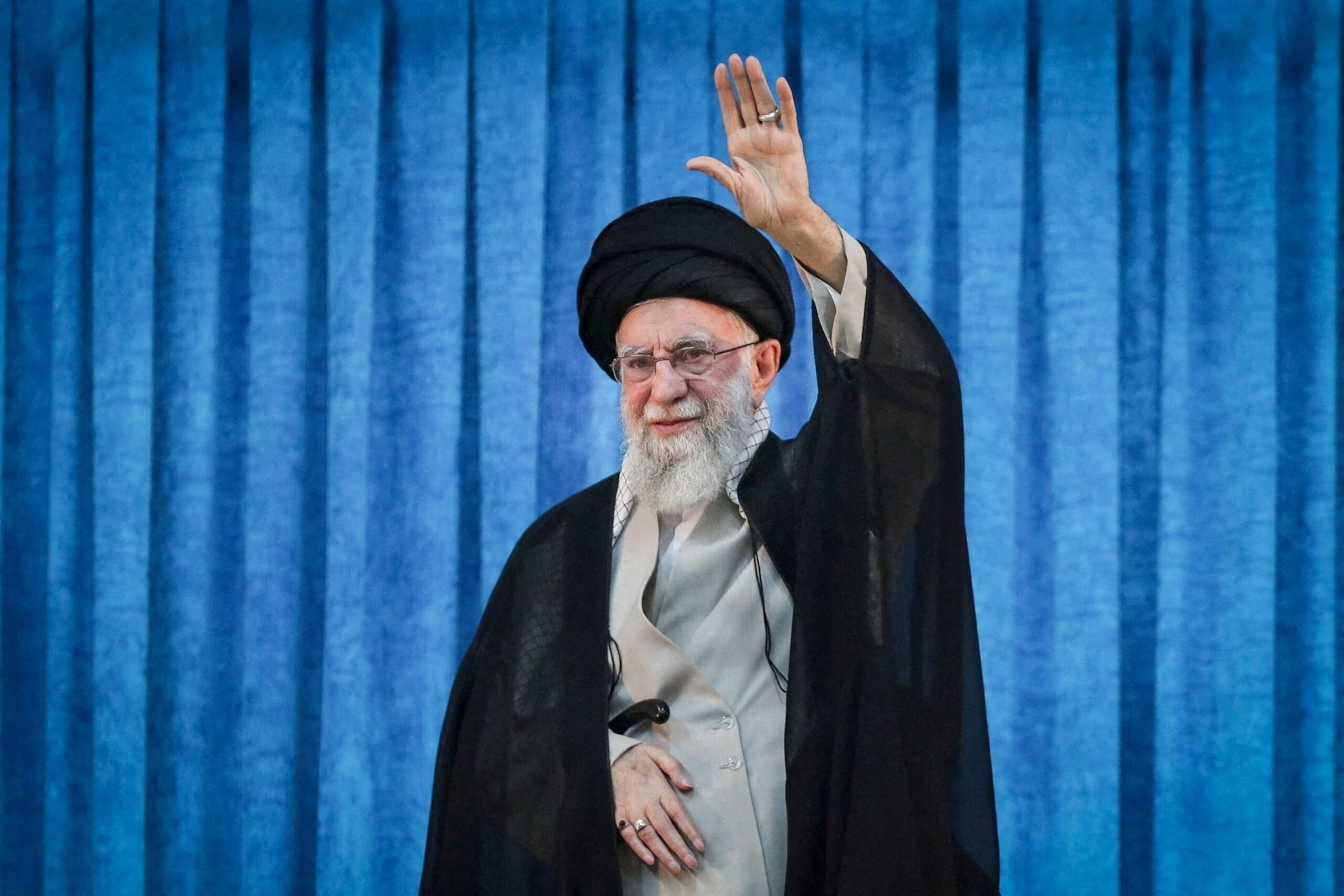
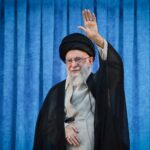
The United States has started a war against Iran at Israel’s behest and cannot clearly articulate its own reasons for why this attack was necessary, and what objective they are pursuing specially when the talks between USA and Iran were heading for logical conclusion under the mediation role of Oman. President Trump and his Foreign Secretary Marco Rubio were not on the same page about explaining the reasons for the attack was launched. As a result, they have no concept of the endgame, and the assumptions under which they went in seems to be collapsing. In the past USA invaded Iraq in 2003 assuming that the local population would lay the red carpet for the invaders with flowers. This time as well, they have gone into this war believing that the local population (the Iranians) will rise up and topple or overthrow the Islamic regime. That did not happen, even after the sad and brutal assassination of Ayatullah Ali Khamenei, now the US and Israel seems to be falling back on other options e.g use of ground troops etc.
The Conflict
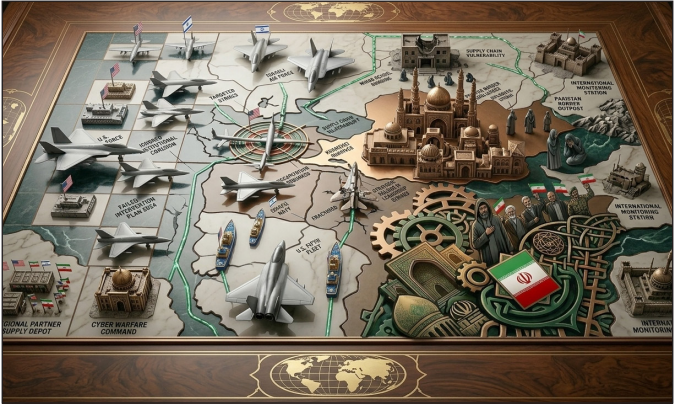
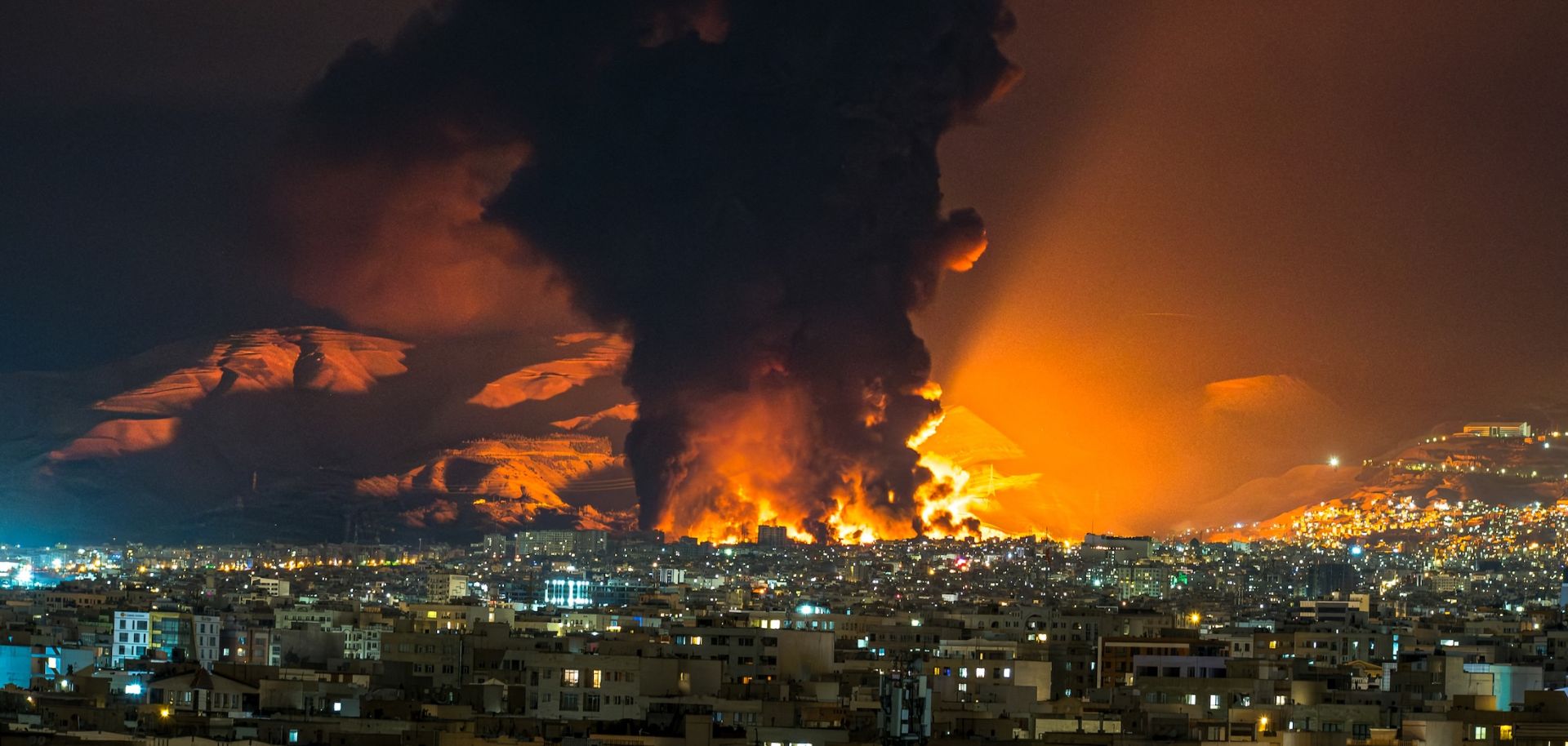
The war marks President Donald Trump’s second military venture in less than six months after June 2025, 12 days war with Iran, as a big blunder and his name is included among America’s war Presidents. Since the beginning of 2026, USA had been deploying massive naval fleets including two aircraft carriers, Ibrahim Lincoln and Gerald Ford to the region whereas USA publicly engaged Iran in nuclear negotiations. The deployment aircraft carriers is marked as the largest American military build up in the Middle East since the 2003 invasion of Iraq. For most of the military observers it was becoming increasingly evident that Trump was not genuinely pursuing a deal, the talks appeared to serve merely as a cover for military build up and preparation as he did in 2025. Reportedly, America and Israel had already planned in December 2025 to launch a simultaneous offensive on Tehran by targeting not only military installations but also senior Iranian leaders and commanders including Ayatullah Syed Ali Khamenei. In the first wave of targeted attacks on Feb 28, 2026 they killed more than 40 senior Iranian officials, including the Commander of the Revolutionary Guards, the Defence Minister and the Chief of Staff of the armed forces. There were also large number of civilian casualties including about 180 school girls and staff. The US President who initially thought that this war will end in few days, has openly conceded that the conflict could drag on much longer.
In response to the US attack Iranian missiles have broken through Israel’s formidable air defence system comprising THAAD, Air Dome, David Sling, Arrow 2 and Arrow 3, striking sensitive security installations. Iran also attacked US aircraft carrier Ibrahim Lincoln, killing and wounding American sailors. Tehran has also raised the stakes by launching missiles and drones strikes targeting American military bases in Qatar, the UAE, Bahrain and Saudi Arabia. The US embassy in Riyadh was also hit by an Iranian drone strike. Besides bombing on Iran, Israel has extended the fighting to Lebanon, targeting the pro-Iran Hezbollah. The retaliatory response of Hezbollah was also very lethal, they have destroyed 4 Merkavah Tanks of Israeli Army, considered most advance tanks in the world.
After the initial setbacks and furious response of IRGC, the US President has not ruled out the possibility of deploying ground troops; mot perceiving that a prolonged American war with boots on the ground would further destabilise an already volatile regional situation. Trump seems to have forgotten the lessons of America’s two decades war in Afghanistan and the 2003 invasion of Iraq. His warmongering has plunged the world into a deeper economic and geopolitical crisis. As their Plan B, they thought to arm Kurdish and Baloch populations on the periphery of Iran in the hopes that they would provide the ground component to the aerial bombardment, however, as per reports the Kurdish leadership refused to be involved in the conflict. As long as the war continues, USA and Israeli reversal will be more prominent and everlasting. After the rather dismal performance in initial first three days the USA tried to mobilize some Azerbaijan troops on Iran’s northern border, just to put some strategic pressure on Iran. This pressure was designed to destabilize Iran internally while simultaneously increasing external military pressure, yet this move also failed.
Regional Impact
From the lessons learnt of the US invasions of Afghanistan and Iraq in the early 2000, Iranian planners began developing a doctrine centered on decentralized Asymmetric Warfare. This approach assumes that any technologically superior adversary, particularly the United States would dominate in any conventional military confrontation. Instead of competing directly in areas such as large-scale air power, Iran appears to have focused on resilience and fragmentation. Under this model, military units could operate in smaller autonomous formations capable of sustaining prolonged resistance without reliance on a single centralized command structure. Such a strategy complicates the conventional logic of war.
Some analysts have previously questioned Iran’s relatively limited visible investment in traditional air power. However, within the logic of Asymmetric Warfare, this absence may represent strategic calculation rather than weakness. A huge conventional air force could be destroyed in the early stages of a high-intensity conflict with a technologically superior military. Instead, Iran appears to prioritize systems that are inexpensive, adaptable and capable of mass production. Drones such as the Shaheed 136 series exemplify this approach, low-cost platforms that can be manufactured locally and deployed in large numbers. Critics of Iran’s strategy often argue that sustained air strikes would eventually eliminate missile launch capabilities and force Tehran into submission, so far this is not happening on ground.
A military strategy built over two to three decades is unlikely to depend on a small number of vulnerable assets. Strategically, the confrontation also highlights different approaches to warfare. The United States often pursues victory through technological dominance and attrition seeking to degrade an adversary’s capabilities over time. Iran, by contrast, is attempting to shape the strategic environment itself. This difference becomes most visible in the geopolitics of the Strait of Hormuz, one of the world’s most critical maritime checkpoints. Roughly a fifth of global oil trade passes through this narrow waterway linking the Persian Gulf to international markets.
Control or even temporary disruption of the passage could have immediate consequences for global energy markets, shipping routes and economic stability. In such a scenario, the battlefield would extend far beyond military installations and into the infrastructure of global trade. A renowned defence analyst has described the emerging confrontation as a “war of signals and communications.” If shipping routes through the Gulf are restricted or threatened, the ripple effects could reshape diplomatic relationships across the Middle East and Asia. The broader geopolitical implications could also affect the delicate regional balance involving actors such as Iran, Israel and several Gulf States that maintain complex and sometimes quiet diplomatic relationships with both sides. Ultimately, the unfolding confrontation may become a test of two different philosophies of war.
One relies on technological superiority and overwhelming fire-power. The other emphasizes endurance, strategic positioning and the ability to reshape the environment in which conflict takes place.
Israel has a long, dark history of deception and malpractices. It is entirely possible that Tel Aviv is involved in targeting civilians and non-military facilities, while falsely implicating Iran through fake news and western media. If this conflict prolonged and hostilities increase between Tehran and the Arabs, Israel would have won through minimal effort. Hence, the Gulf States and Iranians need to be vigilant of Israel’s sinister efforts.
Iran’s senior officials have already informed neighbours about the reality and reason of their attacks. The Gulf states, on their part, should not allow themselves to be trapped into opening a front against Tehran. What is certain that the spreading war and destabilisation will have far-reaching ramification, which will shape the Middle East’s future.
Conclusion
Centuries ago, the Chinese strategist Sun Tzu argued that the highest form of warfare is not simply defeating the enemy on the battlefield, but forcing them into a position where their own strength becomes a liability. Whether modern warfare in the Gulf will follow that ancient logic remains an open question. What is certain, that any escalation around the Strait of Hormuz would not remain a regional conflict it would quickly become a global one.