




The escalating conflict involving Iran, the United States, and Israel represents one of the most significant geopolitical shocks to global energy markets in recent years. Beyond the immediate humanitarian and military consequences, the conflict carries substantial economic costs for both regional and global economies. One of the most visible economic effects has been volatility in crude oil prices and rising fuel costs worldwide. Because the Middle East remains central to global energy production and transportation, even limited disruptions can trigger widespread economic consequences. The economic significance of the Iran-US-Israel conflict stems largely from the region’s role in global energy supply. The Middle East accounts for a substantial share of global crude oil exports, and one of the most critical transport routes is the Strait of Hormuz. Approximately 20% of the world’s oil and liquefied natural gas shipments pass through this narrow waterway each day. Any military tension that threatens its security immediately sends shockwaves through global energy markets. Historically, similar supply shocks occurred during the 1973 oil crisis and the 1990 Gulf War, both of which led to sharp increases in global energy prices. The Iran-US-Israel conflict follows a comparable pattern. Even a small perceived disruption to Middle Eastern oil flows can raise global prices dramatically because markets anticipate shortages. In practical terms, a 1 to 2 million barrel reduction in daily supply can raise global oil prices by 5–10% depending on existing inventory levels. Since the Persian Gulf region accounts for a large share of exports, risks around Iran often produce significant volatility in the Brent crude benchmark.
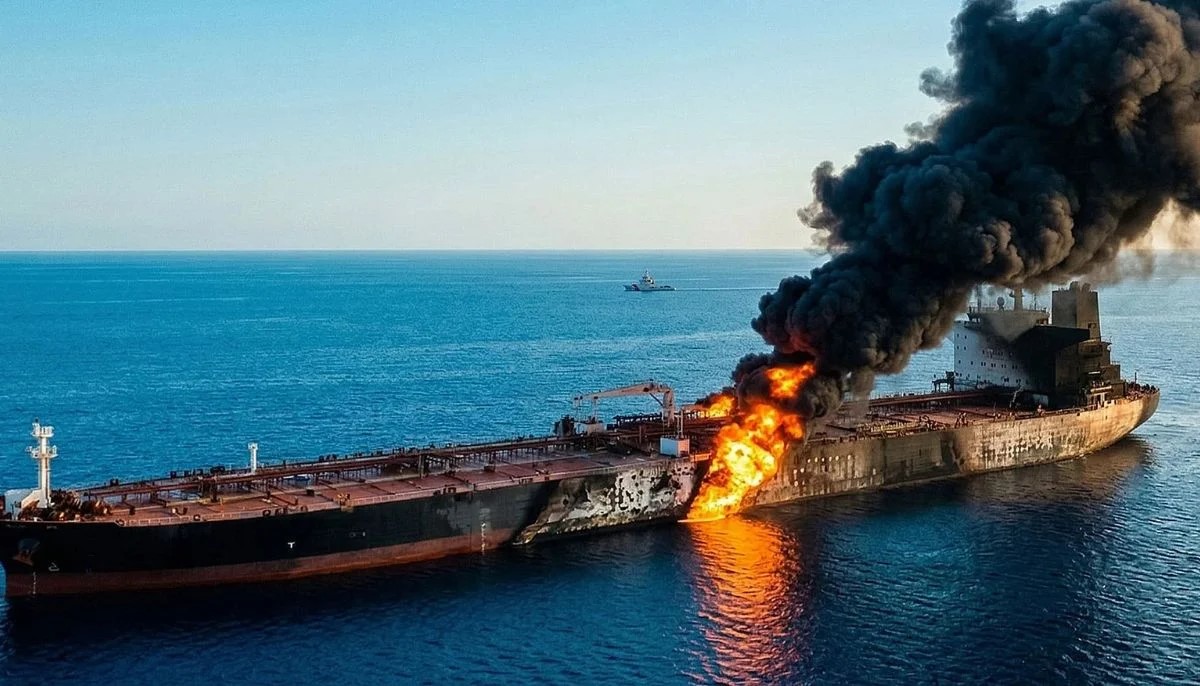
Recent developments highlight the fragility of this system. Iran has reportedly deployed naval mines in the Strait of Hormuz, effectively halting or severely disrupting oil shipments through the channel. Military analysts warn that clearing the mines could take maybe weeks or months, potentially removing up to 20 million barrels per day from global oil supply. This disruption is significant because modern industrial economies rely heavily on steady energy supplies. When oil transport routes become unsafe, markets respond quickly through price increases, reflecting the risk of supply shortages. One of the first economic consequences of the conflict has been a rapid increase in crude oil prices. In the early stages of the escalation, Brent crude rose sharply as traders anticipated disruptions in supply chains and maritime transportation.
Historical examples show similar patterns: geopolitical tensions in the Gulf often lead to sudden spikes in oil prices as traders incorporate a “risk premium” into energy markets. In the current conflict, prices briefly surged to nearly $120 per barrel before stabilizing somewhat as markets evaluated the extent of disruption. Earlier escalations in the conflict had already caused oil prices to jump by around 7-10% within days of military strikes.
Several mechanisms explain these increases. Supply disruptions – reduced shipments through key maritime routes decrease global supply. Risk premiums – traders anticipate potential shortages and raise prices accordingly. Strategic stockpiling – countries increase reserves during crises, further tightening markets. Even the perception of risk can cause price volatility. Energy traders frequently react before actual supply shortages occur, driving up futures prices as a precaution against possible disruptions.
Higher crude oil prices quickly translate into higher fuel costs for consumers and businesses.
Because oil is a key input for transportation, manufacturing, and agriculture, increases in crude prices ripple through the entire economy. Economists estimate that fuel prices may rise by approximately 10 – 30 cents per gallon in the short term, with diesel prices potentially increasing even more. These increases raise the cost of logistics, aviation, and road transportation, which in turn raises prices for goods and services. Inflationary pressures are a major concern. Analysts estimate that a sustained oil price increase above $100 per barrel could add roughly 0.6 – 0.7 % points to global inflation. For economies such as Pakistan, who are already dealing with high interest rates and post-pandemic economic adjustments, such inflationary shocks can slow economic growth and reduce consumer spending Another significant economic cost of the conflict involves maritime shipping and insurance. As tensions increase in the Persian Gulf, shipping companies face higher operational risks. Many vessels have avoided the Strait of Hormuz due to security concerns, while others require costly insurance coverage to operate in the region. War-risk insurance premiums have risen dramatically. For oil tankers valued between $17 million and $100 million, insurance costs per voyage can increase by hundreds of thousands of dollars. These costs are eventually passed on to energy buyers, contributing further to rising fuel prices. Shipping disruptions also create broader trade problems. The Gulf region exports not only crude oil but also liquefied natural gas, petrochemicals, fertilizers, and metals. Reduced shipping capacity therefore affects multiple global supply chains simultaneously.
The conflict is also altering global energy trade flows. Countries dependent on Middle Eastern oil are increasingly seeking alternative suppliers.
For example, some nations have increased imports from Russia or other producers to compensate for disruptions in Gulf shipments. While such adjustments can reduce immediate shortages, they often come at higher transportation costs and longer shipping routes, which again contribute to higher global fuel prices.
The Iran-US-Israel conflict demonstrates how geopolitical tensions in energy-producing regions can rapidly translate into global economic consequences. Disruptions to key shipping routes, increased insurance costs, and uncertainty about supply have already pushed crude oil prices upward and triggered higher fuel costs worldwide. If the conflict continues or expands, the economic consequences could intensify. Sustained disruptions in the Strait of Hormuz would not only increase energy prices but could also contribute to global inflation, slower economic growth, and shifting international trade patterns.
Ultimately, the economic cost of the conflict extends far beyond the battlefield.
By destabilizing energy markets and increasing transportation costs, the crisis underscores the deep interdependence between geopolitical stability and the functioning of the global economy.