

Legal Questions Surrounding the U.S.–Israel Strikes on Iran
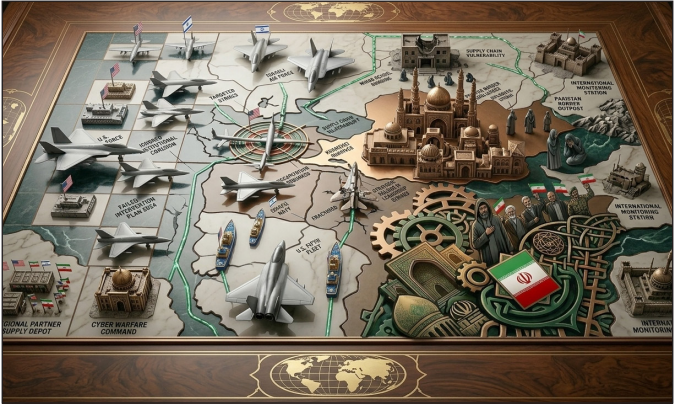
When missiles fly, legal arguments follow. The recent U.S.–Israel strikes on Iran have triggered not only geopolitical tensions but also one of the most consequential legal debates of our time: Were these attacks a lawful exercise of collective self-defense, or an unlawful act of aggression? The answer hinges on both U.S. constitutional law and the international rules governing armed conflict.
Domestic Legality: Presidential Authority vs. Congressional Power
The first critical question is whether a U.S. president can lawfully launch military strikes abroad without prior congressional approval. The Constitution divides war powers deliberately. Article II names the President “Commander in Chief,” while Article I, Section 8 grants Congress the power to declare war. The 1973 War Powers Resolution requires that hostilities initiated by the President terminate within 60 days (extendable to 90) unless Congress authorizes continued action.
The Executive Branch maintains that limited military operations fall within presidential authority if the action protects “important national interests” and does not rise to the scale of a full-scale war. The March 2 War Powers Report stated that President Trump acted pursuant to Article II authority, reflecting the traditional view that targeted strikes constitute legitimate executive discretion.
Critics counter that sustained military action—particularly operations with high casualty potential, regional escalation risks, and ongoing retaliatory exchanges—resembles war rather than a short-term defensive measures. Courts rarely intervene in such disputes, citing standing and the political question doctrine, leaving political processes and congressional oversight as the primary constitutional checks. Under this lens, unilateral strikes without congressional authorization risk violating the Constitution, as the president lacks authority to initiate hostilities absent a clear and imminent threat to the United States.
Evidence Suggests the Strikes Were Not Defensive
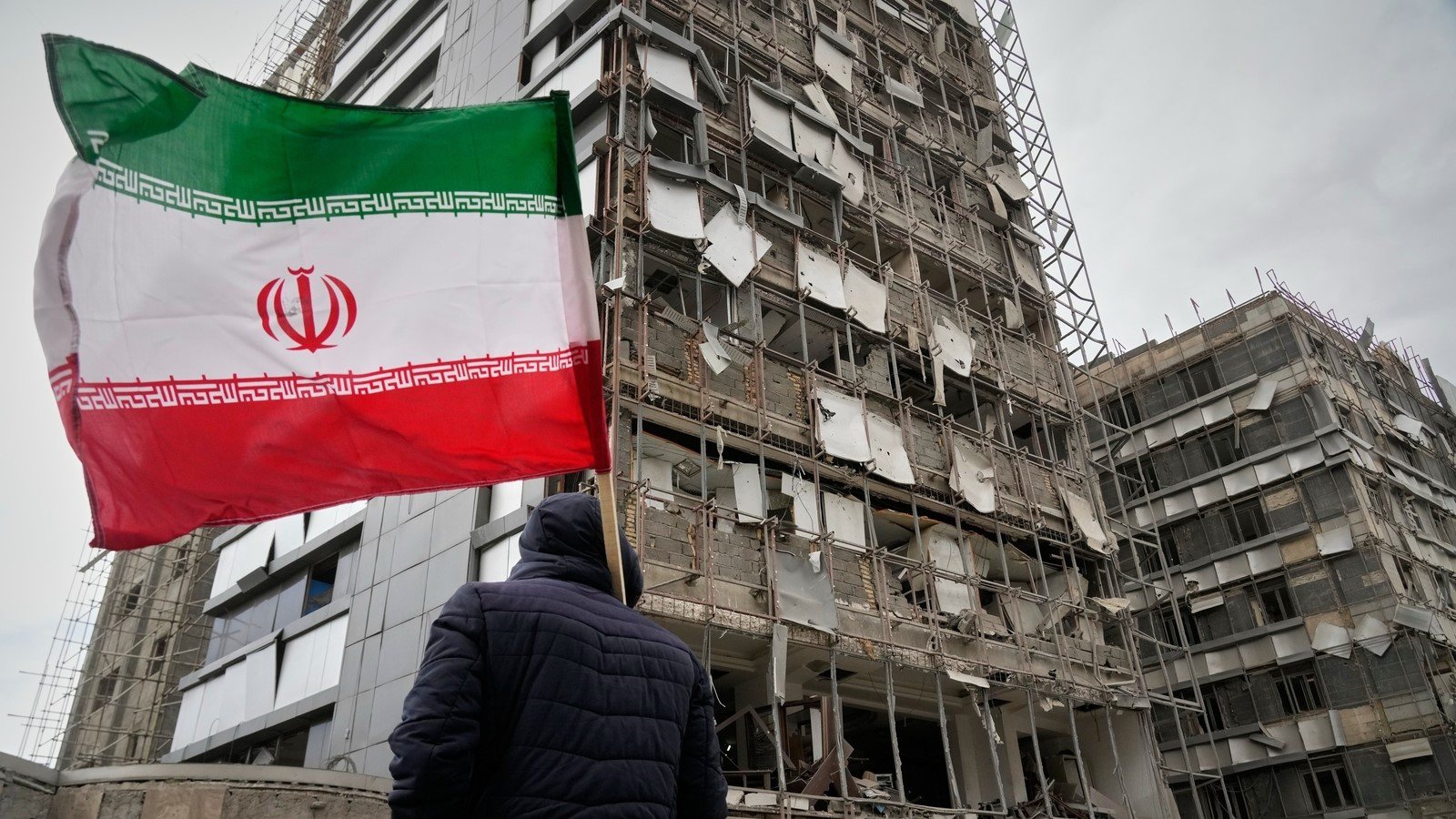
Mounting circumstantial and testimonial evidence indicates that the strikes were far from limited. Reports describe multiple waves of missile attacks, sustained air campaigns, deployment of additional naval and air assets, and expanded rules of engagement. Hostility did not end within a brief, time-bound operation; instead, retaliatory cycles and preparations for extended engagement point to an unfolding conflict rather than a defensive response.
Intelligence and congressional sources cited by the Associated Press indicate that Iran had not prepared a pre-emptive or imminent attack at the time the U.S.–Israel operation began. Negotiations aimed at curbing Iran’s nuclear program were reportedly ongoing, demonstrating that diplomacy was not exhausted. Major international outlets have described the U.S.–Israel offensive as the initiating event in the current escalation, with PBS NewsHour noting that it set the sequence of conflict in motion.
The political and international response reinforces this assessment. Congress has not issued a formal Authorization for Use of Military Force or declaration of war, yet bipartisan lawmakers described the action as “war” and convened emergency hearings to examine the president’s authority. At the United Nations, debates labeled the strikes potential “aggression,” and several foreign governments characterized them as an “act of war,” recalling diplomats and considering sanctions.
Taken together, these facts suggest that the strikes were not strictly defensive. The scale, duration, and consequences resemble the initiation of hostilities, challenging the legal basis for unilateral presidential action.
International Law: Collective Self-Defense and the UN Charter
Under Article 2(4) of the UN Charter, states must refrain from using force against another nation. Article 51 preserves the “inherent right of individual or collective self-defense” if an armed attack occurs. Self-defense requires both necessity and proportionality.
Proponents of the U.S.–Israel position argue that collective self-defense justified the strikes. Their arguments rely on three points: any illegal use of force can trigger self-defense, “imminence” can be interpreted broadly considering hostile patterns and strategic context, and force is lawful if peaceful alternatives are exhausted. This framework allows anticipatory self-defense to prevent a looming threat.
By contrast, the International Court of Justice (ICJ) and most scholars adopt a restrictive standard. Self-defense is lawful only against an actual armed attack or a truly imminent one that is “instant, overwhelming, and leaving no choice of means.” This 19th-century Caroline doctrine remains the benchmark in international law and rejects preventive war based on generalized threats.
The debate hinges on the concept of imminence. The U.S. has argued for a broader interpretation encompassing long-term hostile patterns, weapons development, and strategic risk assessments, enabling earlier intervention. Critics note that at the time of the strikes, Iran had not launched or committed to an immediate armed attack, making necessity difficult to establish. Negotiations were ongoing, and intelligence suggested no final decision on nuclear weapon deployment. Under the narrow, traditional definition, the strikes risk violating Article 2(4); under the broader, controversial interpretation, they fall into a disputed, minority legal position.
First Aggressor Principle and Civilian Protection
For collective self-defense to apply, international law requires: an armed attack on an ally, a request for assistance, necessity, and proportionality. If the U.S. and Israel struck first, they may be considered initial aggressors, which bars them from claiming self-defense. Reports indicate that civilian targets—including a school resulting in more than 184 deaths—were struck, violating international humanitarian law regardless of who fired first. Self-defense never permits indiscriminate attacks.
U.S. and Israeli strikes, by these accounts, violate the UN Charter and constitute unlawful aggression. Iran, as the victim of the initial attack, retains the right to respond against military targets proportionately, subject to international law’s distinction and proportionality principles.
Further arguments that strengthen Iran’s right of self-defense
- U.S. Bases in the Gulf: Under international law, these remain the sovereign territory of host nations. Attacks on U.S. forces there may trigger self-defense rights—but if the U.S. itself initiated hostilities, it cannot lawfully invoke this principle.
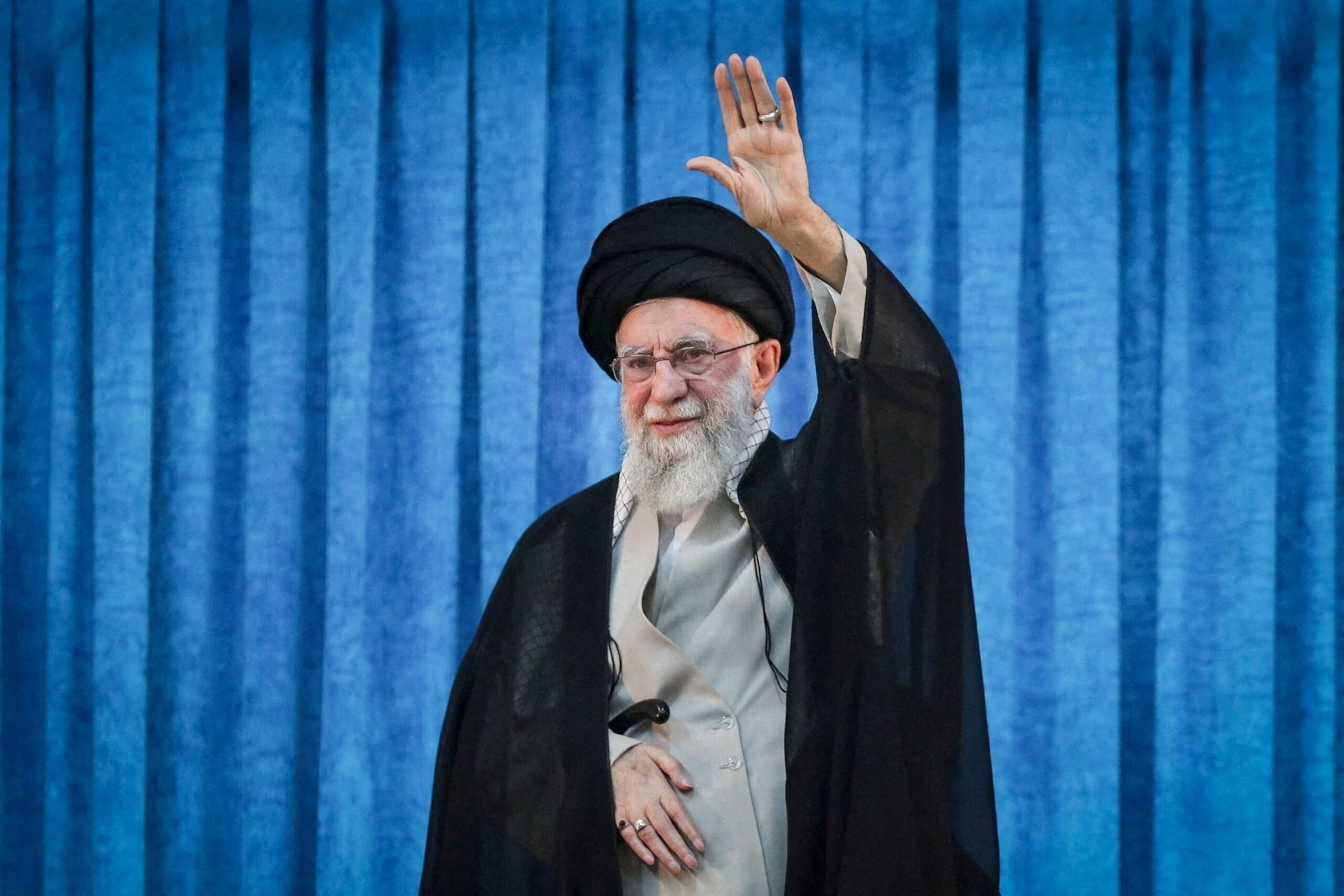
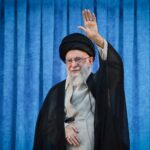
- Targeting Iran’s Supreme Leader: International humanitarian law allows targeting political leaders only if they exercise direct military command. If strikes aimed at regime change rather than military necessity, they likely violate international law and cannot justify defensive claims.
- Strikes During Negotiations: Diplomatic talks were ongoing, reportedly close to a breakthrough limiting Iran’s nuclear and missile capabilities. Military action while negotiations are active undermines the necessity requirement and further erodes the claim of unavoidable self-defense.
The U.S. claim of collective self-defense is legally weak. By initiating hostilities, the U.S. and Israel forfeited the right to invoke Article 51. Constitutionally, the president lacks unilateral authority to declare war without Congress when no clear and imminent threat exists. Internationally, offensive operations lacking Security Council authorization or imminent threat contravene the UN Charter. Self-defense exists to prevent chaos, not justify aggression. Once attacked, Iran has a recognized right under Article 51 to respond proportionately, subject to the rules of distinction and proportionality under international humanitarian law. Courts of US are unlikely to review war powers disputes, leaving broad executive discretion, but Congress and the United Nations hold authority to demand accountability. History will judge not only who acted, but whether those actions adhered to the legal standards that govern all nations.