
The Resource–Geography Paradox
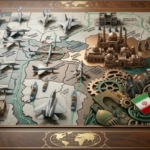
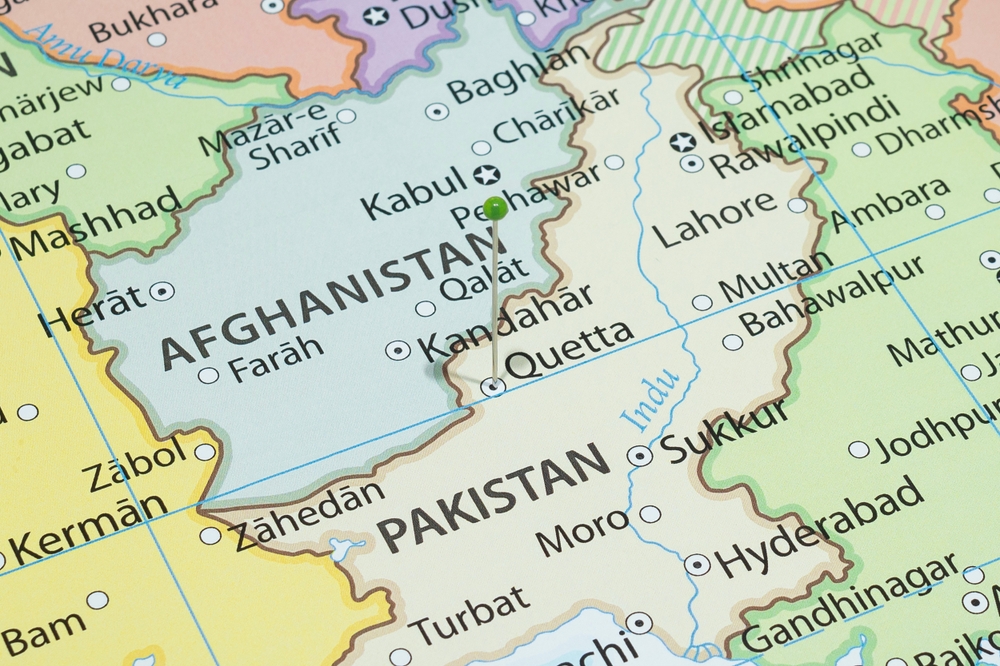
Pakistan frequently highlights its strategic location at the confluence of South Asia, the Middle East, and Central Asia, alongside its vast natural resource endowment, including copper, coal, gas, and gold, valued in the trillions of dollars. Its coastline along major global oil routes strengthens its image as a country destined for economic and geopolitical importance. On paper, Pakistan appears poised for prosperity, serving as a regional bridge and a repository of natural wealth. Yet the reality for its citizens tells a different story. Economic hardship, rising debt, and governance failures have replaced promise with scarcity, leaving a striking gap between potential and reality.
This paradox is not fate. Geography and natural resources, once seen as Pakistan’s greatest advantages, have instead become sources of struggle. Global powers have exploited them to serve their own interests, while domestic elites have mismanaged them for personal gain. What could have made Pakistan a regional success has become a burden, leaving the nation caught between promise and disillusionment. The key question now is whether Pakistan can transform these frenemies – its geography and resources – into genuine allies in progress. Since its independence in 1947, Pakistan’s strategic location has repeatedly drawn global powers, often at a high cost. During the Cold War, it allied with the United States against the Soviet Union, receiving billions in aid but inheriting militancy and drug trafficking. In the 1980s, as the frontline state in the Afghan war, Pakistan gained short-term benefits but long-term instability. After 9/11, the pattern repeated: between 2002 and 2016, the U.S. provided over US$33 billion, mostly for military cooperation. Development sectors – schools, hospitals, and jobs – remained neglected while Pakistan served as a pawn in the global war on terror. Today, China has replaced the U.S. as Pakistan’s dominant partner through the US$60 billion China–Pakistan Economic Corridor (CPEC). It promises growth through roads, ports, and energy projects, but the results remain uneven. Rising debt, opaque contracts, and unfulfilled promises persist. Gwadar, hailed as a symbol of progress, still struggles for clean water. Geography has often functioned less as a pathway to prosperity and more as a chain binding the nation to others’ ambitions.
Foreign aid, once viewed as a lifeline, has turned into another trap. Since 1947, Pakistan has received more than US$300 billion in aid and loans, yet debt repayment now consumes nearly half the federal budget. In FY2025–26 alone, Rs 8.2 trillion will go to interest payments. Education and healthcare continue to lag in the federal budget spending, receiving less than 1% of GDP according to the latest economic survey. Across the country, schools lack teachers, hospitals lack medicine, and infrastructure projects remain unfinished. For the ruling elite, aid has been a means of enrichment; for ordinary citizens, it has become an inherited burden passed from one generation to the next.
Youth unemployment and the widening gap between academia and industry have further deepened Pakistan’s resource–geography paradox. Despite the potential demographic advantage of a youth bulge, Pakistan faces persistently high unemployment rates among young people, particularly educated urban youth. The Pakistan Bureau of Statistics indicates that youth unemployment exceeds the national average, compounded by a reported skills shortage from employers.
This gap highlights a disconnection between university outputs and market needs. The World Bank critiques the educational system for its excessive focus on theory, a lack of critical thinking, digital skills, and practical training, with less than 25% of graduates undergoing formal internships. Weak linkages between academia and industry, alongside insufficient research commercialization and innovation initiatives, contribute to underemployment among engineers and social science graduates. Consequently, industries resort to importing skills or using informal labor, perpetuating frustration, brain drain, and social instability, while hindering efforts to leverage the country’s resources and strategic location for sustainable employment growth.
Even Pakistan’s proudest achievement – its nuclear program – reflects this paradox. Created for defense, it has also served as a tool for political leverage and prestige. Yet defense spending consumes over 15% of the federal budget. For those in power, the nuclear arsenal represents survival; for the child without a teacher or the patient without medicine, it symbolizes misplaced priorities. National security has long outweighed human security.
Within Pakistan, natural wealth has become a source of division rather than unity. Provinces rich in resources often feel exploited. Their minerals, energy, and trade enrich elites in Islamabad and Rawalpindi while local communities remain poor. This fuels resentment and unrest, turning resources meant to strengthen the country into forces of fragmentation. If foreign powers have exploited Pakistan’s geography, domestic elites have done the same with its resources.
For many citizens, the map’s riches mean little. In Gilgit–Baltistan, glaciers and mineral mountains attract global attention but bring no constitutional rights or opportunity. In Azad Kashmir, rivers power distant cities while local villages remain dark. Khyber Pakhtunkhwa’s forests and hydropower serve others as its people endure the legacies of conflict. Sindh fuels the economy through Karachi’s ports and coal mines, yet its slums flood each monsoon. Balochistan provides gas for the nation and hosts the US$74 billion Reko Diq mine, yet many families still cook with firewood. Even Punjab, the country’s heartland, faces water scarcity, failing rural schools, and growing urban inequality.
Across all provinces, geography and resources that should unite Pakistan have deepened divisions. Roads, pipelines, and ports impress outsiders, but for fishermen locked out of Gwadar or displaced families in Balochistan and Khyber Pakhtunkhwa, “strategic importance” means exclusion. Until those living on this land share in its wealth, Pakistan’s greatest assets will remain its deepest injustices. Breaking this cycle demands more than slogans – it requires courage and integrity. Pakistan must stop being used as a pawn in others’ strategies and ensure transparency in all agreements, whether with Washington or Beijing.
Real progress means channeling profits from Reko Diq into schools in Chagai, ensuring Balochistan’s gas powers local homes, granting Gilgit–Baltistan and Azad Kashmir constitutional rights, and reinvesting Sindh’s revenues in its own cities and villages. Foreign aid should build hospitals and schools, not private estates, and the tax system must ensure the wealthy pay their fair share instead of burdening the poor through indirect taxes. Above all, Pakistan must realize that its true wealth lies not in geography or minerals but in its people – 240 million citizens, half of them young and full of potential. Only by investing in them can Pakistan turn its resources and location from liabilities into the foundations of national renewal.