



1. Since its nascent beginnings in 1947, the Pakistan Air Force (PAF) has embarked on a remarkable journey of indigenization, transforming from a force heavily reliant on external aid to one capable of designing, developing, and manufacturing sophisticated aerial platforms and, crucially, their intricate avionics and weapons systems. This drive for self-reliance, born out of necessity and amplified by geopolitical realities, has been a cornerstone of the PAF’s strategic vision.
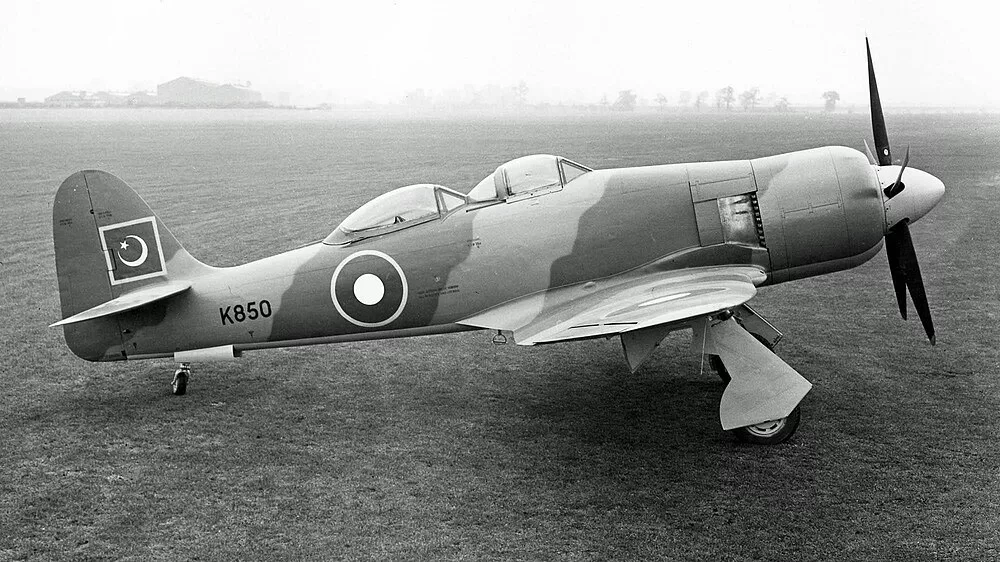
2. At the time of its establishment, the Royal Pakistan Air Force (RPAF) inherited a modest fleet of outdated aircraft, largely from the British Raj, with minimal indigenous support infrastructure. The immediate challenge was not just to acquire aircraft but to develop the technical expertise to maintain, repair, and eventually upgrade them. This foundational period saw the PAF focus on establishing technical training institutions and maintenance facilities, laying the groundwork for future indigenization efforts.
3. The real impetus for self-reliance gained momentum in the aftermath of conflicts and international sanctions. The embargoes of the 1960s and particularly the 1990s, which significantly impacted the flow of Western military hardware, served as a stark reminder of the vulnerabilities inherent in foreign dependence. This spurred the PAF to accelerate its indigenous capabilities, with particular emphasis on the critical domains of avionics and weapons.
Organic R&D Capabilities
4. PAF leadership was quick to realize that a strong technical base was needed to ensure that PAF always remained ahead of the curve. For this, PAF setup the College of Aeronautical Engineering in 1965 followed by specialized R&D units to provide solutions to operational challenges in the domains of electronic warfare and electro-optics/infra-red – areas that could not be relied on for foreign assistance. These initiatives have proven to be instrumental not only in developing very capable human resource but also in shaping the indigenization landscape for years to come.
5. In 2012, PAF reorganized its organic R&D organizational setup by creating a dedicated office of DG Projects (later elevated to DCAS Projects) to create greater synergy and focus on longer term programs. Interestingly, this proposal was presented to the then Air Board by the present CAS, Air Chief Marshal Zaheer Ahmed Baber Sidhu (then Air Commodore).
Pakistan Aeronautical Complex (PAC)
6. Central to Pakistan’s indigenization success has been the Pakistan Aeronautical Complex (PAC) at Kamra established in the late 1970s. Initially conceived as a Maintenance, Repair, and Overhaul (MRO) facility for Chinese F-6 aircraft, PAC has organically grown into a formidable aerospace industrial setup. Its journey highlights a deliberate progression from licensed manufacturing and overhaul to complex design and development.
7. Within PAC, dedicated facilities like the Avionics Production Factory (APF) have played a pivotal role in advancing indigenous avionics. APF’s capabilities extend beyond mere assembly, encompassing the licensed production of critical components like the Italian Grifo 7 radar for F-7P/PG fighters and the assembly of the KLJ-7 radar for the JF17 Thunder. Furthermore, APF undertakes the production of a wide array of avionics items, including Identification Friend or Foe (IFF) systems, crash recorders, navigation systems, Multi-Function Displays (MFDs), Mission Computers (MCs), Digital Video Recorders (DVRs), Up Front Control Panels (UFCPs), audio control systems, etc. This demonstrates a significant stride towards controlling the intellectual property and manufacturing processes of vital airborne electronics.
National Engineering and Scientific Commission (NESCOM)
8. Complementing PAC’s efforts is the National Engineering and Scientific Commission (NESCOM). While NESCOM’s mandate is broader, encompassing various defence development programs, its contributions to PAF’s electronic and weapons indigenization are substantial. NESCOM has been instrumental in the development of indigenous systems like the Ra’ad airlaunched cruise missile (ALCM), and the more advanced Ra’ad 2, which can be integrated with JF-17 and Mirage aircraft. These missiles feature advanced navigation systems (INS/GPS, TERCOM/DSMAC), and sophisticated guidance algorithms, all requiring significant design and manufacturing of electronic components and software. The development of such systems highlights mastery over miniaturized electronics, signal processing, and real-time computing necessary for precision guidance.
9. Their work on unmanned aerial vehicles (UAVs) like the Burraq and their associated electronic systems for reconnaissance and precision strikes further underscores their role in enhancing PAF’s intelligence gathering and precision strike capabilities.
Private Sector Companies
10. PAF has worked closely with talented companies in the private sector to develop niche technologies (RWR, IFF, MFD, etc.) that directly support its indigenization goals. This has led to a number of companies becoming an important part of the ecosystem providing design and manufacturing support for various PAF platforms.
Key Milestones and Programs
Aircraft Upgrades
11. When facing sanctions in the 1990s, the PAF undertook the ambitious Retrofit of Strike Element (ROSE) program. Conducted at PAC’s Mirage Rebuild Factory (MRF), this program involved extensive upgrades to the avionics suites of PAF Mirage aircraft. This was followed by a number of avionics & weapons integration programs on various aircraft including Mirage, F-7P, F-7PG, C-130, etc., undertaken jointly with local industry demonstrating capacity for complex systems integration and modernization.
Air Defence Automation: The Shield of Indigenous Electronics
12. Modern air defence requires seamless integration of radars, command and control (C2) systems, weapon platforms (interceptors, surface-to-air missiles), and communication net works. In the 1980s and 1990s, the PAF embarked on projects to automate its air defence ground environment (ADGE):
(a) Integrate Diverse Radars. Combine data from various ground-based air surveillance radars (from different manufacturers and vintages) into a unified air picture. This required indigenous development of data fusion algorithms and interfaces.
(b) Automated Threat Assessment and Weap on Assignment. Develop software that could automatically detect, track, identify, and assess threats, then recommend or automatically assign appropriate interceptors or SAM batteries. This involved complex algorithmic development and the creation of indigenous rules of engagement (ROE) logic.
(c) Digitized Communication Networks. Establish secure, robust digital communication networks to link radars, command centers, and weapon platforms, ensuring rapid dissemination of critical information. This laid the groundwork for later network-centric concepts.
13. These automation efforts relied heavily on the development of indigenous software for command and control, data link systems, and display management. The ability to customize these systems to suit the specific operational requirements and threat perceptions of the PAF significantly enhanced the effectiveness and responsiveness of its air defence.
The JF-17 Thunder: Apex of Collaborative Indigenization
14. The JF-17 Thunder, co-developed with China, represents the zenith of Pakistan’s collaborative indigenization efforts. While often presented as a joint project, Pakistan’s role has transcended mere assembly. PAC Kamra undertakes significant portions of the aircraft’s manufacturing, including airframe components, and, crucially, plays a central role in the integration of its avionics.
15. The design of the human-machine interface (HMI), the software for mission planning and execution, and the integration of various sensors and weapons onto a unified display are areas where PAF engineers have gained substantial expertise. This has allowed the integration of both Chinese and Western avionics and weapons on the JF-17, making it an optimally potent weapon system.
16. The Block III variant of the JF-17, with its AESA radar, advanced electronic warfare suite, full glass cockpit with large-area displays, helmet-mounted display systems (HMDs), and a new mission computer represents a major leap in indigenous capabilities, with Pakistan having significant input in the systems’ specifications and integration.
Data Links and Network-Centric Capability (Link-17)
17. Perhaps the most significant advance towards network-centric warfare is the integration of advanced data link on the JF-17 Block – Link-17. This secure, jam-resistant data link allows for real-time exchange of tactical information – targeting data, threat warnings, friendly positions – not just between JF-17s but also with ground-based air defence systems, airborne early warning & control (AEW&C) aircraft (like the Saab 2000 Erieye), etc. This facilitates a truly network-centric battlespace, where every platform acts as a sensor and a shooter, sharing a common operating picture and enabling collaborative engagements. This concept drastically improves situational awareness, reduces sensor-to-shooter times, and enhances survivability. The development and deployment of such a national data link are massive indigenization triumphs in the electronic realm.
National Aerospace Science and Technology Park (NASTP)
18. Recognizing that indigenization is not a static goal but a continuous process, the PAF has established the National Aerospace Science and Technology Park (NASTP) with chapters at five locations across the country. NASTP is not just another production facility; it’s an ecosystem designed to foster innovation, research, and development by bringing together academia, industry, and the user. This initiative is designed to be a hub for innovation and research across vital sectors, including aviation, space, information technology, and cyber technologies. Its focus on integrating cutting-edge technologies into future aerospace systems, including avionics and electronic warfare, signifies PAF’s commitment to staying at the forefront of technological advancement. The integration of entities like the Centre for Artificial Intelligence and Computing (CENTAIC) under NASTP further solidifies this vision. NASTP also houses the National Incubation Centre for Aerospace Technologies (NICAT) aiming to nurture entrepreneurship in aviation related fields.
19. NASTP’s focus areas are critical for the next generation of avionics and electronic systems:
(a) Artificial Intelligence (AI) and Machine Learning (ML). These technologies are pivotal for future avionics, enabling more autonomous systems, intelligent sensor fusion, predictive maintenance, and advanced decision support for operators.
(b) Cyber Security. As systems become more interconnected, cyber resilience is paramount. c is investing in developing indigenous cyber security solutions for aviation platforms and ground systems.
(c) Unmanned Systems and Swarm Technology. The development of advanced UAVs and their associated control & navigation systems, targeting & sensor payloads, and data links represents a significant focus, building on prior successes.
Challenges and Future Outlook
20. Despite significant progress, the journey of indigenization is ongoing and faces inherent challenges, including:
(a) Research and Development Investment. While efforts are commendable, maintaining a competitive edge in rapidly evolving fields like AI, quantum computing, and advanced electronics requires continuous, substantial investment in fundamental and applied research.
(b) Access to Niche Technologies and Components: Some highly specialized components, particularly microelectronics, still require international procurement due to the immense investment required for their fabrication. Strategic partnerships become crucial here.
(c) Human Capital Development: Attracting and retaining top talent in engineering, software development, and specialized technical fields is vital. Continuous training and fostering an innovation-driven culture are essential.
(d) Obsolescence Management: The rapid pace of technological change means that even indigenous systems can become obsolete quickly. A robust system for continuous upgrades and modular design is necessary.
21. Pakistan Air Force’s indigenization journey since 1947 is a compelling narrative of resilience, strategic foresight, and unwavering determination. The emphasis on avionics, electronic warfare, air defence automation and weapons has not only enhanced operational independence but also significantly bolstered national security. With forward-looking initiatives like NASTP, the PAF is not merely catching up but actively shaping its future, ensuring its strategic autonomy in the increasingly complex and technology-driven landscape of modern airpower.
The skies over Pakistan are increasingly guarded not just foreign platforms, but by the ingenuity and dedication of its own engineers and scientists.